
Choosing a dog can be an exciting adventure, especially when you want a pet known for its gentle nature. The Pug often tops the list for its affectionate personality and calm temperament.
Gentle dog breeds like Pugs, Bernese Mountain Dogs, and Golden Retrievers make wonderful family pets because they love being around people, including children.
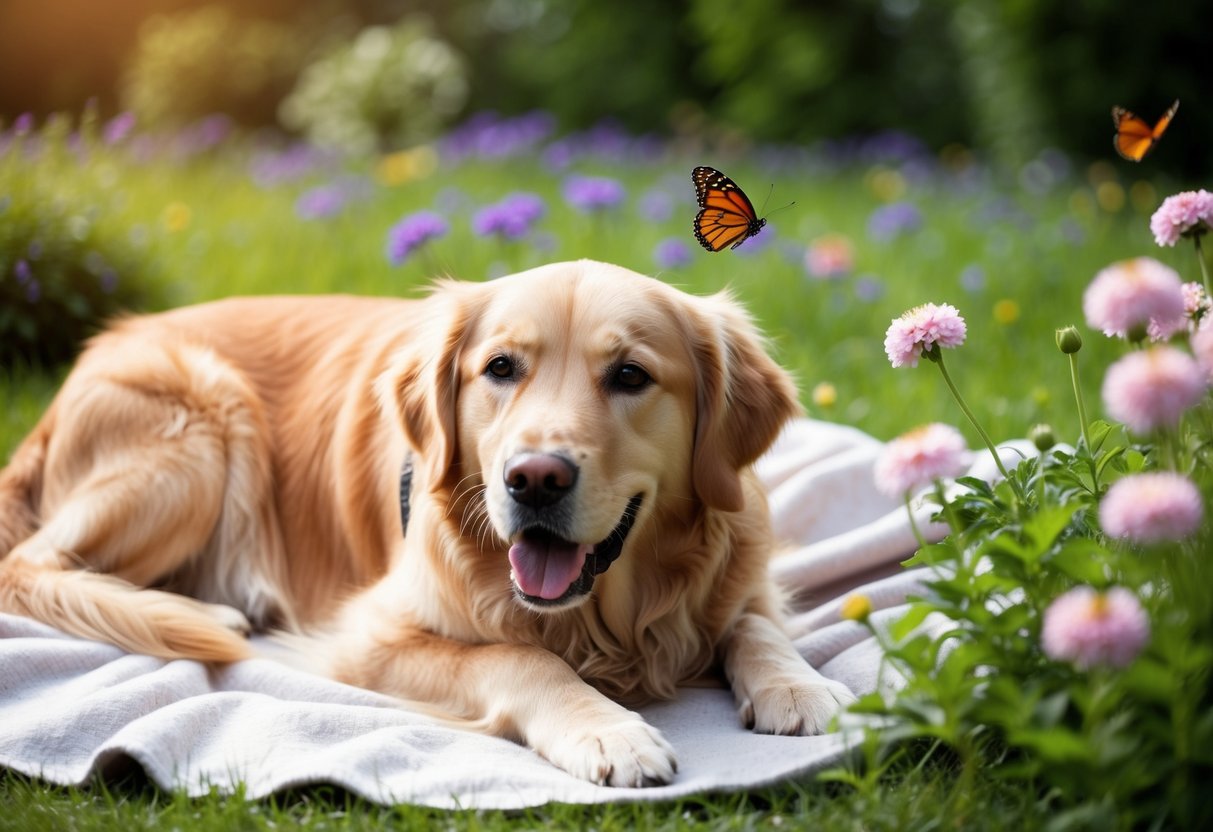
These breeds are not only friendly but also adaptable to various living situations. They thrive in loving homes where they can bond with their owners.
Whether you want a small, playful companion or a larger, laid-back friend, knowing which breeds are considered gentle can help you make the best choice for your family and lifestyle.
Characteristics of Gentle Dog Breeds

When considering a gentle dog breed, you should pay attention to their behavioral traits and physical attributes. These aspects play a big role in making a dog suitable for families and good pals for kids.
Behavioral Traits
Gentle dog breeds often exhibit calm and sweet natures. You will find that these dogs are usually patient and tolerant, which makes them great companions for children.
They tend to be friendly towards other pets and people. Their gentle temperaments allow them to adapt well to various environments, whether at home or in public.
These breeds are typically eager to please. They respond well to training and learn commands quickly, which fosters a strong bond between you and your furry friend.
You can expect behaviors like wagging tails and playful barks, showing their happiness and affection. Their loving nature makes them excellent family pets.
Physical Attributes
Gentle dog breeds often have soft features that match their kind personalities. For example, many will have expressive eyes and a warm smile, which can instantly create a friendly atmosphere.
In terms of size, you can find gentle breeds in various forms, from small Pugs to larger Saint Bernards. Despite their differences, they all share a gentle demeanor.
Most gentle breeds have moderate energy levels. You will notice that they enjoy regular walks or playtime but also appreciate quiet moments at home.
Their fur is usually soft, inviting you for petting and cuddling. This physical comfort helps strengthen your connection and makes these dogs even more lovable.
Popular Gentle Dog Breeds
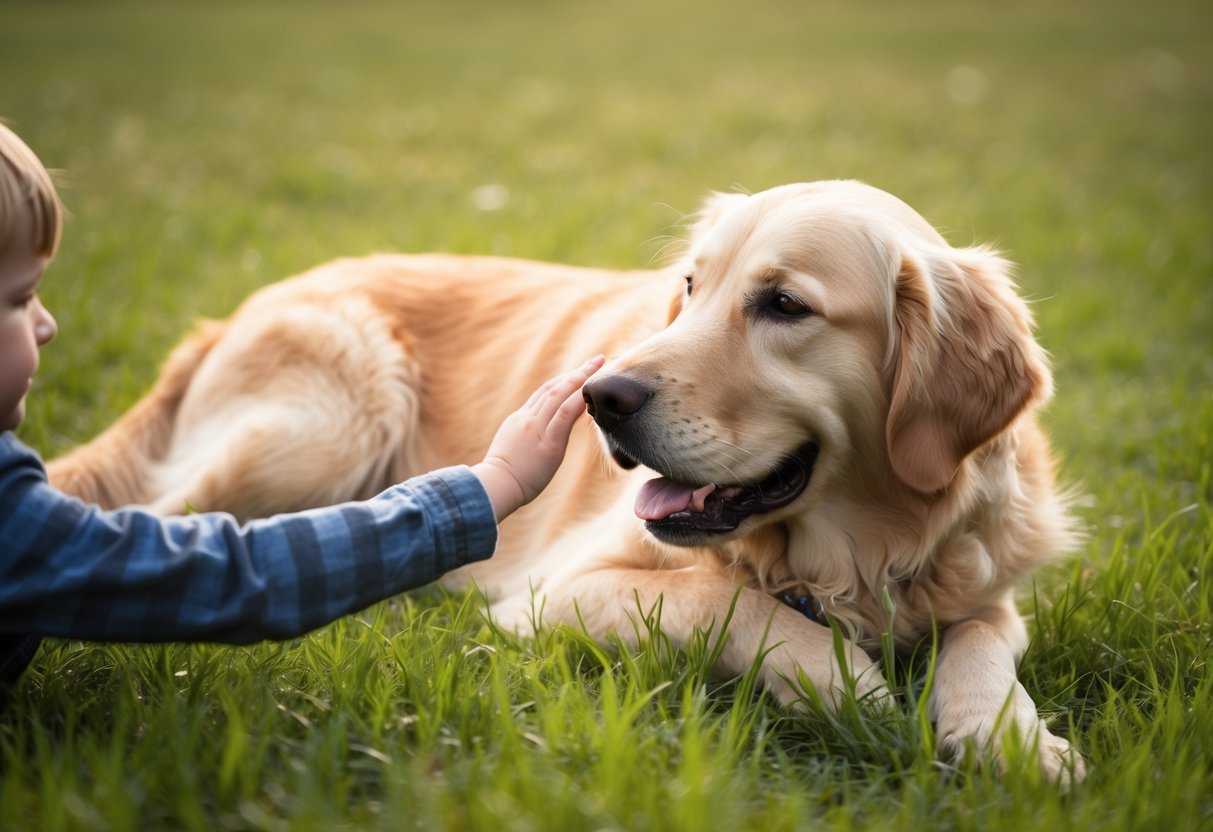
When choosing a gentle dog breed, size can play a big role in your decision. Here are some popular gentle breeds across large, medium, and small categories, each known for their calm and friendly natures.
Large Breeds
Large breeds can be both gentle and protective. The Newfoundland is well-known for its loving temperament and sweet nature. They are great with kids and often referred to as “gentle giants.”
Golden Retrievers and Labrador Retrievers are also popular choices. Both breeds are friendly, intelligent, and eager to please. They usually get along well with everyone, making them excellent family dogs.
Another large breed to consider is the Bernese Mountain Dog. These dogs are calm and affectionate, loving to be around their families. With proper training, they become excellent companions.
Medium Breeds
In the medium category, the Bulldog is famous for its gentle demeanor. They are relaxed and get along well with children. Bulldogs make great pets for smaller homes.
The Cavalier King Charles Spaniel is another wonderful option. Known for their friendly and affectionate nature, they thrive on companionship. These dogs are playful, making them ideal for families.
Poodles come in various sizes, including medium. They are intelligent and can adapt to different living situations. Their loving nature makes them popular among families.
Small Breeds
Small breeds can also be gentle and loving. The Basset Hound is known for its easygoing personality. These dogs are great companions and are very friendly with children.
The Shih Tzu is another small breed that has a gentle nature. They are affectionate and love to cuddle. Shih Tzus are also known for being wonderful lap dogs.
Lastly, consider the Pekingese. This breed is charming and has a gentle spirit. Pekingese dogs are loyal companions that thrive with loving owners.
The Role of Gentle Dogs in Families
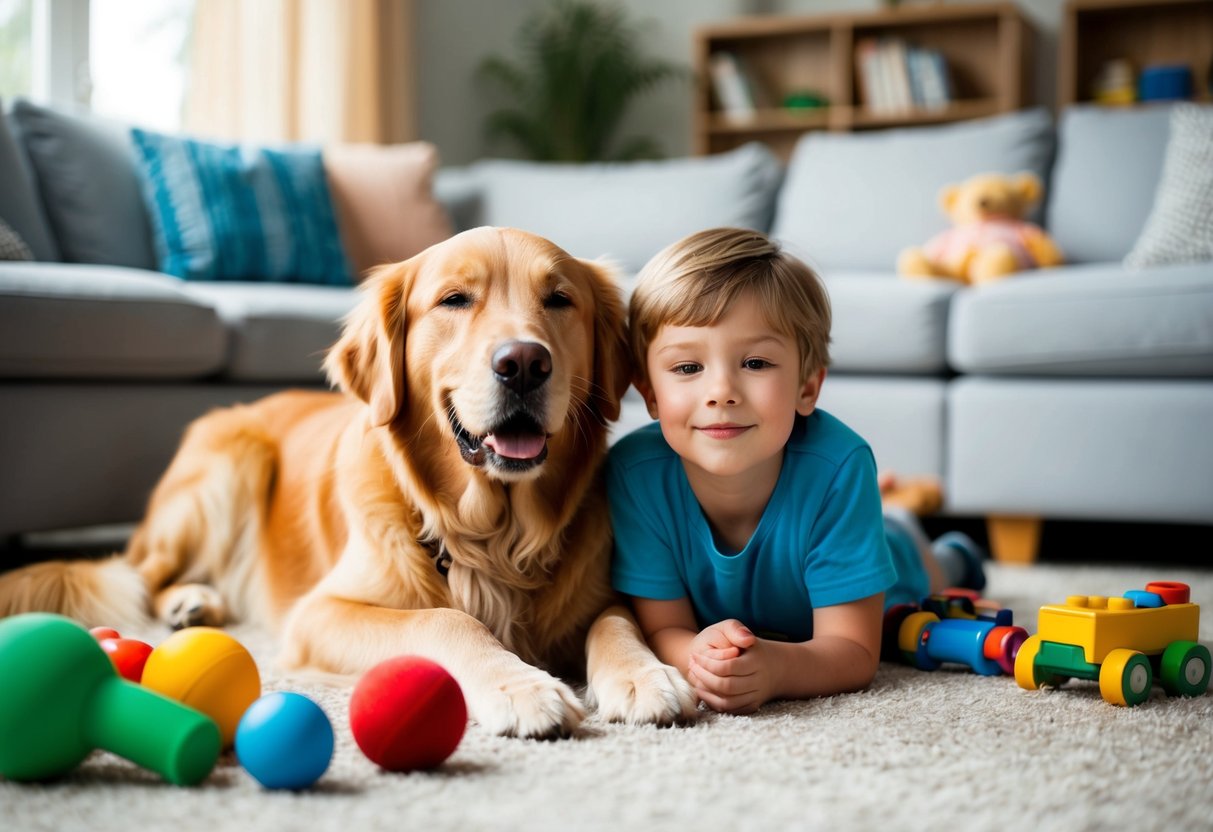
Gentle dogs play an important part in family life. They provide companionship and can offer unique support for various needs, including therapy and assistance for family members.
Companion Dogs
Gentle dogs, like the Golden Retriever or Beagle, are perfect for your family. Their friendly nature and loyalty make them great companions for all ages.
These dogs often bond closely with children, providing love and comfort. Families appreciate how gentle dogs typically have a calm demeanor, which helps create a nurturing environment.
You may find that having a gentle dog encourages family activities. Going for walks, playing in the yard, or simply enjoying cuddles at home becomes a cherished routine.
Additionally, their loving nature can ease stress and bring joy to your household. Gentle dogs respond well to affection, making them wonderful playmates and confidants for kids and adults alike.
Therapy and Service Dogs
Gentle dog breeds, such as Labrador Retrievers, are often trained as therapy and service dogs. These dogs provide critical support for families dealing with various challenges.
Therapy dogs help in schools and hospitals, providing comfort during tough times. Their calm presence can ease anxiety for children, especially those who might feel overwhelmed.
Service dogs help family members with disabilities. They assist with daily tasks, offering independence and companionship.
In both cases, these gentle dogs enhance the quality of life for their families. Their loyalty and training make them reliable partners, ready to assist when needed.
Care and Training
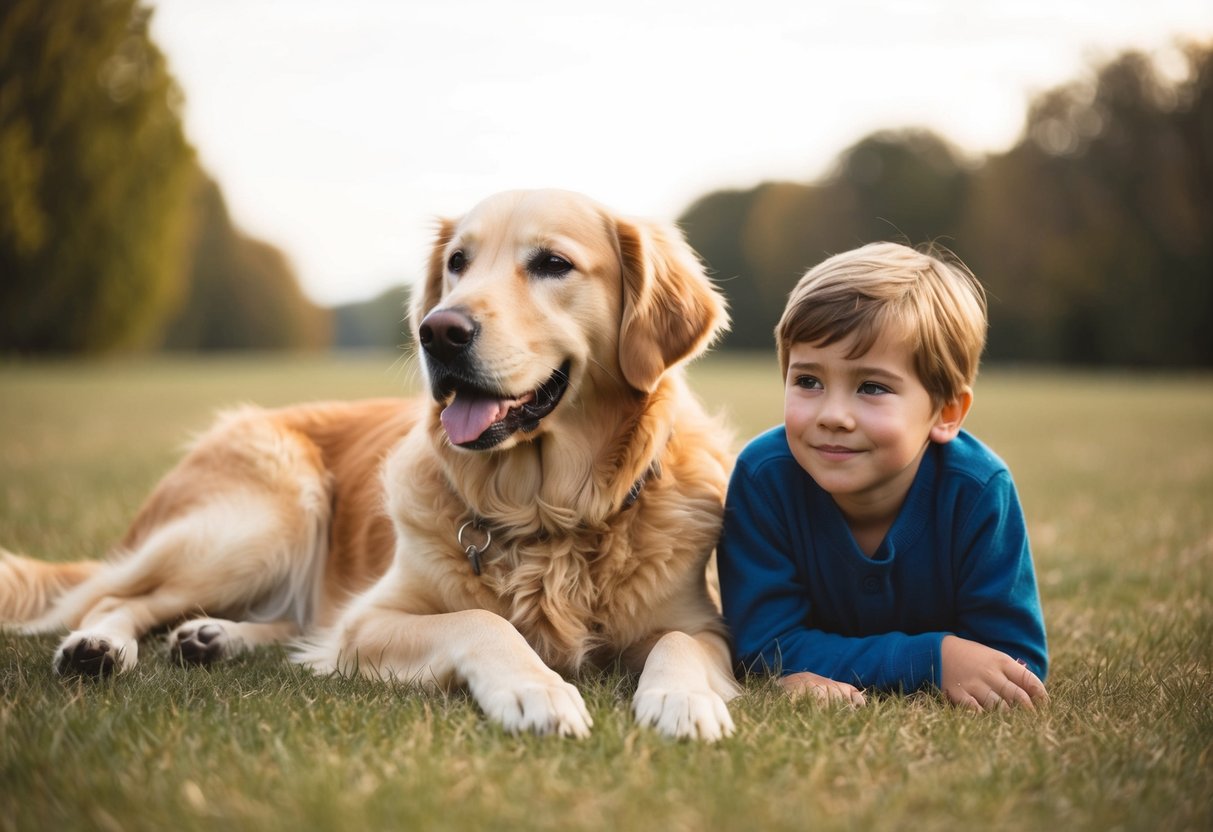
When caring for gentle dog breeds, it’s important to focus on their exercise needs and proper grooming. Training and socialization play a big role in their behavior and happiness as well. Here’s what you need to know.
Exercise and Grooming
Gentle breeds often require moderate exercise. Daily walks, playtime, and mental stimulation are essential. Activities like fetch or puzzle toys keep them engaged.
Grooming needs vary by breed. Short-haired dogs may need less maintenance, while long-haired dogs require regular brushing. Regular baths keep their coats clean and healthy.
Key Points:
- Aim for at least 30 minutes of exercise daily.
- Brushing may be needed 1-3 times per week, depending on the breed.
Training and Socialization
These dogs need training to learn good behavior. Many gentle breeds are known for being easy to train. Use positive reinforcement techniques, like treats and praise, to encourage good behavior. Consistency is vital to their learning.
Socialization from a young age helps prevent shyness and fear. Introduce your dog to various people, animals, and environments. This builds their confidence and reduces anxiety.
Key Points:
- Start training early and keep sessions short and fun.
- Regular exposure to new experiences enhances their adaptability.


