
When deciding between a girl or boy dog, you might wonder which one is friendlier. Research shows that a dog’s personality and upbringing are often more important than gender when it comes to friendliness. Whether you choose a male or female dog, each can have their own unique traits that make them lovable companions.

Many people share stories of their affectionately playful male dogs, while others find female dogs to be just as sweet, though perhaps a bit less demanding of attention. Understanding these differences can help you make an informed choice about which furry friend fits best in your life.
As you explore this topic, you’ll discover valuable insights about what makes each gender special. With the right care and love, both boy and girl dogs can become loyal and friendly members of your family.
Understanding Dog Behavior
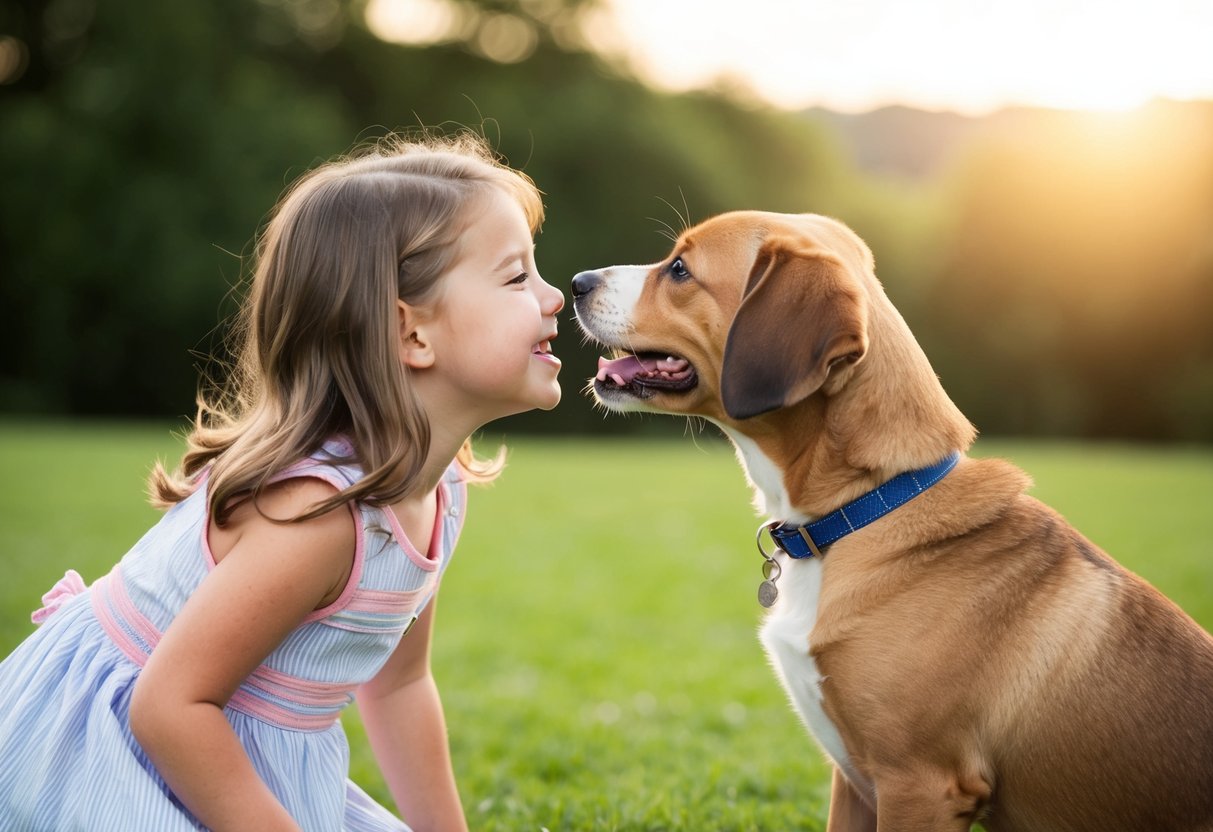
Dog behavior is shaped by many factors, including gender differences, hormones, and how well they are socialized and trained. Knowing these aspects can help you understand your dog better and foster a stronger bond.
Gender Differences and Personality
Male and female dogs often display different personality traits. Generally, female dogs might be more nurturing and attached to their owners, while males can be more playful and carefree. These tendencies can vary greatly among breeds. For instance, some breeds like Golden Retrievers may have friendly males, while other breeds might show contrasting behaviors.
The environment and upbringing also play vital roles in shaping behaviors. A dog raised in a loving and structured environment will likely be more well-adjusted. It’s important to note that personality differences are not absolute. Each dog is unique.
Influence of Hormones on Behavior
Hormones significantly affect the behavior of both male and female dogs. Notably, testosterone in male dogs can lead to more dominant behaviors, which may include humping. This behavior can be addressed through neutering, which can reduce hormone levels and often lead to calmer behavior.
For female dogs, being in heat can influence their actions, making them more affectionate or even agitated. Spaying can help mitigate these hormonal swings, leading to a more stable temperament. Understanding these influences can guide you in choosing the right dog for your family.
Socialization and Training Impact
Training and socialization are crucial for developing a friendly dog. Regardless of gender, a well-trained dog tends to be more social and easier to manage.
Early socialization helps your dog become comfortable with different people and environments.
Positive reinforcement training is effective for both males and females. This method encourages good behavior and builds trust between you and your dog.
Consistency in training teaches your dog what is expected, leading to a happier, well-adjusted pet. Always remember, investing time in training pays off in the long run.
Health Considerations in Male and Female Dogs

When deciding between a male or female dog, understanding health considerations is crucial. Different genders can face unique health challenges and preventative measures. Here are two important aspects to consider.
Reproductive Health and Prevention
Reproductive health plays a significant role in your dog’s overall well-being. Female dogs go through heat cycles approximately every six months. This can lead to unwanted pregnancies if not managed. Spaying your female dog can prevent these cycles, as well as reduce risks of certain cancers, such as mammary tumors.
For male dogs, neutering is often recommended to prevent unwanted behaviors and reduce the risk of testicular tumors. Intact male dogs may exhibit marking behaviors and higher aggression levels. Neutering can help curb some of these tendencies, leading to a more balanced temperament over time.
Common Health Issues in Different Genders
Male and female dogs may face different health issues. Females are at a higher risk for conditions like pyometra, an infection of the uterus, which can be life-threatening if left untreated. Spaying can eliminate this risk.
On the other hand, intact males can develop testicular tumors and are more prone to prostate problems as they age. These issues highlight the importance of regular veterinary check-ups, especially as your dog matures. Keeping health concerns in mind helps you make informed decisions about your dog’s care.
Choosing the Right Dog for You

When choosing a dog, it’s important to consider behavior and compatibility with your lifestyle. Understanding the responsibilities that come with dog ownership will also help you make a better decision. Let’s explore these key areas.
Behavior and Compatibility
Male and female dogs can display different behaviors. Female dogs are often seen as sweeter and more relaxed. They may also be more nurturing, especially if you plan to breed.
Male dogs, like Golden Retrievers, tend to be playful and energetic. They may show more loyalty but can be more dominant.
Think about your living situation. If you have other pets, consider their personalities. A new male dog might clash with an existing dog of the same gender. Introductions should be slow and careful to ensure a good fit.
Assess your family’s activity levels, too. If you prefer a calm house, a relaxed female might be a better choice. For active families, a playful male could be the perfect fit.
Responsibilities of Dog Owners
Bringing a dog into your home takes commitment. Consider what it means to be a responsible dog owner. You will need to provide training, socialization, and regular vet visits.
Both male and female dogs require exercise and mental stimulation. Daily walks and playtime are essential for their well-being. Keep in mind that a dog’s personality can change after sexual maturity. You may find different traits emerging as they grow.
Be prepared for grooming and healthcare needs. Female dogs may require additional care during heat cycles. Make sure you are ready for the time and effort involved. Your choice will greatly affect your life and your new canine companion’s happiness.


