
Deciding whether to neuter your male dog can be a tough choice. Neutering can lead to several benefits, including improved health and better behavior, making it a worthwhile consideration for responsible pet ownership. Many dog owners notice that after neutering, their dogs tend to be calmer and less prone to aggression or marking.
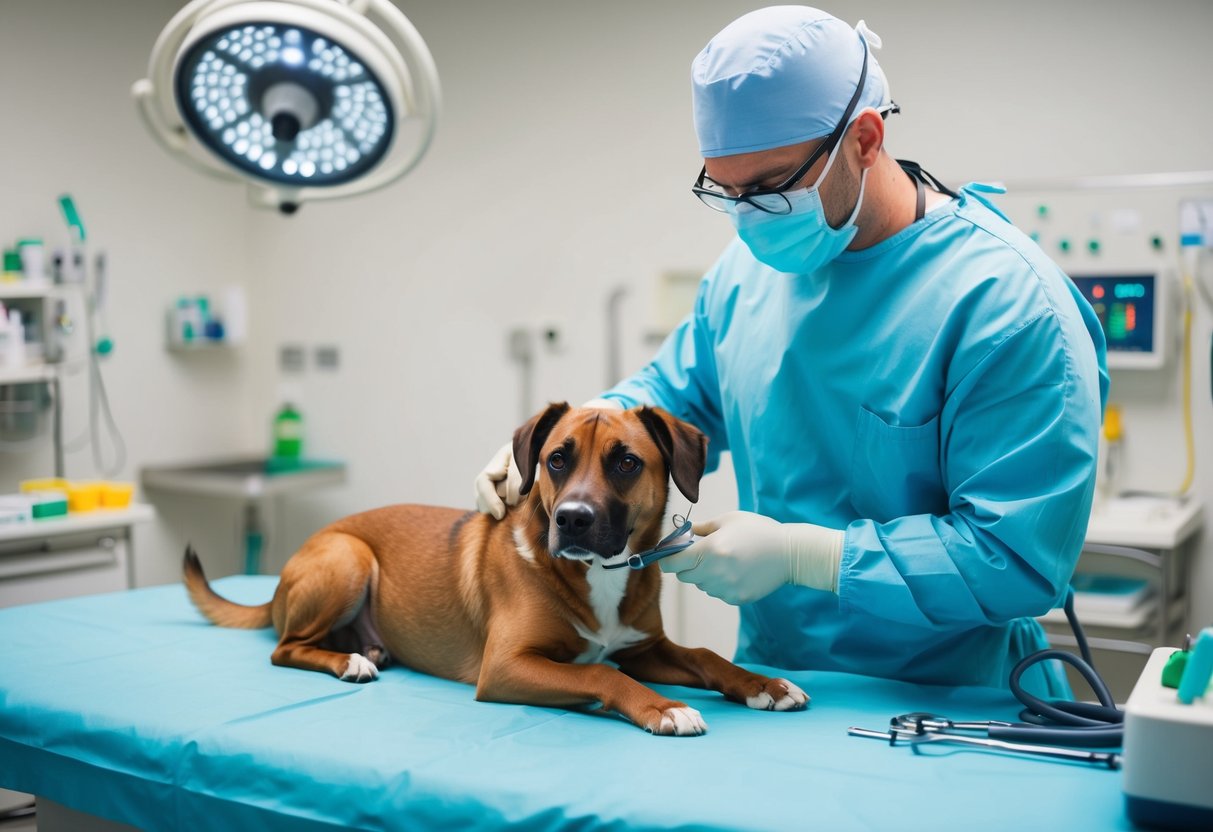
In addition to behavior changes, neutering can also bring important health benefits. It can reduce the risk of certain diseases and conditions, like testicular cancer and prostate issues. By neutering, you’re not just helping your dog; you’re also being a responsible pet owner by preventing unwanted litters and contributing to a reduction in pet overpopulation.
It’s normal to have questions and concerns about the procedure. Knowing the advantages can help you make an informed decision that’s best for both you and your furry friend.
As you read further, you’ll discover more about the pros and cons of neutering and how it can positively impact your dog’s life.
Health Impacts of Neutering

Neutering your male dog can have significant health effects. This decision can help lower the risk of certain cancers and influence your dog’s metabolism. It’s important to weigh these factors as you consider neutering.
Reducing the Risk of Cancer
Neutering can significantly reduce the risk of testicular cancer, which affects uncastrated males. By removing the testicles, you eliminate the chance of this deadly disease. Neutering may also lower the risk of prostate problems, including infections and certain types of cancer, like hemangiosarcoma.
Some studies indicate that neutered dogs may have a reduced chance of developing certain bone cancers. However, the link isn’t entirely clear, so it’s essential to talk with your vet about your dog’s specific risks and health history.
Potential for Weight Gain and Metabolic Changes
After neutering, many dogs undergo metabolic changes that can affect their weight. With lower testosterone levels, your dog may experience a decrease in energy and activity. This shift can lead to weight gain if not managed properly.
To prevent obesity, consider adjusting your dog’s diet and exercise routine. Increasing physical activity and monitoring calorie intake can help keep your pup healthy and fit. Watch for signs of hypothyroidism, which can also contribute to weight issues in neutered dogs.
Other Health Conditions Influenced by Neutering
Neutering may impact other health conditions. Some studies suggest a potential link between neutering and hip dysplasia in certain breeds. Early neutering has been associated with orthopedic issues, including bone cancer risks, so timing of the procedure can matter.
Additionally, cognitive impairment can occur in neutered dogs, as hormonal changes might affect brain health. While the best age to neuter can vary, it’s important to discuss with your vet about what’s right for your dog’s breed and health history.
Behavioral Effects and Training Considerations
Neutering can significantly affect your dog’s behavior. Understanding these changes helps you manage training and social interactions better. You may notice shifts in aggression, sexual behavior, and overall temperament after the procedure.
Influence on Aggression and Dominance
Neutering often leads to a decrease in aggressive behaviors. High testosterone levels can make male dogs more dominant and prone to conflicts. After castration, many dogs show a calmer demeanor. This does not mean all aggressive tendencies will vanish, but the reduction can make your dog easier to train and manage.
Lower aggression levels may also foster better relationships with other dogs. With fewer urges to assert dominance, you might find your dog is more social, leading to peaceful interactions during walks or at dog parks.
Modifications in Sexual Behavior
One of the most noticeable changes post-neutering is in sexual behavior. Male dogs may exhibit fewer urges to mount or roam in search of mates. This reduction can lessen distractions during training sessions.
Without the strong drive from testosterone, you may find your dog less likely to engage in behaviors like marking territory. This shift not only makes training easier but can also improve your living situation by reducing unwanted behaviors.
General Dog Behavior Post-Neutering
Post-neutering, many owners report a shift in their dog’s general behavior. Dogs often become more relaxed and less hyperactive. This calmer state can make them more receptive to training.
Additionally, some dogs may exhibit an increase in affectionate behaviors as they are less focused on their sexual instinct. You might experience more cuddling and bonding time.
Surgical Aspects and Post-Operative Care
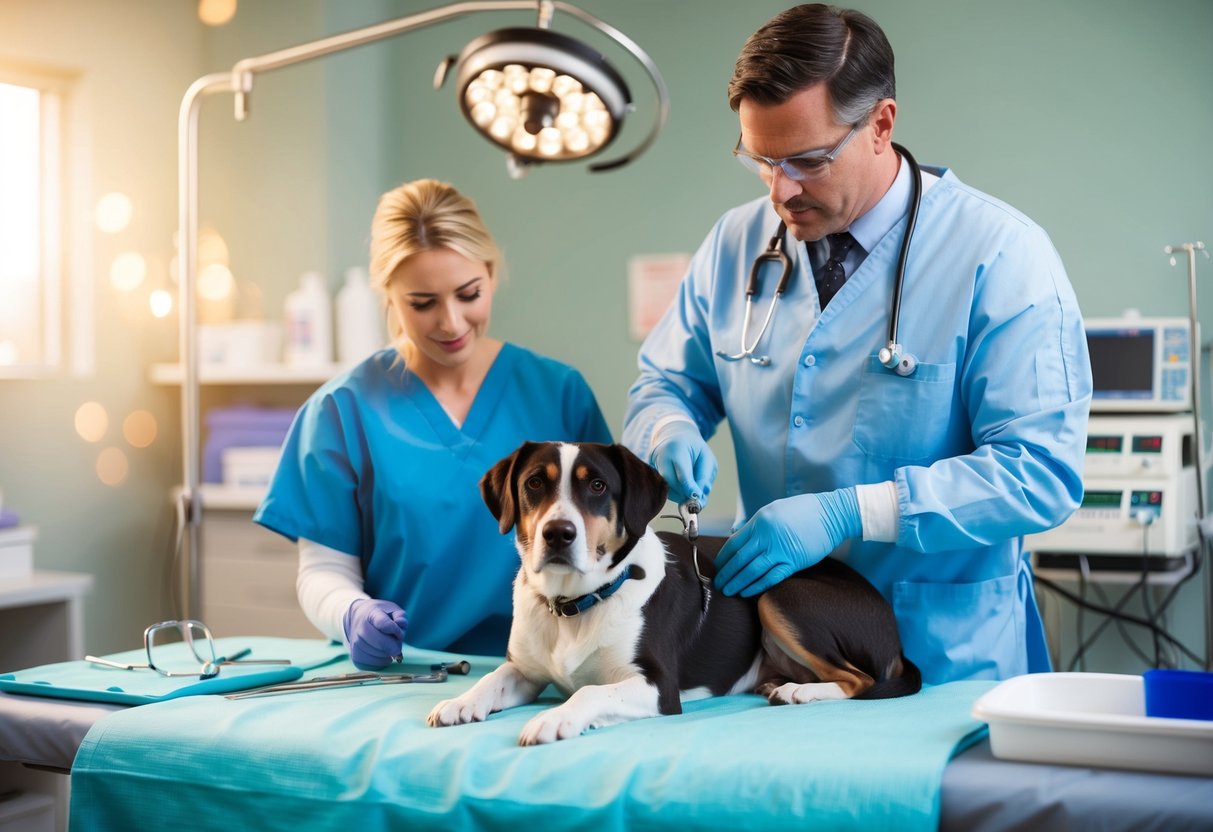
Neutering your male dog involves a surgical procedure that requires careful preparation and management. Understanding the details of the surgery, anesthesia, and post-operative care is important for ensuring your pet’s safety and comfort.
Understanding the Neutering Procedure
The neutering procedure, also known as castration, involves the surgical removal of your dog’s testicles. This is typically done through a small incision made in the scrotum. The surgery is usually quick, lasting about 30 minutes to an hour, and is commonly performed on healthy dogs.
Before the surgery, your vet will conduct a physical examination and may recommend vaccinations if your dog is due for them. This ensures your dog is healthy enough for the procedure. It’s essential to follow your vet’s advice regarding fasting before surgery to minimize any risks associated with anesthesia.
Anesthesia and Its Risks
Anesthesia is a necessary part of the neutering process. While it’s generally safe, there are some risks involved. Your vet will assess your dog’s health to determine the best type of anesthesia to use. Pre-anesthetic blood tests can help identify any potential issues.
Common risks include allergic reactions, respiratory complications, or reactions to medications. Your vet will monitor your dog closely during the procedure to address any problems immediately. Knowing these risks can help you feel more prepared and confident about your dog’s surgery.
Recovery and Management
After surgery, your dog will enter a recovery phase that requires careful management. It’s important to monitor the surgical site for signs of infection, such as redness or swelling. Prevent your dog from licking or chewing the incision area by using an Elizabethan collar.
Keep your dog calm and restrict activity for about 10-14 days. This helps avoid complications like urinary incontinence or a perianal fistula, which can occur if your dog is too active. Follow your vet’s guidelines for pain management and schedule any follow-up appointments to ensure proper healing. Regular check-ins with your veterinarian can help catch any issues early.
Ethical and Social Considerations

Neutering a male dog involves important ethical and social factors. Understanding the effects on dog overpopulation and exploring alternatives can help you make the best choice for your pet.
Impact on Dog Overpopulation
One major reason for neutering is its role in population control. With millions of pets in shelters, neutering helps reduce the number of unwanted dogs. This can lead to fewer strays and a decrease in euthanasia rates.
Neutering male dogs can also lessen certain behaviors, like aggression and marking, which contribute to pet overpopulation. Early neutering may prevent these issues, allowing your dog to fit better into a family lifestyle. However, you should weigh these benefits against the cons of neutering, such as possible health risks like prostate problems or benign prostatic hyperplasia.
Alternatives and Elective Aspects
If you’re hesitant about neutering, consider alternatives. Options like training and behavior modification can address issues like aggression without surgery. These methods require your commitment but could enhance your dog’s behavior positively.
You can also explore spaying for female dogs or other non-surgical approaches. Some treatments, like hormone therapy, may be suitable depending on your dog’s needs.
Remember, neutering is not a one-size-fits-all solution. Discussing with your veterinarian can help you understand the pros and cons of neutering and determine the best path for your dog, balancing health and ethical responsibilities.


