
If you’re considering adding a Boxer to your family, you might be wondering about their care needs. Boxers are generally low-maintenance dogs. They require just weekly brushing and occasional baths. Their short coat means less shedding and easy upkeep, allowing you to spend more time enjoying your pet rather than constantly grooming them.
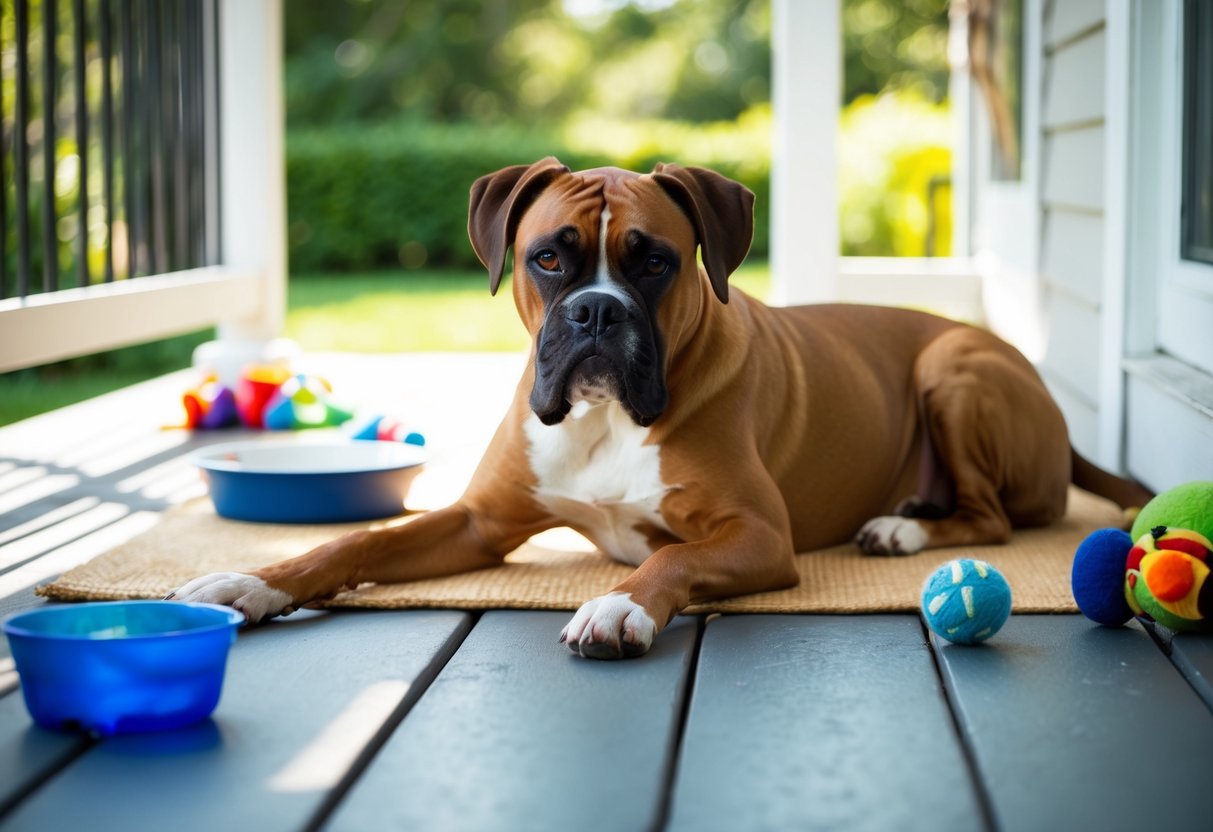
Beyond grooming, Boxers are known for their playful and loyal nature. They thrive on human interaction, making them great companions. Understanding their needs will help you create a comfortable home for your Boxer without feeling overwhelmed by maintenance tasks.
As you read on, you will discover more about what it takes to care for a Boxer and how their traits can fit into your lifestyle. You may find that they are the perfect addition to your family!
Understanding the Boxer Dog Breed

Boxer dogs are a popular choice for families due to their friendly nature and intelligence. This section covers their history, temperament, and health considerations, helping you understand more about these vibrant companions.
History and Breed Characteristics
The Boxer is a German breed that has roots in the Bullenbeisser, a working dog used for hunting. They were developed to be strong, agile, and confident, making them excellent working and family dogs.
Though they became recognized by the American Kennel Club (AKC) in the 20th century, their history goes back hundreds of years. Boxers are medium to large-sized dogs, typically weighing between 65 to 80 pounds. They have a distinctive square-shaped head with a short muzzle, making them part of the brachycephalic group.
These dogs are known for their high energy and playful demeanor, requiring regular exercise.
Temperament and Behavior
Boxers are known for their friendly and affectionate nature. They often make wonderful family pets as they tend to bond closely with children. Additionally, they are highly intelligent, making training a rewarding experience.
Expect your Boxer to be enthusiastic and active. They enjoy spending time with their families and can exhibit protective instincts, making them alert watchdogs.
While their playful behavior is charming, they can become rambunctious if not given ample physical activity. Daily walks, playtime, and mental stimulation are essential to keep your Boxer healthy and happy.
Physical Attributes and Health Considerations
Boxers are striking dogs with a short, smooth coat that is relatively easy to maintain. Their coat comes in fawn, brindle, and white colors. Though low maintenance in grooming, Boxers can be prone to certain health issues.
Common health concerns include hip dysplasia, heart problems like aortic stenosis and cardiomyopathy, and cancer. Because they are brachycephalic, they can also struggle with overheating in hot weather.
Regular vet check-ups can help monitor these risks. It’s important to be aware of bloat and hypothyroidism, which can affect their overall health. Keeping your Boxer active and healthy is crucial, so incorporate regular exercise and a balanced diet into their routine.
Caring for Your Boxer
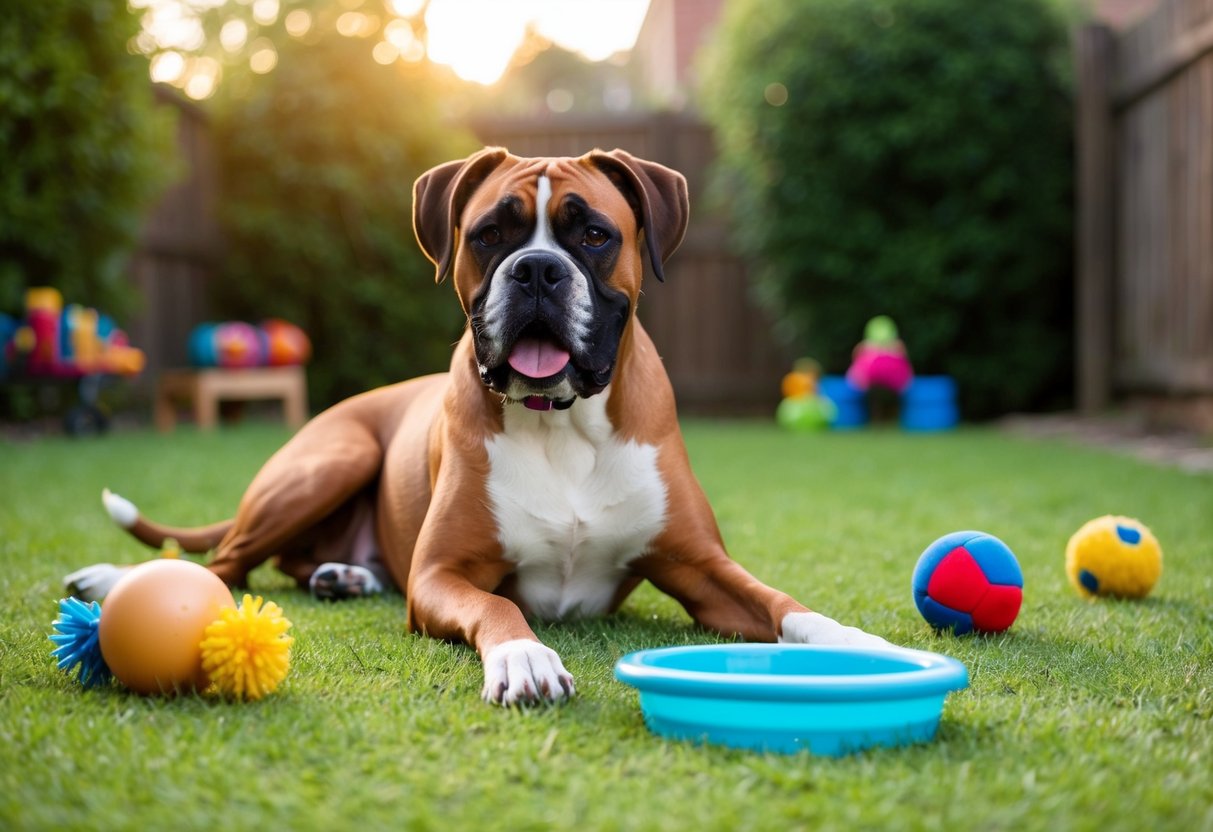
Caring for your Boxer involves a mix of proper nutrition, regular exercise, effective training, and grooming. Each aspect plays a vital role in keeping your dog healthy and happy.
Proper Nutrition and Diet
Feeding your Boxer a balanced diet is essential for their health. Look for high-quality dry dog food with meat as the first ingredient. Boxers need a diet rich in protein to support their active lifestyle.
It’s important to feed your Boxer twice a day to help prevent bloat, a serious condition that can occur in deep-chested breeds. Be mindful of portion sizes based on your dog’s age and activity level. Avoid giving them table scraps and limit treats to maintain a healthy weight.
Consider switching to a grain-free option if your Boxer has allergies. Always provide plenty of fresh water to keep them hydrated.
Exercise Requirements
Boxers have a high energy level and require daily exercise to stay healthy. Aim for at least 30 to 60 minutes of exercise each day. This can include long walks, running, or playful activities like fetch.
Engaging in agility training can also be a great way to burn off energy. Regular exercise helps keep your Boxer fit and reduces behavioral issues caused by pent-up energy. Make sure to adjust the activity level based on your dog’s age and health.
Mix up the routine to keep things fun. Different environments and activities will keep your Boxer excited and engaged.
Training and Mental Stimulation
Training is vital for your Boxer, as they thrive on mental stimulation. Start with basic obedience training using positive reinforcement techniques.
This could include treats or praise when they follow commands. Boxers are intelligent and enjoy learning new tricks. Regular training helps strengthen your bond and keeps their mind sharp.
Try incorporating puzzle toys or games that require problem-solving. This can prevent boredom and keep your pet entertained. Classes can also be a great opportunity for socialization with other dogs.
Grooming and General Care
Grooming your Boxer is relatively simple. They have a short coat that requires minimal grooming. A weekly brush will help remove loose hair and keep their coat shiny.
Bathing is usually needed every 6 to 8 weeks, depending on their activity level. Remember to check their ears regularly for dirt and wax buildup. Clean them as needed to prevent infections.
Don’t forget about regular nail trimming, which is important for your dog’s comfort. Lastly, maintain good dental hygiene by brushing their teeth or giving dental chews. Healthy grooming habits keep your Boxer looking and feeling their best.
Living with a Boxer Dog

Bringing a Boxer into your home can be a rewarding experience. They are loyal companions that thrive on affection and playtime. Boxers are known for their protectiveness and make excellent family dogs. It’s important to know how to care for them properly to ensure a happy and healthy life together.
Incorporating a Boxer into Your Family
When introducing a Boxer to your family, early socialization is key. Start by meeting new people and other pets. This helps your Boxer become more comfortable and less likely to bark excessively. Boxers are affectionate and crave interaction, so include them in family activities.
Establish routines such as feeding and playtime. This will make your Boxer feel secure. Since they are active dogs, regular exercise is essential. Aim for daily walks and play sessions to keep them stimulated and healthy. Boxers can be great with children, but always supervise interactions to teach gentle behavior.
Health Maintenance and Common Issues
Boxers are relatively low-maintenance when it comes to grooming. Their short coat sheds moderately, so regular brushing helps manage loose hair. Focus on a balanced diet to maintain a healthy weight and avoid bad breath. Consider using slow feeder bowls to prevent overeating.
Boxer health can come with challenges. Being aware of heart conditions common in the breed is important. Regular vet check-ups help address issues early. Keep an eye on their activity levels, as they have a strong prey drive and love to run. This can contribute to a lifespan of about 10-12 years if properly cared for.
Activities and Dog Sports
Boxers are energetic and thrive on play and exercise. They excel in various dog sports like agility and obedience. Engaging in these activities strengthens your bond and provides mental stimulation.
Remember, Boxers enjoy running, so consider taking them to dog parks where they can socialize.
Incorporate training with playtime to make it fun. This breed responds well to positive reinforcement. You might also explore activities like fetch or tug-of-war, which they often enjoy.
Regular play helps manage their energy levels and promotes a happy, healthy lifestyle.


