
If you’re considering adding a dog to your family, you might wonder about the best breed for kids. Boxers are known for their playful and affectionate nature. Boxer dogs are often great companions for children, making them a wonderful choice for families.
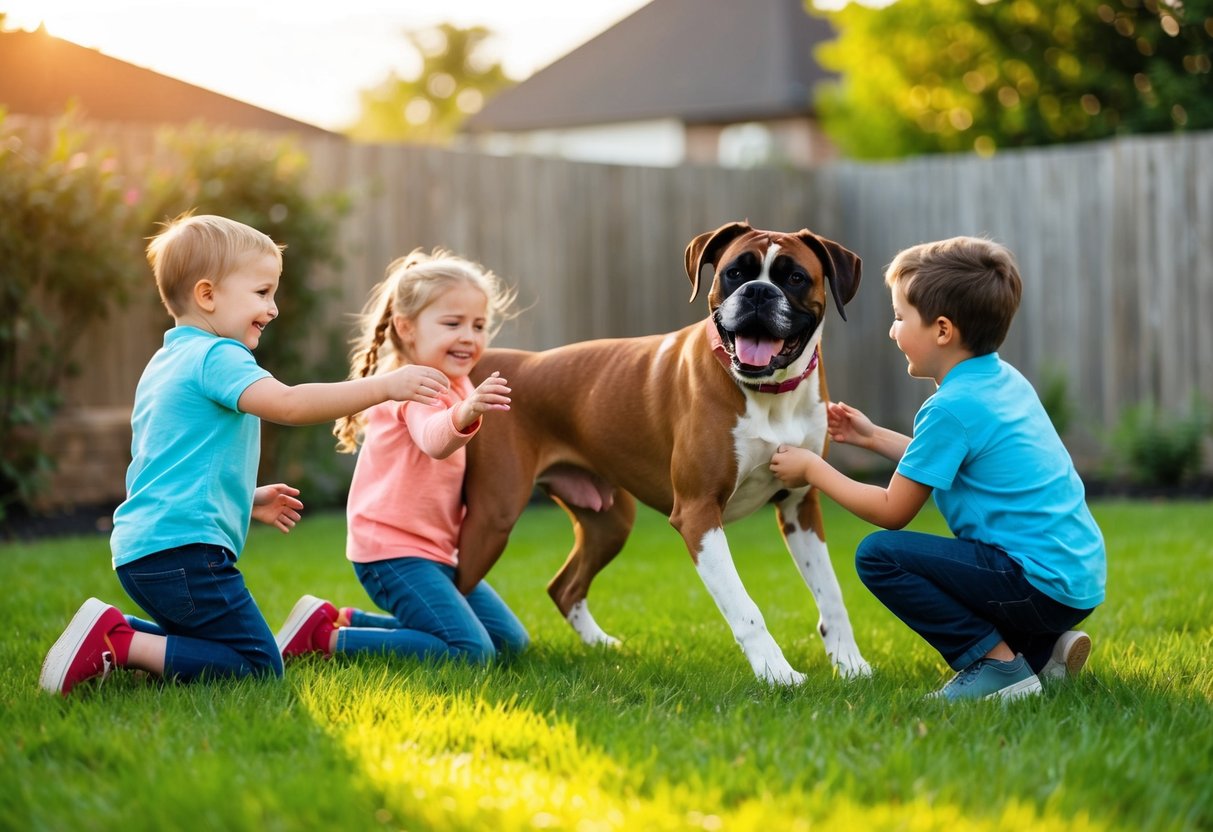
These dogs enjoy being active and will happily join your kids in their games. Their gentle and protective characteristics help create a fun and safe environment for little ones. Boxers bond easily with family members, bringing joy and laughter to your home.
As you read further, you’ll discover why Boxer dogs can make excellent family pets and how their unique traits can enhance your life with kids. From their energetic disposition to their loyalty, Boxers might just be the perfect fit for your household.
Understanding Boxer Temperament

Boxers are known for their vibrant and loving personalities. Their playful nature, along with their loyalty and intelligence, makes them a wonderful addition to families, especially those with children. Let’s explore what makes Boxers unique.
Playful and Energetic Nature
Boxers are highly playful and full of energy. They thrive on physical activity and enjoy games like fetch and tug-of-war.
Daily exercise is essential to keep them happy and healthy. Engaging in regular play helps burn off their excess energy, which can prevent misbehavior.
Their playful disposition often extends to children, making them great companions for games. Boxers are usually gentle when interacting with kids, but it’s important to teach both the dog and the child how to play safely together. Encouraging structured play can create lasting bonds.
Intelligence and Trainability
Boxers are intelligent dogs, which means they can learn commands and tricks fairly quickly. Their intelligence, however, can also lead to stubbornness. You might find them testing boundaries during training sessions.
Consistent positive reinforcement helps reinforce good behavior. They enjoy mental stimulation, so incorporating puzzle toys or training exercises can keep their minds sharp.
Teaching your Boxer new commands can be a fun way to strengthen your relationship. Remember that patience and consistency are key when training.
Loyalty and Protective Instinct
Loyalty is one of the standout traits of a Boxer. They form strong bonds with their families and are often very affectionate.
This loyalty means they will protect their loved ones, including children, which adds a sense of security to your home. Boxers are naturally protective with a strong instinct to guard.
While this is usually a positive trait, early socialization is crucial. Exposing them to various experiences helps them differentiate between real threats and everyday situations. This way, they can be both loving companions and reliable protectors.
Boxers and Family Life
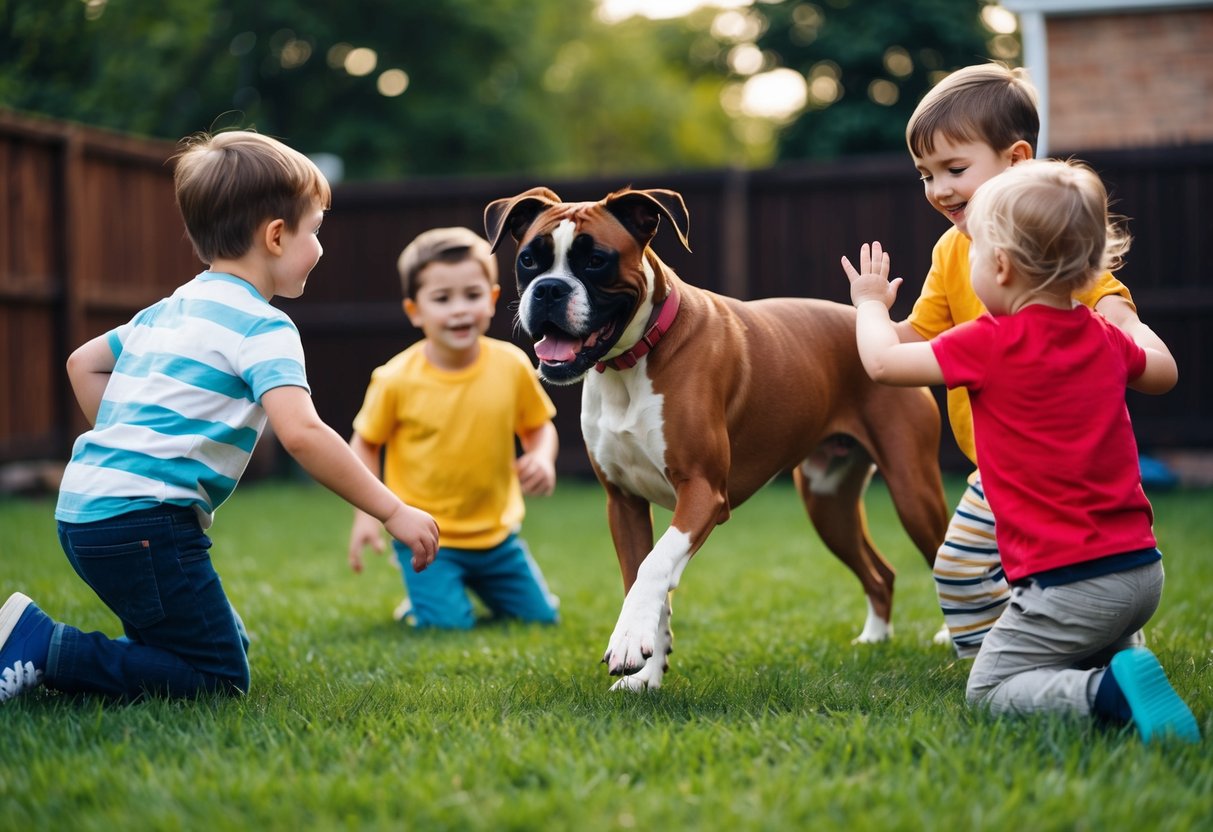
Boxers can be wonderful companions for families with children. Their playful nature and affectionate demeanor make them ideal pets for creating lasting memories. Understanding how they interact with children and meet exercise needs can help ensure a happy life together.
Interaction with Children
Boxers are known for their gentle and patient behavior around kids. They tend to tolerate some rough play, which makes them suitable for families with energetic children.
This breed enjoys being part of the family activities and can engage in games like tug-of-war or fetch.
It’s important to teach children how to interact respectfully with dogs. Supervision is key, especially with younger kids. Boxers are loyal and protective, often forming strong bonds with children, making them not just pets, but also friends.
Boxers as Family Pets
As family dogs, Boxers bring joy and laughter to your home. They are known for their loyalty and love for companionship.
Boxers thrive in a family environment where they receive attention and affection. Due to their high-energy nature, they’re great for families that enjoy an active lifestyle.
They love to be included in family outings, whether it’s a trip to the park or a walk around the neighborhood. Their playful spirit can keep your children entertained for hours.
Exercise and Activity Needs
Boxers are medium to large dogs that require regular exercise. It’s essential to provide them with daily physical activity to keep them happy and healthy.
Aim for at least 60 to 90 minutes of exercise each day, which can include walks, playtime, or trips to the dog park. Involving your kids in exercise routines can help strengthen the bond between your Boxer and your family.
You may find that they make great running or hiking companions. Keeping them engaged and active helps prevent behavioral issues that can arise from boredom.
Health and Care Considerations
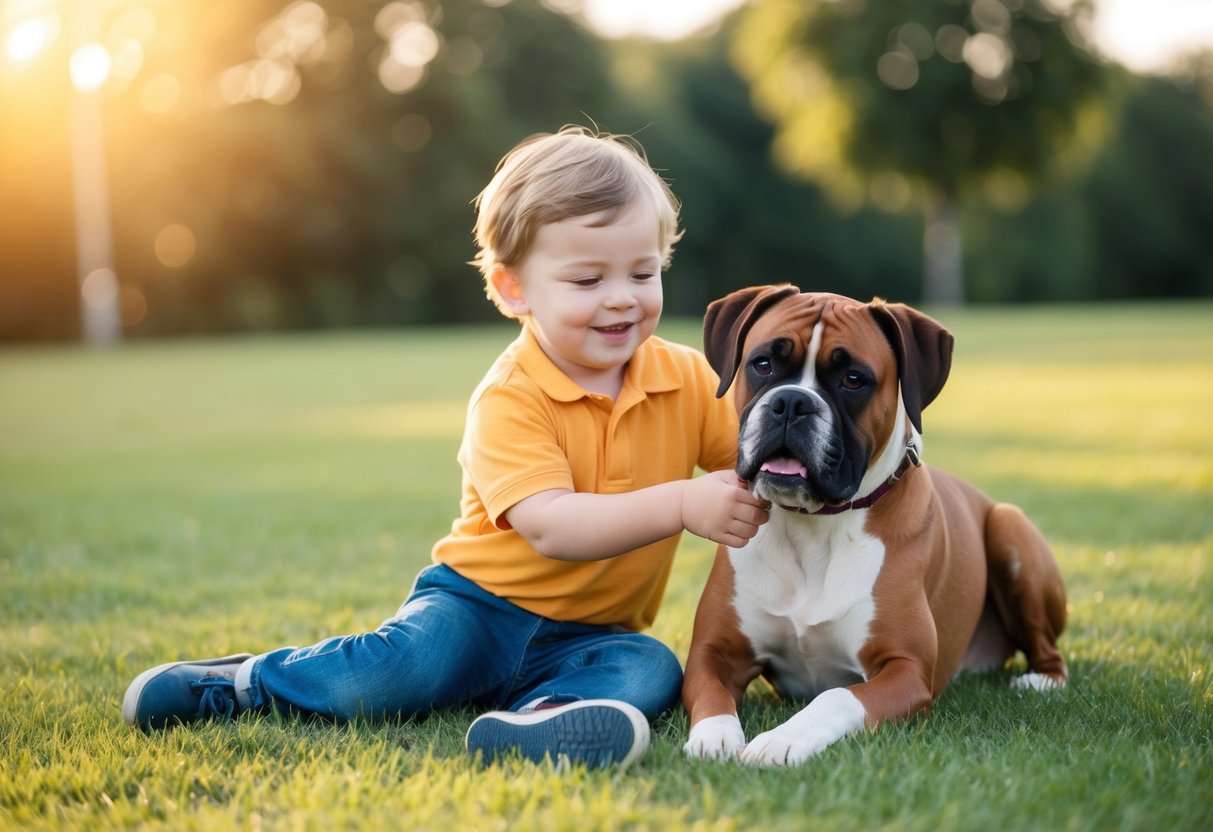
Taking care of a Boxer requires attention to their grooming needs, awareness of their health risks, and special considerations due to their unique physical traits. Understanding these factors can help you provide the best environment for your furry friend, especially if you have kids.
Grooming and Shedding
Boxers have a short, smooth coat that requires minimal grooming. This breed typically sheds, but the shedding is not excessive.
Regular brushing, about once a week, will help keep their coat healthy and reduce loose hair around your home. Bathing your Boxer every few months or when they get particularly dirty is usually sufficient.
Always use dog-specific shampoos. Remember to check their ears for dirt and debris, as Boxers can be prone to ear infections.
Recognizing and Preventing Overheating
Boxers are active dogs and need regular exercise, but their brachycephalic structure (short snouts) makes them susceptible to overheating.
Be cautious during warm weather and avoid strenuous activities during peak heat hours. Always provide plenty of fresh water, and keep your Boxer in a shady area if you’re outside.
Signs of overheating include excessive panting, drooling, and lethargy. If you notice these, move them to a cooler place immediately.
Caring for a Brachycephalic Breed
Boxers, a brachycephalic breed, can experience breathing issues. You should monitor their breathing during exercise. Keep walks moderate and avoid heavy activity in hot or humid conditions.
Ensure your home has good ventilation, especially during warmer months. Regular vet check-ups will help catch any potential health problems early on. Understanding these special needs can ensure a longer, healthier life for your Boxer, giving them the best chance to bond with your kids.


