
Finding the right dog for a 13-year-old can be an exciting journey. As your teen approaches young adulthood, having a furry companion can provide not just friendship but also a sense of responsibility. Some of the best dog breeds for this age group are those that offer companionship, are easy to train, and match your teen’s activity level.
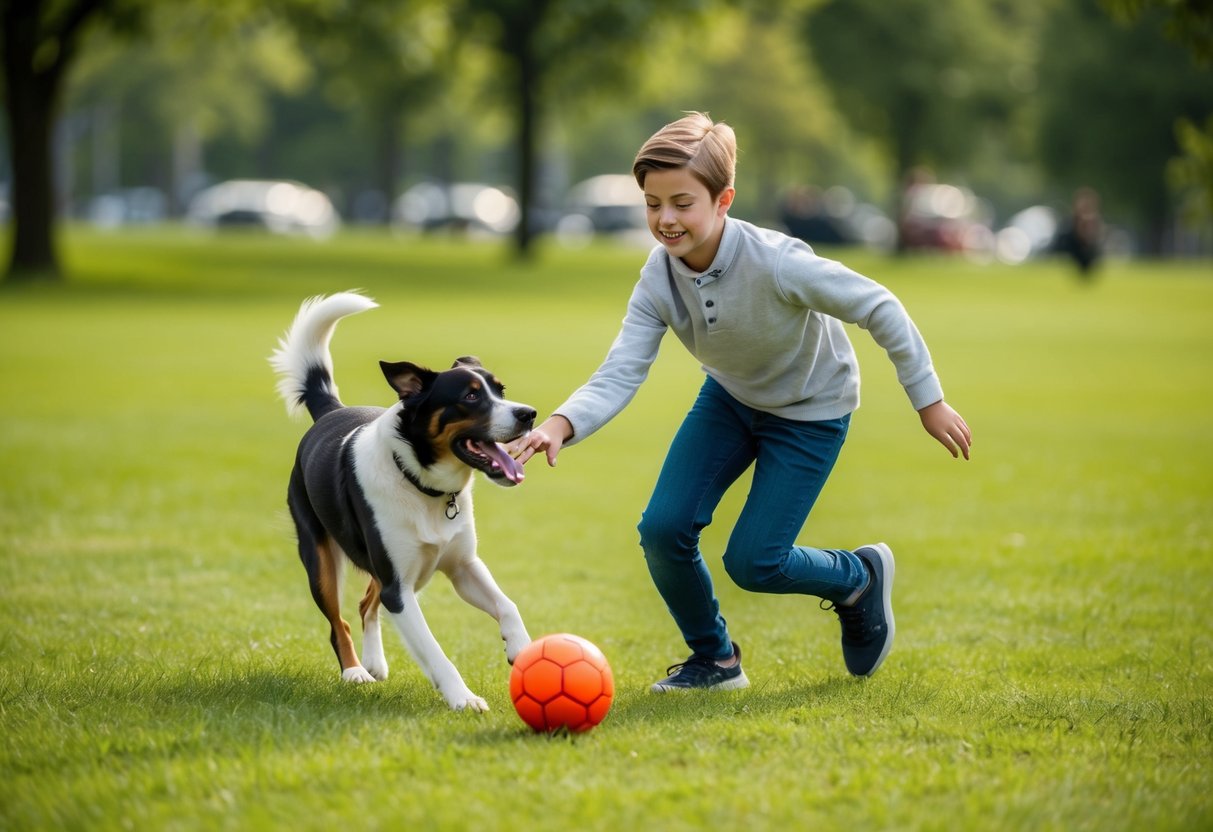
Popular choices include breeds like the Labrador Retriever, Golden Retriever, and Beagle. These family dogs are known for their friendly nature and adaptability. They thrive on the attention and affection from their owners, making them perfect playmates for your teenager.
Bringing a dog into your home can enhance daily life and create lasting memories. With the right breed, you can ensure that your 13-year-old enjoys a well-balanced mix of fun, love, and responsibility.
Understanding Your Teen’s Needs
When choosing a dog for your 13-year-old, it’s essential to think about their energy and activity levels, along with the dog’s temperament and socialization needs. A good match can enhance your teen’s experience and create a strong bond between them and their pet.
Energy and Activity Levels
Teenagers are often full of energy and need a dog that can keep up. It’s important to consider how active your teen is. If they enjoy outdoor activities, look for a breed that is also energetic.
- Active Breeds: Breeds like Labrador Retrievers or Border Collies thrive on regular exercise. They’ll enjoy playing fetch or going for runs.
- Moderate Breeds: Breeds such as Beagles or Bulldogs may be a better fit if your teen prefers more relaxed activities, like walks in the park.
Be sure to evaluate both your teen’s interests and the dog’s needs. A proper match can help your teenager embrace responsibility and provide a loyal companionship.
Temperament and Socialization Needs
Temperament is key when choosing a dog. Your teen may appreciate a dog that is friendly and social, making for a more enjoyable experience.
- Gentle Breeds: Consider breeds like Golden Retrievers or Cocker Spaniels, known for their kind nature.
- Trainable Breeds: Look for dogs that are easy to train, such as Poodles or Basset Hounds. They can teach your teenager valuable skills.
Socialization is also vital. A well-socialized dog will be comfortable around family and friends. Teach your teen how to help their new dog feel at ease in different situations, making your home a happy, friendly place.
Choosing the Right Breed

When selecting a dog for a 13-year-old, consider the level of care needed, energy levels, and any allergies your family may have. A good choice balances companionship, responsibility, and fun.
Low Maintenance Breeds
If you’re looking for a dog that doesn’t require constant grooming or exercise, low maintenance breeds are great options. Cairn Terriers are small and friendly, needing regular walks but less grooming.
Another solid choice is the Bichon Frise. These dogs are cheerful and adapt well to different environments. They do need some grooming, but their playful nature and low energy requirements make them easy companions for teens.
Keep in mind that low maintenance doesn’t mean no care. You still need to provide regular vet visits, a quality diet, and some playtime.
High Energy Breeds
For active teenagers, high energy breeds like the Poodle can be perfect. Poodles come in three sizes and are known for their intelligence and lively personalities. They love to play fetch and go for runs.
Another great option is the Border Collie. While not mentioned in your list, they are highly energetic and require mental stimulation, making them suitable for teens who enjoy activities.
When considering high energy breeds, think about your teenager’s lifestyle. Can they keep up with daily exercise and mental tasks? If so, a high energy dog could be ideal.
Breeds with Hypoallergenic Coats
If allergies are a concern, breeds with hypoallergenic coats can make great choices. The Poodle is a top contender here. Their curly fur traps dander and requires grooming but is known for being less irritating.
Another option is the Bichon Frise. They have a soft, curly coat that doesn’t shed much. This trait helps reduce allergies, making them suitable for many families.
When selecting a hypoallergenic breed, be aware that no dog is completely hypoallergenic. Regular grooming and cleaning can help minimize allergic reactions.
Breed Mixes: Discovering The Uniqueness of Mutts
Mixed breed dogs, or mutts, can be wonderful companions too. They often inherit traits from both parent breeds, which can result in unique characteristics. For example, a Poodle mix might offer a hypoallergenic coat with a fun personality.
Adopting a mutt also gives you a chance to find a one-of-a-kind dog that may fit perfectly with your family’s needs. Many shelters have a variety of mixed breeds looking for homes.
Remember that each dog is unique. Spend time getting to know different breeds and their temperaments. This helps ensure that you find the best match for your 13-year-old.
Top Dog Breeds for Teens
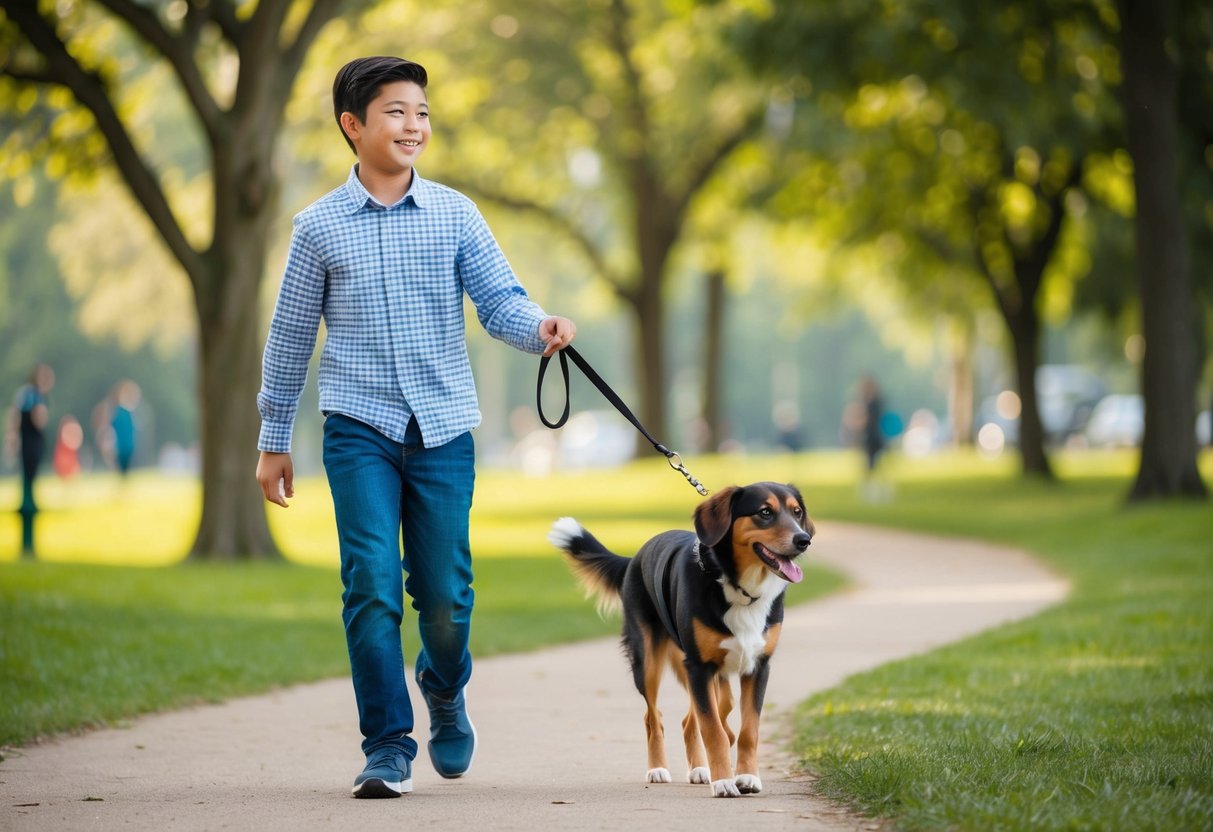
Finding the right dog for a teenager can be a fun challenge. You want a breed that fits your energy level and lifestyle while offering companionship and support. Here are some great choices for teens looking for furry friends.
Small to Medium Sized Dogs
Small to medium-sized dogs are perfect for teens who want a lively but manageable pet. Breeds like the Pug and French Bulldog have friendly personalities and require less exercise, making them great for indoor living. Their playful nature can keep you entertained.
The Beagle is another fantastic option. Known for their curious and friendly nature, Beagles love to explore. Cavalier King Charles Spaniels are gentle and affectionate, ideal for bonding.
Consider the Jack Russell Terrier if you’re looking for high energy and lots of fun. They are playful and intelligent, but they require consistent training. Another great choice is the Boston Terrier, known for their affectionate and adaptable nature, making them suitable in various living situations.
Large and Gentle Giants
Large dogs can also be wonderful companions for teens. The Labrador Retriever stands out as a friendly and loyal choice. They are great for active families and enjoy outdoor activities. A Golden Retriever is also loving and eager to please, making training a breeze.
For those who love gentle giants, the Bernese Mountain Dog and Newfoundland are excellent. Both breeds are known for their calm demeanor and love for kids.
If you prefer a more protective breed, the German Shepherd is intelligent and devoted. They are great for active teens who enjoy spending time outdoors. The Great Dane is friendly and affectionate, despite their size, they’re known as gentle giants.
These breeds can enhance your teenage years with loyalty, support, and plenty of joy.
Training and Long-Term Care
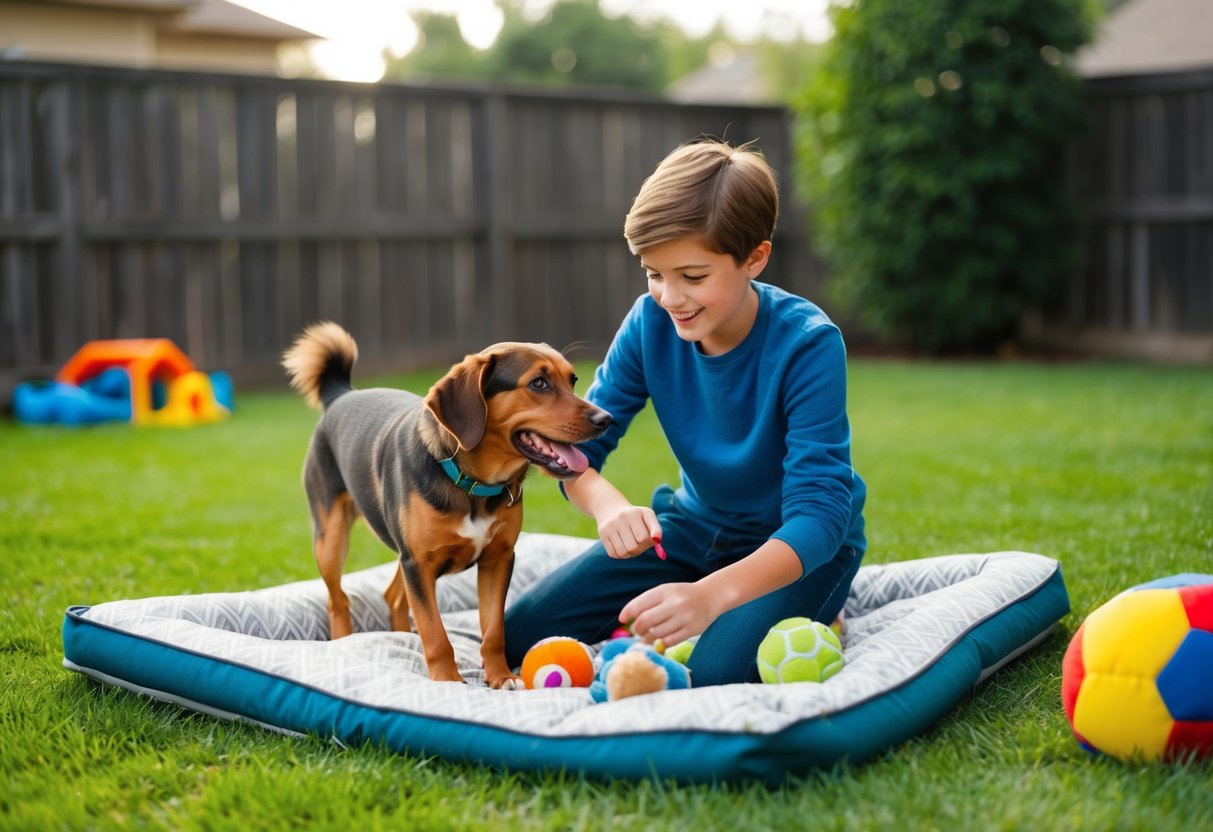
When bringing a new dog into your home, training and health care are essential for ensuring a happy relationship. This section will guide you on how to effectively train your companion and maintain their health.
Training Your New Companion
Start training your dog early to establish good habits. Focus on basic commands like sit, stay, and come. Use positive reinforcement, such as treats or praise, to encourage good behavior.
Some breeds are easier to train than others. Breeders can provide insights into your dog’s trainability. Select a dog known for its responsiveness, as this can make training more enjoyable for both of you.
Be patient. Dogs may need consistent practice to learn commands. Short, fun training sessions work best, keeping your dog engaged. Aim for at least 10-15 minutes each day.
Remember, some dogs thrive on routine and may resist changes. Keeping training sessions consistent helps your dog feel secure and reduces stress.
Health and Wellness
Keeping your dog healthy goes beyond training. As your dog ages, you should take them to the vet regularly. Schedule check-ups at least once a year for vaccinations and health assessments.
Pay attention to your dog’s diet. A balanced diet helps maintain their energy levels and overall wellness. Consult your vet for recommendations on food that suits your dog’s breed and age.
Daily exercise is essential. Aim for short walks or play sessions to keep your dog active without overdoing it. This is especially important for older dogs, as they can tire more easily.
Grooming is also key. Regular brushing and bathing can prevent health issues and keep your dog comfortable.
Invest time in understanding your dog’s breed. Some may have specific health concerns like hip dysplasia or skin issues. Being informed helps you provide the best care possible.


