
It can be concerning when your female dog snaps at your male dog. One common reason for this behavior is protectiveness, especially if she feels the need to defend her space or herself. Understanding why this happens is key to creating a peaceful environment for both dogs.
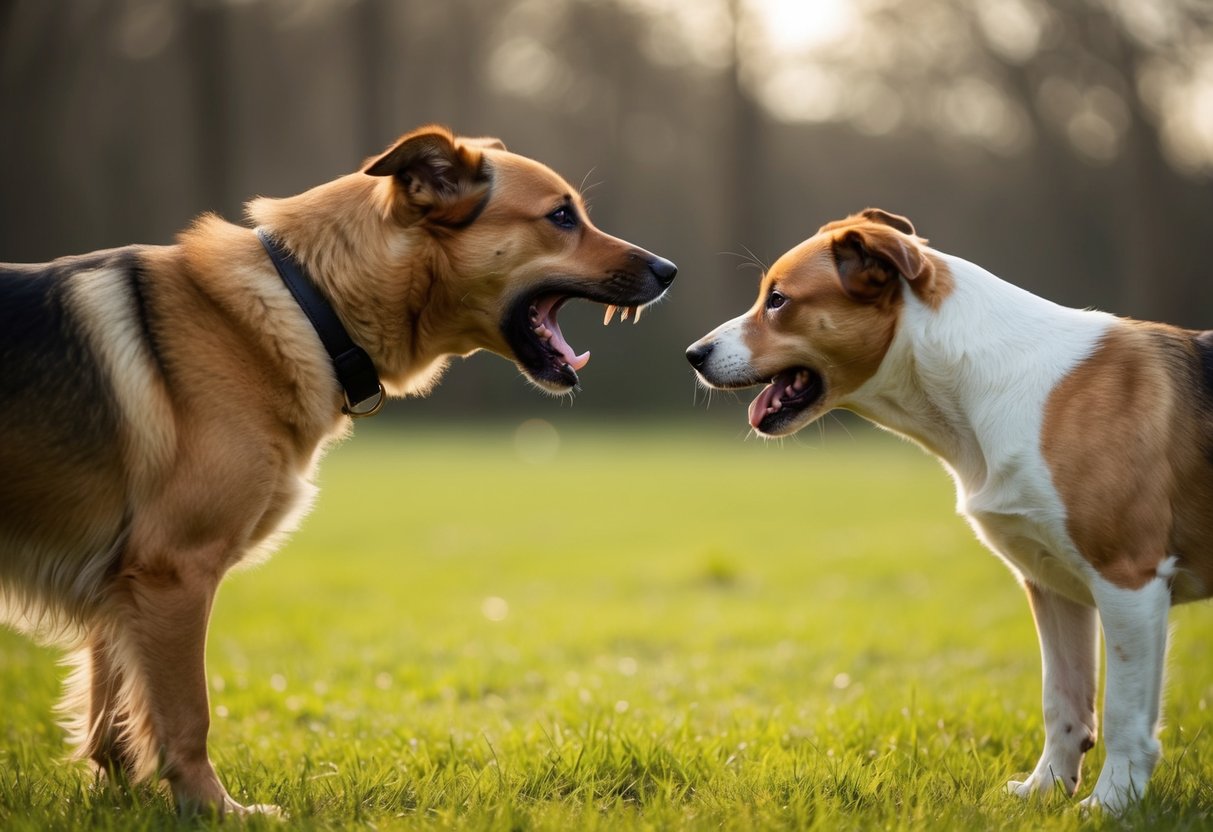
There are various reasons your female dog might react this way. She could be feeling pain, stress, or even jealousy. Each behavior is a form of communication, and recognizing these signs can help you address any underlying issues.
In this article, you’ll learn more about the factors that might lead to this snapping behavior and how you can help your dogs coexist happily. By understanding the reasons behind her actions, you can take steps to create a more harmonious home.
Understanding Canine Behavior

Understanding why your female dog may snap at your male dog involves looking at several key behaviors. By recognizing body language, instincts, and triggers, you can better assess the situation.
Body Language and Warning Signs
Dogs communicate a lot through body language. You should look for warning signs before any snapping occurs. These signs can include:
- Tail Position: A raised, stiff tail can indicate tension. A low or tucked tail may signal fear.
- Ears: Forward-facing ears show interest, while ears pulled back can mean fear or aggression.
- Growling: This is often a clear warning. If your dog growls, pay attention!
Watch for sudden changes in posture or movement. If your female dog is stiffening or staring intensely, these are signs she is uncomfortable. Recognizing these signals early can help you intervene before snapping happens.
Territorial and Protective Instincts
Territorial behavior is common in dogs. If your female dog feels her space is threatened, she may react by snapping. This could happen if:
- A new dog enters her space.
- She’s trying to protect her toys or resting area.
Your female dog might also show protectiveness over you or the home. This can lead to aggression towards other dogs, even if they are familiar. It’s important to supervise interactions and maintain boundaries to help, especially in a multi-dog household.
Resource Guarding In Dogs
Resource guarding is when a dog protects items they value, like food, toys, or your attention. Your female dog may snap if she feels another dog is encroaching on her resources. Signs of resource guarding include:
- Growling when approached during mealtime.
- Snapping if another dog tries to play with her toy.
Training can reduce this behavior. Teaching her commands like “leave it” or “drop it,” can help. Reward her for sharing and being calm around resources. Understanding this behavior is key to maintaining harmony in your home.
Common Reasons for Snapping
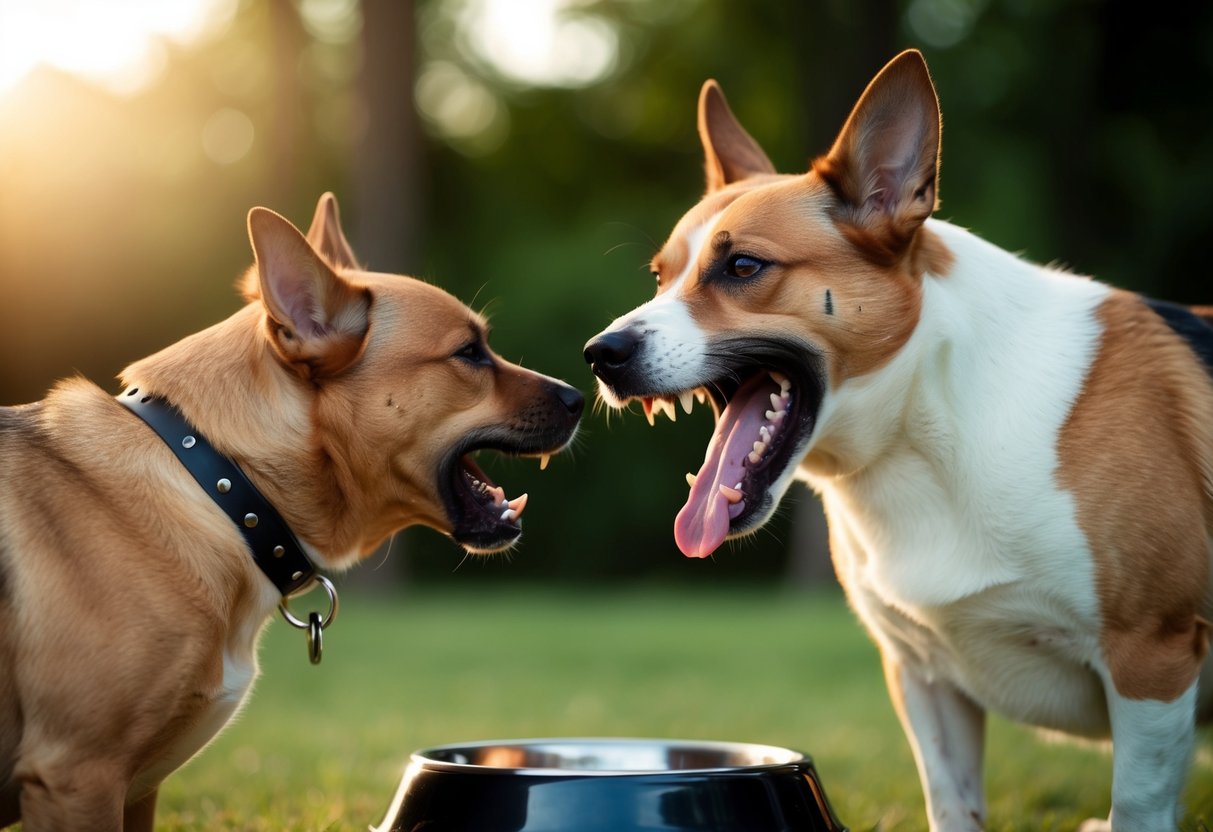
Understanding why your female dog snaps at your male dog can help you address the behavior effectively. There are several factors that contribute to snapping, including lack of socialization and underlying medical issues. Here’s a closer look at these important reasons.
Lack of Socialization
A major reason for snapping is a lack of socialization. If your female dog hasn’t had enough positive interactions with other dogs, she may feel anxious or threatened.
This can lead to aggressive behavior, like snapping. It’s essential to expose her to different environments, people, and pets.
You can take her for walks in dog-friendly areas or arrange playdates with well-mannered dogs. Positive reinforcement, such as treats and praise, can also help her learn to feel more comfortable around others.
Medical Issues Explained
Sometimes, snapping can indicate a medical issue. Pain or discomfort can cause aggressive behavior in dogs. If your dog is hurting due to an injury or health problem, she might snap out of fear or irritation.
Watch for signs like limping, changes in appetite, or unusual behavior. If you notice any of these symptoms, it’s best to consult a veterinarian.
By identifying and addressing any medical issues, you can help your dog feel better and reduce her snapping behavior.
Training and Modification Techniques
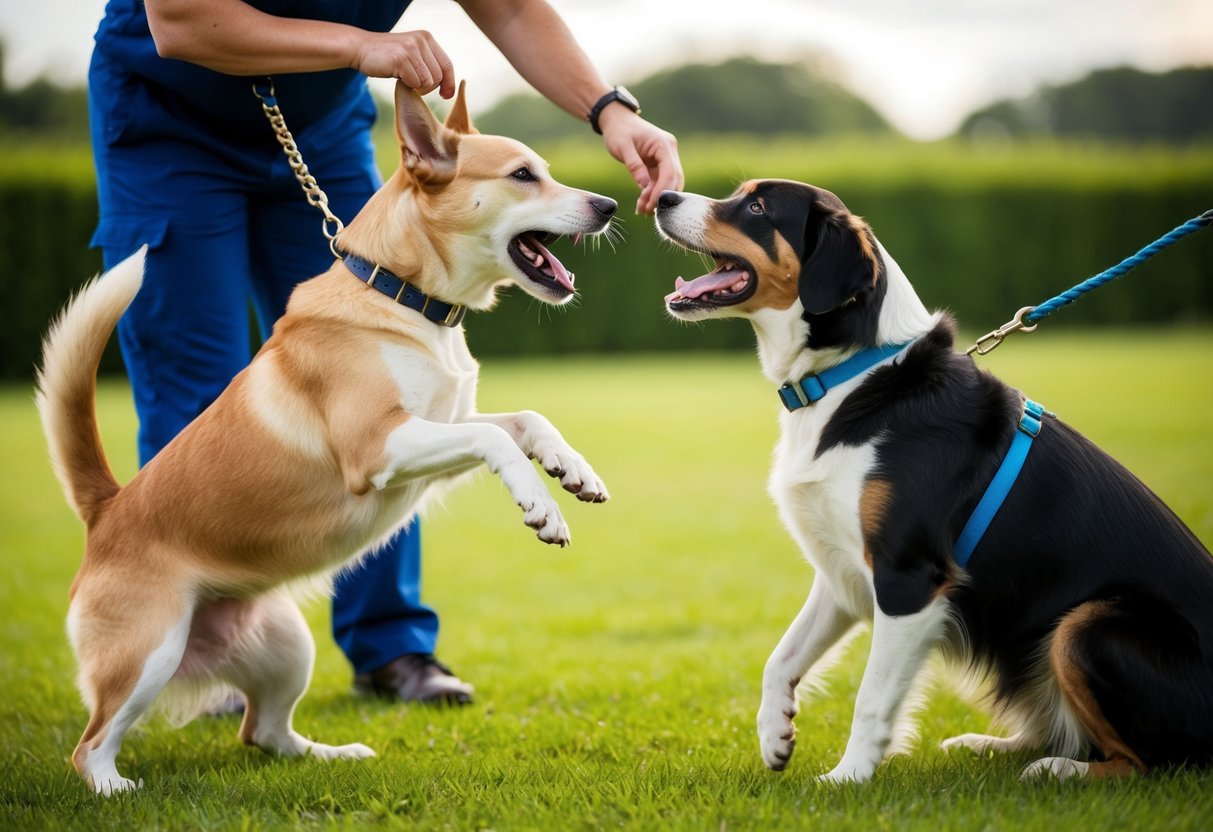
To help your female dog stop snapping at your male dog, effective training and behavior modification techniques are essential. Focusing on positive reinforcement and understanding behavior modification strategies can lead to better interactions between your pets.
Positive Reinforcement Fundamentals
Positive reinforcement training is about rewarding good behavior. When your female dog interacts calmly with the male dog, give her a treat or praise her verbally. This encourages her to repeat the desired behavior.
Here are some key points to keep in mind:
- Timing: Reward her immediately after good behavior.
- Consistency: Use the same commands and rewards to avoid confusion.
- Patience: Training takes time, so be patient and keep sessions short and fun.
Using these fundamentals will help her learn appropriate ways to interact with her companion.
Behavior Modification Strategies
Behavior modification techniques, such as desensitization, can be effective. Desensitization involves gradually exposing your dog to the situations that trigger snapping. Start with low-stress environments and slowly increase her exposure as she becomes more comfortable.
Another strategy is counterconditioning. This means changing her emotional response to another dog. Pair stressors with positive experiences like treats or playtime.
Consider these tips:
- Short Sessions: Keep training sessions brief to prevent fatigue.
- Gradual Increase: Slowly increase exposure to triggers to build confidence.
- Observe Reactions: Monitor her body language for signs of stress to adjust your approach.
These strategies will help modify her behavior over time.
When to Involve a Professional
If you notice persistent snapping or aggressive behavior, it may be time to seek help from a professional dog trainer or a canine behaviorist. They have expertise in handling complex issues and can provide personalized guidance.
Look for trainers who specialize in positive reinforcement techniques. These professionals can create a tailored training plan to suit your dog’s specific needs.
Important actions to consider:
- Initial Assessment: A trainer will evaluate your dog’s behavior to determine the best approach.
- Ongoing Support: Regular sessions with a trainer can help keep you on track.
- Behavioral Insights: Professionals can provide insights based on their experience with similar situations.
Seeking professional help can make a significant difference in solving snapping behavior.
Preventing and Managing Snapping Behavior
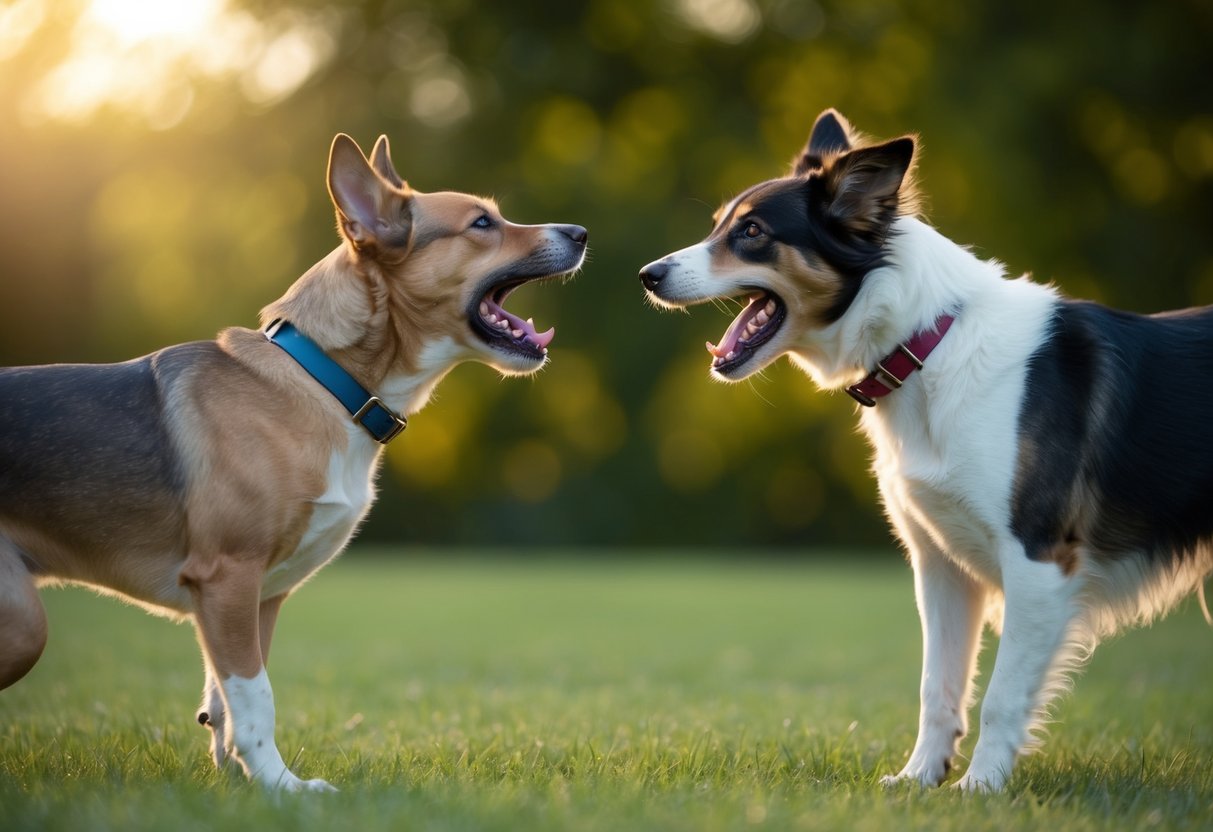
You can play an essential role in preventing and managing snapping behavior in your dogs. By focusing on daily practices and creating a supportive environment, you help ensure your female dog feels comfortable around your male dog.
Daily Practices for Prevention
Start by establishing a routine for your dogs. Consistency helps them understand expectations and reduces anxiety. Engage them in daily exercise and mental stimulation to keep their energy levels balanced.
Use positive reinforcement when your dog exhibits calm behavior around the other dog. Reward good interactions with treats or praise to encourage this behavior. If snapping does happen, avoid punishment, as it can increase fear or anxiety.
Instead, redirect their attention to a toy or command. Practicing commands like “sit” or “stay” can help reinforce good behavior. Always be patient and understanding; behavior change takes time.
Effective Punishment Alternatives
Instead of traditional punishment, focus on redirecting your dog’s behavior. When your female dog snaps, calmly intervene without yelling or expressing frustration. Use a firm but gentle voice to tell her to “leave it” or “no.”
When she responds positively, reward her immediately. This reinforces that calm behavior is what you want. You might also try using a time-out. If she continues to snap, remove her from the situation for a short period to cool down.
Avoid using physical punishment, as it can worsen snapping. Create a positive teaching environment where both dogs feel safe and secure. Your approach should always promote trust and understanding.
Creating a Supportive Environment
To ensure a positive atmosphere, give your dogs individual space. Set up separate areas where they can retreat when they feel overwhelmed. This helps in managing leash reactivity, especially during walks.
Introduce both dogs gradually and monitor their interactions closely. Supervise them during playtime and step in if you notice signs of tension. Using baby gates can help keep them apart when needed.
Enrich their environment with toys and activities that promote calm interaction. This includes puzzle toys that distract them and give them a sense of purpose. Consistently using these strategies will help your dogs feel more comfortable around each other.


