
As a proud owner of an American Bulldog, it’s important to be aware of the health challenges that may come with the breed. American Bulldogs are prone to health issues like hip dysplasia, skin problems, obesity, and respiratory concerns. Recognizing these conditions early can make a significant difference in your dog’s quality of life.
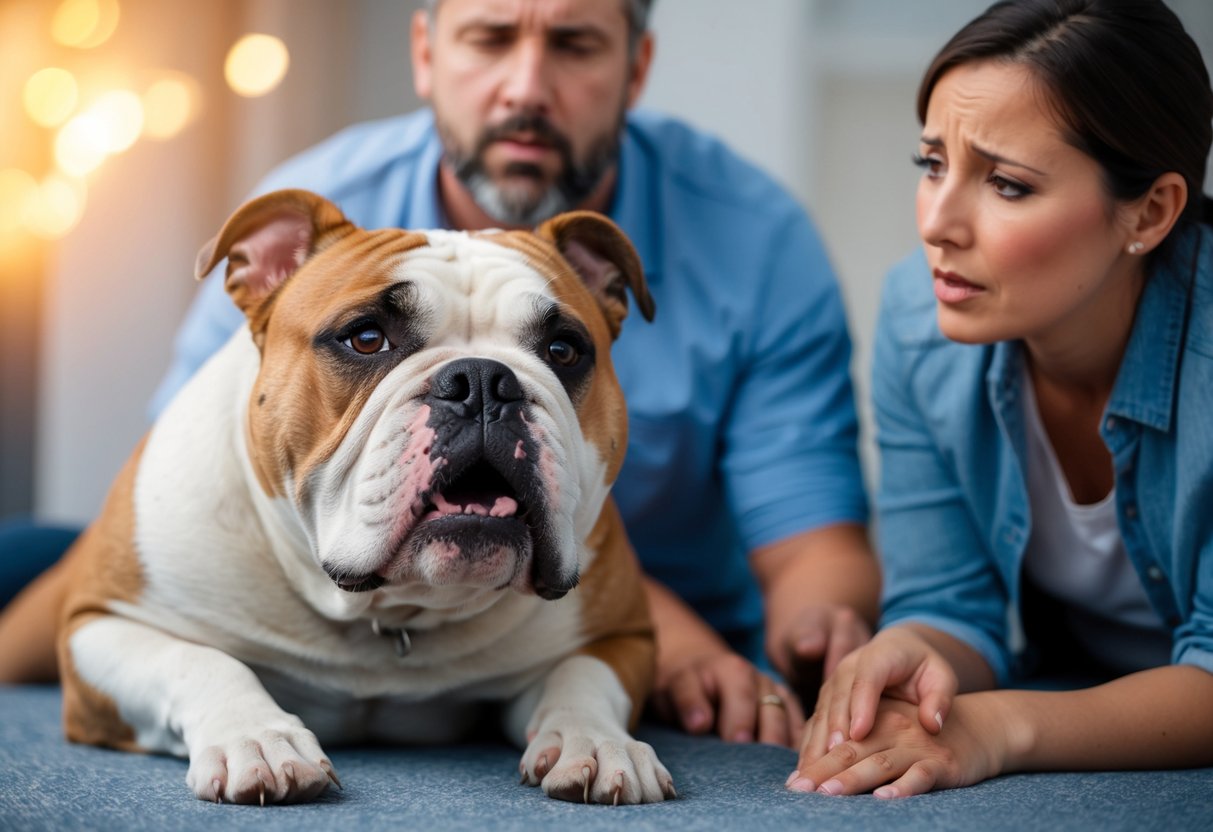
Symptoms can vary, ranging from difficulty in walking to excessive scratching and weight gain. Keeping an eye on your furry friend’s behavior and physical condition will help you catch any potential health problems early on. With the right care and attention, you can help your American Bulldog live a happy and healthy life.
Understanding these common complications allows you to advocate better for your pet’s health. Being informed means you can seek veterinary advice at the right time and ensure your bulldog stays active and enjoys their days to the fullest.
Understanding American Bulldogs’ Health
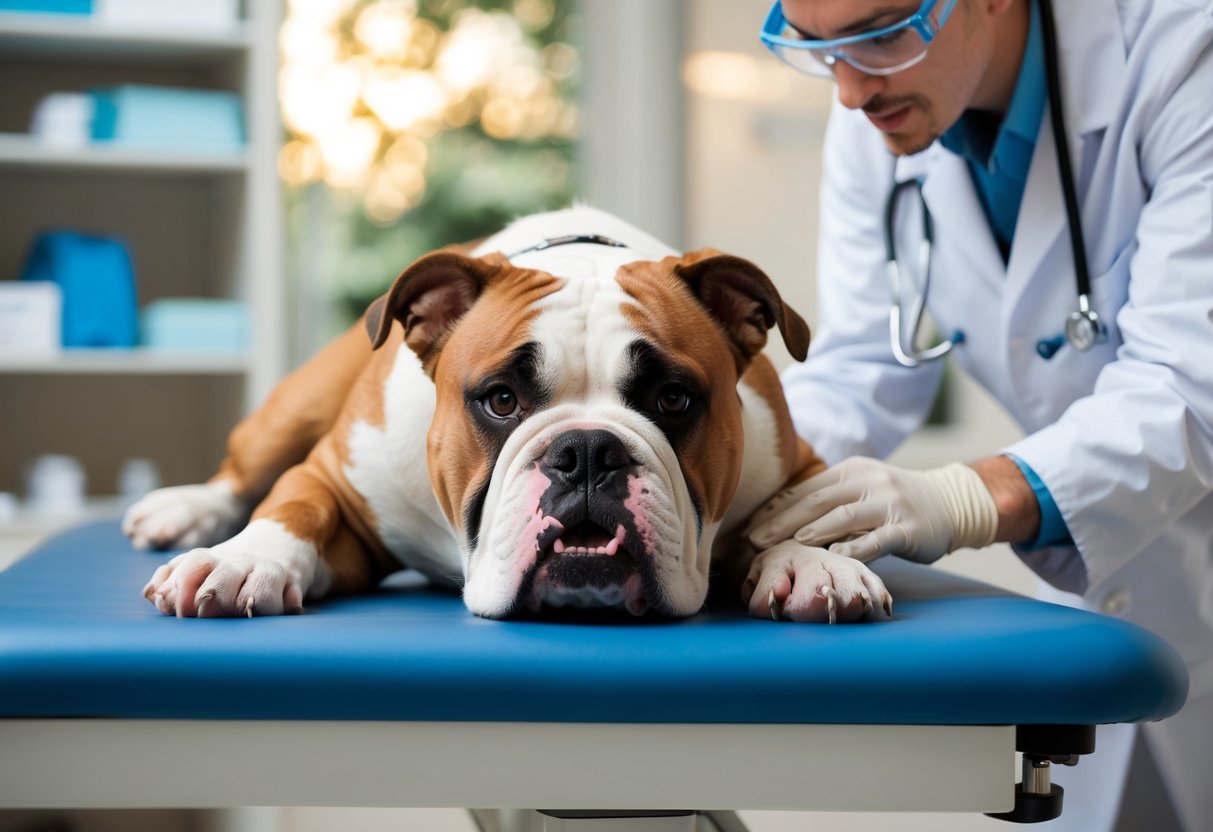
Caring for an American Bulldog involves knowing their health challenges. Being aware of common health issues, genetic factors, and preventive measures can help you keep your furry friend healthy and happy.
Common Health Issues and Symptoms
American Bulldogs can face several health problems. Some of the most common include:
- Hip Dysplasia: A genetic condition where the hip joint doesn’t fit properly.
- Elbow Dysplasia: Similar to hip dysplasia, affecting the elbow joint.
- Allergies: These can be environmental or food-related, leading to itching and irritation.
- Obesity: Extra weight can lead to joint problems and other health issues.
- Arthritis: Common in older Bulldogs, causing pain and mobility issues.
- Cherry Eye and Entropion: These affect vision and comfort.
- Cancer and Heart Disease: Serious concerns as Bulldogs age.
- Skin Problems, Ear Infections, and Respiratory Issues are also frequent.
It’s essential to notice symptoms like limping, excessive scratching, or unusual lethargy. Regular check-ups with your vet can help identify these concerns early.
Genetic and Environmental Factors
Genetics play a significant role in the health of American Bulldogs. Many health issues are inherited from their lineage. Conditions like Neuronal Ceroid Lipofuscinosis, a severe neurological disorder, can come from genetic background.
Environmental factors also affect their health. Exposure to irritants or allergens in the home, like dust or pollen, can lead to issues such as allergies and skin irritation. Ensure your dog’s environment is clean and free of toxins.
Provide a balanced diet to manage obesity risks, which can stem from both genetic predisposition and lifestyle. Both genetics and environment can impact your Bulldog’s overall well-being.
Proactive Measures for Prevention
Prevention is key to a healthy American Bulldog. Here are some steps you can take:
- Regular Veterinary Check-Ups: These help spot potential issues early on.
- Proper Nutrition: Feed your dog a balanced diet to maintain a healthy weight.
- Regular Grooming: This keeps their skin healthy and helps prevent infections.
- Exercise: Ensure your bulldog gets adequate daily exercise to maintain a healthy weight and muscle tone.
- Weight Management: Regularly monitor your dog’s weight to avoid obesity.
- Mental Stimulation: Engage them with toys and activities to keep their mind sharp.
Taking these proactive measures can help minimize the risk of health issues in your American Bulldog.
Diet and Exercise Essentials

Taking care of your American Bulldog’s diet and exercise is crucial for their health and well-being. Proper nutrition and regular physical activity can help prevent obesity and related health issues, ensuring they stay active and happy.
Balancing Your Bulldog’s Diet
A balanced diet is vital for your American Bulldog. Focus on high-quality dog food that provides the necessary nutrients like proteins, carbohydrates, fats, vitamins, and minerals. Look for foods rich in protein to support their muscular build.
Be mindful of portion sizes to avoid obesity. Consult with your vet to determine the right amount of food based on your dog’s weight and activity levels. Remember to monitor for any food allergies. Common signs include itching or digestive issues. If you notice these, discuss alternative diets with your vet.
You can also include healthy treats in moderation, like fruits and vegetables. Just avoid toxic foods, such as chocolate or grapes, which can be harmful.
Importance of Physical Activity
Regular exercise is essential for your American Bulldog to maintain a healthy weight and prevent joint problems. Aim for at least 1 to 2 hours of physical activity each day. This can include walks, playtime, or structured exercise like agility training.
Low-impact exercises, such as swimming, are great options to build muscle without stressing their joints. Daily walks of 30 to 45 minutes can help your dog burn off energy and keep their weight in check.
Incorporate different activities to keep things interesting for your Bulldog. Interactive games and fetch can stimulate both their body and mind. Always pay attention to their energy levels and adjust the intensity as needed. Keeping your Bulldog active fosters long-term health and happiness.
American Bulldog Health Management
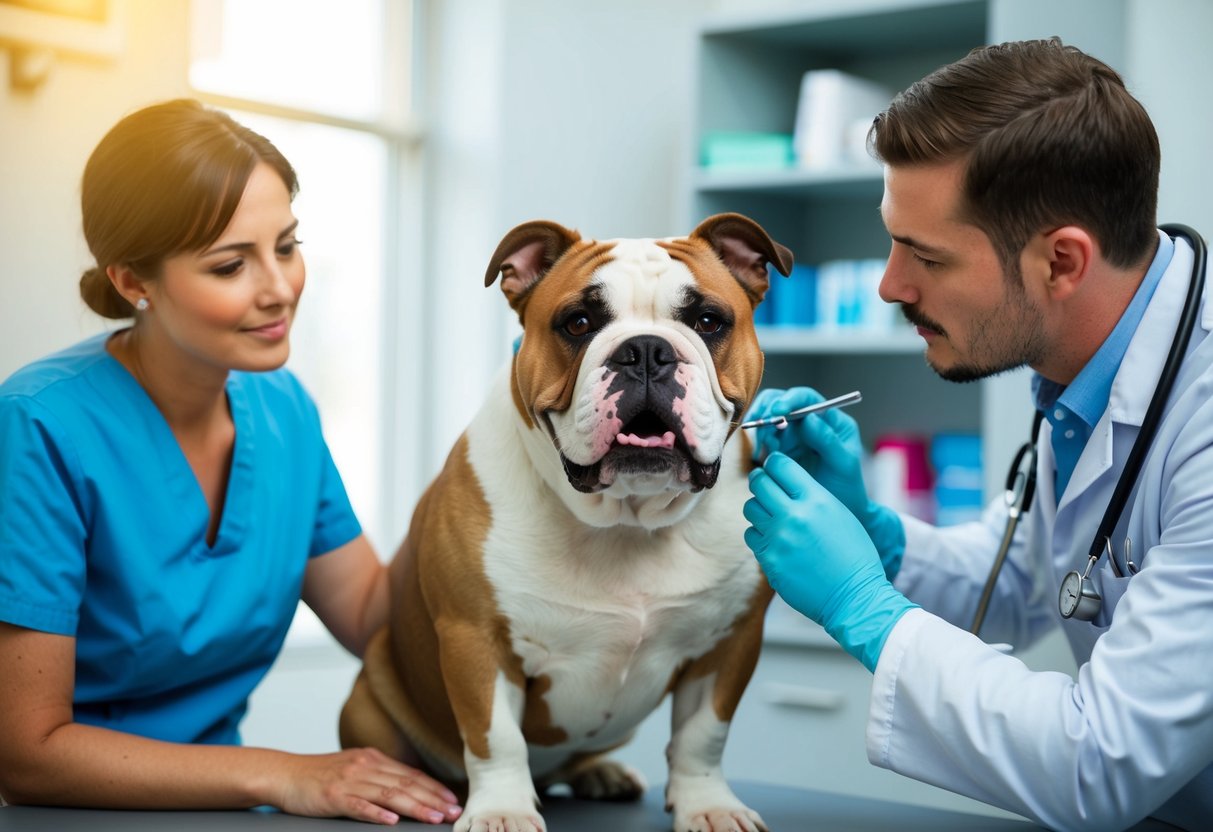
Taking care of your American Bulldog involves regular veterinary check-ups and awareness of potential health issues. Understanding treatment options can help manage any complications that arise. Here are important aspects of health management for your furry friend.
Treatment Options
When health issues arise, having a plan is key. Treatment options will often include medications prescribed by your veterinarian. These may be used for conditions like skin allergies or respiratory issues. For more severe problems, surgical interventions might be necessary.
Make sure to discuss all available options with your vet. They will guide you in choosing the best course of action tailored to your dog’s needs. Regular veterinary care ensures any health risks are caught early, increasing the chances of successful management.
Smoothing Out Dermatological Issues
Skin issues are common in American Bulldogs, often due to allergies or sensitivities. Regular allergy testing can help identify specific triggers.
You might notice your dog developing conditions like dermatitis or unsightly hot spots. Treatments often include prescribed medications and topical creams to relieve itching. For persistent cases, consider supplements that improve skin health.
Maintaining your dog’s coat with regular grooming also helps. Use gentle shampoos to prevent skin irritation. Monitor your dog’s skin closely and consult your vet if you see any signs of distress.
Addressing Respiratory and Eye Conditions
Your American Bulldog may face specific respiratory issues, especially if they have a brachycephalic face. Conditions like Brachycephalic Airway Syndrome can lead to breathing difficulties, so keep an eye out for any signs of struggle.
In these situations, veterinary care is crucial. Your dog may need medications or even surgery to improve their breathing.
Additionally, watch for eye conditions such as cherry eye or entropion. These can be uncomfortable and might need surgical intervention to correct.
Proper dental care and maintaining a healthy weight can also support overall respiratory health. Keeping your dog fit may lessen the severity of any existing conditions.
Regular check-ups will ensure your dog remains happy and healthy.


