
It’s natural to worry about your dog’s behavior and wonder if they might someday turn on you. While most dogs are loyal and loving companions, they can display aggressive behavior under certain conditions, such as stress, fear, or health issues. Understanding these factors can help you strengthen your bond and keep both you and your pet safe.

Dogs communicate in various ways, and sometimes growling or snapping may signal their discomfort or need for space. By recognizing the signs, you can prevent situations that could lead to misunderstandings. It’s all about being aware of their body language and triggers.
As a responsible dog owner, knowing how to read your dog’s cues is vital. This knowledge not only helps you avoid potential issues but also enhances your relationship, ensuring a happy and safe environment for both of you.
Understanding Dog Behavior

To keep a harmonious relationship with your dog, it helps to understand their behavior. Dogs communicate through body language and sounds, and knowing these signs can help you respond appropriately. Additionally, recognizing how socialization impacts their behavior and how stress or fear can trigger aggressive reactions is vital for preventing issues.
Body Language and Vocalization
Your dog uses body language to express feelings. Pay attention to their tail position. A wagging tail generally indicates happiness, while a tucked tail may signal fear.
Look at their ears too. Erect ears can mean attentiveness or excitement, while flat ears suggest submission or anxiety.
Vocalizations also play a key role. Barking can indicate excitement, alertness, or a warning, while growling or snarling often signals discomfort or aggression. Learn to interpret these cues to better understand your dog’s mood.
The Role of Socialization
Socialization is crucial for your dog’s behavior. Early interactions with various people, animals, and environments help them develop confidence and good manners. A well-socialized dog is less likely to show aggressive behavior when faced with new experiences.
If your dog misses crucial socialization periods, they might react fearfully or aggressively in unfamiliar situations. Regular socialization can also enhance their adaptability and reduce anxiety during outings.
Engaging in puppy classes or setting up playdates can provide valuable opportunities for your dog to learn how to interact appropriately with others.
Stress, Fear, and the Fight or Flight Response
Stress and fear can provoke the fight or flight response in dogs. When they feel threatened, they might choose to fight, which can lead to biting or aggressive behavior.
Recognizing stress triggers is essential. Environmental changes, loud noises, or unfamiliar faces can induce fear. Be aware of your dog’s signs of stress. This includes pacing, panting, or retreating.
When stressed, some dogs may also display behaviors like growling or showing their teeth. Understand these signals and provide a safe space for your dog to calm down. This can help reduce their anxiety and prevent aggressive reactions.
Causes of Aggression in Dogs

Understanding why aggression occurs in dogs can help you identify and address issues early. Several factors contribute to this behavior, including medical conditions and specific triggers based on their environment or past experiences.
Medical Issues Contributing to Aggression
Your dog’s aggression might be linked to underlying medical issues. Conditions such as pain or injury can cause a normally friendly dog to bite or growl. Always assess your pet for signs of discomfort.
Canine Cognitive Dysfunction is another concern, especially in older dogs. This condition can lead to confusion and anxiety, resulting in unexpected aggression. Regular veterinary checkups can help catch these issues early.
Infections or illnesses can also change your dog’s behavior. For example, a dog with a fever may be easily agitated. If you notice sudden aggression, consult your veterinarian to rule out any medical problems.
Behavioral Indicators and Triggers
Aside from medical issues, certain behaviors and situations can trigger aggression in dogs. Resource guarding is a common behavior where a dog protects food, toys, or space. This can lead to aggression when someone approaches what they perceive as theirs.
Aggression towards people can occur due to fear or anxiety, especially if a dog feels threatened. Sudden noises or unfamiliar guests can easily frighten them.
Redirected aggression is another important term. This happens when your dog is agitated by a situation but cannot reach the source of their anger. Instead, they may lash out at you or another pet nearby. Recognizing these signs and managing your dog’s environment can help prevent aggressive incidents.
Training and Behavior Modification
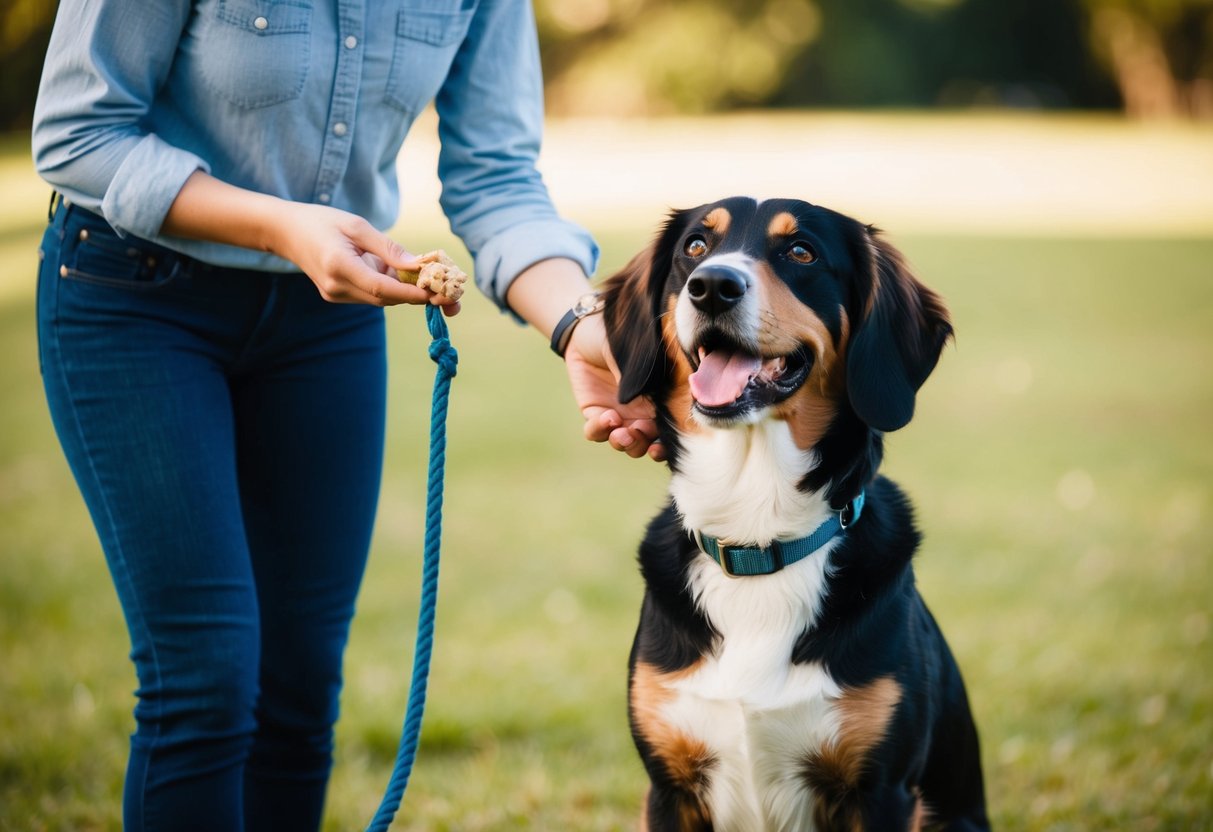
Training and behavior modification are essential for fostering a positive relationship with your dog. By using the right techniques, you can help address any behaviors that cause concern. This section explores effective training methods and the option of seeking professional help.
Establishing the Right Training Approach
When training your dog, consistency is key. Use positive reinforcement techniques, like treats and praise, to encourage desired behaviors. This helps build your dog’s confidence and strengthens your bond.
Start by identifying specific behaviors you want to change. For instance, if your dog shows fear, focus on desensitization exercises. Gradually expose your dog to the source of their anxiety in controlled steps. This helps them learn to cope better over time.
Additionally, consider incorporating basic obedience training into your routine. Teaching commands like sit, stay, and come can provide structure. This makes it easier for your dog to feel secure and understand expectations.
Professional Intervention and Support
Sometimes, you may need extra help. A veterinary behaviorist can provide guidance tailored to your dog’s specific needs. They can evaluate your dog’s behavior and recommend a personalized training plan.
In some cases, behavioral medication may also be suggested. Canine anxiety medication can help reduce stress for your dog while you work on training solutions. It’s crucial to follow professional advice closely to ensure safety and effectiveness.
Remember, seeking support isn’t a sign of failure. It’s a proactive step towards a healthier relationship with your dog. Don’t hesitate to reach out if you’re feeling overwhelmed. With the right approach and support, you can make meaningful progress.
Choosing the Right Companion

Selecting the right dog breed is crucial for a happy relationship with your pet. Understanding breed temperament and doing thorough research on different breeds can help you avoid potential behavior issues.
Breed Temperament and Aggression
Different dog breeds have unique temperaments. Some breeds are more prone to aggression, while others are known for their friendly nature. For instance, breeds like Labradors and Golden Retrievers are typically gentle and good with families.
On the other hand, breeds like Rottweilers or Chihuahuas can display behaviors like conflict aggression, especially if not socialized properly. Dogs may act out by lunging or snapping if they feel threatened or scared.
Understanding these breed traits can help you choose a dog that fits well with your lifestyle and reduces the chances of conflict behaviors.
Importance of Breed Research
When you’re thinking about getting a dog, make sure to do your research. Look into the specific needs and characteristics of the breed you’re considering. Some dogs require a lot of exercise, while others can be more laid back.
Read about potential behavior issues that certain breeds might face. Breeds that are not well-matched to your home life may experience stress, leading to problems like barking, chewing, or skittishness.
You can utilize resources like breed-specific websites or consult with local shelters to gain better insight. Knowledge and understanding will help you build a lasting and positive relationship with your companion.


