
When it comes to dogs, some breeds have a stronger tendency to run away than others. Certain breeds, like the Siberian Husky, are known for their adventurous spirit and are among the most likely to wander off. If you’ve ever wondered which dog breeds have the greatest urge to explore and escape, you’re not alone.
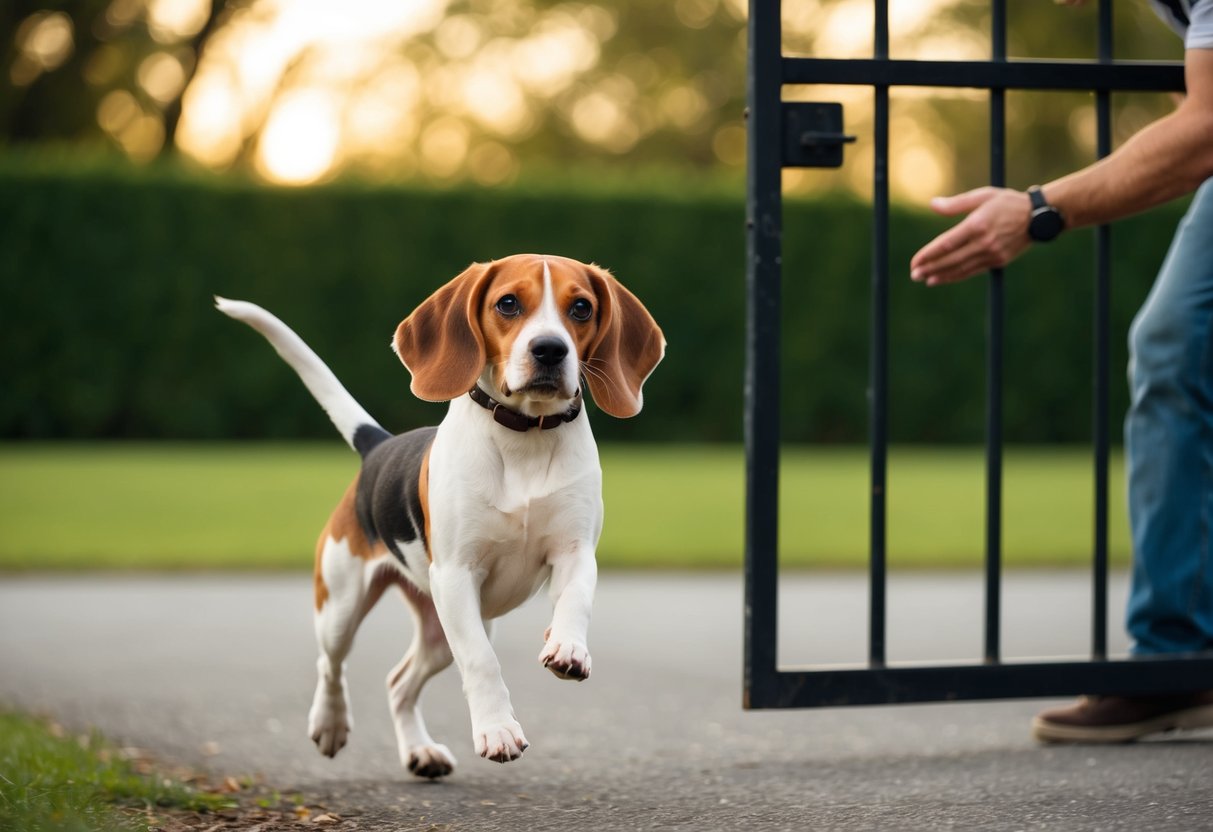
Understanding these tendencies can help you keep your furry friend safe and content at home. You might be surprised by which breeds top the list and why their natural instincts lead them to roam. This knowledge can guide your choice if you’re considering adding a new dog to your family or help you manage the behavior of your current pet.
Join us as we dive into the world of dog breeds that run away the most. You’ll learn about their characteristics and what you can do to ensure your dog stays close to home.
Understanding the Canine Urge to Escape
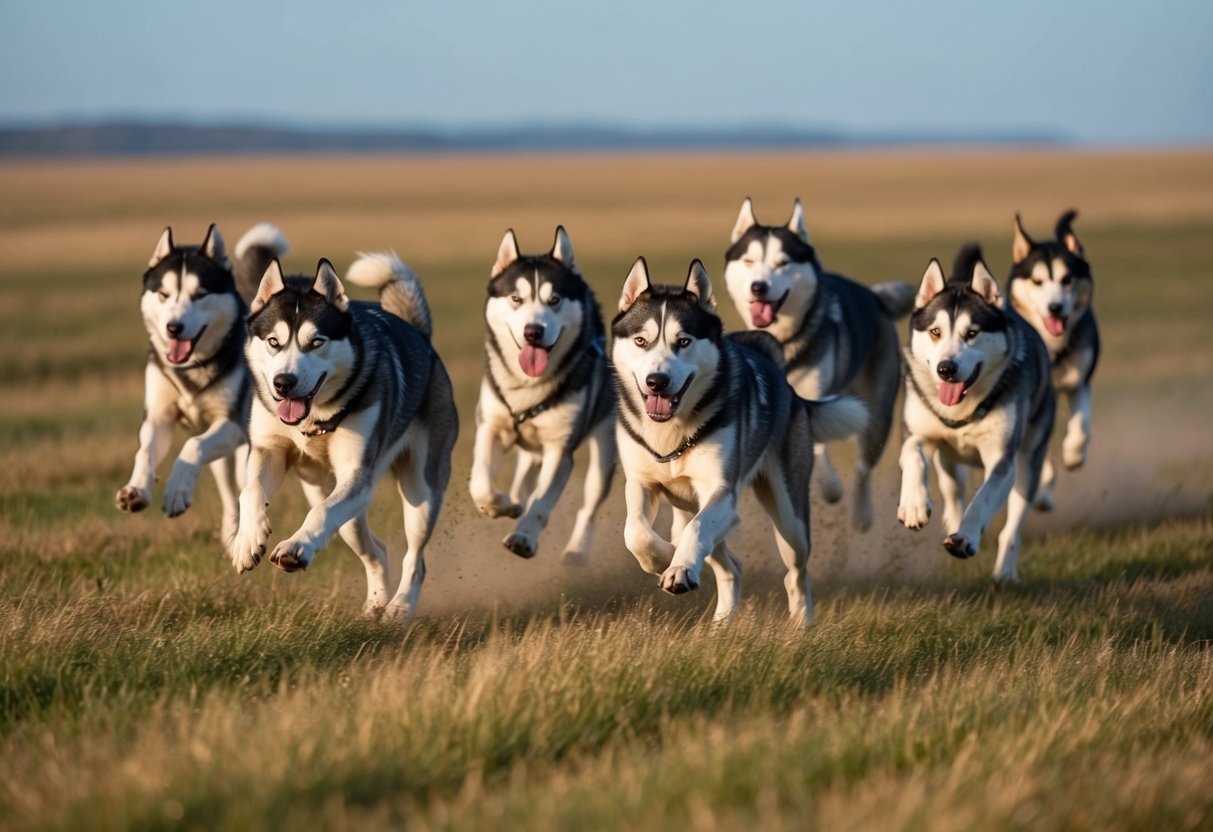
Dogs often have strong instincts and energies that can lead to a desire to explore beyond your yard. Understanding these factors can help you prevent your pet from becoming an escape artist. Here’s a closer look at why some breeds are more prone to running away.
The Role of Breed Traits and Instincts
Certain breeds are known for their specific traits and instincts that make them more prone to escaping. For example, the Siberian Husky has a history as a working dog in harsh climates. They are highly energetic and curious, which drives their need to wander.
Breeds like the Border Collie and Belgian Malinois also have strong prey drives. This instinct can lead them to chase after small animals or interesting scents. The Jack Russell Terrier is another breed with a strong hunting instinct. Their determination and agility make them skilled at finding ways to escape.
The Importance of Mental Stimulation and Exercise
Providing proper mental stimulation and exercise is key to keeping your dog satisfied at home. Dogs with high energy levels, like the German Shepherd, need regular activity to prevent boredom. Without ongoing stimulation, they may look for ways to entertain themselves, which can result in escaping.
Activities such as playing fetch, going for long walks, or engaging in agility training can help. Interactive toys and training sessions also keep your dog’s mind occupied. When your pet feels stimulated and tired, they are less likely to attempt to wander off.
Common Escape Artist Breeds
Certain breeds are notorious for being escape artists. Siberian Huskies are often first on the list due to their cleverness and desire to run. Border Collies and German Shepherds follow closely behind. Their intelligence and energy levels can make it difficult to keep them contained, especially if they are not adequately exercised.
Jack Russell Terriers are also known for their persistence. They can squeeze through small gaps, making them skilled at getting away. The Belgian Malinois is another breed that’s prone to exploring, needing a dedicated handler to keep them engaged. Understanding these traits helps you take steps to prevent escapes before they occur.
Prevention and Safety Measures
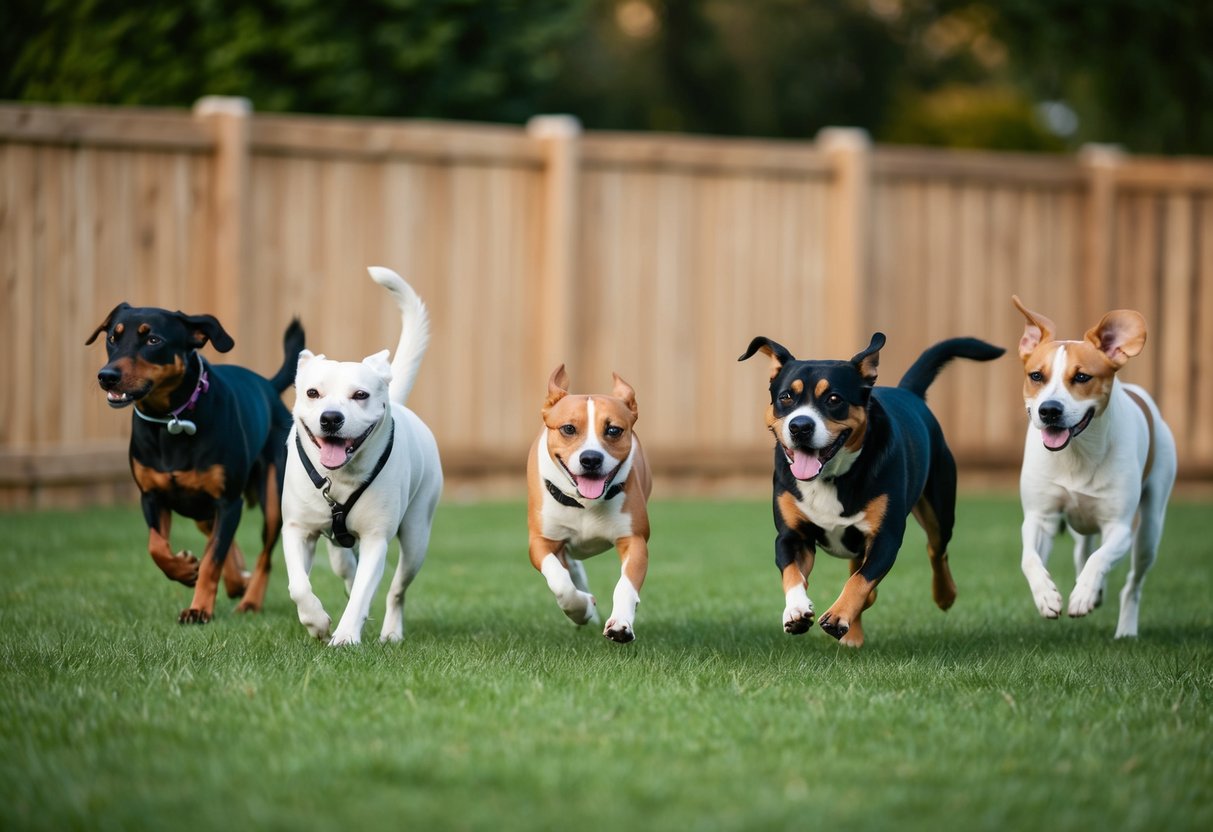
Keeping your dog safe from running away involves both training and creating a secure environment. These steps can help you minimize the chances of your dog escaping and ensure they stay happy and safe.
Training Strategies to Discourage Running Away
Effective training can be a game changer in preventing your dog from wandering off. Start with basic commands like “come,” “stay,” and “leave it.” Consistent practice will reinforce obedience.
Use positive reinforcement to reward your dog for good behavior. Treats, praises, or playtime can motivate them to stay close to you.
Socialization is also important. Expose your dog to various environments, people, and other pets. A well-adjusted dog is less likely to feel the need to escape.
Consider using a long leash during outdoor activities. This allows your dog to explore while maintaining control. Remember, mental stimulation through play and training can keep your dog engaged and less likely to seek adventure outside.
Creating a Secure Environment for Your Dog
Designing a safe space for your dog is essential to preventing escapes. First, invest in secure fencing. Make sure your yard is well-fenced and check for holes or gaps where your dog could escape.
Secure fencing should be tall enough to prevent jumping. Adding a barrier at the top can help deter climbers.
Also, ensure your dog cannot dig under the fence. You might bury the bottom of the fence a few inches underground or lay concrete blocks to prevent digging.
Keep your home doors and gates closed and locked whenever possible. Use baby gates for indoor spaces to limit access. With these measures, you create a safe haven that minimizes escape opportunities while keeping your furry friend happy.
Challenges with Specific Breeds
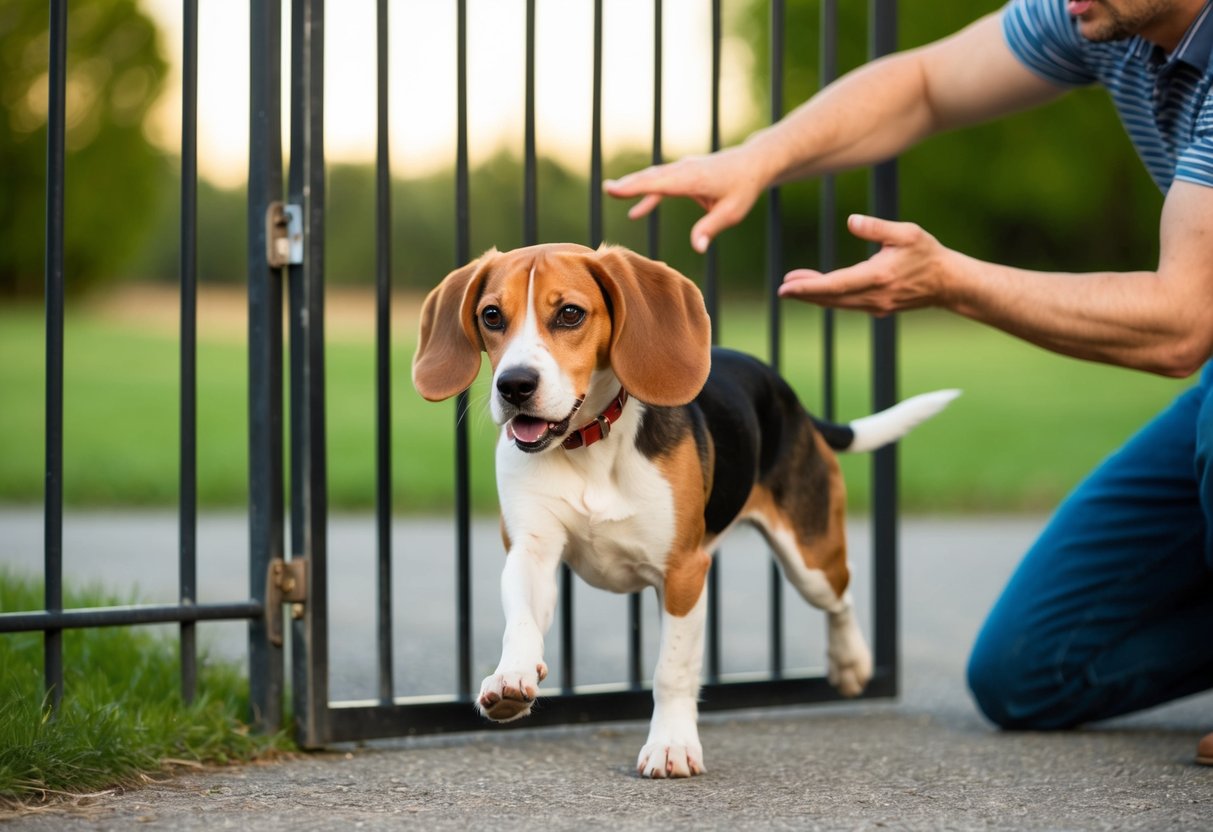
Certain dog breeds come with unique challenges that can lead them to run away. Understanding these traits will help you manage their behavior effectively. This section focuses on the traits of certain breeds that make them prone to wandering and how you can address these issues.
Dealing with Hounds and Their Hunting Drive
Hounds like the Coonhound, Bloodhound, and Beagle are known for their strong hunting instincts. Their keen sense of smell drives them to explore, often leading to escapes.
To manage their hunting drive, ensure that your yard is secure. Consider using a tall fence and monitoring them during outdoor time. Engage their minds with interactive toys and regular exercise to reduce their urge to chase after scents. Training is also essential. Use positive reinforcement for recalling them when they wander.
The Independent Nature of Nordic Breeds
Breeds such as the Alaskan Malamute and Siberian Husky are known for their independent spirits. They were bred for strength and stamina in harsh conditions, which can make them seem aloof. This independence can lead to a desire to roam.
To keep these dogs at home, establish a strong bond through daily exercise and mental challenges. Training should focus on commands and consistency. Remember, these dogs are smart and need stimulation. Enrichment activities, like agility courses or toys that require problem-solving, can help keep them engaged and less likely to wander.
Managing Breeds Prone to Separation Anxiety
Some dogs, especially those with separation anxiety, may run away when left alone. Breeds such as the Greyhound can develop strong attachments to their owners, leading to anxiety when separated.
To help manage this, create a comforting environment. Gradually train your dog to be alone by starting with short departures. Provide interactive toys to keep them busy. Consider a buddy system with another pet if possible.
Regular exercise can also help reduce anxiety. Keeping their mind and body occupied decreases the chances of them running off in search of companionship.


