
If you want to help your boxer dog become more muscular, there are a few key strategies to consider. A high-protein diet paired with regular exercise can effectively build muscle mass in your pet.
Keeping your dog active through activities like swimming, running, and playtime will not only strengthen their muscles but also keep them healthy and happy.
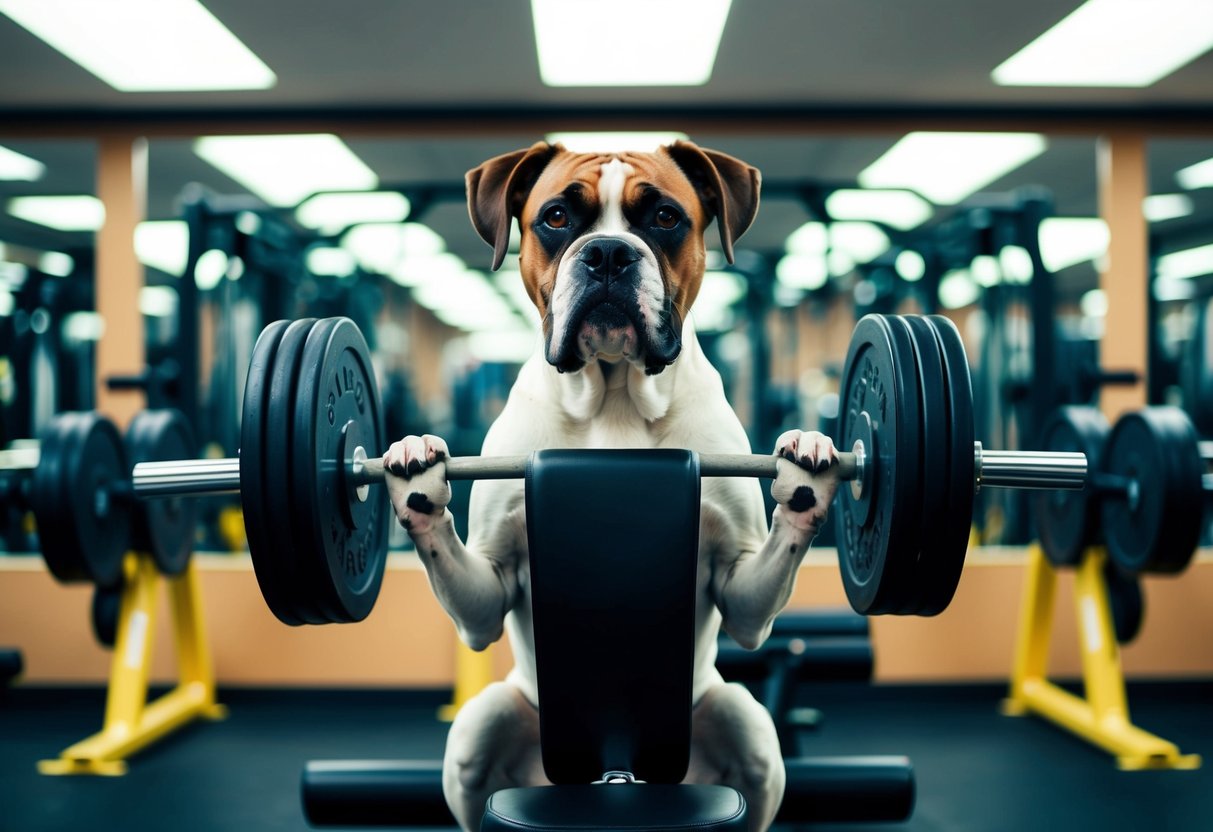
Boxers are naturally athletic, so with the right approach, you can enhance their muscle definition. Incorporating strength-building exercises, like resistance work, can have a great impact as well.
Remember to make every workout enjoyable, as a happy dog will be more motivated.
Monitoring your dog’s progress is important. You can track changes in their muscle tone and overall fitness to ensure they are on the right path. With dedication and care, you can help your boxer build the muscle they need to thrive.
Understanding Boxer Dog Health and Fitness

To keep your Boxer dog muscular, it’s essential to focus on a combination of a well-balanced diet and the right supplements. These factors play a significant role in your dog’s overall health and fitness, contributing to their muscle development.
The Importance of a Well-Balanced Diet
A well-balanced diet is crucial for your Boxer’s muscle growth and health. Opt for premium dog food that lists high-quality protein as the first ingredient.
Protein is vital for building and repairing muscles. Look for foods that are rich in essential vitamins and minerals.
Include ingredients like chicken, beef, and fish, which provide the necessary amino acids. Don’t forget healthy fats, as they offer energy and support a shiny coat.
A balanced diet should also contain carbohydrates for energy and fiber for digestion.
Consider adding fruits and vegetables for extra vitamins. Always consult with your vet to choose the best diet plan for your Boxer’s specific needs. Regular feeding schedules can help maintain their energy levels.
Role of Supplements in Muscle Building
In addition to a balanced diet, supplements can support your Boxer’s muscle building. Some helpful options include protein powders specifically designed for dogs. These can help enhance their muscle mass when combined with exercise.
Omega-3 fatty acids can also be beneficial. They support joint health and reduce inflammation, allowing your dog to move freely while exercising.
Look for supplements rich in glucosamine and chondroitin to promote joint health.
Always use supplements under the guidance of a veterinarian. They can recommend the right types and dosages for your Boxer. Monitoring your dog’s response to any new supplements is key to ensuring their health.
Exercise Essentials for Boxers
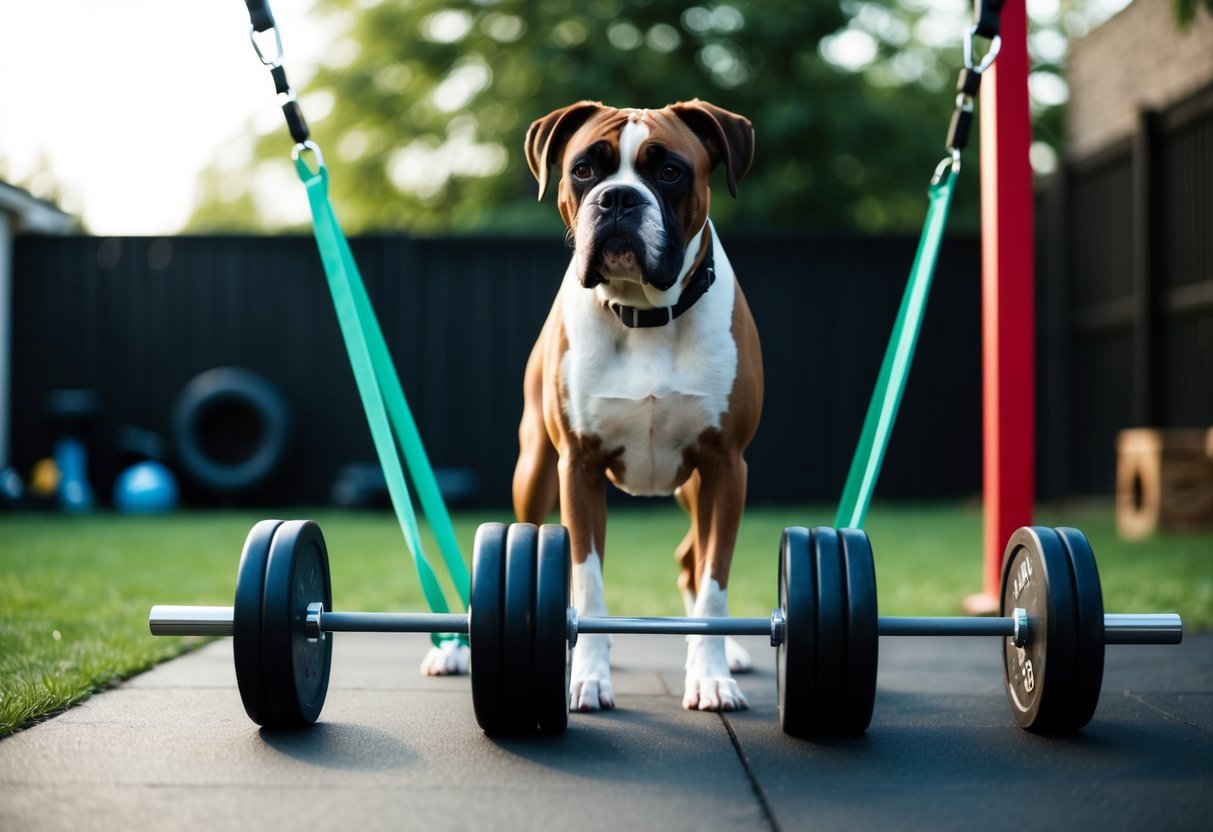
To keep your Boxer strong and muscular, a proper exercise routine is essential. Focus on daily activities that balance physical strength, agility, and mental stimulation. This will help your dog build muscle effectively and maintain a healthy energy level.
Creating a Daily Exercise Routine
Your Boxer needs a consistent daily exercise routine to thrive. Aim for at least 60 minutes of physical activity each day. This can include walking, running, or playing fetch. Boxers are high-energy dogs, so a mix of activities is important.
Consider setting a schedule. For example, take your dog for a morning walk, followed by some playtime in the afternoon. Treadmills can also be useful for indoor exercise on rainy days.
Make sure to gradually increase the intensity to prevent fatigue and injuries.
Strength and Agility Training
Incorporate strength training and agility exercises into your routine. Weight pulling is a great way to build muscle mass. You can find harnesses designed for this purpose. Start with light weights and slowly increase as your Boxer gains strength.
Agility training should involve obstacles like jumps or tunnels. This not only builds muscle but also improves coordination and balance.
It’s a fun way to keep your Boxer engaged and healthy. Remember to pay close attention to your dog’s limits to avoid overexertion.
Integrating Mental Stimulation
Don’t forget the importance of mental stimulation in your Boxer’s exercise routine. Puzzle toys and training sessions can help keep your dog mentally sharp.
Teach new commands or tricks to challenge your Boxer’s mind.
Mixing mental tasks with physical activities, like hide and seek, can keep things interesting. Your Boxer will enjoy the variety, and it promotes a well-rounded exercise routine.
Engaged dogs tend to be happier and better behaved, so prioritize these brain exercises alongside their physical workouts.
Specialized Nutrition for Muscle Development
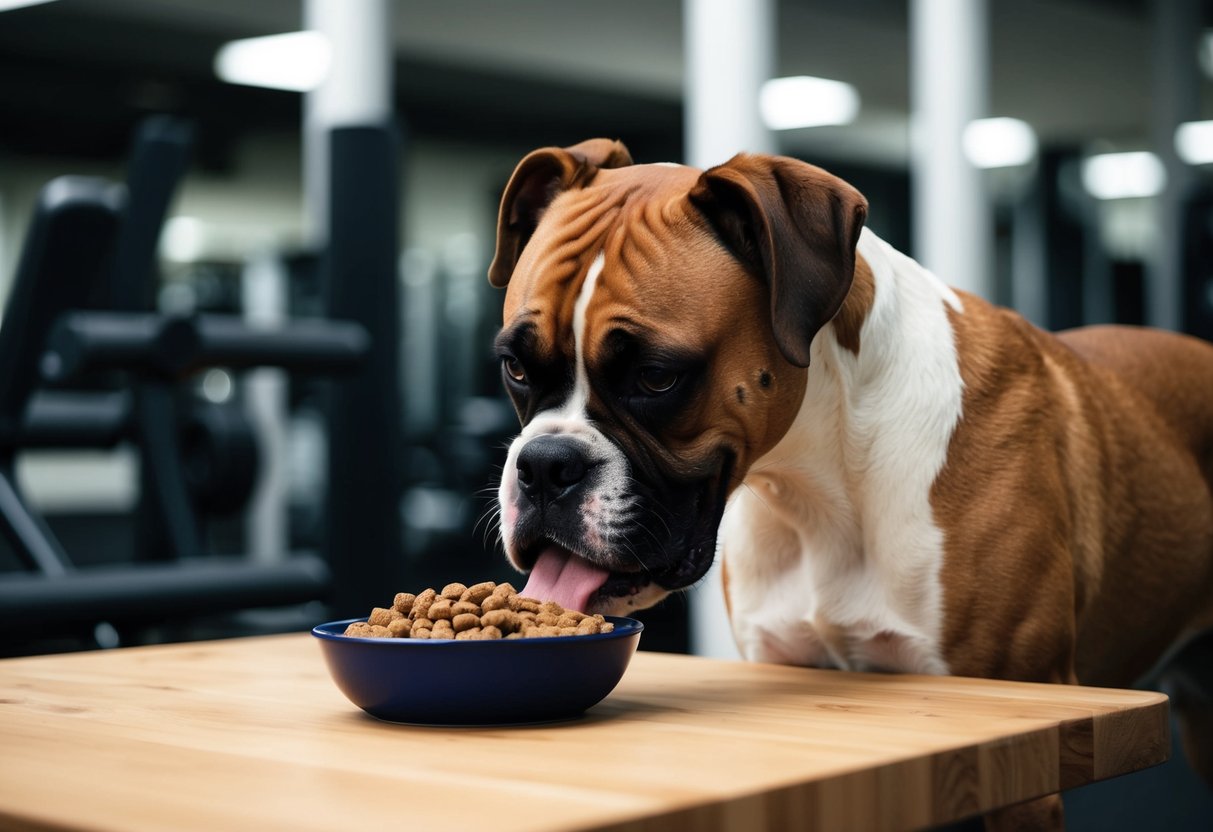
Proper nutrition is key to helping your Boxer gain muscle mass. Focusing on specific nutrients can significantly enhance their energy levels and overall muscle development. Here are important tips to consider for effective nutrition.
Evaluating Dog Food for Muscle Growth
When choosing dog food for your Boxer, look for high-quality proteins like chicken, beef, or fish as the main ingredient. Proteins are essential for muscle growth and repair. Aim for food with at least 20-30% protein content.
In addition, select options that include healthy fats, such as fish oil, which support energy levels and aid in muscle recovery. Ingredients like sweet potatoes provide carbohydrates, giving your dog the energy they need for their high-energy lifestyle.
Don’t forget to check for added vitamins and minerals, as these help in overall health and muscle function. If needed, consider supplements like amino acids or omega fatty acids to boost muscle growth further.
Tracking Progress and Maintaining Results
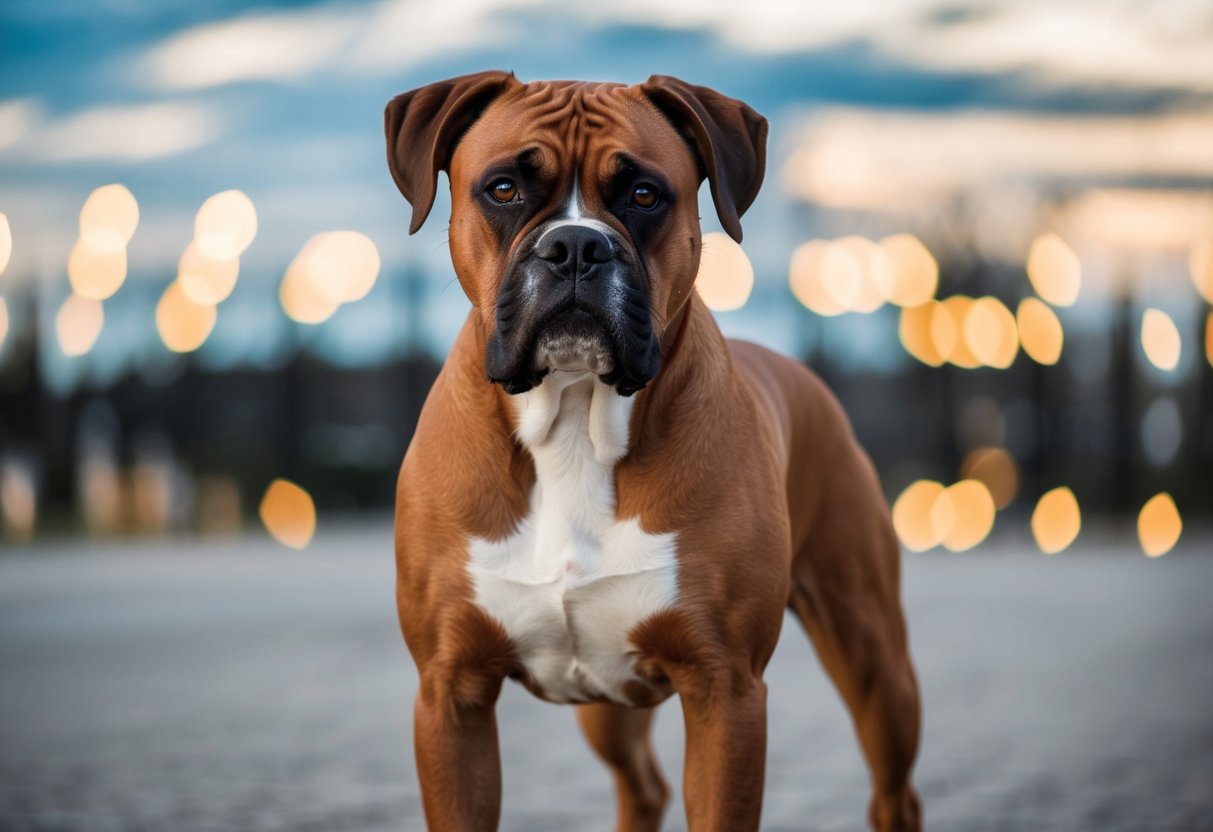
To help your boxer dog gain muscle mass and improve performance, it’s vital to track progress and emphasize rest and recovery. Staying aware of how your dog is responding to their fitness regimen will guide your training and help maintain results.
The Role of Rest and Recovery
Rest and recovery are essential for building muscle in your boxer. Just like people, dogs need time to heal and grow stronger.
When your dog engages in exercises, their muscles sustain tiny tears, which is a normal part of muscle building.
To promote muscle growth, aim for 1-2 rest days each week. On these days, engage in light activity, like walking or gentle play, to keep them active without overexerting them.
Make sure your dog gets plenty of sleep. Proper sleep helps repair muscles and sustain overall fitness.
Also, pay attention to your dog’s diet. A balanced diet rich in protein supports muscle recovery.
Providing high-quality dog food and considering supplements can enhance their fitness regimen. Keeping a close eye on your dog’s weight and muscle definition will also help you adjust their training as needed.


