
If you’re considering adding a dog to your family, you might be wondering about the right breed, especially if you have children. Boxers are known for their playful and affectionate nature, making them a popular choice for families. Many parents appreciate that Boxers are generally gentle with kids, offering a loving and protective presence.
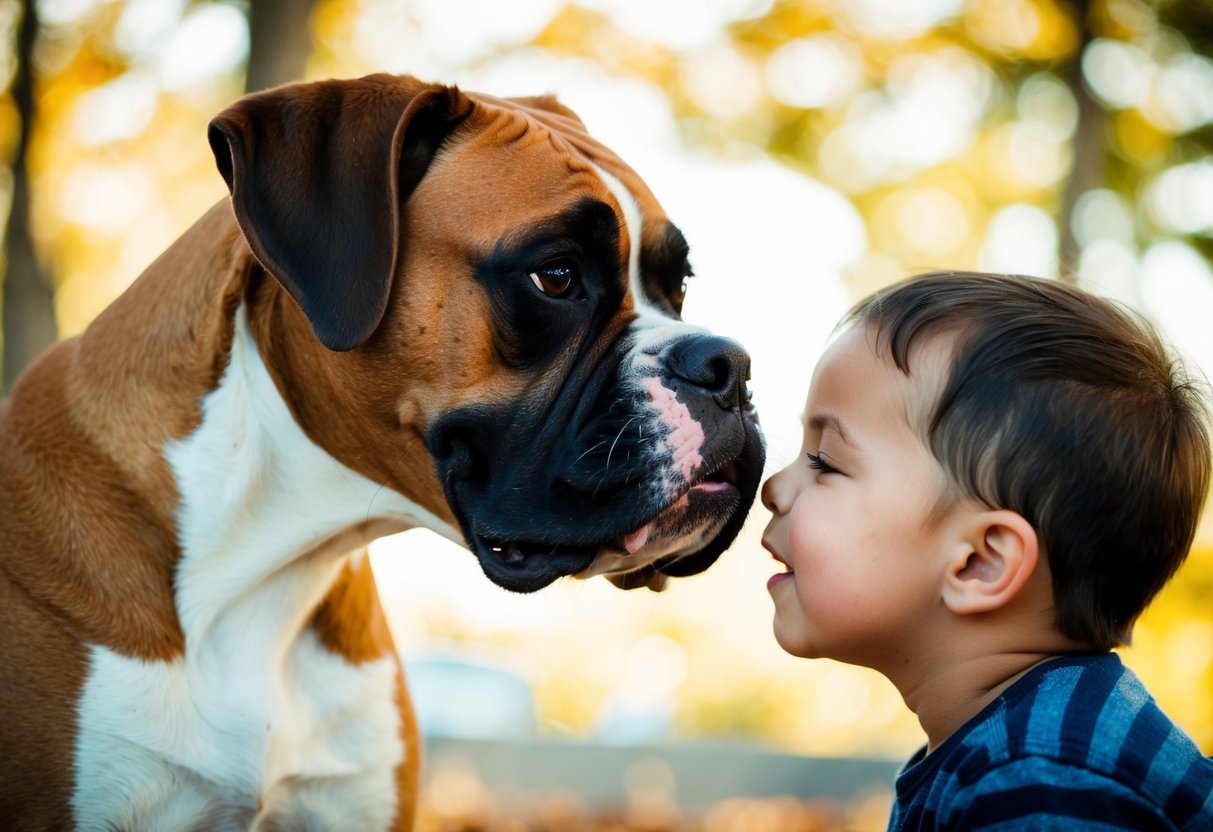
These dogs thrive on companionship and enjoy being a part of family activities. Their energetic disposition means they can keep up with active children, creating countless opportunities for fun and bonding. However, it’s important to note that, like any dog, they need proper training and socialization to interact well with younger kids.
In this article, you’ll learn more about their temperament and what you can do to ensure your Boxer is the perfect fit for your family. With their affectionate behavior and desire to connect with children, Boxers can be a wonderful addition to any home.
Understanding the Boxer Breed

Boxers are known for their playful, energetic nature and their affectionate temperament. This breed is a great fit for families, especially those with kids. Their characteristics make them a popular choice among pet owners looking for a loyal companion.
Breed Characteristics
Boxers are medium to large dogs that have a muscular build. They are descendants of the Bulldog and have a short coat, making them relatively low-maintenance. Boxers typically weigh between 50 to 80 pounds and stand about 21 to 25 inches tall at the shoulder.
Their signature appearance includes a square jaw and a playful expression. They often have a distinctive coat that can come in various colors, including brindle, fawn, and white. This breed is also known for its strong, athletic body, which supports their high energy levels.
Boxer’s Temperament
Boxers are known for their friendly and social demeanor. They tend to get along well with children and can be very gentle, which makes them suitable as family pets.
Their playful nature means they enjoy interactive games and outdoor activities. Boxers thrive on companionship and can also be quite protective of their families.
Early training and socialization are crucial to ensuring they develop good manners. With proper guidance, you’ll find that Boxers are eager to please and can excel in obedience tasks.
Exercise Needs and Energy Levels
Boxers are energetic dogs that require regular exercise to stay healthy and happy. Daily walks, playtime, and mental stimulation are essential. This breed enjoys activities like fetch, agility training, and even swimming.
Being high-energy, they need at least an hour of exercise each day. Engaging them in outdoor activities helps channel their energy positively.
If Boxers don’t get enough physical activity, they may become bored and develop behavioral issues. So it’s important to keep them active and entertained to sustain their loving and playful spirit.
Boxers and Family Life
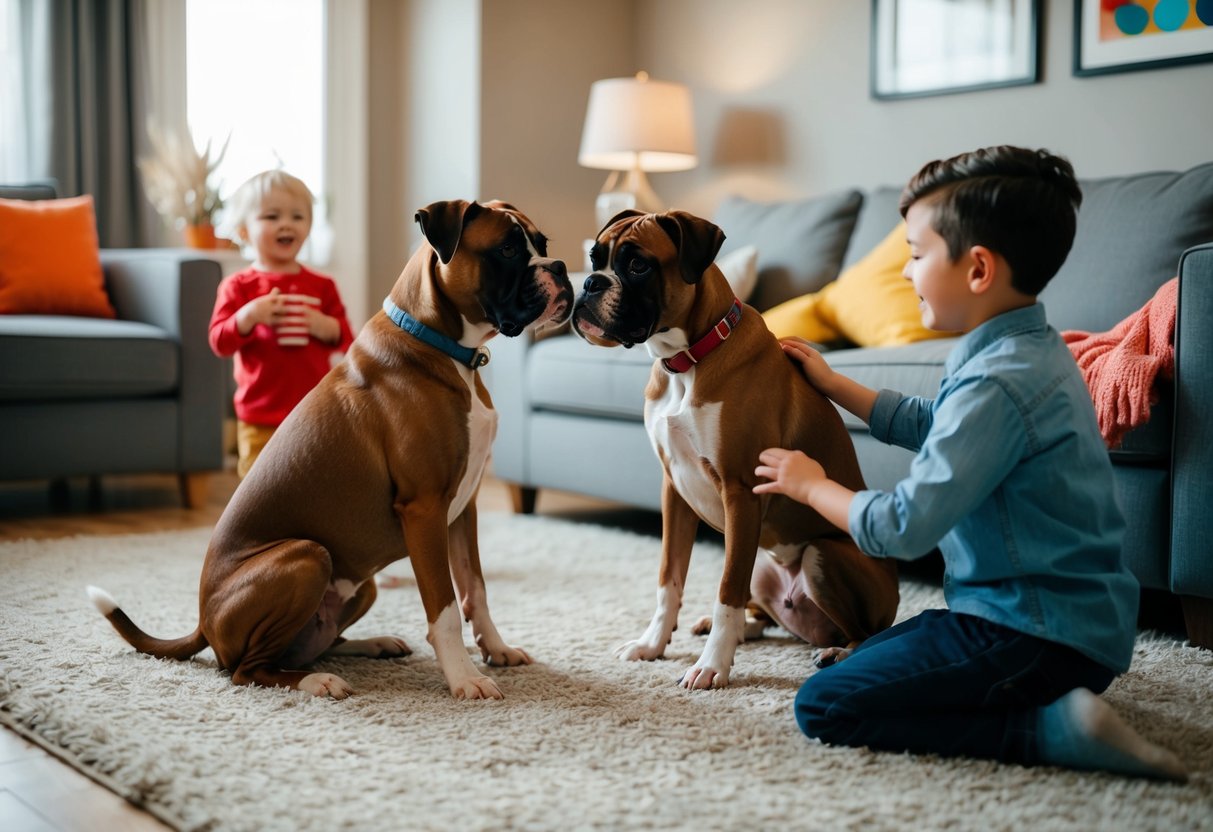
Boxers are known for being playful, loyal, and affectionate dogs, making them great additions to family life. They thrive on companionship and often form strong bonds with their families. Let’s explore how Boxers fit into family dynamics.
As Family Pets
Boxers are excellent family pets due to their friendly nature and high energy levels. They love to be part of family activities and enjoy playing games. Their playful spirit can keep children entertained for hours.
Also, Boxers are known for their loyalty. They often develop deep attachments to their families, which makes them wonderful companions. With proper training, they can adapt well to home life and follow family routines.
Companionship and Protective Instincts
One of the standout traits of Boxers is their protective instincts. They are naturally alert and will often keep an eye on their family. This makes them great watchdogs, ensuring safety for everyone at home.
Yet, their protective nature should be balanced with socialization. When well-socialized, Boxers are gentle and loving, providing a sense of security without being aggressive. They thrive on companionship, often wanting to be close to you and your family at all times.
Interaction with Children
When it comes to children, Boxers are often celebrated for their gentle demeanor. They usually possess a lot of patience, making them great playmates. Their energy levels match well with kids, keeping everyone active and engaged.
It’s important to always supervise interactions between Boxers and small children. Even though they are typically affectionate dogs, ensuring a safe environment for both the dog and the child is crucial. Encourage gentle play and teach your kids how to engage respectfully with their furry friends.
Training and Socialization
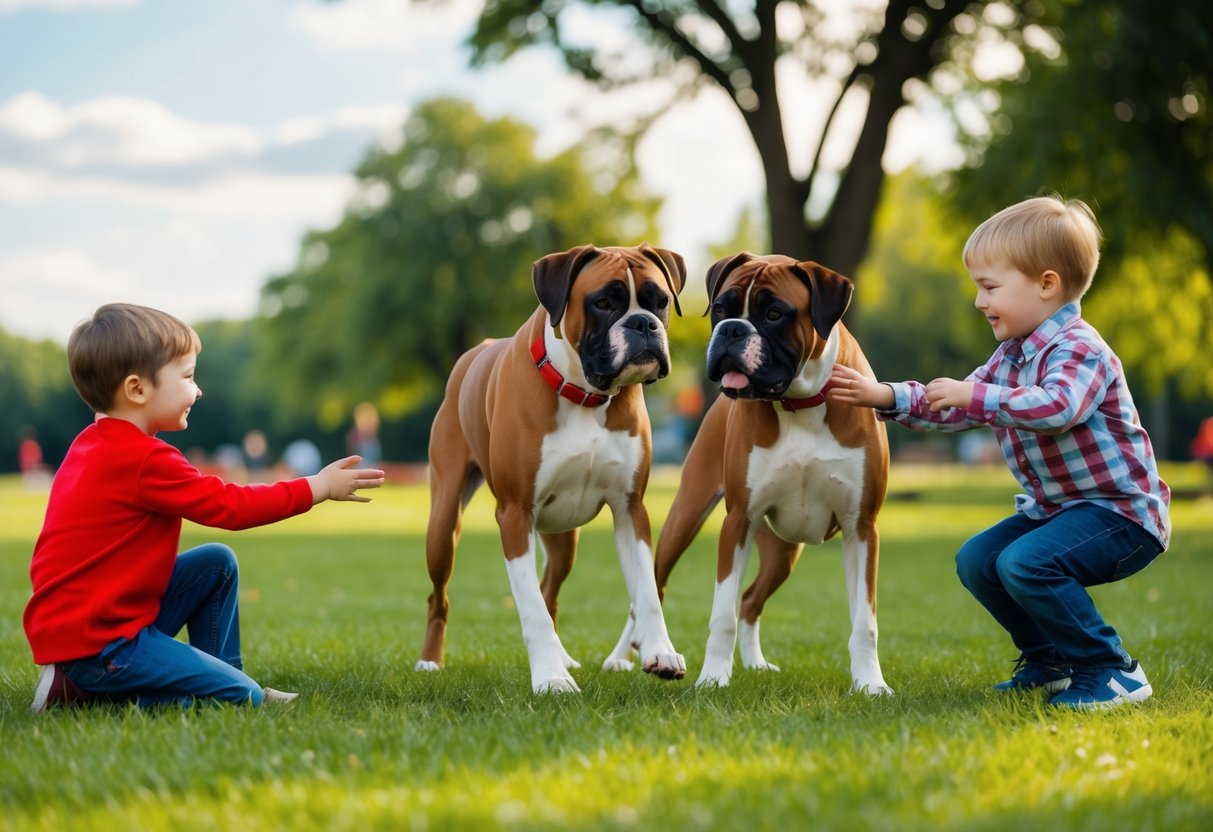
Training and socialization are key to helping your Boxer become a gentle and loving companion for kids. When done early and consistently, these practices can ensure that your dog interacts well with children and understands appropriate behavior.
Importance of Early Socialization
Early socialization is crucial for Boxers, especially if they will be around children. Introducing your dog to different environments, people, and pets can help them adapt and be more comfortable.
Start this process when your Boxer is a puppy. Take them to parks, playgroups, or puppy classes. The goal is to expose them to various situations. This makes them less anxious and more confident.
Socialization teaches Boxers how to behave gently. When they learn to interact positively, they are less likely to show rough or aggressive behavior toward kids. Remember, a well-socialized dog is happier and more playful!
Training Techniques
Using positive reinforcement is one of the most effective training techniques for Boxers. Reward your dog with treats, praise, or play when they show gentle behavior. This encourages them to repeat it.
Start with simple commands like “sit” and “stay.” These basics help establish good behavior. Then, gradually introduce commands related to being gentle with children, such as “easy” or “gentle.”
Consistency is vital. Reinforce gentle play by redirecting rough behavior immediately. For example, if your dog plays too hard, calmly redirect them to a toy. This helps them learn the difference between acceptable and unacceptable play.


