
If you’re considering adding a Boxer to your family, you might wonder whether these dogs are aggressive. The truth is that Boxers are not generally considered aggressive; their behavior largely depends on socialization and training. These loyal dogs are known for their friendly nature and can be wonderful family pets when raised in a loving environment.
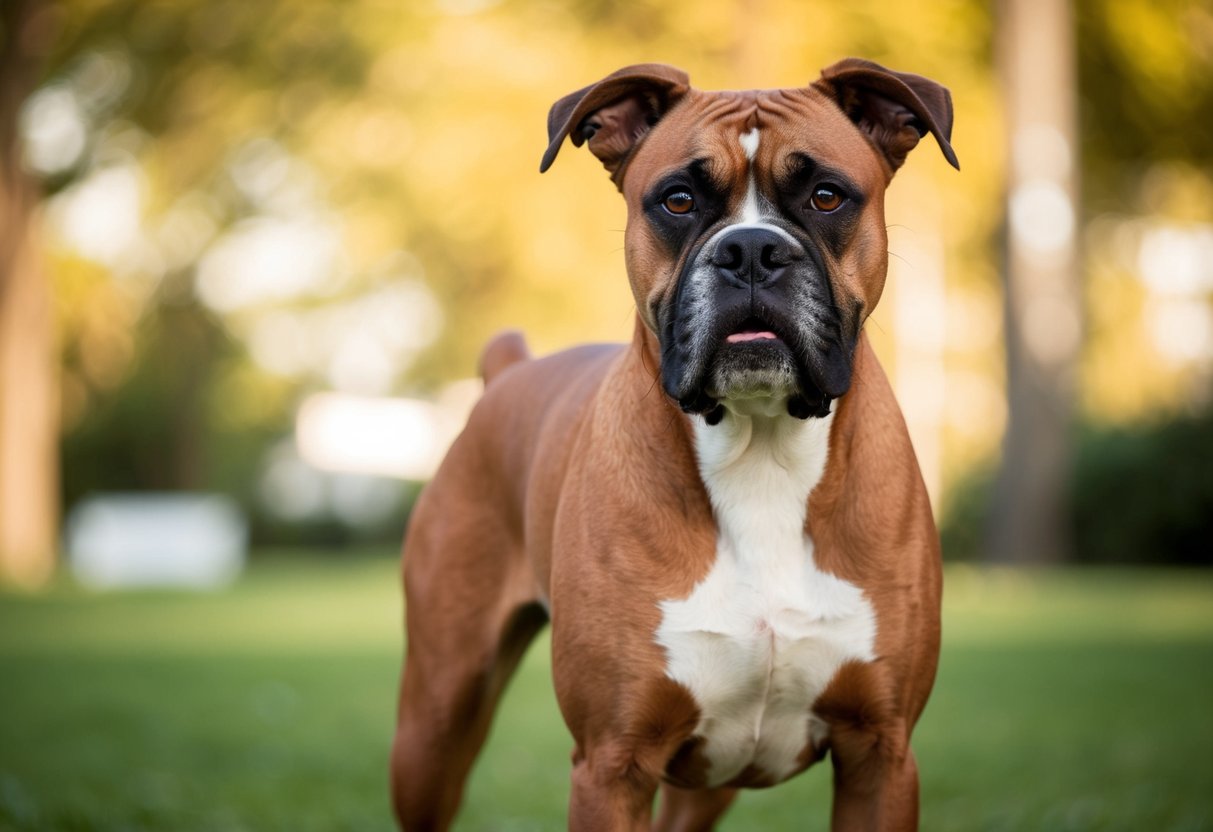
Boxers are energetic and playful, making them great companions for kids. They often show protectiveness toward their families, which is a characteristic that can be misunderstood as aggression. With proper socialization from a young age, Boxers learn to be well-mannered and interact positively with others, both human and canine.
Understanding Boxer Dog Temperament

Boxer dogs are known for their playful nature and loyalty. Understanding their unique temperament can help you build a strong bond and promote good behavior.
Natural Traits and Breed History
Boxers have a rich history that shapes their behavior today. They are descendants of the Bullenbeisser, a breed that was used for hunting large game. This background gives Boxers a high prey drive and natural athleticism.
They are intelligent and learn quickly, making them well-suited to training. However, their high energy levels require regular exercise to keep them happy. When well-trained and properly socialized, Boxers are very loyal and can be well-behaved companions. Their protective instincts also make them excellent guard dogs for families.
Common Misconceptions About Boxer Aggression
Many people wonder, “Are Boxer dogs aggressive?” The answer is often misunderstood. Boxers are not naturally aggressive dogs. They can be territorial or protective, but this behavior stems from their instincts rather than aggression. Individual temperament plays a big role, and a well-socialized Boxer is more likely to exhibit friendly behavior.
Misconceptions about aggression may arise from their strong appearance and energy. It is essential to note that training and socialization are key factors in preventing any potential aggressive behavior. With the right guidance, you can help your Boxer become a playful family member, rather than a feared breed.
Positive Training and Socialization
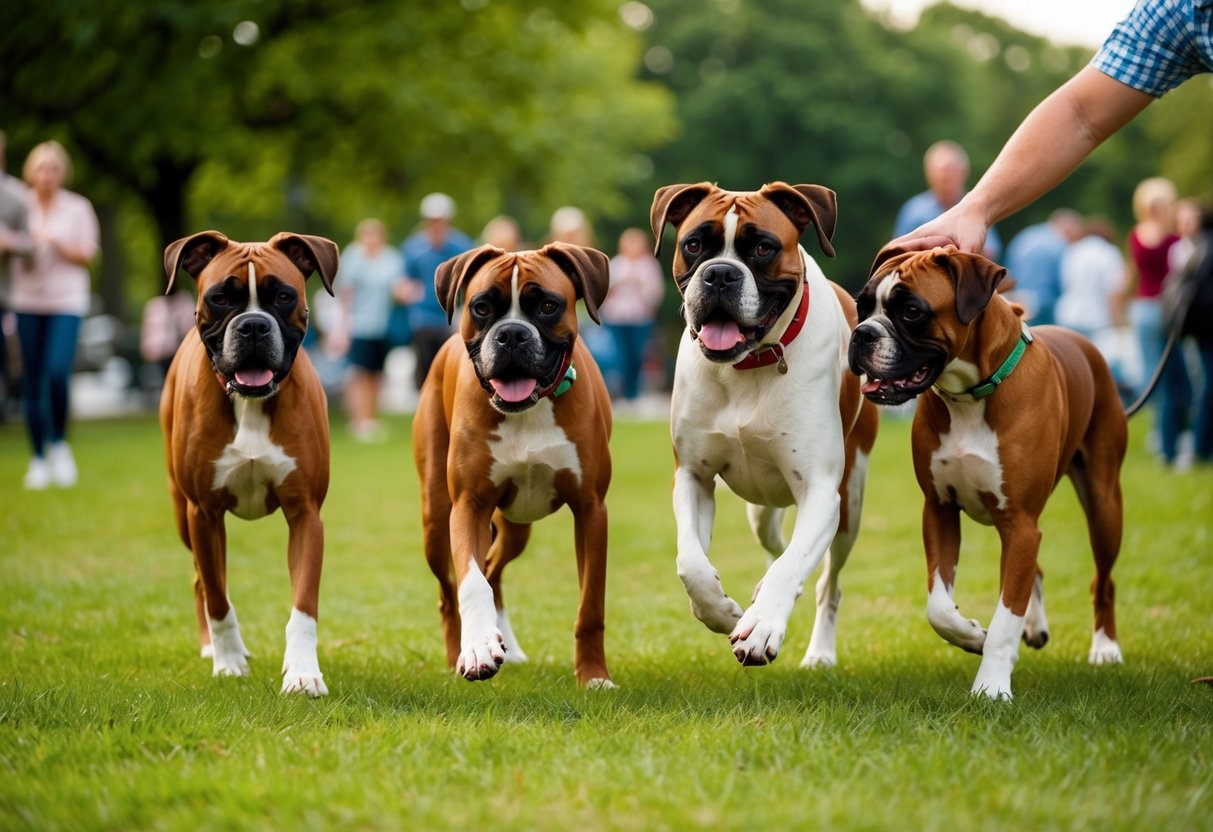
Training and socialization are crucial in shaping your Boxer dog’s behavior. By focusing on these areas, you can help prevent aggressive tendencies and promote a well-behaved companion.
The Role of Early Socialization
Early socialization is vital for Boxers. It can start as soon as you bring your puppy home.
Exposing your pup to different environments, people, and other animals helps them become confident and friendly.
During this stage, consider taking your Boxer to puppy classes. These classes create opportunities for positive interactions. Lack of socialization can lead to fear-based aggression or play aggression as your dog matures.
Remember to introduce your dog to various experiences. This includes car rides, visits to parks, and different sounds. Positive experiences during socialization lay the foundation for a calm and happy adult dog.
Effective Training Techniques
Using positive reinforcement training techniques works wonders for Boxers. This method rewards good behavior with treats or praise. It builds a strong bond between you and your dog.
Be consistent with your training. Set clear rules, and don’t let your Boxer get away with bad behavior. Leadership is essential to establish trust and respect.
If you notice signs of dominance issues, redirect this behavior with training. Professional help can be beneficial if you face challenges. They can guide you in using effective training methods tailored to your Boxer’s needs. Engaging in training not only teaches obedience but also strengthens your relationship with your dog.
Healthcare and Management

Caring for your Boxer involves more than just regular vet visits. Proper exercise and attention to behavioral signs are key to keeping your pup happy and healthy. Focusing on these areas can help prevent aggression and promote positive behavior in your dog.
Exercise Essentials for Boxers
Boxers are energetic dogs that need daily exercise to stay fit and content. Aiming for at least 60 to 90 minutes of physical activity each day is ideal. This can include walks, playtime, or even agility training.
Regular exercise helps reduce destructive behaviors that may arise from boredom. Interactive toys can also keep them engaged when you’re busy. Consider activities like fetch, running, or swimming to tire them out.
Remember, if your Boxer exhibits signs of aggression during play, it could be due to fear or territorial behavior. Understanding your dog’s needs and energy levels is essential in promoting a peaceful environment.
Recognizing and Addressing Behavioral Issues
Being aware of your Boxer’s behavior is crucial. Signs of aggression can include growling, barking, or stiff body posture. Identifying these reactions early helps you properly address them.
Training is vital. Positive reinforcement methods work best for Boxers. If you notice fear aggression, it often stems from past trauma or poor breeding. Make sure to create a safe space for your dog and avoid situations that trigger aggressive responses.
Consistent and calm handling during interactions can also prevent territorial behavior. If aggressive tendencies develop, consider consulting a professional trainer or behaviorist for tailored guidance. This will help ensure your Boxer develops into a well-adjusted and friendly companion.
The Role of Owners in a Boxer’s Behavior
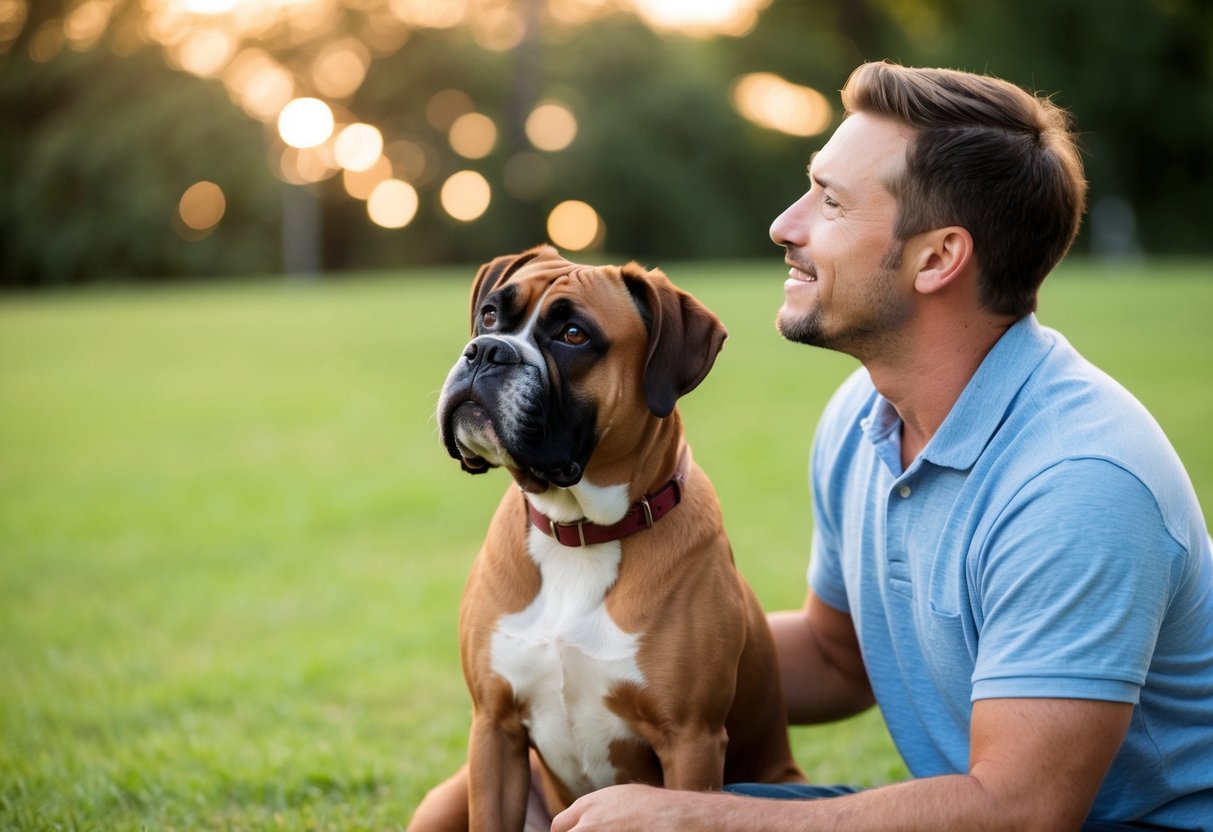
As a Boxer owner, your actions and decisions greatly influence your dog’s behavior. Building a trusting relationship and knowing how to handle aggression are key aspects of effective ownership.
Building a Trusting Relationship
Creating a strong bond with your Boxer starts with consistency. Establish a routine for feeding, walks, and playtime. This predictability makes your dog feel secure and loved.
Training is also important. Use positive reinforcement to encourage good behavior. Reward your Boxer with treats and praise when it follows commands. This will strengthen your communication and deepen your trust.
Socialization is another critical factor. Introduce your Boxer to different environments, people, and other pets. This exposure helps prevent fear-based reactions and promotes a confident demeanor. Remember, Boxers are energetic dogs and thrive in active settings, so include playdates and outings in your routine.
Dealing with Aggression
If you notice any signs of aggression, you must take action. Understand that Boxers have a protective nature. They can act as excellent guard dogs, which may lead to unwanted aggression if not addressed.
Begin by identifying triggers for your dog’s aggressive behavior. It might be strangers, loud noises, or other animals.
Once you know what causes the reaction, you can work on desensitizing your Boxer through gradual exposure.
In some cases, professional help may be necessary. A dog trainer or behaviorist can provide tailored advice to address specific aggression issues. Lack of training or socialization can lead to aggression, so early intervention is crucial.
With patience and dedication, you can significantly improve your Boxer’s behavior, ensuring a loving and safe environment for both of you.


