
If you’re considering bringing a dog into your home, you might wonder about the Boxer breed. Boxers are indeed good indoor dogs, making them popular choices for families. They have a gentle disposition and are known for their loving nature, especially around children. This makes them wonderful companions in a family environment.
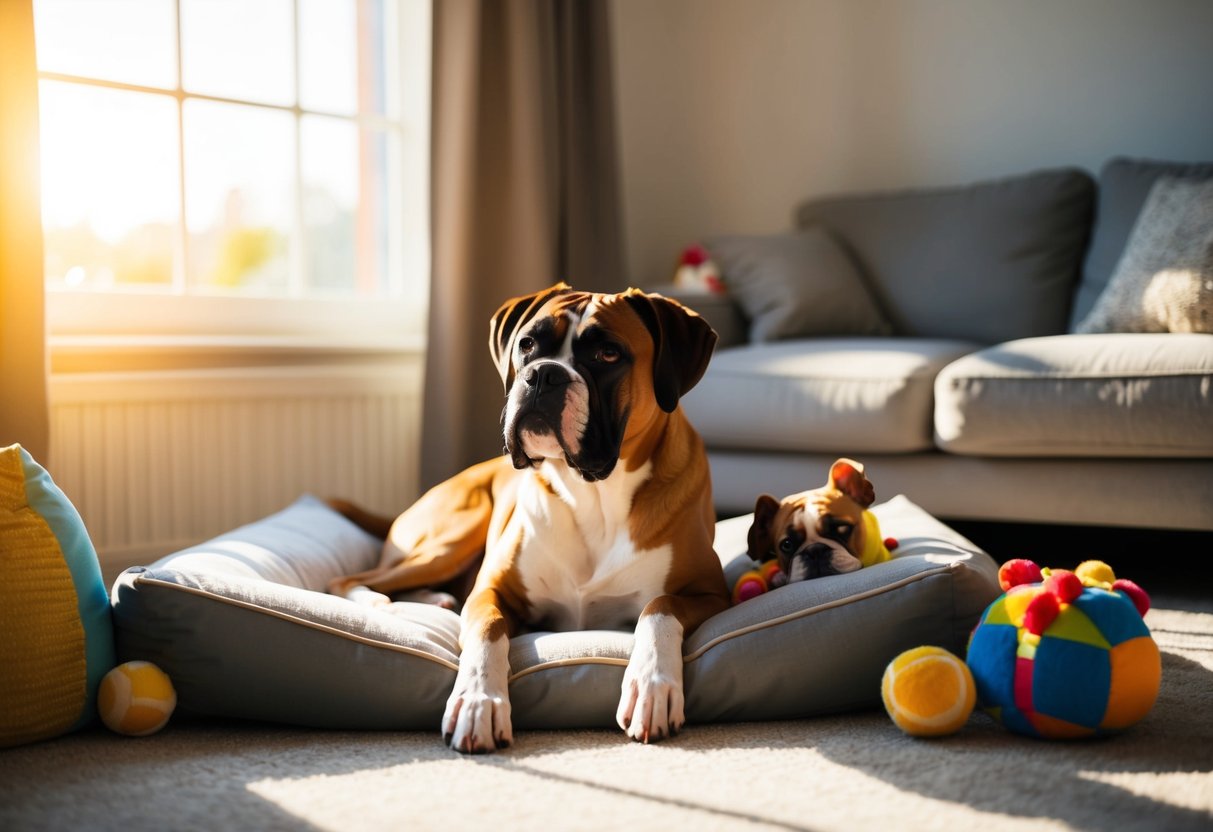
Boxers thrive in an indoor setting where they can be part of the family activities. They’re energetic and playful but can also settle down when it’s time to relax.
Providing them with enough exercise and mental stimulation indoors will help keep them happy and well-behaved.
As you explore the idea of adopting a Boxer, you’ll find that their affectionate and friendly demeanor makes them a perfect fit for family life. Their indoor-friendly nature ensures they adapt well to living in your home, bringing joy and companionship to your everyday life.
Understanding Boxers as a Breed

When considering Boxers as indoor dogs, it’s essential to know their temperament, health considerations, and breed characteristics. These factors help you determine if a Boxer fits well into your home.
Temperament and Behavior
Boxers have a friendly and playful temperament. They are known for their affectionate nature, making them excellent companions. You will find that they are loyal and protective, with strong instincts to guard their family. This protective behavior can be a plus for security at home.
Boxers are also energetic and require regular exercise. They thrive on interaction with their family, which helps strengthen your bond. This breed is generally good with children, often becoming playful and gentle playmates.
Health Considerations
Like all breeds, Boxers have specific health considerations. One common issue is hip dysplasia, a condition that affects their joints.
Regular vet check-ups can help monitor their health and catch any signs early.
Another concern can be heart problems. Boxers are prone to certain heart conditions, so maintaining a healthy diet and regular exercise is vital. Understanding these health risks will prepare you for the responsibilities of owning a Boxer.
Boxer Breed Characteristics
Boxers are medium-sized dogs, typically weighing between 60 to 70 pounds. They stand about 21 to 25 inches tall. With their strong and sturdy build, Boxers are active and playful.
Their short coat is easy to maintain, but they are sensitive to temperature extremes. It’s important to keep them indoors during extreme weather.
These dogs also need plenty of socialization with people and other pets to develop well-rounded personalities.
By understanding these traits, you can create a nurturing environment that allows your Boxer to thrive indoors.
The Importance of Training and Exercise
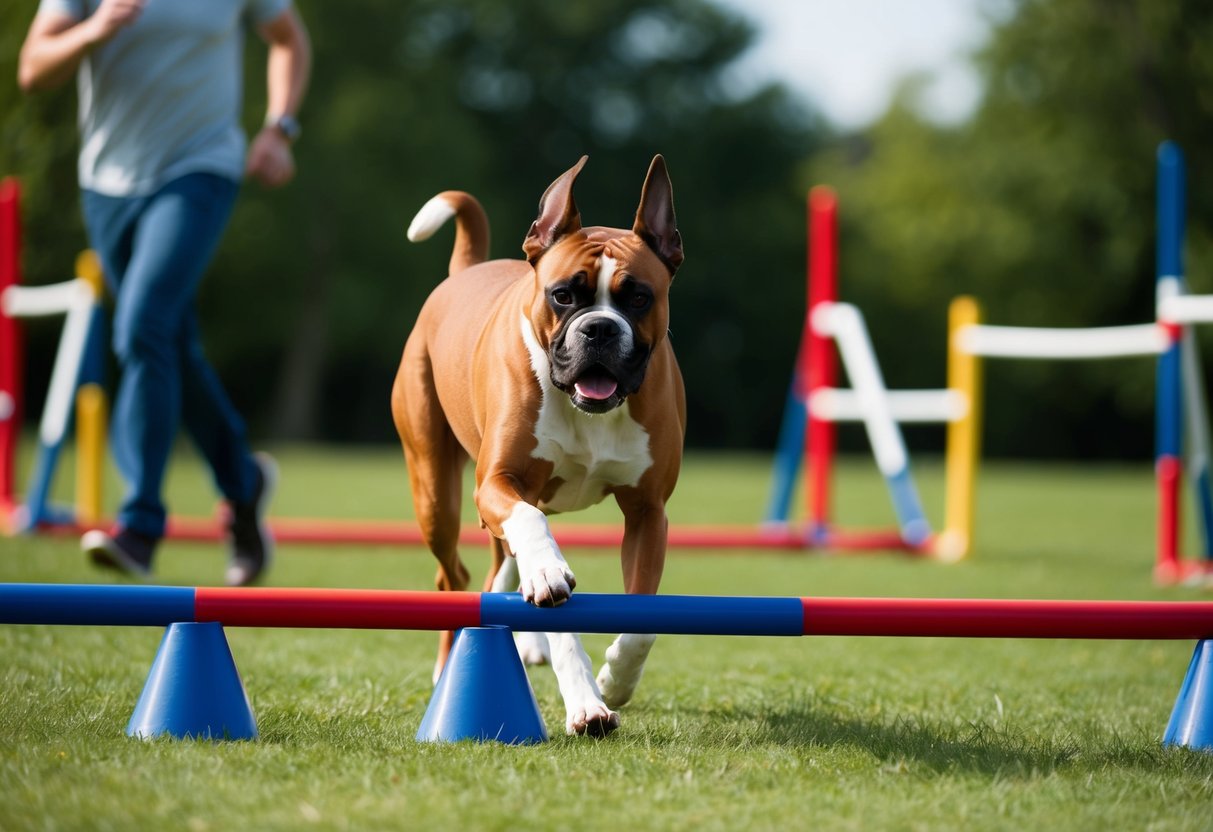
Training and exercise are essential for your Boxer. These activities help meet their high-energy needs, ensure good behavior, and create a strong bond between you and your pet. Proper routines can keep your Boxer happy and healthy both physically and mentally.
Creating Effective Exercise Routines
Your Boxer needs regular exercise to stay fit and content. Aim for at least 1 to 2 hours of physical activity each day. This can include daily walks, running, or playing fetch.
Consider mixing up activities to keep things interesting.
You might want to incorporate:
- Agility training: Set up a simple course that includes jumps and tunnels.
- Interactive play: Use toys or balls that encourage chasing.
- Puzzle toys: These stimulate your Boxer’s mind while keeping them physically active.
With varied routines, your Boxer will enjoy exercising and stay motivated to participate.
Obedience Training and Mental Stimulation
Obedience training is crucial for your Boxer. These dogs are intelligent and love to learn, so using positive reinforcement training works well.
Reward them with treats or praise when they follow commands.
Incorporate mental challenges as part of their training, too.
Activities like:
- Learning new commands: Teach tricks to engage their minds.
- Hide and seek: This can be fun for both of you and stimulates their thinking.
Regular training sessions not only improve behavior but also strengthen your bond, making both of you happier.
Socialization and Positive Interactions
Socialization is key for Boxers. Expose them to different people, pets, and environments from a young age. This helps them grow into well-adjusted adults.
Make sure to create positive interactions during socialization.
Join a training class or visit dog parks to let your Boxer meet others.
Encourage friendly interactions by rewarding good behavior with treats when they meet new friends. This reinforces positive traits and helps them feel more comfortable in various situations.
Through consistent training and fun interactions, your Boxer can become a well-rounded indoor companion.
Living with Boxers Indoors

Boxers are known for their playful and affectionate nature, making them great companions in indoor spaces. To provide a happy environment for your Boxer, it’s essential to create a comfortable home, manage any challenges, and keep up with grooming needs.
Creating a Boxer-Friendly Indoor Space
When bringing a Boxer indoors, start with a designated area for them to relax. Use a comfortable bed in a quiet place where they feel secure.
Boxers thrive when they have enough space to move around, especially in apartments.
Make sure to remove any hazards that could lead to destructive behaviors. Store away valuable items and keep shoes and cords out of reach.
Providing a variety of toys will keep them engaged and help prevent boredom.
Consider using pet gates to limit access to certain areas, allowing for more controlled interaction. Regular playtime in your indoor space is essential for engaging their energetic nature while strengthening your bond.
Managing Potential Challenges
Boxers are affectionate and social, but they can also be loud. Barking is common, especially when they’re excited or bored.
To manage this, provide regular exercise and mental stimulation. Daily walks, runs, or play sessions can help curb excessive barking.
Destructive behaviors can occur, especially if your Boxer feels anxious or bored. Spend time training them and establishing a routine.
Positive reinforcement can help curb unwanted behaviors.
If you’re in an apartment, consider your neighbors. Keeping noise levels down is crucial in shared living spaces. Engage your Boxer with interactive toys to keep them busy and reduce barking.
Grooming and Daily Care
Grooming your Boxer is straightforward but important. Their short coats require regular brushing to remove loose fur and dirt. A brush once a week will generally be enough, but you may need to brush them more often during shedding seasons.
Bathing your Boxer every couple of months helps keep their coat clean and healthy. Regularly check their ears and teeth as well, since good hygiene contributes to their overall well-being.
Daily exercise is essential for your Boxer’s happiness. Aim for at least 30 minutes of physical activity each day. This not only helps maintain their health but also strengthens the bond you share.


