
Boxers are known for their playful and energetic nature, but you might wonder if they can be shy. Generally, Boxers are not considered shy dogs; they are usually confident and friendly, eager to engage with people and other pets. Their bold personalities make them wonderful companions, but this can vary based on their early socialization experiences.
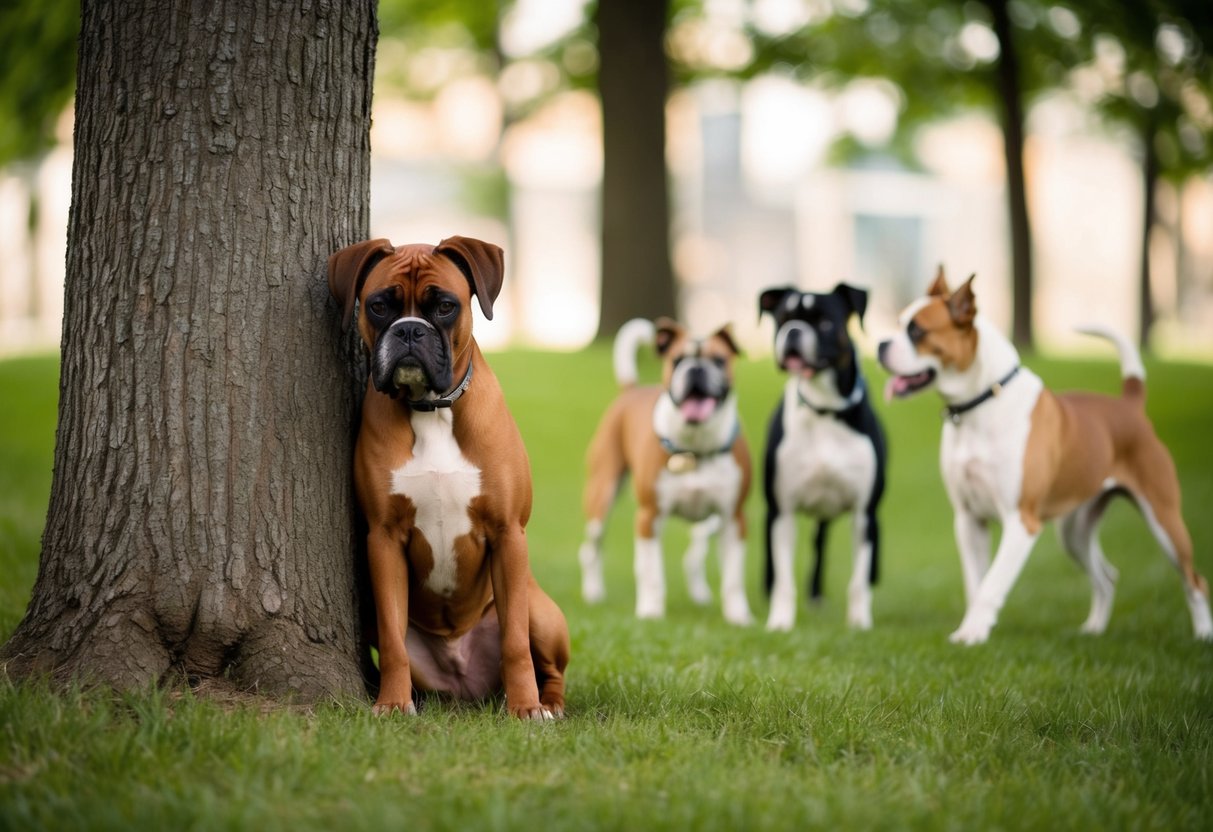
When properly socialized, Boxers often thrive in social settings and enjoy meeting new people. However, if they haven’t been exposed to various experiences and environments from a young age, they may become hesitant in unfamiliar situations. Understanding their temperament can help you build a strong bond with your Boxer and ensure they feel comfortable in different settings.
In this article, we will explore the personality traits of Boxers, how their upbringing affects their behavior, and tips on helping them become more confident if needed. You’ll learn how to nurture your Boxer’s natural disposition while addressing any concerns you have about shyness.
Understanding Boxer Temperament

Boxers have a unique temperament that combines loyalty, intelligence, and playfulness. They are known for their protective instincts and can be excellent watchdogs. Understanding these traits will help you in training and building a strong bond with your Boxer.
Protective Instincts and Watchdog Abilities
Boxers are known for their strong protective instincts. This breed has a natural tendency to guard their family and territory. They are alert and can sense when something is off, making them excellent watchdogs.
Their watchful nature means they will bark to alert you of any intruders. However, they are also friendly and social, especially with family and familiar faces. You will find that they balance their protective side with an affectionate demeanor toward loved ones.
To foster these instincts, early socialization is important. Introducing your Boxer to various people and environments can help them distinguish between actual threats and normal situations.
Intelligence and Obedience Training
Boxers are intelligent dogs that thrive on mental stimulation. Their high energy levels make them eager to learn. You can easily train your Boxer with positive reinforcement techniques.
Use treats and praise to encourage good behavior. Consistency and patience will go a long way in ensuring that your Boxer understands commands. Engaging in activities such as agility training can also help channel their intelligence and energy productively.
Since Boxers enjoy being around people, incorporating training sessions into playtime can make learning more fun. Remember that a well-trained Boxer will be a loyal companion who is not only protective but also well-adjusted and happy.
Boxers as Family Companions
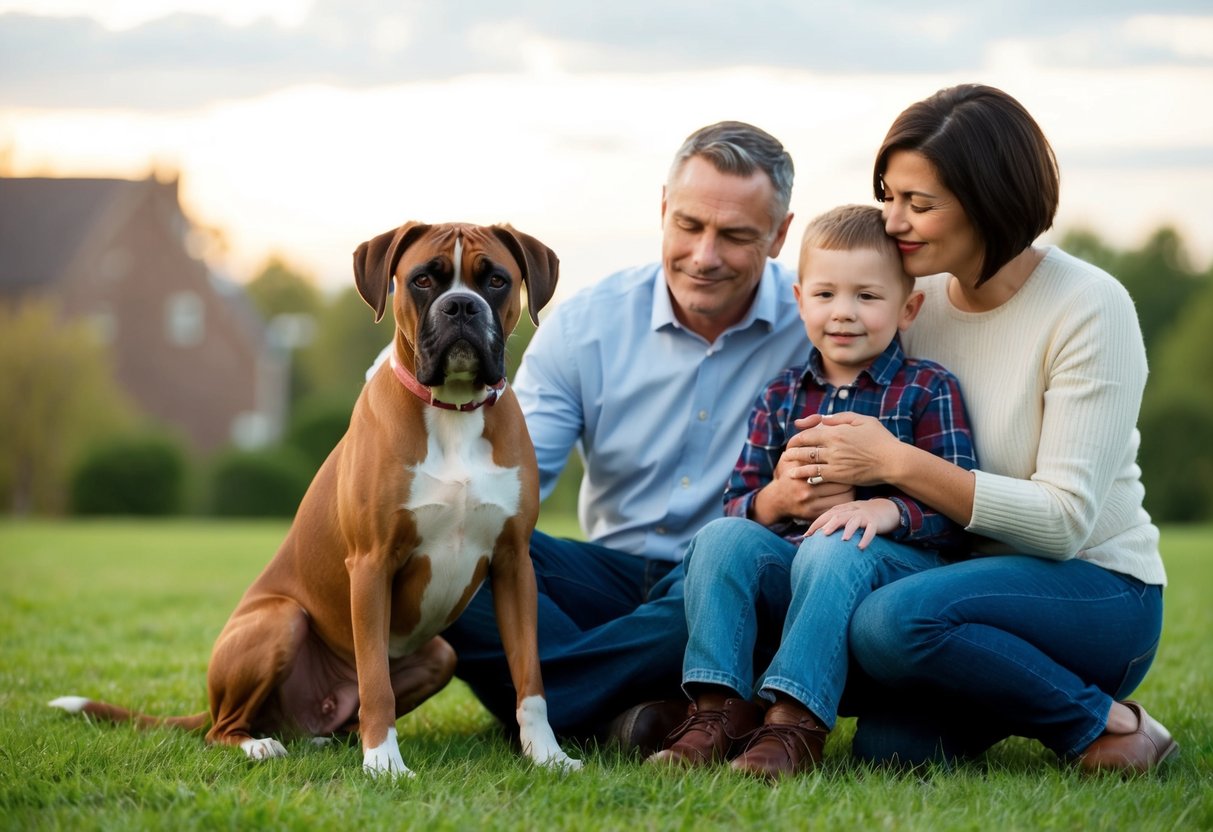
Boxers make great family companions due to their loving nature and energetic demeanor. They thrive on social interactions and enjoy engaging playtime, making them ideal for active households.
Socialization and Playful Nature
Your Boxer loves to be part of the family activities. These dogs are naturally social and require ample interaction. Early socialization is essential to help them grow into well-behaved adults. Take your Boxer to different environments, and introduce them to new people and other pets. This will help reduce any shyness and build their confidence.
Boxers are also known for their playful behavior. They enjoy games like fetch and tug-of-war, keeping their minds engaged and their bodies active. Regular playtime ensures they receive the mental stimulation they need. If left alone too often, they may become bored and develop unwanted behaviors, such as chewing or digging.
Boxer Dogs and Children
Boxers are affectionate dogs that often bond well with children. Their playful nature makes them excellent playmates, and they usually tolerate roughhousing. This breed is known to be patient and protective, so they take their role as family guardians seriously.
When introducing a Boxer to your children, always supervise their interactions. Teaching kids how to approach and interact with the dog is important to ensure safety. Training your Boxer to respond to commands, like “gentle,” can also help create a harmonious environment. With proper training and socialization, your Boxer can be a fantastic family pet that adds joy to your home.
Health and Care Considerations

Caring for your Boxer involves regular veterinary visits and proper exercise. These energetic dogs thrive on attention and need a structured routine for their health and happiness.
Essential Veterinary Care
Taking your Boxer to a veterinarian is crucial for their well-being. Regular health screenings help catch any issues early. Boxers can be prone to specific health problems, so work with a vet who understands the breed.
You should also ensure that your Boxer is up-to-date on vaccinations and preventive care. This includes treatments for fleas, ticks, and heartworms. A reputable breeder will often provide health clearances, so ask about this when you choose your dog.
A good vet can guide you in selecting the best nutrition and lifestyle for your Boxer’s energetic nature.
Exercise and Nutrition
Boxers have high energy levels and need daily exercise to stay healthy. Aim for at least 60 minutes of physical activity a day.
Activities like jogging, fetch, or agility training are excellent for keeping your Boxer fit and mentally stimulated.
In terms of nutrition, feed your Boxer high-quality food suited to their age and activity level. Look for a balanced diet rich in protein to support their muscle health.
Avoid overfeeding and monitor their weight to prevent obesity-related issues. Always consult your vet if you’re unsure about the right food or portion sizes for your Boxer’s needs.


