
Boxer dogs are known for their playful and friendly nature, making them beloved pets. If you’re considering whether Boxer dogs can live outside, it’s important to understand their needs.
While Boxers can technically survive outdoors, it is not recommended due to their short coats and social personalities.
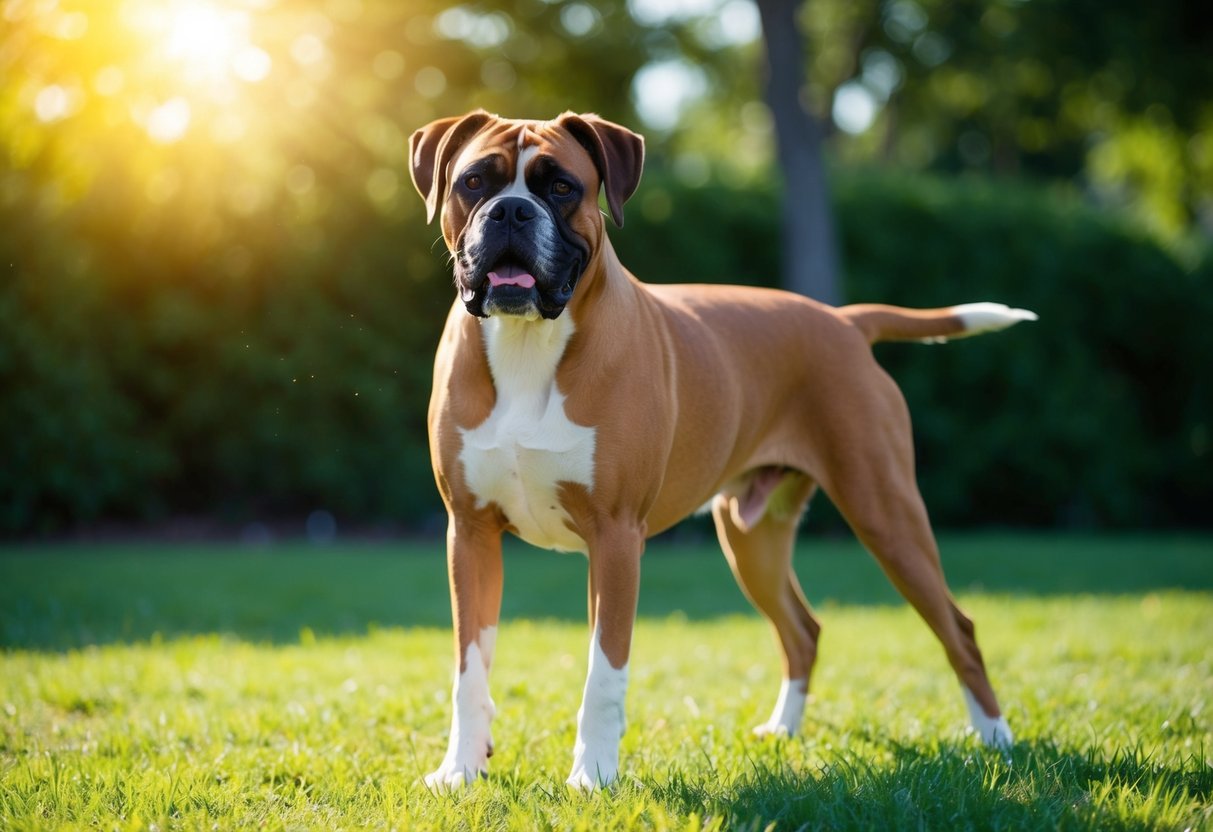
Boxers thrive in environments where they can interact with their families. Living outside can lead to several health risks, including difficulty regulating body temperature and exposure to pests like fleas and ticks. These issues can affect their overall well-being and happiness.
If you’re thinking about outdoor living for your Boxer, remember that keeping them indoors is typically the best choice for their health and happiness. Your furry friend is likely to appreciate the warmth and companionship of indoor life, which is where they truly shine.
Understanding the Boxer Dog Breed
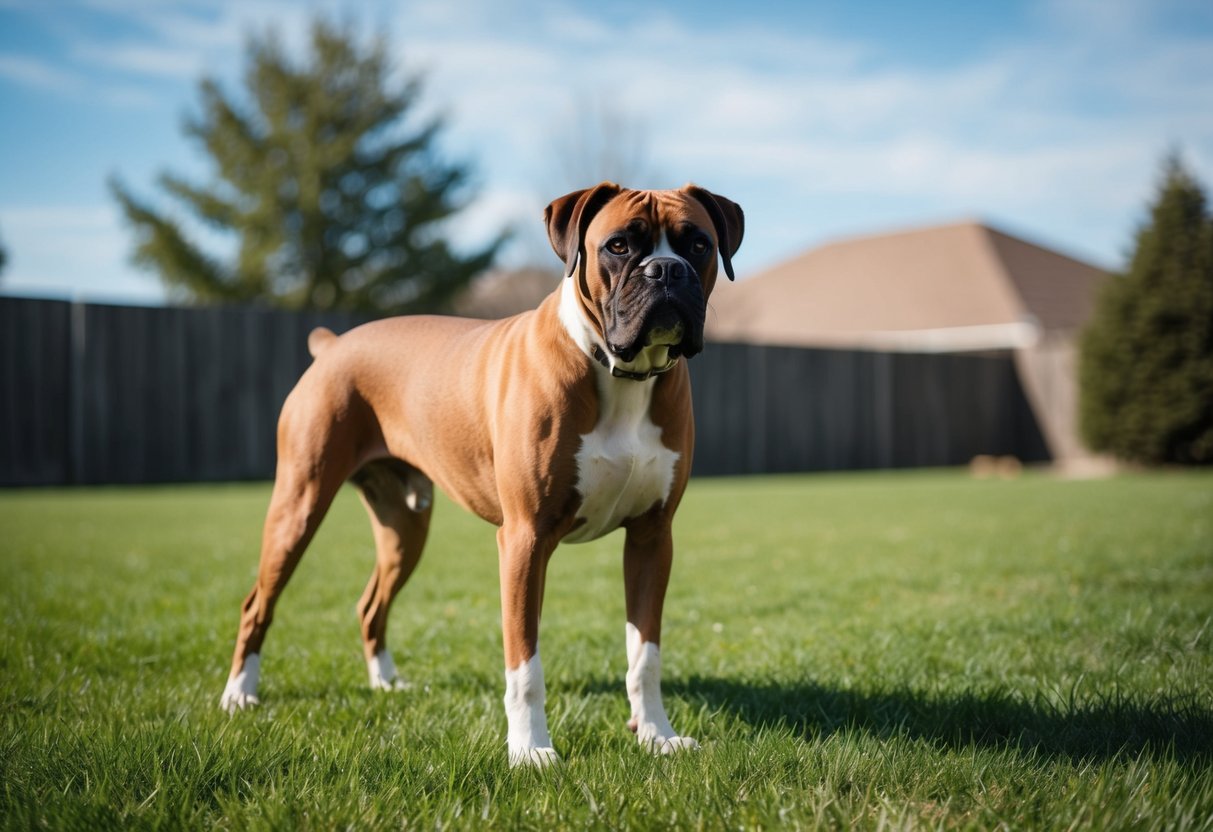
Boxers are known for their loyal and energetic nature. Understanding their unique characteristics can help you decide if they can thrive in an outdoor environment.
Breed Characteristics and Temperament
Boxers are friendly and social dogs that love being around people. Their loyal and loving temperament makes them great family pets. They are also protective and can act as guard dogs, always watching over their loved ones.
These dogs are energetic and require regular exercise. They enjoy playtime and need mental stimulation to stay happy. Without enough activity, Boxers can become bored and develop behavioral issues.
Their playful nature is perfect for families. They bond closely with children and other pets. This sociability means they thrive on companionship and should not be isolated for long periods.
Physical Attributes Relevant to Outdoor Living
Boxers have a short coat that does not provide much insulation. This means they can struggle with temperature regulation, making outdoor living challenging in extreme weather.
As a brachycephalic breed, Boxers can have difficulty breathing, especially in hot or humid conditions. This affects their ability to play outside for long durations.
They are also prone to certain health issues, so careful monitoring is important. Regular check-ups can ensure they are healthy and happy.
Because of their physical traits and exercise requirements, Boxers are best suited for indoor living where they can spend time with their families.
The Health Implications of Outdoor Living
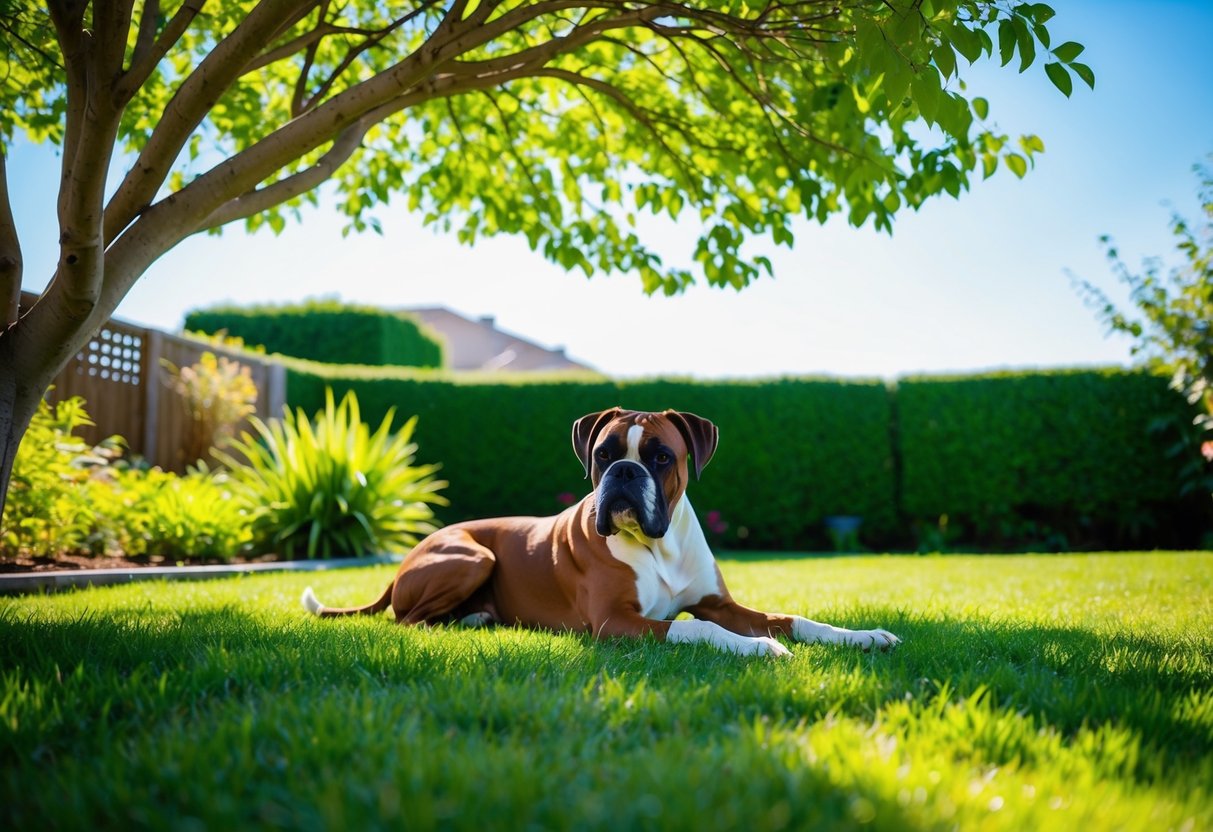
When considering outdoor living for your boxer, it’s important to think about how different climates and potential health risks can affect their well-being. Both extreme temperatures and exposure to parasites can lead to serious health concerns for your furry friend.
Climate’s Impact on Boxer Health
Boxers are sensitive to extreme weather conditions. In hot weather, they can easily suffer from heat stroke because of their short snouts, which makes it harder for them to cool down. Signs include excessive panting, drooling, and weakness.
In cold temperatures, boxers are at risk for hypothermia and frostbite. Their short coats do not provide adequate insulation. Always monitor your boxer when they are outside. If you notice them shivering or acting lethargic, it’s time to bring them inside.
Additionally, consider applying pet-safe sunscreen to prevent sunburn on areas where their fur is thin, especially on their noses and ears. This can help protect them from canine skin cancer.
Risks of Parasites and Disease
Living outside exposes your boxer to various parasites like fleas, ticks, and mosquitoes. These can lead to itching, infections, and more serious health issues such as Lyme disease or heartworm. Regular veterinary check-ups and preventive medications are vital to keep these pests at bay.
Outdoor living may also increase the risk of exposure to diseases like tapeworms, which can affect your boxer’s digestive health. Ensure your dog is regularly dewormed as recommended by your vet.
An outdoor lifestyle can also strain your boxer’s immune system, making them more susceptible to infections. Always assess the risks before deciding to let your boxer spend long hours outside.
Behavioral and Social Considerations
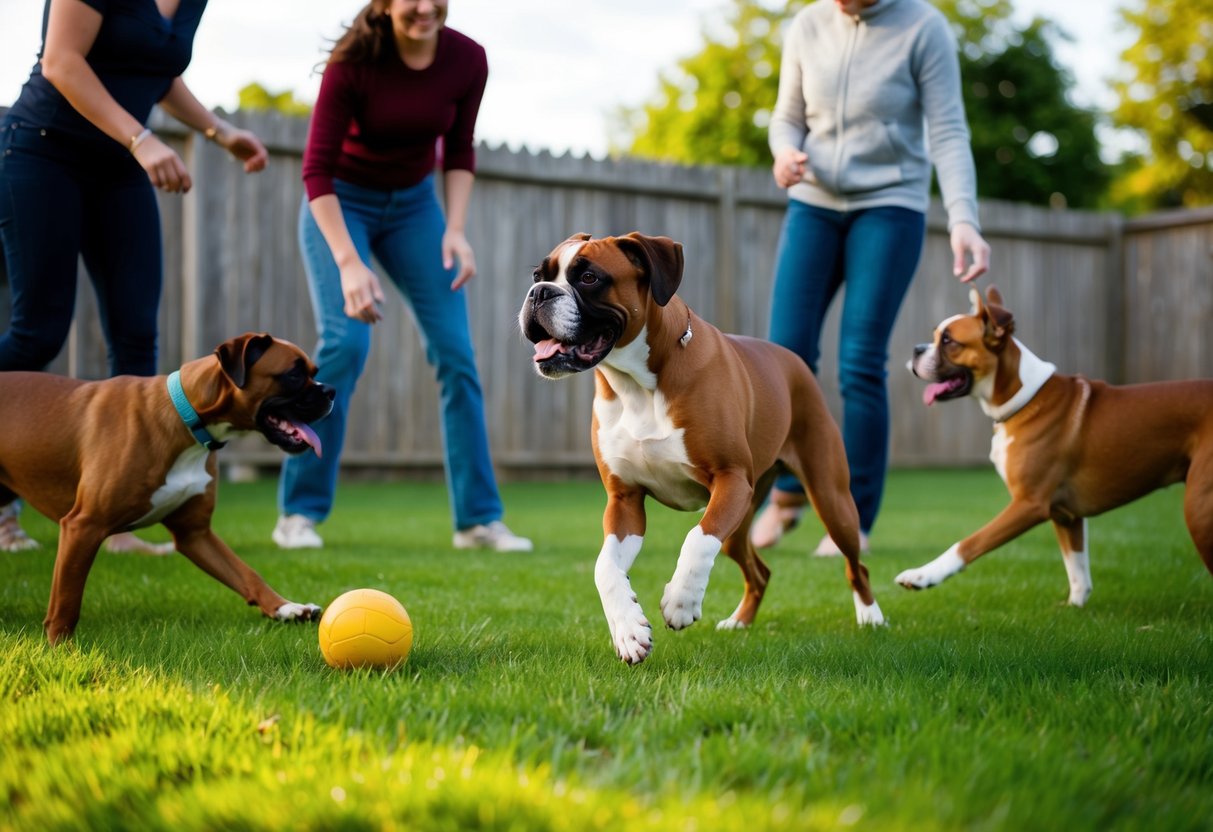
Boxer dogs require a special focus on their behavioral and social needs. Understanding these aspects is essential for their happiness and well-being. When you take the time to address their socialization, exercise, and companionship needs, you’ll create a balanced environment for your Boxer.
Importance of Human Interaction and Companionship
Boxers are highly social dogs that thrive on human interaction. They can experience stress and anxiety if left alone for long periods. This loneliness can lead to destructive behavior, such as chewing and digging. To avoid these issues, ensure your Boxer has plenty of quality time with you.
Regular playtime and affection strengthen your bond and keep your dog emotionally healthy. This interaction helps reduce separation anxiety. Simple activities like playing fetch or just snuggling on the couch can satisfy their need for companionship.
Exercise, Playtime, and Mental Stimulation
Daily exercise is crucial for Boxers, as they are energetic and playful. Aim for at least 30 to 60 minutes of vigorous activity each day. This can include walks, runs, or engaging in interactive games. Without this, they may develop behavioral issues stemming from boredom.
In addition to physical exercise, mental stimulation is essential. Puzzle toys and training sessions can help keep your Boxer’s mind sharp. These activities reduce stress and help prevent unwanted behaviors. Incorporate both physical play and mental challenges into your routine to foster a well-rounded dog.
Developing a Suitable Routine for Your Boxer
Creating a daily schedule for your Boxer helps establish a sense of security. A consistent routine includes regular exercise routines, feeding times, and play sessions. This structure can greatly reduce anxiety by providing predictability in their day.
Consider also implementing crate training to offer a safe space when you are busy. A well-planned schedule prevents your dog from feeling lonely. It also aids in socialization, as you can introduce them to new environments and experiences gradually. Your Boxer will thrive when they know what to expect throughout their day.
Setting Up Outdoor Spaces for Boxers
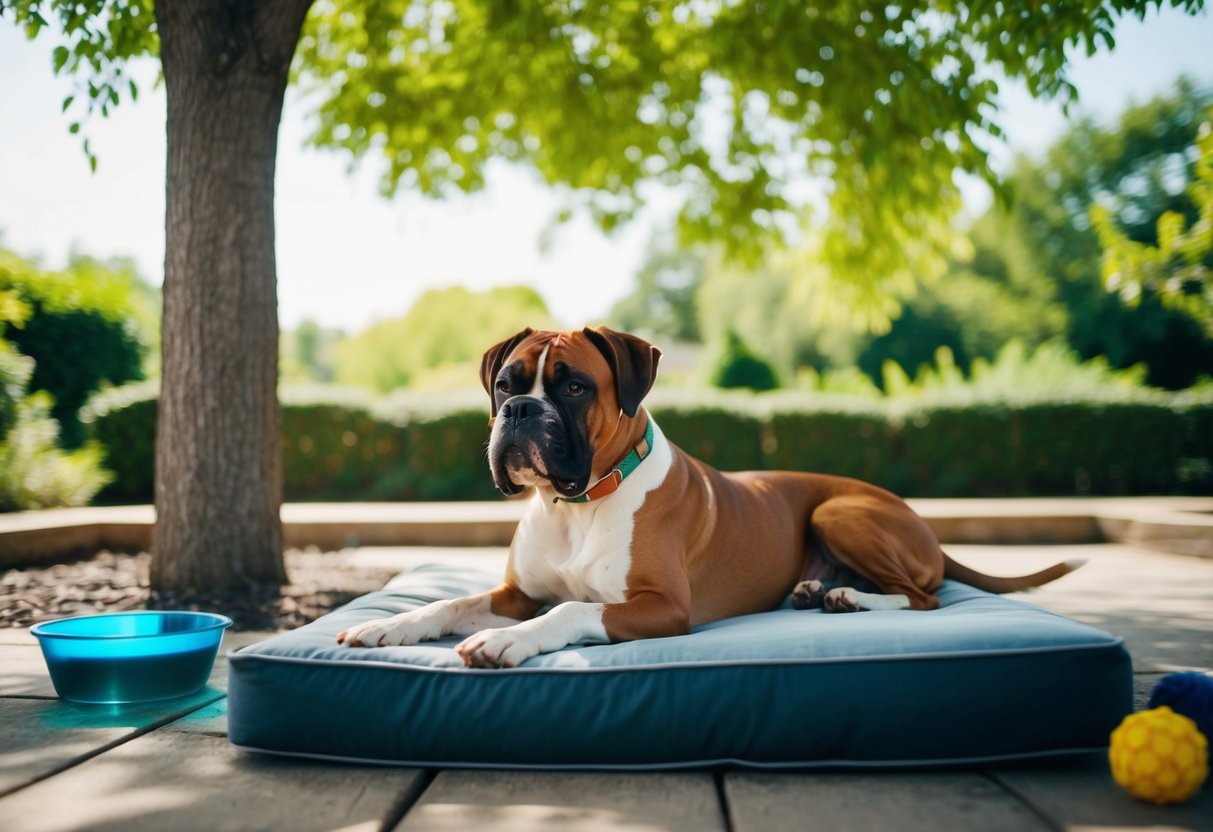
Creating a suitable outdoor environment for your Boxer dog is essential for their well-being. This includes ensuring safety and comfort while also providing opportunities for bonding and play.
Creating a Safe and Comfortable Outdoor Living Area
First, think about your Boxer’s shelter. A well-constructed dog house can offer protection from weather extremes. It should be insulated, weatherproof, and large enough for your dog to stand, turn around, and lie down comfortably.
Next, choose a clean area free of hazards. Remove sharp objects, toxic plants, and anything that could hurt your dog. You can also add some soft bedding to make the space cozier.
Consider the fencing around your yard as well. Make sure it’s secure and tall enough to keep your Boxer safe from wandering off. Supervise them outdoors, especially in unfamiliar areas.
Lastly, ensure they have access to fresh water. Hydration is key, particularly during warmer months.
Interactive Outdoor Activities and Bonding
Engaging your Boxer in outdoor playtime is important for their mental and physical health. You can use interactive games like fetch or tug-of-war to strengthen your bond.
Create a variety of activities like agility training or hide-and-seek. These games not only provide exercise but also encourage positive reinforcement. Reward them with treats or praise when they complete a challenge.
You can also set up a mini obstacle course using cones and tunnels for added fun. This helps your Boxer stay active and engaged, making outdoor time enjoyable.
Make sure to spend quality time with your dog, whether by playing or simply relaxing together. This will reinforce your bond and contribute to their happiness.


