
Boxer dogs are known for their playful nature and loyalty as family pets. You may wonder about their biting behavior and whether these dogs are prone to aggression. Boxer dogs are generally not known to be aggressive biters. Their temperament is often friendly and affectionate, making them great companions for families.

Understanding the factors that lead to biting can help you manage and train your Boxer effectively. Some Boxers might bite if they feel threatened or scared, so socializing and training from a young age is important. By providing a safe environment and proper guidance, you can minimize any biting behaviors and enjoy the loving nature of your Boxer.
Understanding Boxer Dogs
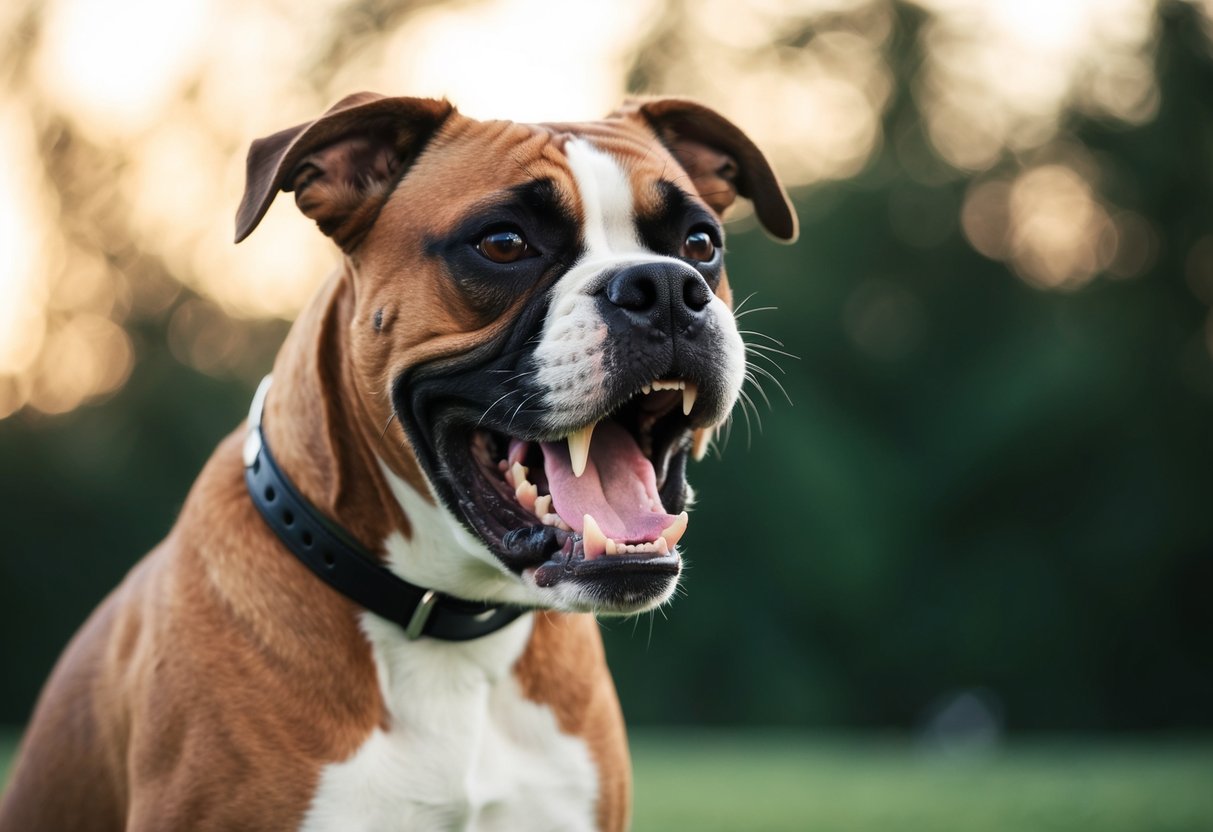
Boxer dogs are known for their energetic and loyal nature. They make great family pets but require proper training and socialization to thrive. Understanding their characteristics and the importance of training will help you nurture a well-behaved companion.
Characteristics and Temperament
Boxers are medium to large dogs with a strong, muscular build. They are often playful and friendly, making them excellent family pets. Their high energy levels mean they need regular exercise and mental stimulation. Boxers are known for their loyalty to their families. This breed tends to be protective, which can make them good guard dogs.
However, their temperament can vary based on genetics and upbringing. Some may showcase strong guarding instincts, while others may be more relaxed. It’s essential to recognize that a lack of socialization can lead to behavioral issues. Early exposure to different environments and people is vital in shaping a well-adjusted dog.
Socialization and Training Importance
Training and socialization are crucial for Boxers. Starting with early socialization helps them learn to interact well with other dogs and people. Proper exposure can reduce the chances of aggressive behavior stemming from fear or anxiety.
Using positive reinforcement techniques encourages good behavior. Rewarding your Boxer with treats or praise when they listen can strengthen their bond with you. Be consistent with your commands and expectations, as Boxers thrive on routine. Obedience training is also important to help them develop good manners.
With dedicated training and plenty of love, your Boxer can grow into a well-mannered pet that fits beautifully into your family dynamics.
Addressing Biting Concerns in Boxers

If you’re concerned about biting in Boxers, it’s important to understand why this behavior occurs and how to manage it. Boxers may bite for various reasons, including play, teething, or fear. Understanding these causes helps you take action.
Why Boxers May Exhibit Biting
Boxers are energetic and playful dogs. Their natural tendency to use their mouths can lead to playful biting during games. Teething can also cause discomfort, prompting them to chew and nip to relieve pain.
Fear-based aggression may occur if a Boxer feels threatened. This kind of biting can result from lack of socialization or negative experiences. Recognizing the signs of distress in your Boxer is crucial. Look for signs such as growling or backing away. Understanding these triggers helps you address biting proactively.
Preventing and Reducing Biting Instances
Training techniques are key to preventing biting. Start with bite inhibition exercises. This teaches your Boxer when to stop biting during play. Use consistent commands like “no” and reward them for gentle play.
Socialization plays a big role, too. Expose your Boxer to different people, sounds, and environments. The more experiences they have, the less likely fear-based biting will occur.
If biting persists, seeking professional help can be beneficial. Trainers can provide tailored guidance suited to your Boxer’s specific needs. With patience and the right techniques, you can reduce biting incidents and ensure a happy relationship with your pet.
Enhanced Activities for Boxer Dogs

Boxer dogs thrive on activity and stimulation. Keeping them engaged not only helps with their physical health but also supports their mental well-being. Here are some activities that you can integrate into their daily routine.
Exercise and Mental Engagement
Regular exercise is crucial for your Boxer’s health. Aim for at least 90-120 minutes of activity each day. Activities like fetch, long walks, or agility training are great options. Boxers are energetic, so varying their exercise routine keeps them interested and prevents boredom.
Incorporate mental stimulation through training sessions. Teaching new tricks or commands engages their minds. Use positive reinforcement to encourage your Boxer. This not only reinforces good behavior but also strengthens your bond. By mixing physical and mental challenges, you can create a fulfilling environment for your dog.
Appropriate Toys and Playtime
Choosing the right toys can make playtime more enjoyable for your Boxer. Interactive toys are excellent for keeping them engaged. These toys can challenge their problem-solving skills and distract them from play biting.
Chew toys are also essential. They satisfy your dog’s natural urge to chew and help to maintain dental health. Look for durable options that are appropriate for their size. Avoid small toys that could be a choking hazard. Rotate toys regularly to keep your Boxer excited and entertained.
Understanding Boxer Dog’s Bite

Boxer dogs are known for their strong build and playful nature. You might wonder how their bite compares to other dog breeds.
The bite force of a Boxer is estimated to be around 230 pounds per square inch (psi). This isn’t as strong as some breeds like the Kangal or Cane Corso, which can have bite forces over 700 psi. However, it’s still significant.
When we consider bite strength, we should remember that Boxers are not usually aggressive. They might bite if they feel threatened, but they are more prone to playful nipping than actual biting.
Here are a few important points about a Boxer’s bite:
- Playful Nature: Boxers love to play. They might use their mouths during playtime, which can feel like biting.
- Social Dogs: They are friendly and usually good with children and other pets, especially when properly trained.
- Protective Instincts: Boxers can protect their family if they sense danger, leading to a bite in rare situations.
Understanding your Boxer’s behavior can help you manage their interactions better. Always supervise them during play to prevent any accidental bites.


