
Many dog owners often hear the claim that certain breeds, including Boxer dogs, can “lock” their jaws when they bite. This idea can be quite concerning for anyone who loves their pets. The truth is that Boxer dogs do not have locking jaws; this is simply a myth. Understanding this can help you feel more at ease when interacting with Boxers or other breeds that might get a bad reputation.
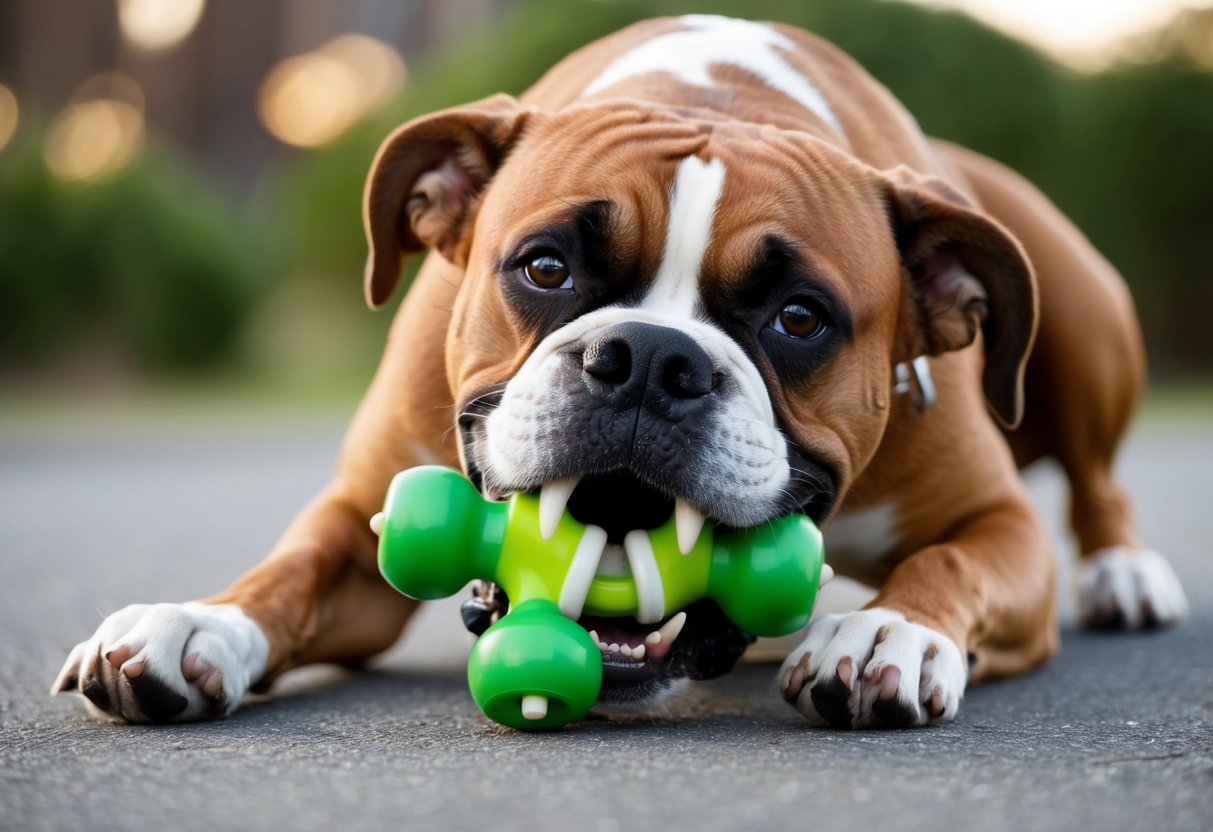
Boxer dogs are known for their playful nature and strong bite, but it’s important to know that they don’t have any special jaw structure that causes their jaws to lock. This myth likely stems from their strong grip and determination. With the right training and socialization, Boxers can be friendly, loving companions rather than something to fear.
By learning the facts about your furry friend, you can foster a deeper bond with your Boxer and educate others about the truth behind this common misconception. Knowing what’s real and what’s just a myth helps everyone enjoy the wonderful traits that Boxer dogs bring into our lives.
Understanding Canine Jaw Anatomy

Understanding your dog’s jaw anatomy gives you insight into how they chew and bite. Canine jaws are made up of different parts, including bones, muscles, and joints.
The temporomandibular joint (TMJ) connects the jawbone to the skull. It plays a vital role in movement, allowing your dog to open and close their mouth smoothly.
Several jaw muscles help with this movement. The most significant one is the temporalis muscle. This muscle sits on the side of your dog’s head and helps lift the jaw when they bite down.
Other muscles like the masseter and pterygoid also contribute to jaw strength and mobility. Together, these muscles allow your dog to eat, play, and even bark effectively.
Each breed has unique features in their jaw structure. For instance, Boxers often have a specific jaw shape that allows for strong bites. Misalignments, such as underbites or overbites, can sometimes occur in certain breeds, affecting their biting ability.
Keeping your dog’s teeth clean and healthy is essential. Regular dental care supports good jaw health and overall well-being. Understanding these basics of canine anatomy will help you take better care of your furry friend.
The Myth of Locking Jaws in Boxers

There are many myths around dog breeds, including Boxers. One of the most common misconceptions relates to the idea that Boxers have a locking mechanism in their jaws. This section will clarify the myths and highlight the truths about Boxer jaws.
Examining the Lockjaw Myth
The belief that Boxers or other dog breeds can lock their jaws is simply a myth. No scientific evidence supports the idea of a locking mechanism in dog jaws.
Instead, a dog’s jaw operates like a hinge joint. It allows opening and closing but does not lock in place.
Some people associate strong jaws with this myth. While Boxers do have powerful jaws, this does not mean they have a special locking ability. The strength in their bite is just a trait of the breed, not a different anatomical feature.
Common Misconceptions and Controversies
Misunderstandings about locking jaws often stem from urban legends. These tales create fear and distrust around specific breeds, like Boxers and Pit Bulls.
The idea that these dogs can “lock” onto something and not let go is just not accurate. Misconceptions make it seem like certain breeds are more dangerous, but it’s important to know that bite strength varies among all dog breeds based on their size and muscle.
These myths can lead to negative perceptions. It’s always good to seek reliable information about any breed so you can appreciate their unique qualities without the influence of myths.
Comparing Boxer Jaw Strength to Other Breeds
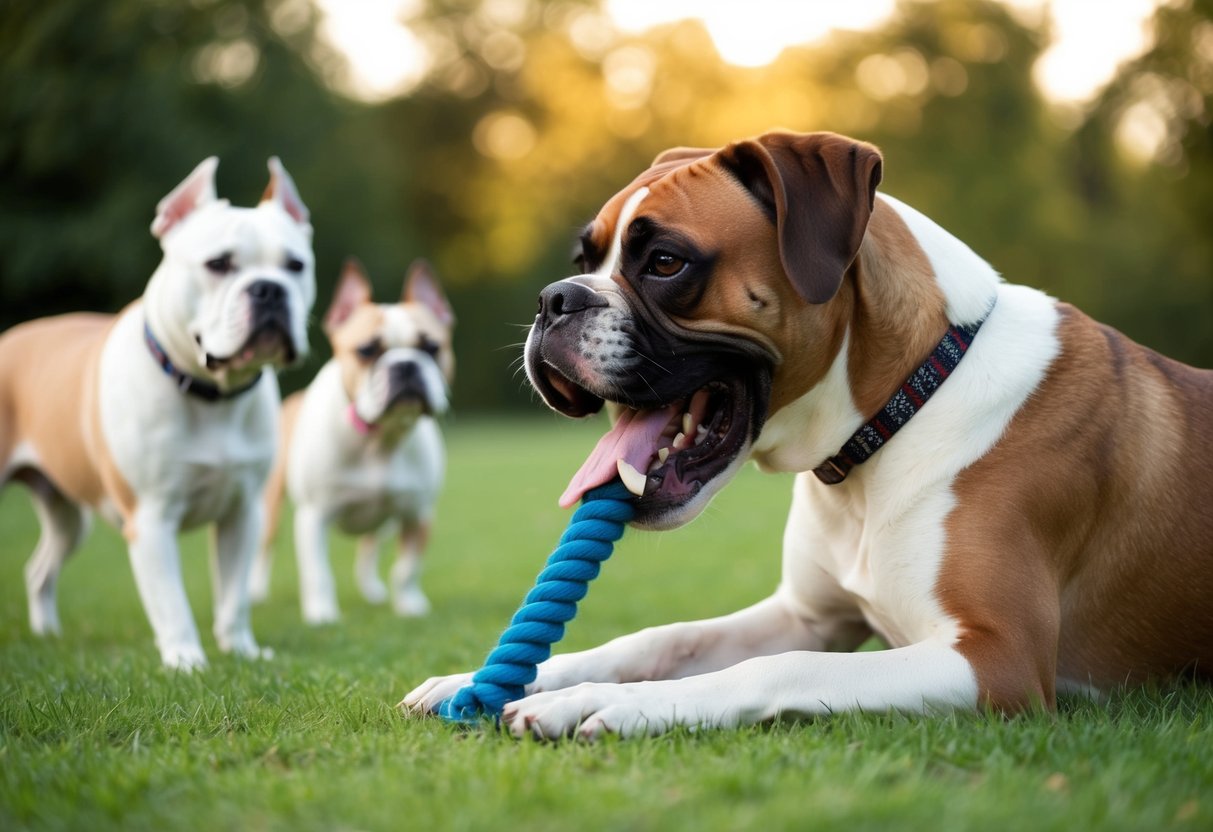
Boxer dogs have a notable jaw strength that often leads to comparisons with other breeds. Understanding how their bite force stacks up against other popular breeds can help you appreciate the unique characteristics of Boxers.
Bite Force Comparisons Among Dog Breeds
When looking at bite force, Boxers are fairly strong, typically measuring around 230 to 250 PSI (pounds per square inch). This is impressive when compared to other breeds.
For instance, the Rottweiler has a bite force of about 328 PSI. Meanwhile, the Mastiff possesses an even stronger bite at around 556 PSI. The American Pit Bull Terrier and American Staffordshire Terrier both have similar bite forces, ranging from 235 to 250 PSI.
In contrast, German Shepherds have a bite force around 238 PSI, which is close to what Boxers offer. Bulldogs are less strong with bite forces around 305 PSI. Lastly, Doberman Pinschers, known for their athleticism, have a bite force similar to Boxers, around 245 PSI.
Understanding these comparisons can help you recognize the strength of your Boxer while also keeping in mind the bite capabilities of other breeds.
Training and Behavior

Training your Boxer is crucial for their well-being and safety. Proper socialization and understanding their behavior can help prevent issues related to aggression and biting. Here’s what you need to know.
Promoting Proper Socialization and Training
Socialization is vital for Boxers. Start early by exposing your dog to various people, pets, and environments. This exposure helps them develop confidence and reduces the chances of fearful behavior later.
Using positive reinforcement is key. Reward good behavior with treats, praise, or playtime. This approach encourages your Boxer to learn and obey commands.
Consistency in training sessions builds your dog’s trust in you and strengthens your bond.
In addition, consider enrolling in puppy classes or obedience training. These programs provide structured environments where Boxers can learn alongside other dogs. This experience promotes better social skills and a well-adjusted adult dog.
Understanding Aggression and Bite Incidents
Boxers are strong dogs with significant muscle mass. They have an energetic nature and may exhibit aggressive behaviors if they are not trained properly. Understanding potential triggers is essential.
Be alert to signs of anxiety or aggression. These can include growling, baring teeth, or a stiff body posture. If you notice these behaviors, address them immediately with the help of a professional trainer.
A properly trained and socialized Boxer is less likely to bite. Focus on teaching your dog how to interact positively. This minimizes the risk of bite incidents and enhances their behavior.


