
When it comes to dog bites, understanding which breeds are more likely to bite can help keep you and your loved ones safe. Statistics show that mixed breeds are often involved in the highest percentage of bite incidents, followed closely by breeds like German Shepherds and others. Knowing this information can be crucial for dog owners and potential adopters alike.

Many people may think all dogs are the same, but certain breeds have been identified as more prone to biting. This can be due to factors like temperament, training, and socialization.
As you read through this article, you’ll discover not only which breeds have the highest bite rates but also what can be done to minimize the risk of dog attacks.
By learning about dog bite statistics and understanding the behaviors of different breeds, you can make informed decisions regarding dog ownership. Whether you’re a current pet owner or considering adopting a dog, knowledge is your best tool in promoting a safe environment for everyone.
Understanding Dog Bite Statistics

Dog bites are more common than many people realize. In the U.S., about 4.5 million dog bites happen each year. Understanding which breeds are involved can help keep you and your loved ones safe.
Prevalence of Dog Bites and Attacks
Dog bite incidents can vary greatly. The American Veterinary Medical Association notes that nearly 50% of dog bite victims are children. This highlights the need for careful supervision around dogs, especially for young kids.
Unneutered male dogs are often involved too. Studies show they are responsible for 70% to 76% of bites. If you have a dog, consider neutering to help reduce aggressive behavior.
Reports suggest that approximately 800,000 dog bite victims require medical attention annually. This number signals the importance of education around dog behaviors and safe interactions.
Breeds with Higher Incidences
Certain breeds appear more frequently in dog bite statistics. Pit bulls often receive a lot of attention for being involved in serious incidents. Their strong build and energy can lead to aggressive behavior if not trained properly.
Rottweilers and German Shepherds also show higher bite rates. These breeds are known for loyalty but can become protective, especially if not socialized well.
Interestingly, smaller breeds like Chihuahuas and Bulldogs are involved too. While their bites might not be as damaging, they still contribute to the overall numbers. Mixed breeds also feature prominently in these statistics.
To stay safe, understanding these breed tendencies can be key in preventing dog bite incidents. Always remember that training, socialization, and responsible ownership are crucial in reducing risks.
The Impact of Dog Bites

Dog bites can lead to serious consequences for both the victim and the dog owner. Understanding the physical and psychological effects, as well as the need for medical care, is important. Here are the key aspects that you should know.
Physical and Psychological Consequences
Dog bite injuries can vary from minor scratches to severe wounds requiring surgery. Common injuries include puncture wounds, lacerations, and bruises. The most affected areas are often the face, arms, and legs.
Beyond physical injuries, psychological impacts can be significant. Victims may experience anxiety, fear, or even post-traumatic stress disorder (PTSD). Children are especially vulnerable and may become fearful of dogs, affecting social interactions.
In some cases, fatal dog attacks can occur, especially with larger breeds or when dogs are not properly trained. This adds a layer of fear and stigma regarding certain breeds, influencing public perceptions and policies around dog ownership.
Hospitalization and Emergency Care
Seeking prompt medical attention is crucial after a dog bite. Emergency rooms treat countless cases of dog bite injuries. In 2023, for instance, emergency room visits for dog bites included a significant number that required reconstructive surgeries.
Hospitalization may be necessary for serious dog bite injuries. This can involve staying overnight and undergoing multiple treatments, such as wound care and infection prevention.
Not only is immediate medical care important, but follow-up appointments are often required to ensure proper healing. Keep in mind that untreated bites can lead to severe infections or other long-term complications, emphasizing the need for quick action when injuries occur.
Legal and Economic Aspects
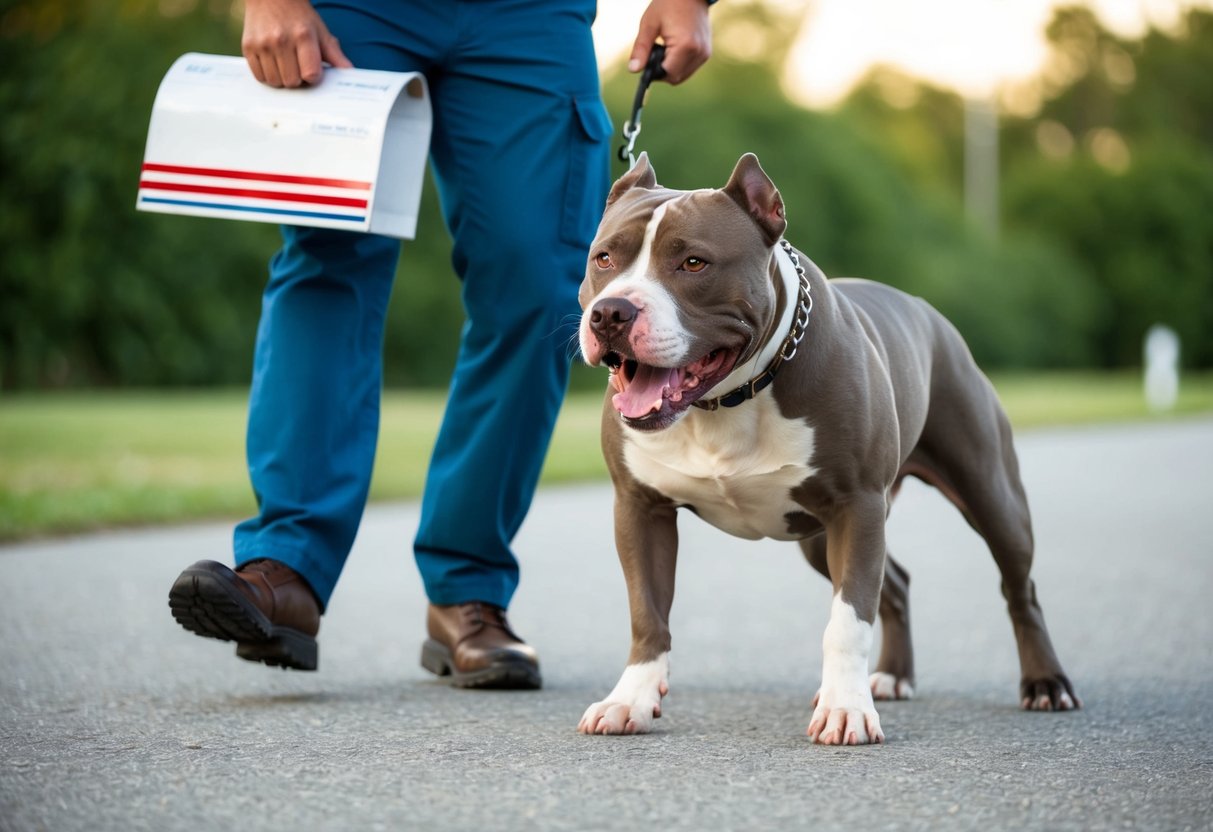
Understanding the legal and economic implications of dog bites is crucial. This section covers breed-specific laws and the liability issues that can arise from dog bites, which can significantly affect you as a dog owner or victim.
Breed-Specific Legislation
Breed-specific legislation (BSL) targets particular dog breeds deemed dangerous. While the intent is to reduce dog bite incidents, it often leads to confusion and debate. Laws vary by location, so you need to know your local regulations.
Many places impose restrictions on breeds such as Pit Bulls or Rottweilers. You could face tough penalties, like fines or even having your dog removed. Always check local dog bite laws to stay informed.
The effectiveness of BSL is often questioned. Critics argue that it does not address the behavior of individual dogs or the responsibility of owners. You must consider training and socialization as key factors in preventing bites, rather than solely focusing on the dog’s breed.
Insurance and Liability Issues
Dog bite claims can lead to serious financial implications for owners. If your dog bites someone, you may face liability issues. In many states, dog bite laws follow the “one-bite rule,” where the owner is held liable only if the dog has a history of aggression.
Homeowner’s insurance usually covers dog bite incidents, but many policies exclude certain breeds. It’s essential to review your insurance policy to ensure you’re protected. You want to avoid costly lawsuits that can arise from dog attacks, which can involve medical expenses and legal fees.
If a bite occurs, be prepared to document the incident. Having clear records can help you navigate potential dog bite lawsuits. Being proactive can save you from stressful legal issues down the road.
Preventing Dog Bites

Preventing dog bites is essential for ensuring safety for both people and dogs. Understanding responsible ownership and educating the public can make a significant difference in reducing incidents.
Responsible Ownership
As a dog owner, your responsibility begins with choosing the right breed for your family. Some breeds are more prone to aggression, so consider a dog that matches your lifestyle.
Regular training is vital. Teaching your dog basic commands can help manage their behavior. Use positive reinforcement to encourage good behavior and build a trusting relationship.
Socializing your dog early on is crucial. Expose them to different environments, people, and other pets. This helps reduce anxiety and fear, which can lead to aggressive behavior.
Finally, always supervise interactions between your dog and children. Teach your kids how to approach and interact with dogs respectfully to minimize risks.
Educating the Public
To reduce dog bites, we need to make sure the public is aware of the issue. One way to do this is by informing people about dog behavior. When people understand canine body language, they can recognize signs of unease. This can help prevent potentially dangerous situations.
Another way to educate the public is by holding workshops or events. These should focus on safe dog interactions. You can also encourage your neighbors to participate and promote responsible pet ownership.
Additionally, you should share resources about common aggressive dog breeds. Make sure to explain the importance of understanding each breed’s traits. This knowledge can help people predict a dog’s behavior.
Another important thing to do is to encourage responsible pet adoption. Educate potential owners about the needs and behaviors of different breeds. This will help ensure families choose the right companion for their lifestyle.


