
If you own a Boxer, you’ve likely noticed that they tend to pant quite a bit. Boxers do pant a lot, and this is often normal behavior for the breed. They are energetic and playful, which means they naturally cool down by panting after exercise or playtime.
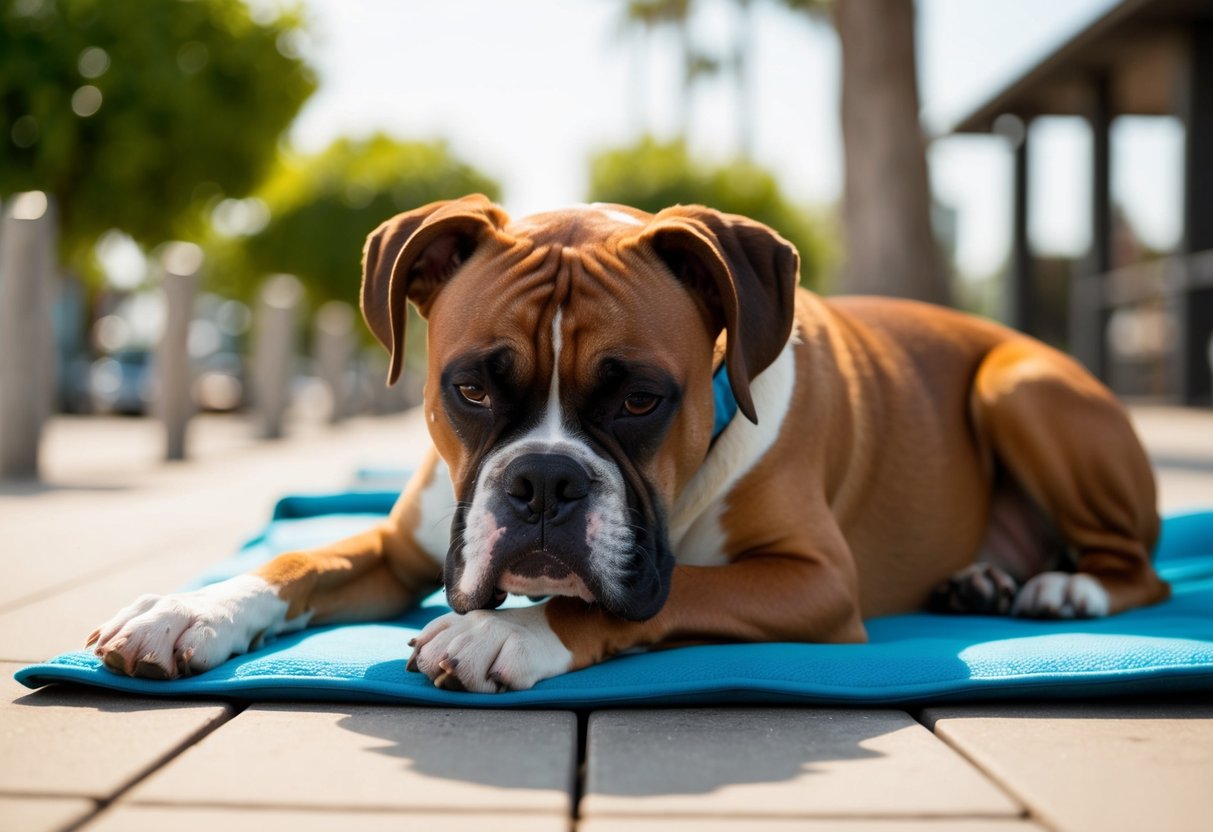
As a brachycephalic breed, Boxers have shorter noses, which can make breathing a bit harder. This can lead to more frequent panting, especially in warm weather or during intense activities.
Understanding your Boxer’s panting patterns will help you know when it’s just their way of coping with excitement or heat.
It’s important to pay attention to the context of the panting. While it’s usually nothing to worry about, excessive or sudden panting can sometimes signal a problem. Knowing how to read your dog’s signs can keep them happy and healthy.
Understanding Panting in Boxers
Panting is a natural behavior in dogs, especially in Boxers, who are brachycephalic. This section explores their unique breathing traits and typical panting patterns to help you better understand your Boxer’s needs.
Breathing Characteristics of Brachycephalic Breeds
Boxers, like other brachycephalic breeds such as pugs and French bulldogs, have short noses and flat faces. This structure affects their ability to breathe efficiently.
Their narrow airways can lead to breathing difficulties, especially during hot weather or after exercise. When they pant, it is primarily to cool down. Your Boxer might pant more than other breeds because they can struggle to take in enough air.
Brachycephalic dogs can also experience anxiety and stress, which may cause them to pant excessively. Recognizing these signs is key to keeping your Boxer comfortable and safe.
Typical Panting Patterns in Dogs
Panting is common in all dogs, but each breed has different patterns. You may notice your Boxer panting when playing, during hot weather, or when they’re anxious.
Normal panting can be quick and shallow, helping your dog regulate their temperature. If you observe heavy or labored panting, it may be a sign of a problem.
In addition to heat, stress from loud noises or separation can cause increased panting. Be attentive to these situations. Understanding your dog’s breathing patterns will help you respond effectively to their needs.
Health-Related Causes of Panting
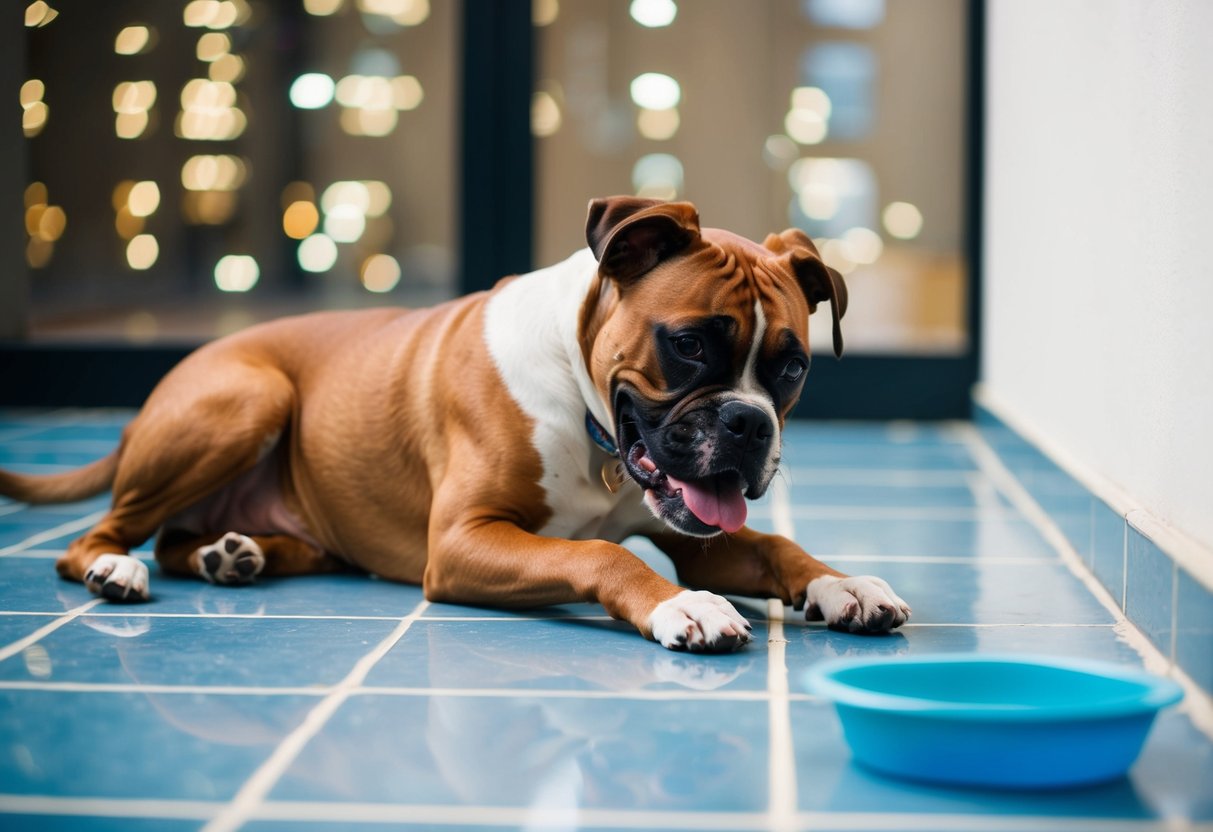
Panting in Boxer dogs can be due to various health-related issues. Understanding these causes is important to ensure your pet’s well-being. Below are key medical conditions that can lead to excessive panting.
Panting and Heart Disease
Heart disease in dogs can make them breathe harder and pant excessively. If your Boxer has heart issues, they may show other signs, such as fatigue, coughing, or difficulty exercising.
A veterinarian can help diagnose heart disease through tests like X-rays or ultrasounds. It’s crucial to be observant of any changes in your pet’s breathing pattern. If your dog seems to pant more after minimal activity, this could be a sign of a heart problem.
Cushing’s Disease and its Symptoms
Cushing’s disease occurs when the body produces too much cortisol. This condition can lead to increased thirst, hunger, and urination, along with excessive panting.
If your Boxer has this disease, you may notice a pot-bellied appearance or thinning skin. A veterinarian can confirm the diagnosis through blood tests and urine analysis. Early detection is important to manage this medical condition effectively and keep your dog comfortable.
Panting as a Sign of Anxiety
Dogs can experience anxiety for various reasons, and this can lead to excessive panting. Possible triggers include loud noises, separation from you, or changes in their environment.
Signs of anxiety can also include pacing, drooling, or destructive behavior. If your Boxer shows these symptoms, consider consulting a veterinarian for help. They may recommend training or calming aids to reduce your dog’s stress and improve their comfort.
Recognizing When Panting is Problematic
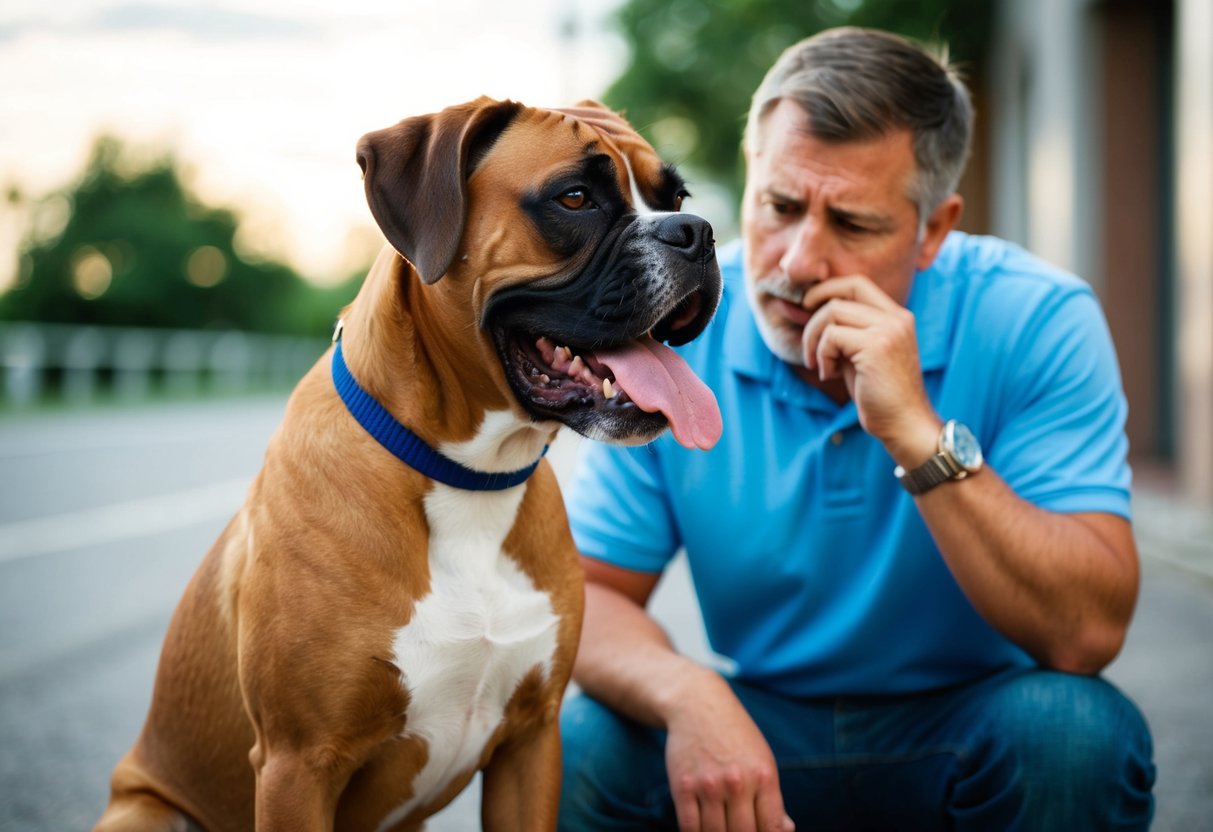
Panting is common in Boxer dogs, but there are times when it may signal a problem. Knowing the signs of excessive panting and other warning indicators can help you take prompt action if needed.
Signs of Excessive Panting in Boxers
Watch for heavy panting that lasts longer than normal after exercise or excitement. If your Boxer is panting heavily while resting or during cool weather, it could be a sign of distress.
Other signs include:
- Pacing or restlessness: If your dog can’t settle down, this may indicate discomfort.
- Drooling: Excessive drooling can accompany heavy panting and may signal overheating or stress.
- Changes in behavior: If your playful dog suddenly becomes withdrawn, take note.
Changes in Gum Color and Other Warnings
Check your Boxer’s gums regularly. Healthy gums should be a pink color. If you notice a bluish or pale tint, this may indicate poor oxygen circulation, which is serious.
Other warning signs include:
- Rapid heartbeat: If your dog’s heart is racing without reason, this is a concern.
- Weakness or lethargy: If your normally active dog seems weak or tired, act quickly.
These changes, along with excessive panting, require immediate veterinary attention. Keep an eye out for these signs to keep your furry friend healthy and happy.


