
Boxing is not just a physical sport; it’s an emotional journey that often reveals deep feelings. When you watch boxers in the ring, you might notice their intense expressions and emotional reactions. Boxers are so emotional because they put their hearts and souls into the sport, facing personal struggles, pressure to succeed, and the constant fight against their own minds. This mix of passion, vulnerability, and mental challenges shapes how they express their emotions.
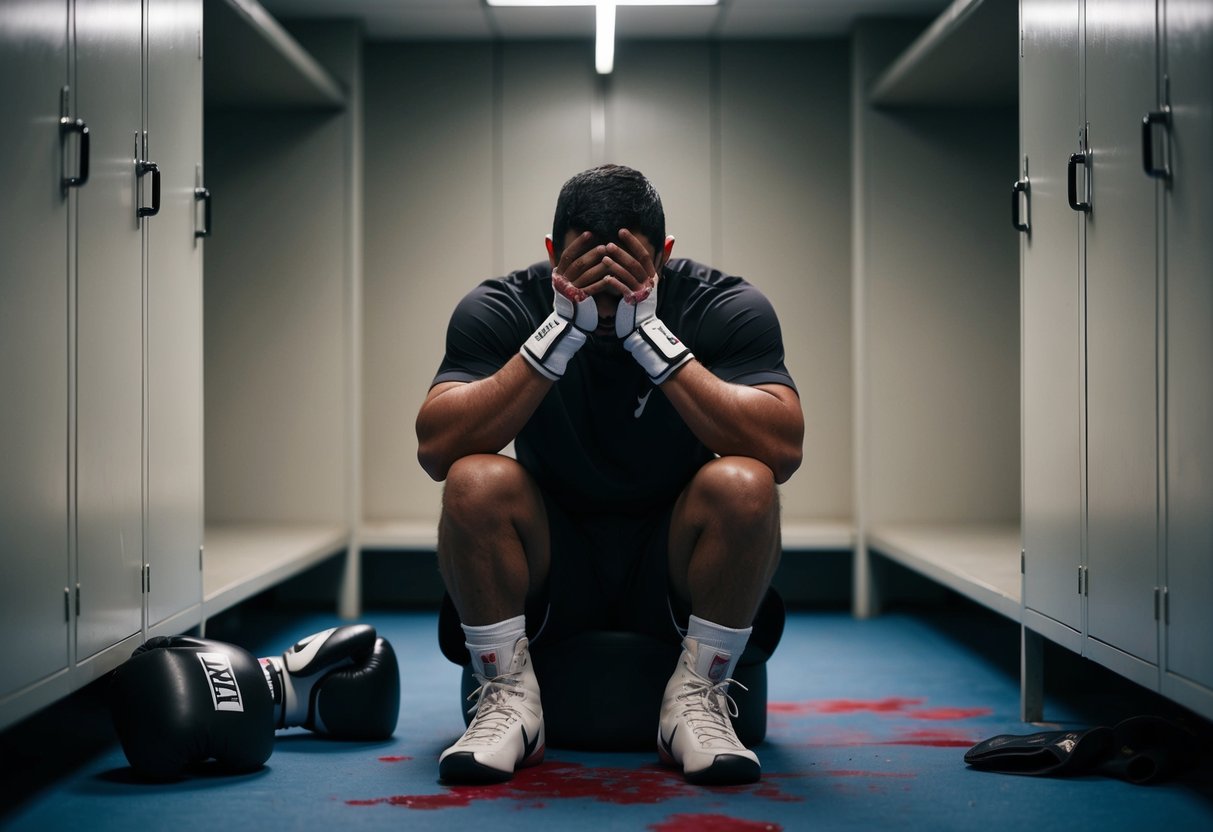
As you explore the boxing world, you’ll see that mental toughness goes hand in hand with emotional depth. Many boxers use techniques like mindfulness and meditation to control their feelings and enhance their performance. The gym setting itself fosters camaraderie and strong connections, making it a rich environment for emotional expression.
Understanding why boxers feel so intensely can offer insights into their struggles and triumphs. It’s a sport where strength is tested, but so are emotional limits. There’s much more to uncover about the emotional landscape of boxers, and it’s a story worth diving into.
The Emotional Landscape of Boxers

Boxing is not just a physical sport; it involves deep emotional experiences. Boxers face unique psychological challenges and may be influenced by their genetics. Let’s explore how these factors contribute to their emotional landscape.
Psychological Stresses in Boxing
Training and competition create high levels of stress for boxers. They must manage fear, anxiety, and pressure to perform. The intense environment can lead to emotional states that are hard to navigate.
Moreover, injuries can trigger feelings of frustration and helplessness. Boxers often push through physical pain, which can affect their mental health. Emotional control becomes vital. Managing emotional reactions during fights can directly impact their performance.
Being mentally tough is critical, but it can lead to isolation. Many boxers struggle to express their emotions. Open discussions about emotional health are essential to support their well-being.
Impact of Genetics on Boxer’s Emotions
Genetics plays a role in how boxers experience emotions. Some may have a natural predisposition to heightened emotional responses or mental health issues. Research shows that certain genetic factors can influence aggression and stress reactions.
These traits can affect how you cope with the challenges of boxing. If you find yourself easily overwhelmed, it may link to genetic factors. Awareness of these influences can help you address emotional health better.
Understanding your genetic background can give you insights into your emotional patterns. Being proactive about mental health, possibly with professional support, can make a significant difference in your boxing journey.
Coping Mechanisms and Support Systems
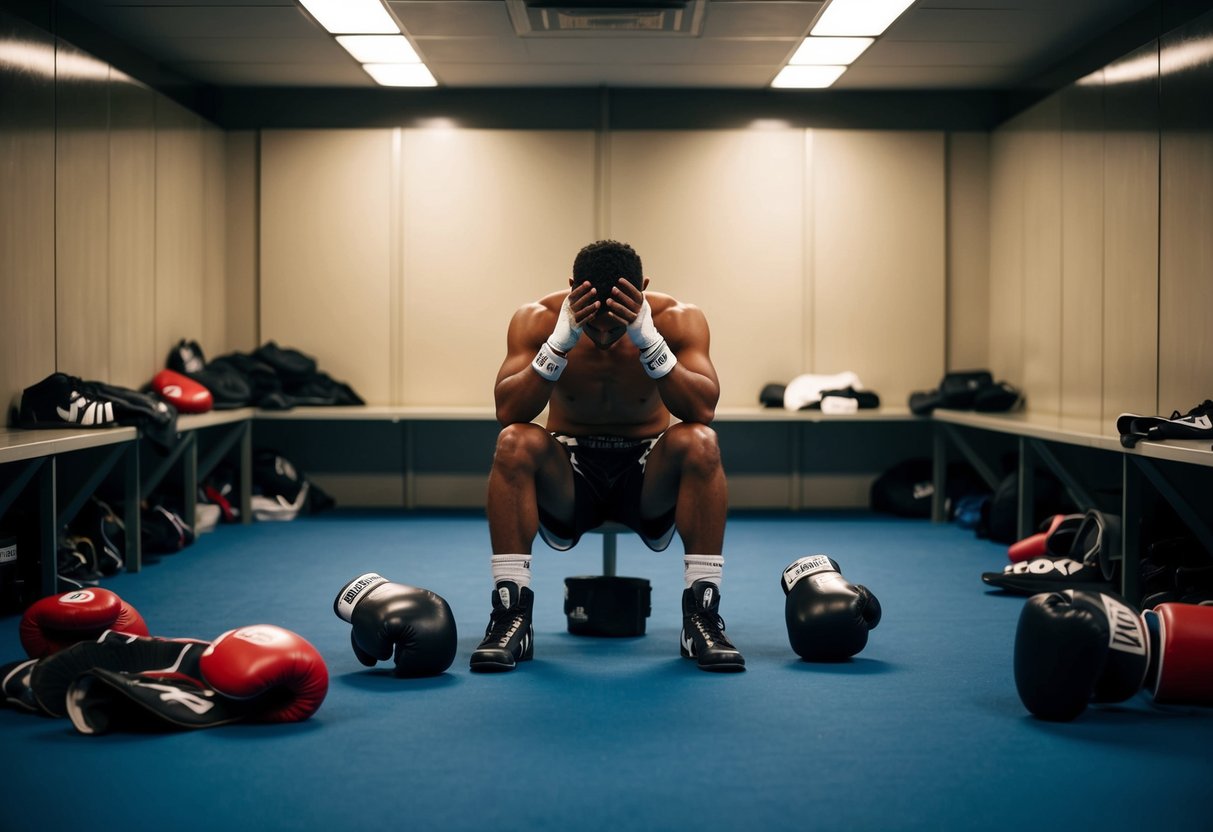
Emotions in boxing can be intense. Understanding coping mechanisms and support systems is key to managing these feelings. This section will cover how mental conditioning helps and the importance of networks for emotional well-being.
The Role of Mental Conditioning
Mental conditioning is vital for boxers. It helps you develop resilience, enabling you to bounce back from tough situations. Techniques like meditation, mindfulness, and even yoga can calm your mind and sharpen your focus.
Many boxers work with sport psychologists who offer strategies tailored to your needs. You can learn how to manage stress and emotions during fights. Therapy also plays an important role by providing a confidential space to express feelings. These practices can enhance your performance and emotional control.
Support Networks for Emotional Well-Being
Having a strong support network is essential. Surround yourself with friends, family, and fellow boxers who understand the challenges you face. They can offer encouragement and a listening ear when times get tough.
Connecting with others who share similar experiences can ease feelings of isolation. Sharing stories and strategies can boost your emotional health. Also, consider joining support groups or communities focused on boxing. These spaces promote discussion and provide valuable insights. Remember, no one has to go through their struggles alone.
Physical Health and Emotional State
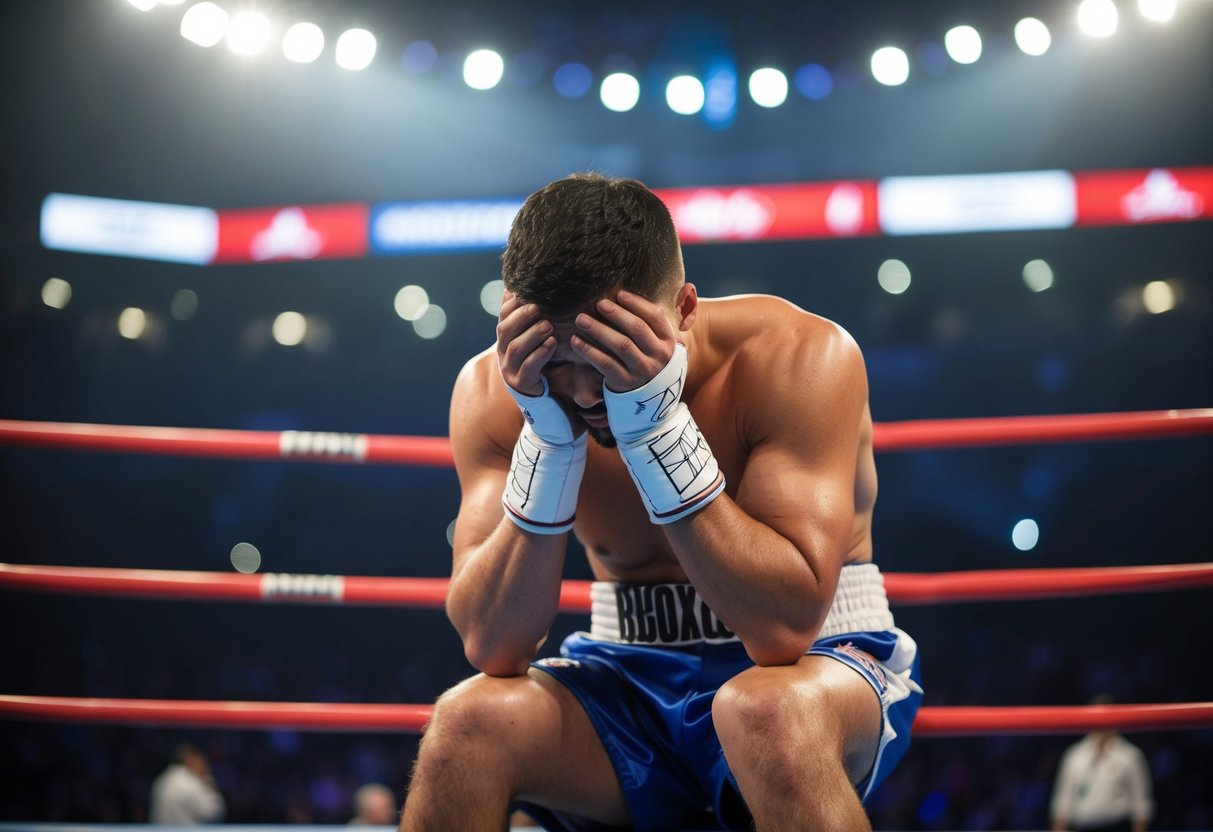
Physical health plays a vital role in your emotional well-being. For boxers, maintaining a strong body directly influences how you manage your emotions. Exercise and brain health are closely linked. Understanding these concepts can help you appreciate why boxers experience strong emotions.
Exercise and Emotional Regulation
Regular exercise acts as a powerful tool for regulating emotions. When you train, your body releases endorphins, which are chemicals that enhance your mood. This is essential for you as a boxer since a positive mindset directly influences your performance in the ring.
Boxing requires self-control and discipline. By pushing through tough training sessions, you develop mental resilience. This resilience helps you manage stress better and cope with emotional challenges. The routine and structure that comes with consistent training also provide a sense of stability, which can be comforting during high-pressure situations.
Concussions and Their Mental Health Impact
Concussions are a serious concern for boxers. They can lead to lasting effects on your brain and emotional state. The trauma from repeated blows can cause issues like anxiety, depression, and mood swings.
Protective measures are crucial to minimize these risks. Proper headgear and training techniques help prevent concussions. It’s also important to recognize the signs of concussion early. Seeking help for symptoms not only protects your physical health but also your emotional well-being. Knowing when to take a step back can help maintain a healthy balance between training and recovery.
Public Perception and Personal Battles
Boxers like Tyson Fury demonstrate how public opinion can clash with personal struggles. Despite being an elite athlete, Fury has openly shared his battles with mental health. His journey highlights the stigma athletes face regarding emotions.
You may think that winning in the ring equates to confidence in life. However, many fighters deal with self-doubt, even after great victories. The pressure is enormous, and the fear of not meeting expectations can weigh heavily.
There is also a growing concern about suicide rates among athletes due to the emotional turmoil they endure. Being in the spotlight can isolate boxers from seeking help. It’s vital to foster understanding and support for athletes facing such challenges.


