
If you’re thinking about getting a Boxer, you might wonder if they are clingy dogs. Boxers are known for being affectionate and forming strong attachments to their owners, often seeking companionship through closeness and cuddling. They thrive on interaction and can sometimes exhibit clingy behavior, which is just part of their loving nature.
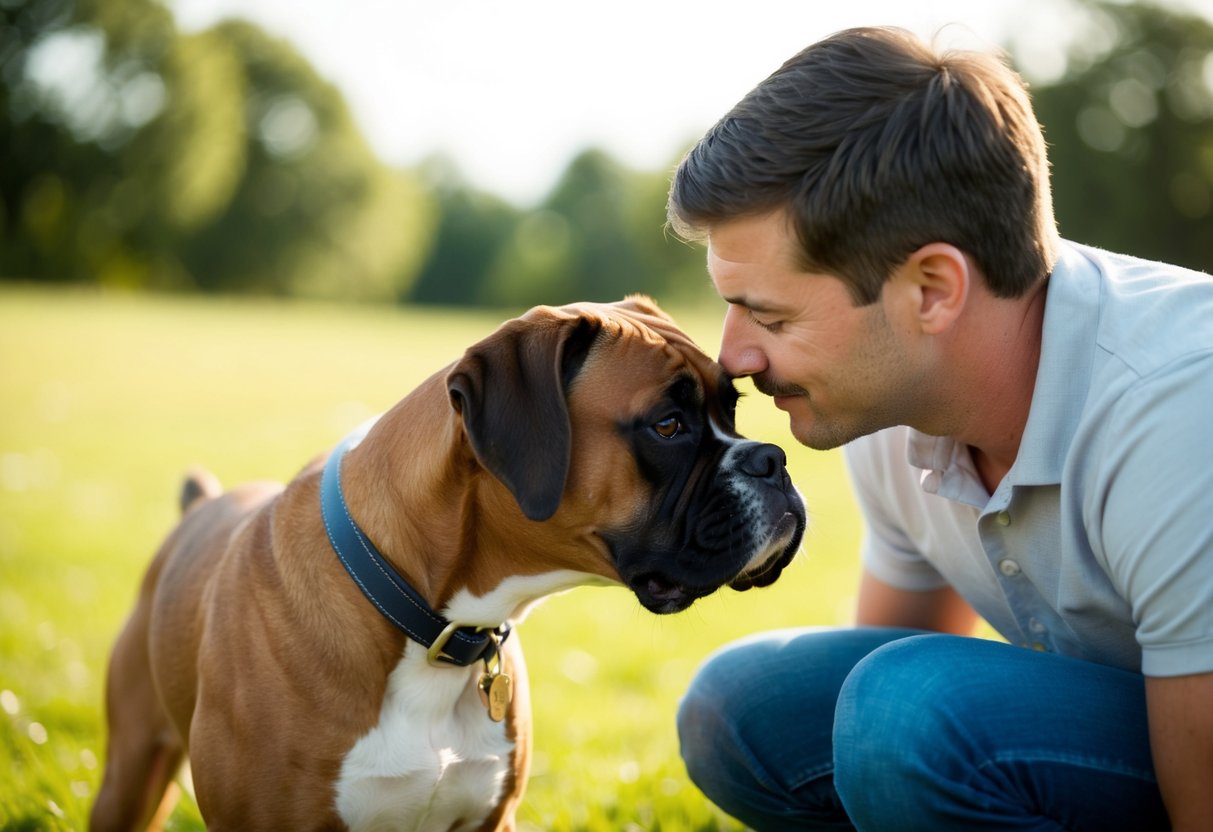
These playful and energetic dogs love to be around their families. They communicate their love in various ways, whether it’s climbing onto your lap or following you from room to room. Understanding this behavior can help you appreciate the special bond you’ll share with your Boxer.
As you explore the traits of Boxers, you’ll discover that their desire for companionship makes them not just pets, but true family members. Their clinginess is often a sign of their loyalty and affection, making them wonderful companions for those who enjoy a close relationship with their dog.
Understanding Boxer Dogs
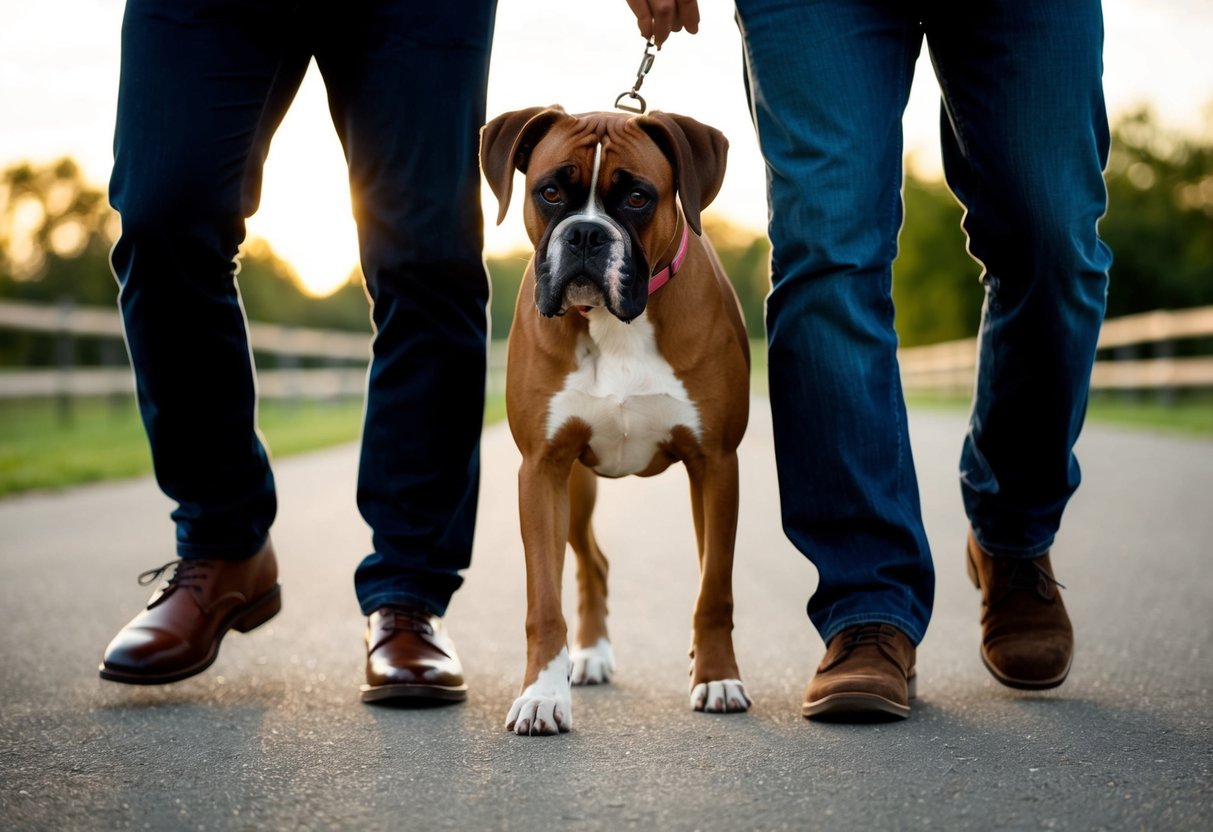
Boxers are known for their unique blend of traits that make them loving and energetic pets. Their intelligence, social nature, and affectionate demeanor create strong bonds with their owners. Let’s take a closer look at their breed traits and common behavior patterns.
Breed Traits and Temperament
Boxers have a high energy level that keeps them active and playful. This breed requires regular exercise to stay healthy and happy. They thrive in environments where they can run and play, making them perfect companions for active families.
Their intelligence is notable as well. Boxers are quick learners, which is why training can be fun and rewarding. They often enjoy learning new tricks and commands, which helps stimulate their minds.
The social nature of Boxers is another key quality. They tend to bond closely with their families, being incredibly loyal companions. This loyalty can sometimes make them quite clingy, as they love to be near you.
Common Behavior Patterns
Boxers express their affection in various ways. You might notice them leaning against you or following you from room to room. This desire for closeness is natural and stems from their affectionate nature.
They are also known for being playful and engaging. Boxers have a knack for making you laugh with their silly antics. These dogs often enjoy playtime, whether it’s fetching a ball or just romping around the yard.
As loyal dogs, they may display protective behavior towards their families. While generally friendly, they can be wary of strangers, making them good watchdogs. Embracing these behaviors can help you understand and bond better with your Boxer.
The Clinginess of Boxers

Boxers are known for their affectionate nature, which often leads to clingy behavior. Understanding the factors that contribute to this clinginess can help you manage it better. You also might find it interesting to see how Boxers compare to other popular breeds.
Factors Contributing to Clinginess
Several reasons explain why Boxers tend to be clingy. First, they are very loyal dogs that form strong bonds with their owners. This loyalty makes them want to stay close to you for companionship.
Boxers also require a lot of mental stimulation and exercise. Without enough playtime and activities, they can become bored. This boredom sometimes leads to clinginess as they seek your attention. If a Boxer feels anxious, such as during changes in their routine, this can heighten their need for constant companionship.
Another reason for clingy behavior in Boxers is their history as working dogs. They were bred to work alongside humans, creating a dependency that continues today. If not managed, their affection can lead to destructive behavior when they feel neglected or anxious.
Comparing Boxers to Other Breeds
When comparing Boxers to other popular breeds, such as Labrador Retrievers and Golden Retrievers, some differences stand out. While all three breeds enjoy being near their owners, Boxers might be slightly more clingy, often referred to as “velcro dogs.”
Labradors and Golden Retrievers are also known for their loyalty, but they may not cling as much as Boxers do. They often balance their independence with affection. If you’re considering a Boxer, be prepared for a dog that will want to be by your side, seeking your constant company and reassurance.
Improving Independence in Boxers
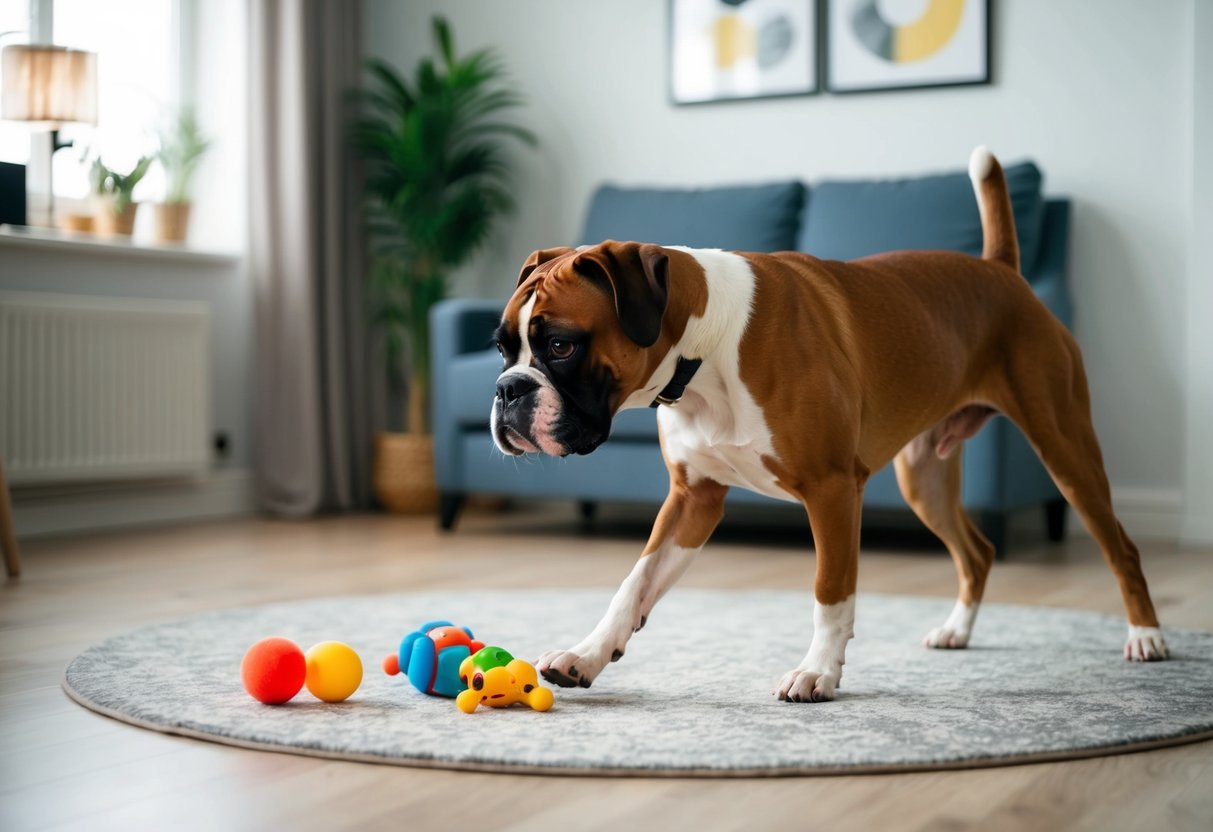
Helping your Boxer become more independent takes patience and the right approach. By using positive training techniques and ensuring proper socialization, you can encourage your dog to feel secure when alone.
Positive Training Techniques
To improve your Boxer’s independence, focus on positive reinforcement training. Start by teaching basic obedience commands like “sit” and “stay.” Use treats and praise to reward good behavior consistently. This builds trust between you and your dog.
You can gradually increase the time your Boxer spends alone. Begin with short periods, rewarding them for calm behavior. Interactive toys or puzzles can keep them occupied while you’re not around.
Creating a routine can also help. Set specific times for training sessions, play, and quiet time. Your Boxer will learn to feel secure knowing what to expect, which encourages more independence.
Ensuring Proper Socialization
Socializing your Boxer from a young age is key to improving their independence. Introduce them to different environments, people, and other pets. This helps build their confidence and adaptability.
Consider joining dog sports or agility training classes. Not only is this fun, but it also teaches your Boxer to work independently and trust their skills.
Remember to expose your dog to various breeds, like German Shepherds or Cavalier King Charles Spaniels, to enrich their experiences. A well-socialized Boxer will be less clingy and more comfortable when left alone, fostering a more relaxed and confident nature.
Supporting Your Boxer’s Well-Being

To ensure your Boxer thrives, focus on providing ample exercise and mental stimulation, along with opportunities for play. These elements not only enhance their physical health but also strengthen the emotional bond you share.
Exercise and Mental Stimulation
Boxers are high-energy dogs that need regular exercise. Daily walks or runs help burn off excess energy. Aim for at least an hour of activity each day. This can include games of fetch, agility training, or visits to a dog park.
Mental stimulation is just as important. Activities like puzzle toys or obedience training provide challenges that keep their minds engaged. Consider teaching new tricks or commands using positive reinforcement, which builds trust and strengthens your relationship.
Creating a Bond Through Play
Your Boxer’s emotional well-being benefits from playtime. Games like tug-of-war or hide-and-seek foster companionship and strengthen your bond. These fun interactions help your dog feel valued and loved.
Boxers thrive on attention because they are affectionate by nature. Spend quality time with them to reinforce their loyalty and devotion. Not only will this reduce clinginess, but it will also enhance their overall happiness and trust in you. Regular play encourages a strong connection and fulfills their need for companionship.


