
When choosing between male and female dogs, many future pet owners wonder which gender is more loyal. People often share opinions about the differences in loyalty between male and female dogs, leading to some confusion. However, research shows that loyalty is less about gender and more about the dog’s upbringing and training.

Each dog has its own unique personality, regardless of whether it is male or female. The bond you form with your dog plays a crucial role in how loyal they will be. With proper training, attention, and love, both male and female dogs can be incredibly devoted companions. This makes it essential to focus on individual characteristics rather than general stereotypes.
Understanding that loyalty doesn’t hinge solely on gender can help you make a more informed choice when selecting your furry friend. Building a strong relationship with your dog will ensure a lifelong bond filled with love and loyalty, no matter which gender you choose.
Understanding Canine Loyalty

Canine loyalty is a unique and important aspect of your dog’s behavior. It is shaped by several factors, including how you interact with your dog and the characteristics of different breeds. Understanding loyalty will help you strengthen your bond with your furry friend.
Defining Loyalty in Dogs
Loyalty in dogs is often observed as a strong attachment to their owners. This bond allows them to be reliable companions, eager to please you. It can be seen when your dog follows you around or reacts protectively in certain situations.
Different breeds also exhibit loyalty differently. For example, breeds like Golden Retrievers are widely recognized for their affectionate nature. They thrive on companionship, forming deep connections with their families.
Dogs express loyalty through social interactions, such as staying close when you’re home or being alert to your emotions. These behaviors may indicate that your dog considers you their family and protector.
Factors Influencing Loyalty
Your dog’s loyalty depends on various factors, not just their gender. For example, the way you treat your dog is crucial. Positive reinforcement, patience, and love are key to building trust and devotion. When you show kindness and spend quality time with your dog, it helps them feel secure in your relationship.
Social interactions also matter. Dogs are social animals that enjoy engaging with their humans. The more you involve your dog in your daily activities, the stronger your bond will be.
Additionally, each breed has its unique traits that impact loyalty. For instance, Golden Retrievers are known for their loyalty and strong desire to connect with their owners. Understanding these elements can enhance the bond you share with your dog.
Sex Differences in Canine Behavior
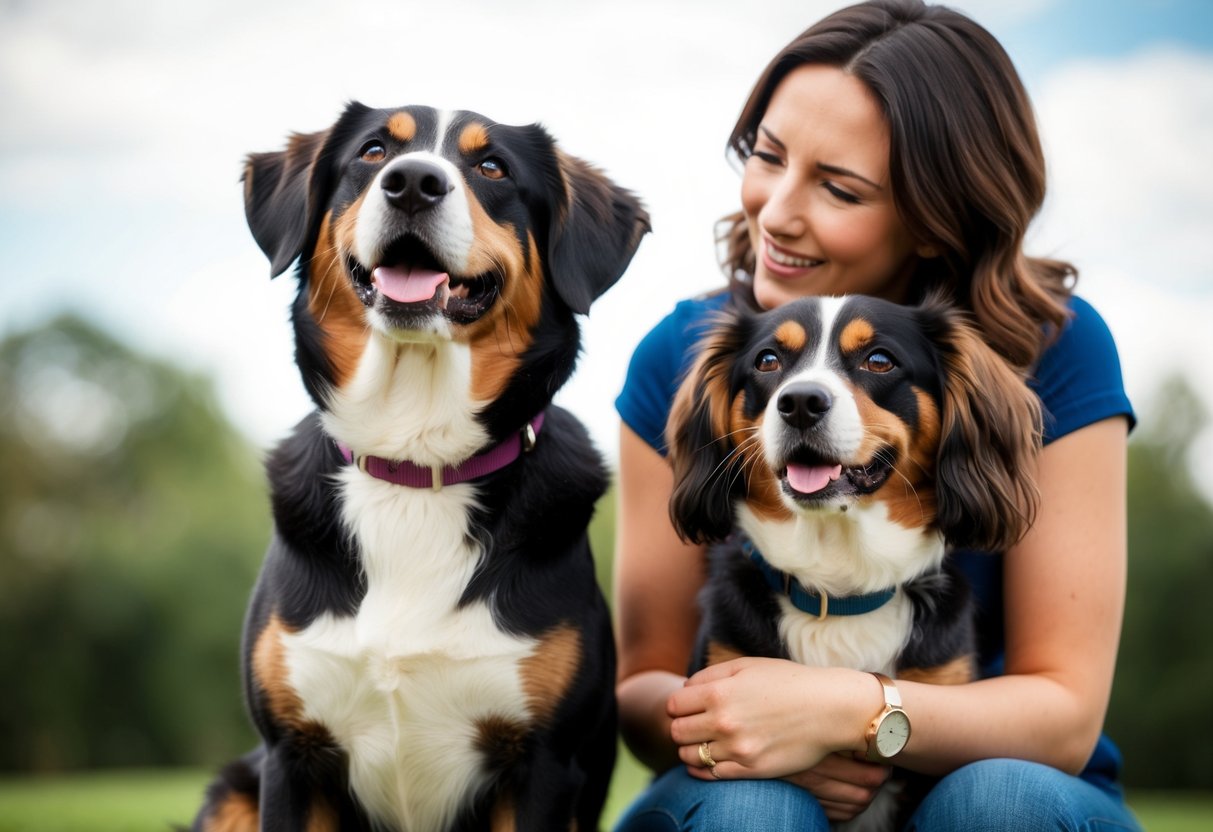
Understanding sex differences in canine behavior can help you choose the right dog for your lifestyle. Male and female dogs often display different traits that can affect their loyalty, playfulness, and even aggressiveness. Knowing these differences is key to developing a strong bond with your furry friend.
Typical Behavior in Male Dogs
Male dogs are often seen as more bold and outgoing. They tend to be more playful and sometimes more aggressive, especially if they are unneutered. You might notice they often seek attention and may engage in rough play more than females.
Training is crucial for male dogs. Proper training can reduce unwanted behaviors linked to their natural boldness. Engaging in plenty of exercises helps them burn off energy, making them calmer at home. Their loyalty shines through with consistent interaction, and they usually form strong attachments to their owners.
Typical Behavior in Female Dogs
Female dogs are generally thought to be more nurturing and affectionate. They can show a deeper sense of loyalty and may bond closely with one person. Many owners notice that females are often more attentive to commands and social cues, which can make training easier.
However, females may become territorial, especially if they have not been spayed. Spaying can mitigate behaviors like aggressiveness and mood swings linked to their heat cycle. Females often display a calmer demeanor, making them great companions for families and those seeking a loving pet.
The Impact of Neutering and Spaying
Neutering male dogs can often reduce aggressiveness and calm their behavior. After the procedure, many owners see a decrease in marking territory and roaming. This change can lead to a more stable and loyal companion.
Spaying female dogs can also have significant effects. It usually leads to fewer behavioral issues related to heat cycles, such as mood swings and increased aggression. Spaying helps in fostering a more even-tempered demeanor in females, enhancing their nurturing traits.
Both procedures can help you enjoy a happier, healthier relationship with your dog.
Choosing the Right Dog for You

Selecting the right dog involves understanding your personal needs as well as the dog’s traits. It’s important to consider your experience as a dog owner and the breed’s characteristics to ensure a good match.
Considerations for First-Time Owners
If you are new to dog ownership, there are a few key points to keep in mind. First, puppy energy levels can be quite high, so choosing a breed that matches your activity level is important.
Larger breeds may require more room and exercise than smaller breeds. Think about how much time you can dedicate to training and socializing.
A dog’s temperament can vary greatly. It’s vital to consider breeds known for being friendly and adaptable. Research breeds that are often great for first-time owners, like Golden Retrievers or Labrador Retrievers, as they tend to be loyal and easy to train.
The Role of Breed in Dog Loyalty
Dog loyalty can often be influenced by breed characteristics. Some breeds, like German Shepherds and Rottweilers, are known for their protective nature. Others, like Beagles or Bulldogs, may be more laid-back.
Think about the kind of companionship you want from your dog. If you seek a playful partner, a breed with a friendly disposition will be a great fit.
Sometimes breed also affects how attached a dog becomes to its owner. Breeds that are known for their strong bond with humans may help provide the loyalty you are looking for.
Always consider adopting from shelters or rescues, where many mixed-breed dogs can offer love and loyalty as well.
Raising a Loyal Dog
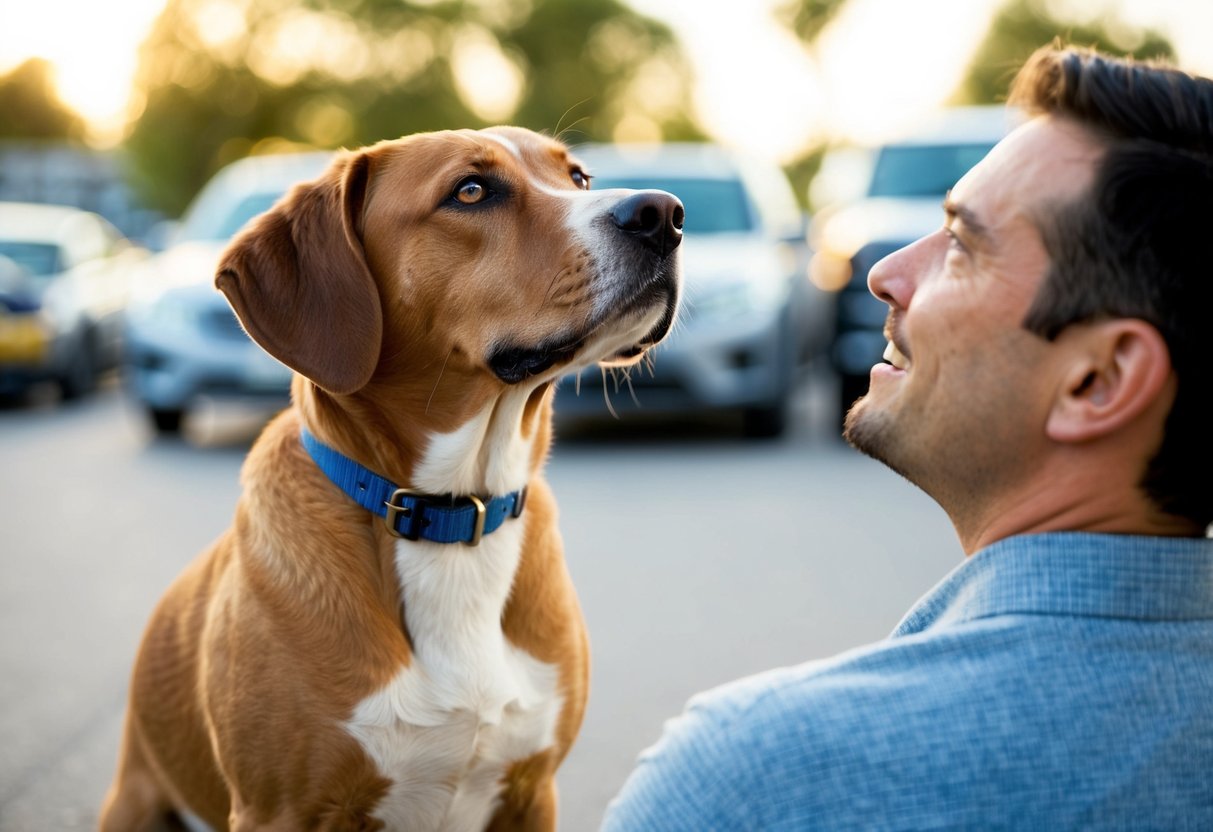
Creating a loyal dog is about building a strong bond through training and understanding their environment. Your involvement in their life lays the foundation for loyalty that lasts a lifetime.
Training and Socialization Tips
Training is essential for raising a loyal dog. Start with basic commands like sit, stay, and come. This establishes clear communication between you and your dog. Use positive reinforcement, such as treats and praise, to motivate them. Consistency is key; practice regularly to help them learn effectively.
Socialization is also crucial. Expose your dog to different people, pets, and environments. This helps them become well-rounded and reduces fear and anxiety. Regular playdates or trips to dog parks can enhance their sociability. Pay attention to their behavior during these interactions. If they show signs of distress, take it slow.
The Effects of the Dog’s Environment
Your dog’s environment plays a significant role in their loyalty. A stable and safe home creates a sense of security.
If you have intact dogs, be mindful of their behavior during certain situations, like being around other intact dogs. You should monitor their interactions to prevent any distractions that could lead to unwanted behavior.
In addition, providing a stimulating environment encourages positive behaviors. Toys, games, and regular exercise contribute to your dog’s overall well-being.
A bored dog may act out or become emotionally distant, leading to less loyalty. Ensure they have daily activities to keep them engaged and mentally sharp.


