
Safety is often a top concern for many families when choosing a dog. If you’re wondering which dog breeds are less likely to bite, you’re not alone. Understanding the characteristics of certain breeds can help you find a furry friend who is gentle and loving.
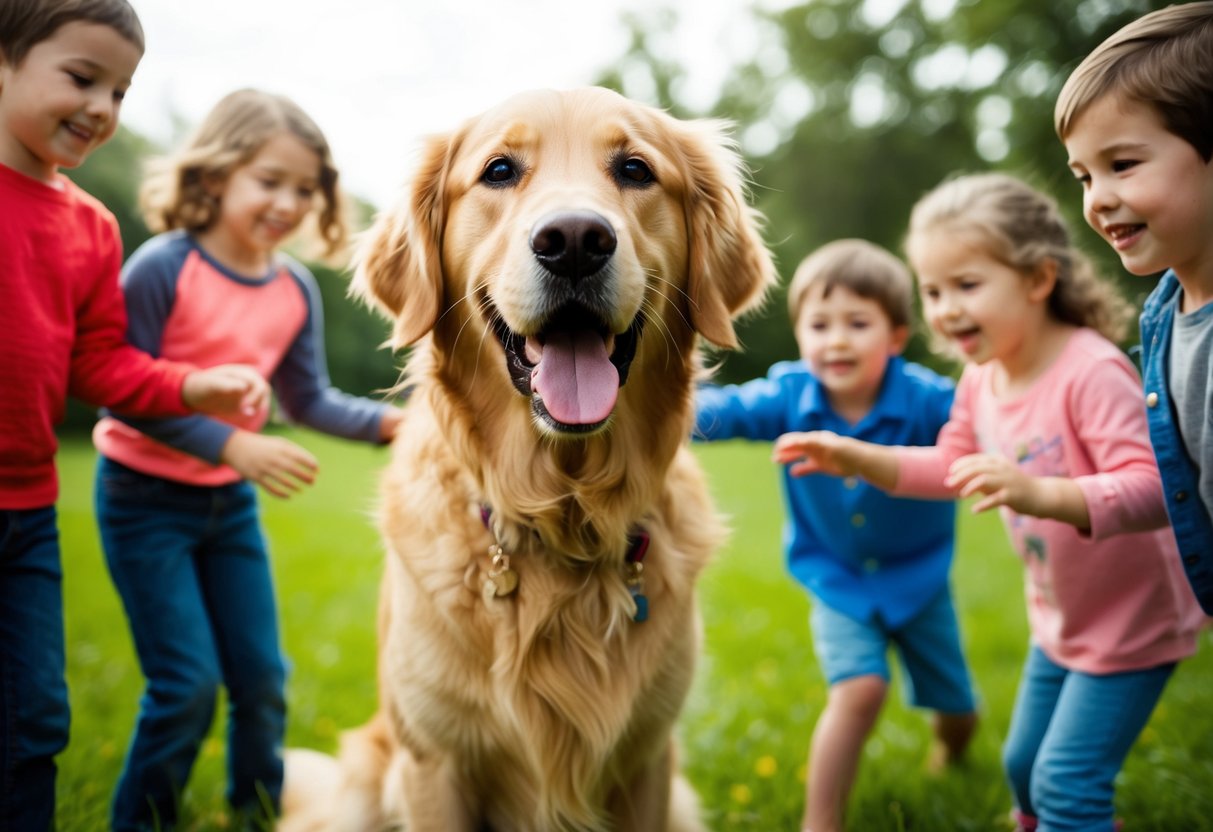
Some dog breeds, like the Beagle and the Golden Retriever, are known for their friendly and non-aggressive nature, making them great companions for kids and families. While all dogs can exhibit different behaviors, focusing on breeds that have a reputation for being gentle can give you peace of mind.
In this article, you’ll learn more about the safest dog breeds and what makes them less likely to bite. From their temperament to training tips, you’ll discover how to choose a dog that fits your lifestyle and brings joy to your home.
Understanding Dog Behavior

Understanding how dogs behave is essential for preventing biting incidents. Several factors influence a dog’s tendency to bite, including breed, socialization, and training techniques. By grasping these elements, you can create a safer environment for both your dog and those around them.
The Role of Breed in Biting Tendencies
Certain dog breeds are more prone to biting behaviors. For example, breeds that are known to be more protective or fearful may react aggressively if they feel threatened.
- Intelligent breeds: Like Border Collies or Poodles, are often easier to train.
- Gentle breeds: Such as Golden Retrievers or Labrador Retrievers, usually have a lower tendency to bite.
Understanding your dog’s breed characteristics can help you tailor your training approach. Knowing the traits of your dog allows you to anticipate their reactions in various situations.
Importance of Socialization
Socialization is vital for all dogs. Introducing your dog to different people, environments, and experiences can greatly reduce fearful or aggressive behavior.
- Start socialization early: Puppies are more adaptable and can learn to be comfortable in various settings.
- Positive reinforcement: Reward good behavior with treats or praise to encourage confidence in new situations.
Socialized dogs are typically less likely to bite, as they learn to see unfamiliar situations as safe rather than threatening.
Bite Inhibition and Training
Bite inhibition is how a dog learns to control the force of its mouth. Teaching this skill is crucial for preventing serious bites.
- Training techniques: Use positive reinforcement methods to reward your dog when it plays gently.
- Play biting: It’s common for puppies to bite during play, but it’s important to redirect this behavior into acceptable actions.
Training your dog to inhibit their bites can prevent injuries. Understanding your dog’s biting behavior can foster a safer and happier relationship between you and your pet.
Characteristics of Low-Risk Breeds
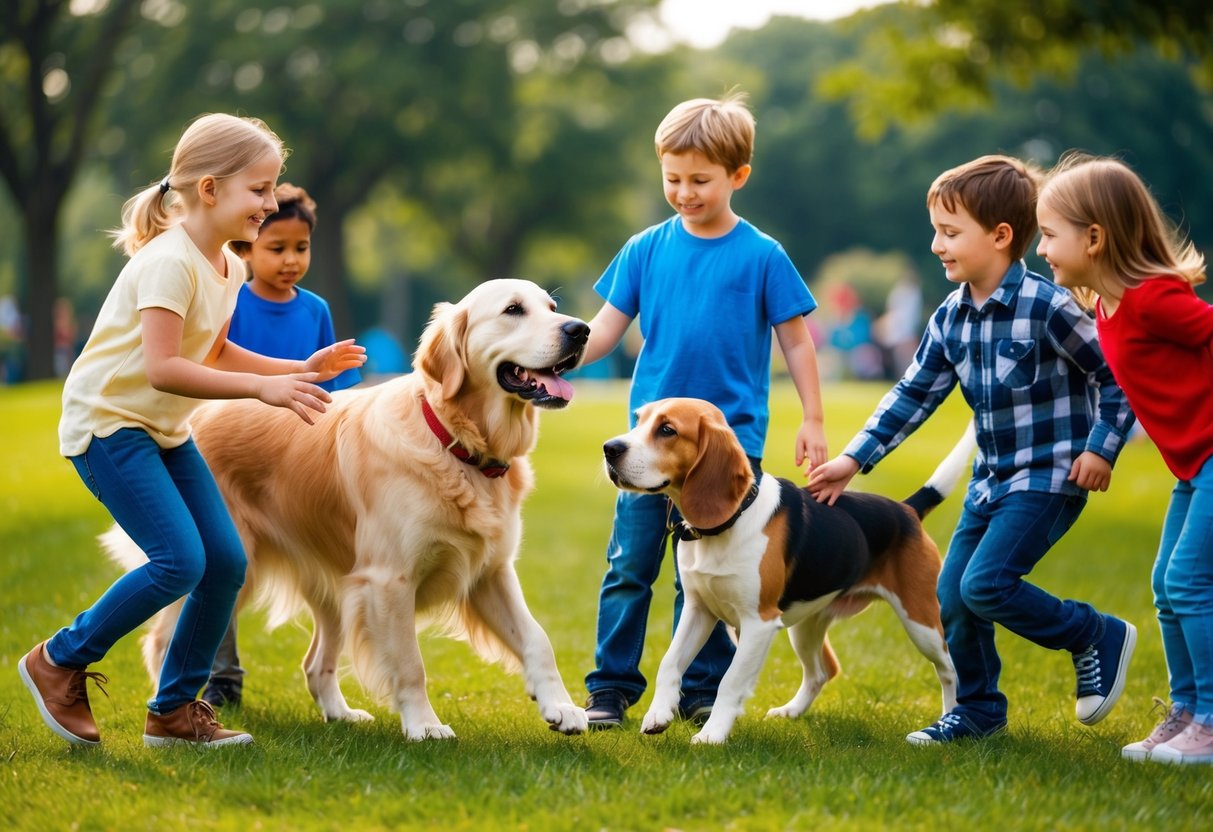
When choosing a dog that is less likely to bite, it’s important to consider specific traits. Look for breeds that are gentle, friendly, and calm in temperament. These characteristics contribute to a happy home and a safe environment for everyone.
Gentle and Friendly Breeds
Gentle and friendly dogs can make wonderful companions. Breeds like the Newfoundland and Golden Retriever are known for their loving nature. They often bond well with families and little ones, making them great choices for homes with children.
Moreover, Bulldogs and French Bulldogs are also known for their friendly disposition. They are often calm and enjoy spending time with people. This quality helps them feel comfortable in various situations, reducing the chance of aggressive behavior.
Intelligent and Easily Trained Companions
Intelligence plays a big role in a dog’s ability to get along with others. Poodles are among the smartest dog breeds and can be trained easily. Training helps shape their behavior, making them less likely to exhibit aggressive tendencies.
Boxers and Beagles are also intelligent and responsive to training. They thrive on positive reinforcement, which enhances their friendly nature. An obedient dog is not only a joy to have but is also less likely to bite.
By investing time in training, you can build a strong bond with your dog while ensuring they learn important commands and social skills.
Dogs with a Calm Temperament
A calm temperament contributes significantly to a dog’s low-risk of biting. Bernese Mountain Dogs and Collies are known for their relaxed attitude. They tend to adapt well to different environments and are often good with kids.
Whippets and Irish Setters are also usually calm and friendly. Their laid-back demeanor makes them less likely to react negatively to stress or excitement. Dogs with such traits can provide a joyful experience for their owners while keeping safety in mind.
Preventing Unwanted Biting

To help your dog avoid biting, it’s important to provide proper outlets for their chewing instincts and to manage any aggressive tendencies. Focusing on chew toys and addressing potential aggression can lead to a safer and happier environment for you and your pet.
Chew Toys and Teething Solutions
Giving your dog the right chew toys is essential. Puppies, in particular, go through a teething phase, which can make them more prone to biting. Providing durable chew toys not only helps soothe their gums but also distracts them from chewing on inappropriate items.
Choose toys that are specifically designed for teething puppies. Look for materials that are soft yet sturdy, like rubber or silicone. You can also freeze some toys to offer extra relief. Regularly rotating toys keeps your dog engaged and less likely to bite out of boredom.
Be sure to supervise your dog while they chew to prevent them from swallowing any pieces. This can help keep your pet safe and reinforce the habit of using the right items for chewing.
Guarding Against Aggression
Understanding your dog’s behavior is key to preventing aggression. Sometimes, dogs may bite out of fear or protectiveness. Ensure your pup is well-socialized from an early age. This means exposing them to different people, pets, and environments.
If you notice signs of aggression, such as growling or baring teeth, take steps to address the issue. Positive reinforcement training can help modify these behaviors. Reward your dog for calm behavior in stressful situations.
Consult a professional trainer if needed. They can provide personalized strategies to work on aggression, ensuring both your safety and your dog’s happiness. Also, keep your dog up-to-date on vaccinations to help prevent diseases like rabies that can affect behavior.
Health and Safety Considerations
Taking care of your dog’s health is vital for their safety and for your peace of mind. This includes ensuring they are vaccinated and understanding their behavior during different life stages.
Rabies and Vaccination
Rabies is a serious disease that can be deadly for both dogs and humans. Vaccination is the best way to protect your dog from this virus. Most states require rabies vaccination, typically given when your dog is around 12 to 16 weeks old.
After the initial shots, your dog will need booster shots every one to three years, depending on local laws. Regular check-ups with your veterinarian will help keep your dog safe. Watch for any unusual behavior, like aggression or lethargy, as these could be symptoms of rabies or other health issues.
Understanding Teething in Puppies
Puppies go through a teething phase that can last from around three weeks to six months of age. During this time, they may bite more often as they seek relief from sore gums.
It’s important to provide safe chew toys to help them through this phase. Choose toys made of soft rubber or fabric specifically designed for teething. Avoid giving them hard items, like bones, that could break their teeth.
Supervising their playtime can also help prevent them from biting out of frustration or pain. If you notice excessive biting or nipping, redirect their attention to their toys to help them learn appropriate behavior.


