
Boxers are known for their playful and energetic nature, which can make people wonder if they are calm dogs. Boxers typically retain their lively spirit well into adulthood. As they age, they do become calmer. It’s important to understand the breed’s energy levels and temperament to set realistic expectations for your Boxer as a pet.

If you have a Boxer or are thinking about getting one, you’ll find that their energy can be both a charm and a challenge. Learning about their exercise needs and training can help you manage their enthusiasm. With the right approach, you can enjoy the vibrant personality of a Boxer while also fostering moments of calmness in your home.
In this article, you will discover more about what it means to have a calm Boxer and how to encourage that desired behavior. Understanding their traits and what makes them tick is key to enjoying a happy, balanced life with your furry friend.
Understanding the Boxer Breed
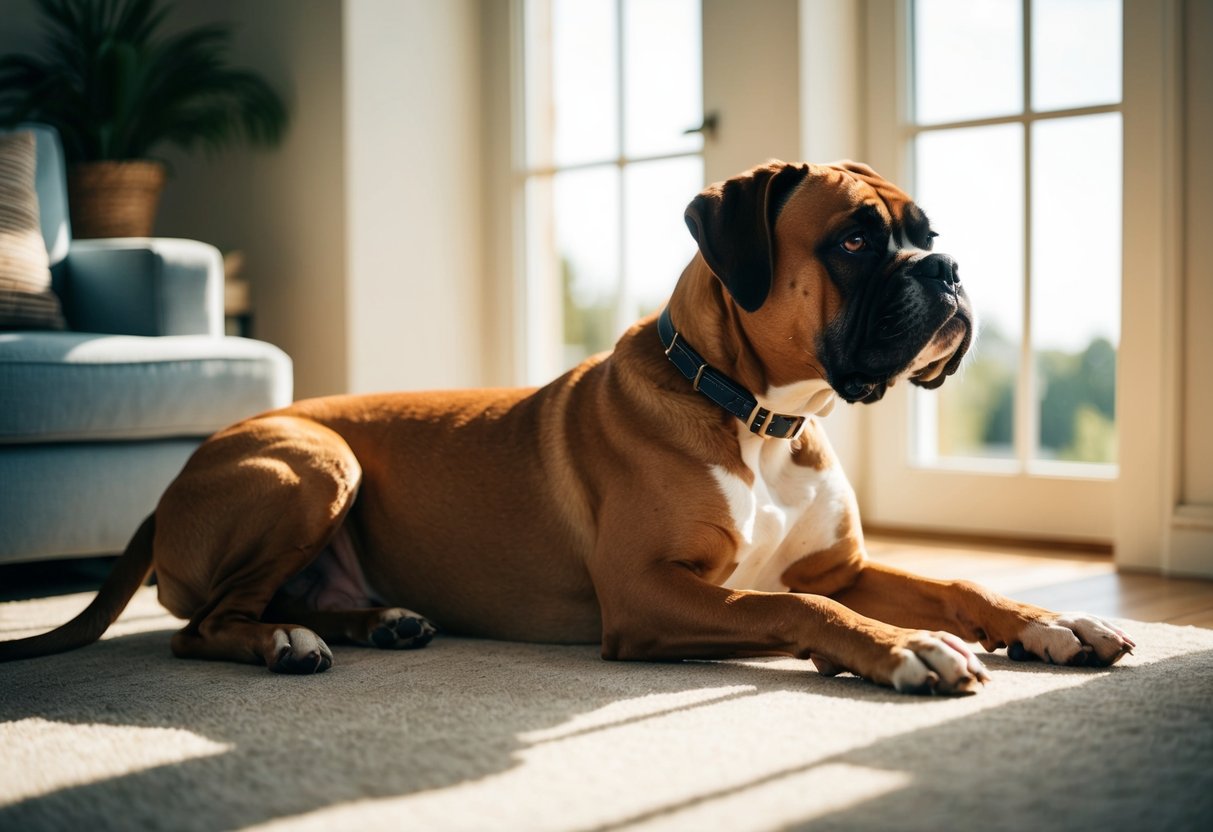
Boxers are a unique breed known for their playful and affectionate nature. They balance their energetic lifestyles with moments of calmness, but several factors can impact this temperament. Let’s dive into the key aspects that define the Boxer breed.
Boxer Dogs’ Temperament
Boxers are known for their friendly and outgoing personalities. They thrive on companionship and are often described as affectionate dogs.
They have a strong protective instinct, making them great family pets. Boxers are also intelligent but can be a bit headstrong. This means training requires patience and consistency.
They are best suited for active families who can provide love and socialization. With proper guidance and interaction, your Boxer’s playful nature can be both entertaining and rewarding.
Energy Levels in Boxers
You might notice that Boxers are an extremely energetic breed. They require regular exercise to expend their high energy levels.
Daily activities like walks, playtime, and training sessions can help keep your Boxer calm at home. Without enough exercise, they may become overly rambunctious.
It’s essential to plan for vigorous exercise every day. A well-exercised Boxer tends to relax better in the evening, allowing for peaceful family time.
Health Concerns Impacting Calmness
Health issues can influence the calmness of your Boxer. One common concern is hip dysplasia, which can cause discomfort and reduce their activity levels.
If your Boxer is in pain, they might not engage in their usual playful behavior. Regular vet check-ups can help catch these issues early and keep your dog healthy.
Keeping an eye on your Boxer’s health will ensure they maintain their playful, affectionate nature while also enjoying moments of calmness.
Lifestyle and Environment

A calm lifestyle and environment are crucial for Boxers. Their well-being depends on a mix of physical activity, routine, and the space you create for them. Let’s explore how you can enhance your Boxer’s calmness through a few key aspects.
Creating a Calm Environment
To help your Boxer relax, focus on creating a peaceful space at home. Reducing noise from outside and keeping the environment steady can make a big difference.
Make sure your dog has a comfortable area with their own bed and toys. This offers a retreat when they need some quiet time. Using calming scents like lavender can also help with relaxation.
Establish boundaries to keep chaos at bay. For example, limit access to busy areas in your home during high-energy moments. A calm setting impacts your dog’s mood, leading to better behavior.
Importance of Routine and Consistency
Establishing a routine is vital for your Boxer. Regular feeding times, walks, and play sessions set expectations. This helps reduce anxiety and keeps your dog feeling secure.
Introduce consistency in your daily activities. Keep the same routes for walks and maintain set times for meals. Your Boxer benefits from knowing what to expect.
Involving the family in the routine can also strengthen bonds. Everyone should take part in walks and training. This shared experience brings structure and keeps your dog calm and happy.
Exercise and Physical Activity
Daily exercise is crucial for Boxers. They are active and energetic dogs, so meeting their physical needs is essential.
Regular walks, runs, and play sessions keep their energy levels in check. Aim for at least 30 to 60 minutes of activity each day. This can include fetching, agility training, or simply exploring the neighborhood.
Engaging in physical activities helps burn off excess energy and creates a calm demeanor.
In addition to being active, consider incorporating mental stimulation. Puzzle toys and training exercises challenge your dog’s mind. A balanced mix of physical exercise and mental challenges leads to a happier, calmer Boxer.
Training and Socialization

Training and socialization are key to ensuring your Boxer is a calm and well-adjusted dog. Establishing routines with positive reinforcement and providing opportunities for social interactions play a significant role in their behavior.
Positive Reinforcement Techniques
Using positive reinforcement makes training enjoyable for both you and your Boxer. This method involves rewarding your dog for good behavior, which encourages them to repeat those actions.
Common rewards include treats, praise, and playtime. Consistency is crucial. Always reward desired behaviors immediately to help your Boxer connect the action with the reward.
If your dog responds well to commands, consider incorporating interactive toys during training sessions to keep them mentally stimulated.
Engage in short, fun training sessions to maintain your Boxer’s interest. Remember to practice patience; training takes time, especially for young Boxers with lots of energy.
Socialization Benefits
Socialization is essential for Boxers to blend well with people and other animals. Start exposing your Boxer to various experiences from a young age. This includes meeting different people, visiting new environments, and interacting with other dogs.
Positive interactions help your dog feel confident and less anxious. Regular outings to the park or puppy classes are great ways to achieve this.
Proper socialization prevents fear-based behaviors and aggression, leading to a happier dog. Additionally, mental stimulation is vital for Boxers. Incorporating playdates or training sessions with other dogs can help reduce excess energy. With steady socialization, your Boxer will grow to be a calm, friendly companion.
Managing High Energy and Anxiety

Boxers are known for their lively energy and playful nature. Managing this energy, along with any anxiety they may experience, is essential for a happy dog and owner. Here are some effective techniques to help your Boxer calm down and feel secure.
Calming Techniques for Boxer Dogs
To help your Boxer settle down, you can try several calming techniques. Start by giving your dog plenty of physical exercise. Regular walks, playtime, and activities like fetch can help burn off excess energy.
Consider using a pheromone diffuser in your home. These diffusers release calming scents that can help reduce anxiety levels. You might also explore natural options like hemp oil, which has been reported to ease anxiety in some dogs.
Creating a structured routine is crucial. Schedule regular meal times, walks, and play sessions. Your Boxer thrives on consistency and will feel more secure with a predictable daily schedule.
Lastly, don’t underestimate the power of time-outs. If your dog gets too excited, briefly removing them from the situation can help them calm down.
Addressing Separation Anxiety
Boxers can find separation anxiety challenging, especially since they bond closely with their owners. If your Boxer struggles when left alone, you need to address this issue head-on.
Start by gradually increasing the time your dog spends alone. Begin with short intervals, and slowly extend the duration as your Boxer adjusts. Always make your departures and arrivals calm and low-key to avoid heightened anxiety.
When you leave your Boxer, make sure to provide engaging toys or treats to keep them occupied. Interactive toys can distract them and reduce feelings of loneliness.
In some cases, you may need to seek professional help. A trainer or behaviorist can provide tailored strategies to manage separation anxiety effectively.


