
Boxers are known for their energetic and playful nature, which can make walks a bit challenging. Many dog owners wonder, yes, Boxers often pull on the leash due to their high energy levels and excitement. This behavior can lead to frustrating walks if not addressed early on.
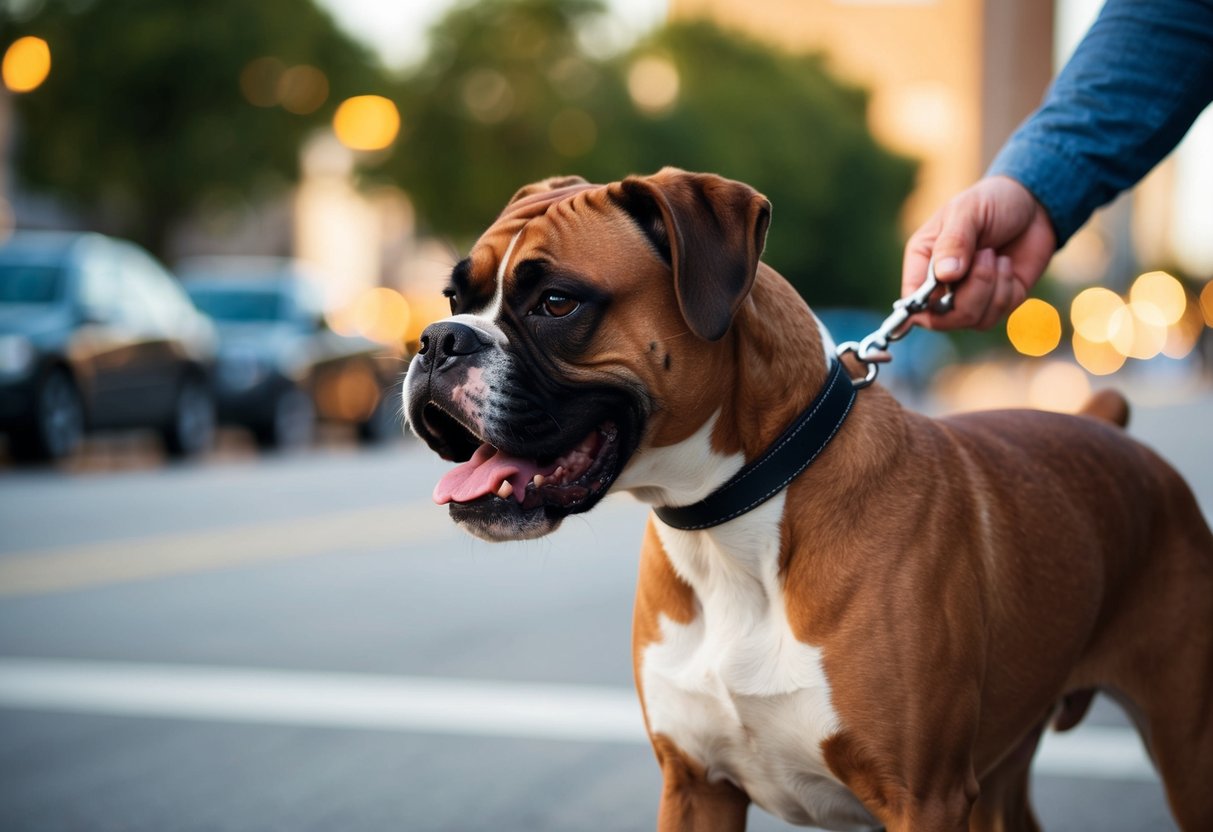
If you’re looking to enjoy calm and pleasant strolls with your Boxer, you’re in the right place. This article will provide practical tips and techniques to help you train your dog to walk nicely on a leash. By understanding your Boxer’s behavior, you can turn those exhausting pulls into enjoyable adventures together.
Understanding Boxer Behavior

Understanding your Boxer’s behavior is key to managing leash pulling. Boxers are energetic and playful, which means they require both mental and physical engagement. Recognizing their needs can help you to train them effectively.
Importance of Mental Stimulation
Boxers are intelligent dogs that thrive on mental challenges. Without enough mental stimulation, they can become bored and restless. This boredom often leads to unwanted behaviors, such as pulling on the leash during walks.
Activities to consider include:
- Puzzle toys: These can keep your Boxer busy while making them think.
- Obedience training: Regular training sessions help build focus and discipline.
- Interactive games: Hide-and-seek or scent games can engage your Boxer mentally.
Incorporating these activities into your routine can lead to a calmer and more controlled walking experience.
The Need for Self-Control Training
Self-control is crucial for Boxers, especially when it comes to leash manners. Teaching your dog to wait patiently before walking or when encountering distractions can significantly reduce pulling.
Training exercises may involve:
- “Sit” and “Stay”: Practice these commands to instill patience.
- Rewarding calm behavior: Use treats and praise when your Boxer behaves well on a leash.
- Gradual exposure: Slowly introduce your Boxer to new sights and sounds while on a leash to build their comfort.
By focusing on self-control, you can help prevent pulling and enhance your daily walks.
Fundamentals of Leash Training
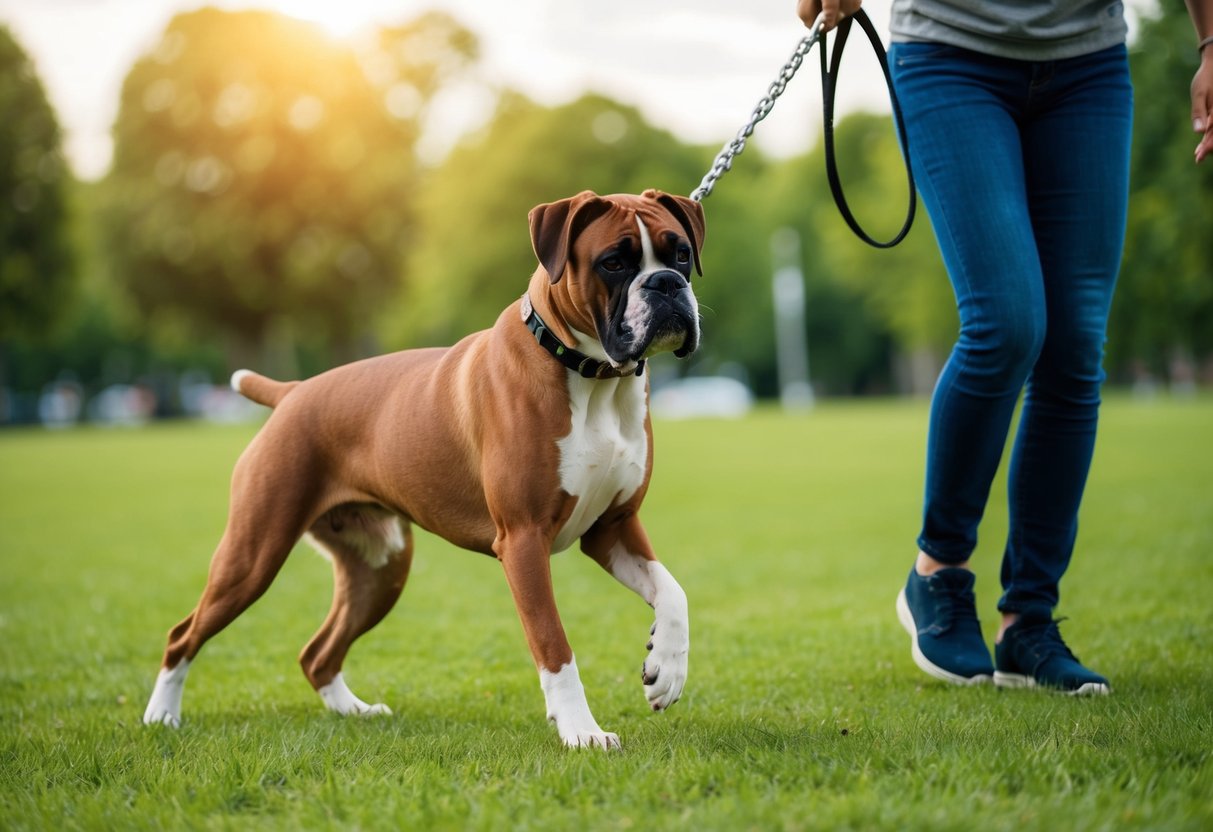
Leash training is important for you and your Boxer. Using the right techniques makes walks enjoyable and safe. Here’s what you need to know about positive reinforcement, loose leash walking, consistent practice, and useful training tools.
Positive Reinforcement Techniques
Rewarding your Boxer when they walk nicely on a leash encourages good behavior. Use treats, praise, or favorite toys as rewards. This method helps your dog associate walking calmly with positive outcomes.
When your Boxer stays close, say “good job” and give a treat. If they pull, stop walking. Wait until they return to your side, then reward them. This teaches your dog that walking nicely leads to fun and rewards.
Being consistent with your rewards is essential. Each time your Boxer walks well, they should know they did something great. Positive reinforcement makes training effective and can create a strong bond between you and your dog.
Loose Leash Walking Basics
Loose leash walking means your Boxer walks beside you without pulling. Start training in a quiet area where there are fewer distractions. Hold the leash firmly but gently to encourage a comfortable distance.
If your Boxer pulls, simply stop and stand still. This teaches them they can’t move forward if they pull. As soon as the leash is loose again, keep walking and reward them. Practice this technique often.
Remember, short training sessions work best. Aim for about 5 to 10 minutes for each session. As your Boxer learns, gradually increase the distance you walk together. This helps them understand loose leash walking.
The Role of Consistent Practice
Regular practice is key to successful leash training. Set aside time each day to work on walking techniques with your Boxer. Consistency helps reinforce what they learn.
Try to vary your practice locations. Walk in different environments like parks or suburban areas. This exposes your dog to new sights and sounds. It also helps them learn to focus on you despite distractions.
Celebrate your Boxer’s progress. If they improve even a little, give them praise or a treat. Recognizing their hard work will motivate them to keep learning. Remember, patience is vital for practice.
Utilizing Different Training Tools
Using the right training tools can make a big difference. A front-clip harness can help prevent pulling. This type of harness directs your Boxer back toward you if they try to pull away.
A head collar is another option. It provides more control, discouraging pulling while allowing your Boxer to still move comfortably. Whichever tool you choose, ensure it’s fitted properly for your Boxer.
Complement your tools with techniques like positive reinforcement. Combining training tools with your teaching methods leads to better results. Always choose products that keep your dog safe and enjoyable during walks.
Strategies to Prevent Leash Pulling
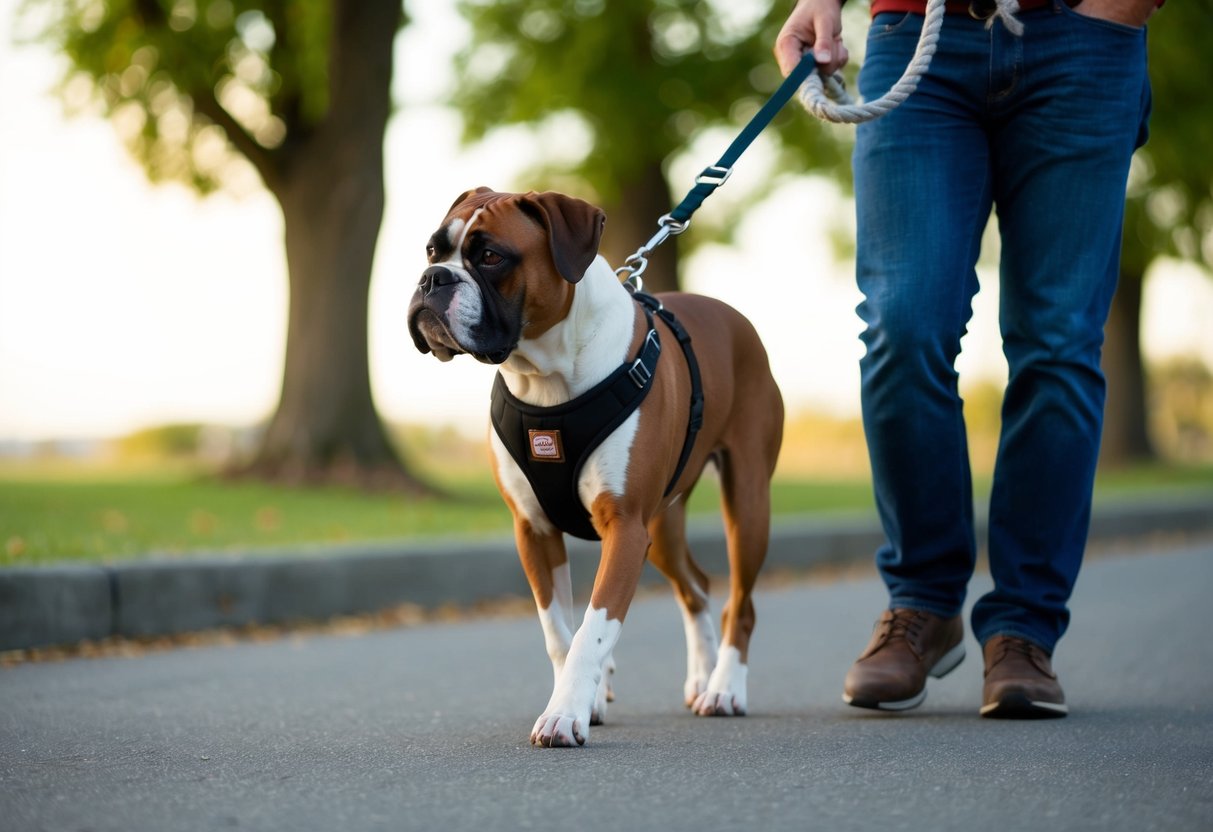
Preventing your Boxer from pulling on the leash involves using specific techniques and encouraging good behavior. Two effective strategies include mastering the “Change Directions” technique and incorporating pre-walk exercise routines.
Mastering the ‘Change Directions’ Technique
One of the simplest ways to teach your Boxer not to pull is by changing directions. When your dog starts to pull, stop walking and quickly turn in the opposite direction. This sudden change catches their attention and shows them that pulling doesn’t lead to fun.
You can repeat this several times during your walk. It helps your Boxer learn to pay attention to you. Be consistent with this method, and over time, your dog will understand that staying by your side is more rewarding than pulling ahead.
Pre-Walk Exercise Routines
Before you head out for a walk, consider giving your Boxer some exercise. This helps burn off excess energy that can cause pulling.
A few minutes of playtime in the yard or a short game of fetch can work wonders.
You can also try mental exercises, like teaching new tricks or practicing commands. Engaging your dog’s mind helps tire them out.
When you do this before walks, your Boxer is more likely to walk calmly on the leash. Keeping their energy in check makes your walks enjoyable for both of you.


