
When considering a dog as a family pet, you want a companion that is friendly, gentle, and great with kids. The safest dog breeds are those that are least likely to bite and are known for their loving nature, like the Labrador Retriever and the Newfoundland.
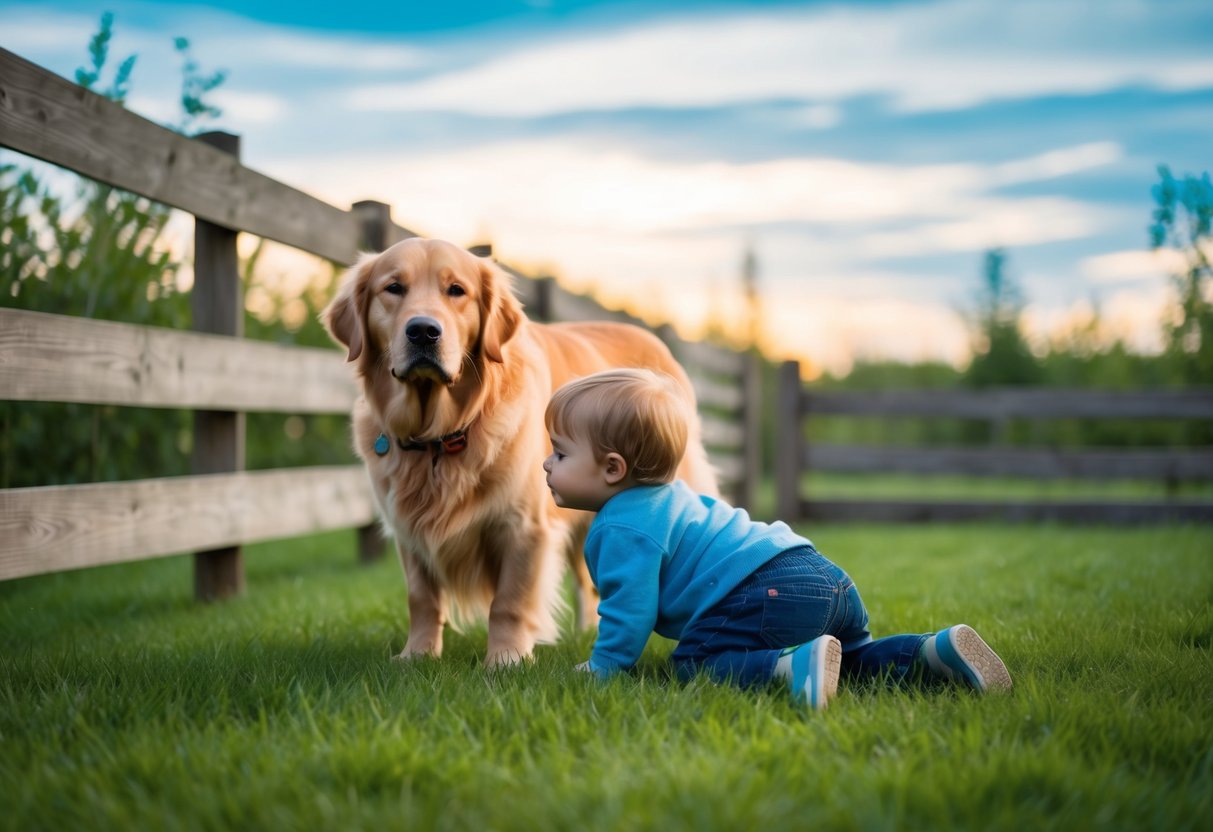
These breeds have a reputation for being affectionate and protective, making them ideal family members. Dogs that are socialized properly usually show more positive interactions with children and other pets, ensuring a happy home environment. Choosing the right breed can give you peace of mind and create beautiful memories with your loved ones.
As you think about which breed might be the best fit for your family, it’s important to consider not just their temperament, but also how they interact with children. Learning about the safest breeds can help you make an informed decision that ensures a joyful experience for everyone.
Dog Breed Temperaments
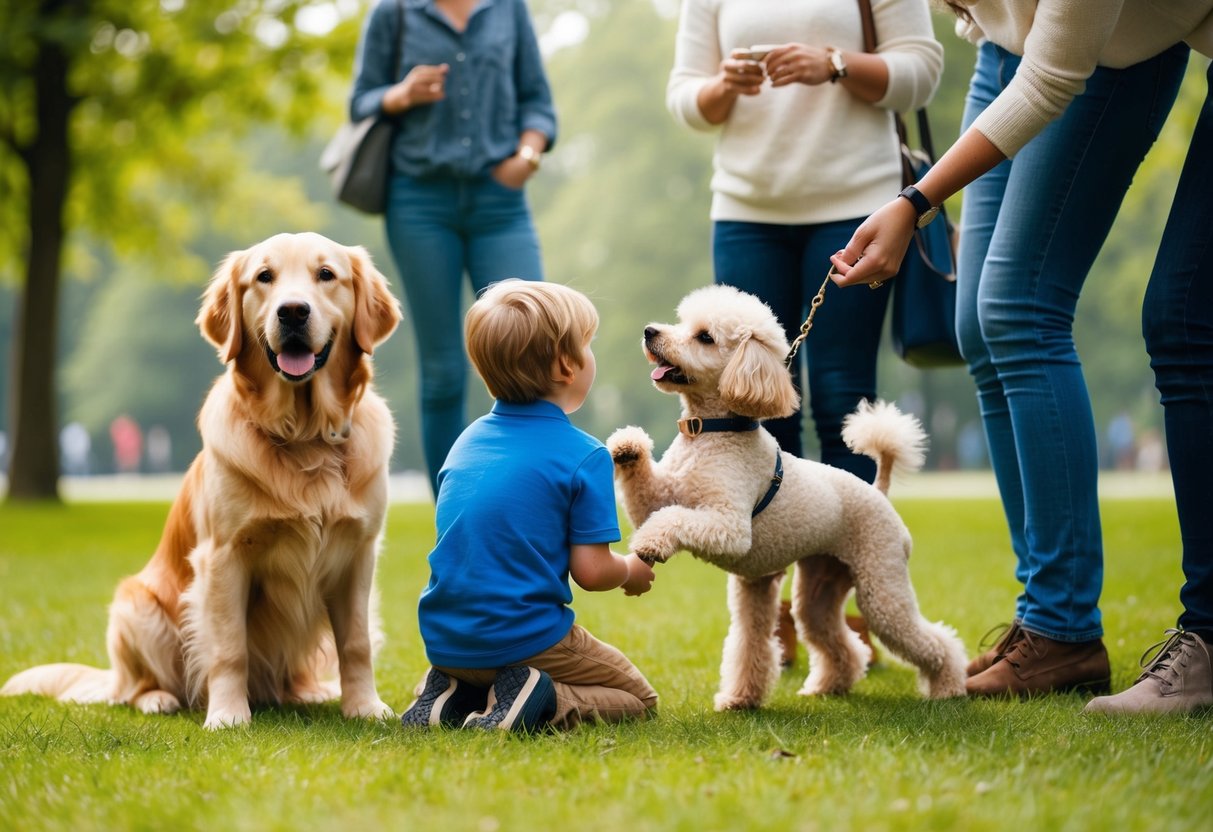
Understanding dog breed temperaments is essential when choosing a safe and friendly dog. You want to look for traits like intelligence, protective instincts, and a gentle nature.
Innate Qualities of Safe Dog Breeds
Certain dog breeds naturally have traits that make them safer for families. Breeds like the Newfoundland, Labrador Retriever, and Golden Retriever are known for their friendly and gentle nature.
These dogs are typically intelligent and eager to please, which helps them learn commands quickly. Their ability to adapt to different environments makes them great companions.
For example, the Collie is known for its loyalty and gentleness, making it a lovely choice for families. These qualities help build a bond of trust between you and your dog, leading to a safe and enjoyable relationship.
Recognizing Protective Instincts
Some breeds also exhibit strong protective instincts. While this can be important, it needs to be balanced with a friendly temperament.
Breeds like the Labrador Retriever and Golden Retriever are known to be protective of their families while still being calm and loving. They will alert you if something seems off, but they usually do this without aggression.
The Newfoundland is another breed known for its protective nature. These dogs are gentle giants and instinctively watch over children and their families. Understanding these instincts helps you ensure that your dog remains both safe and friendly.
Training and Obedience
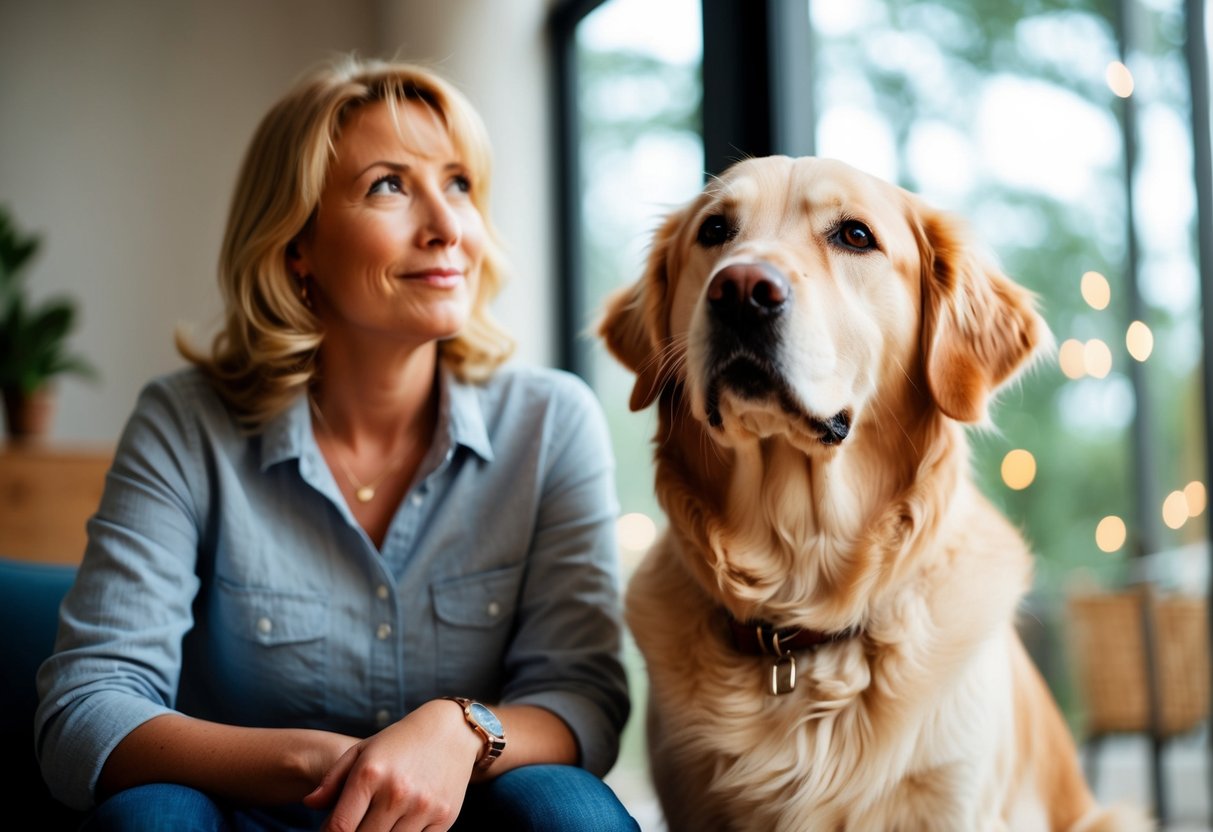
Training and obedience are vital for ensuring that your dog is safe and well-behaved. When you invest time in these areas, you help your dog become a reliable companion that can adapt to different situations with ease.
Importance of Early Socialization
Early socialization is key to raising a safe dog. It helps your dog understand how to interact with different people, pets, and environments. The first few months of your dog’s life are crucial for making these connections.
To socialize effectively, expose your dog to various experiences. Take them on walks, visit pet-friendly cafes, and introduce them to kids and other dogs. Use positive reinforcement, such as treats or praise, to encourage confident and friendly behavior.
Socialized dogs are generally less anxious and more adaptable. They learn to handle new situations calmly, making them safer both at home and in public. A well-socialized dog is often happier and more obedient!
Obedience Training Essentials
Obedience training is essential for a well-mannered dog. This training helps establish a clear communication system between you and your pet.
It’s important to start with basic commands like sit, stay, come, and leave it. Choose a positive and fun approach to training.
Use short sessions, around 5 to 10 minutes, to keep your dog’s attention. Reward them with treats and praise to motivate them as they learn. Consistency is key, so practice these commands daily.
Additionally, enroll your dog in training classes if possible. Professional trainers can provide techniques that are often beneficial. They can also help your dog learn around other dogs, reinforcing good behavior in a social setting.
Focusing on obedience training can create a strong bond between you and your dog, leading to a happier, safer life together.
Exercise and Activity Levels
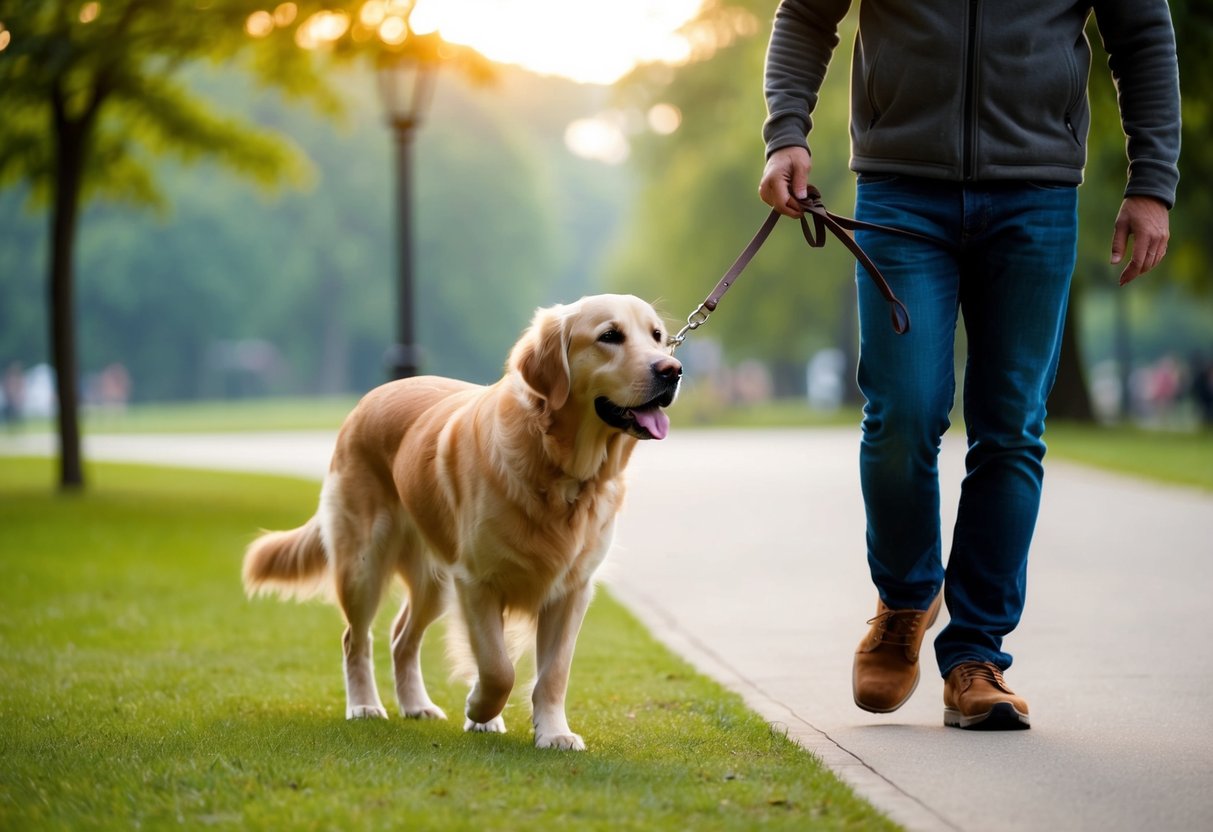
Understanding the exercise needs of various dog breeds is important for ensuring their well-being and safety. Each breed has unique activity levels that directly affect their behavior and happiness.
Active Breed Considerations
Some breeds, like the Border Collie and Vizsla, are known for their high energy. These dogs typically require at least 60 to 120 minutes of exercise daily. This could be in the form of running, agility courses, or fetch.
The Whippet, while elegant and fast, also enjoys regular jogs and playtime.
On the other hand, breeds like the Bernese Mountain Dog may have lower exercise needs but still benefit from daily walks.
Understanding how much activity your dog requires is key in helping them stay healthy and safe. When you engage them in proper exercise, you can reduce the likelihood of behavioral issues stemming from boredom or excess energy.
The Role of Exercise in Behavioral Safety
Regular exercise plays a crucial role in a dog’s behavior and overall safety. A well-exercised dog is less likely to display anxiety or aggression.
For example, a Collie that gets enough physical activity usually shows calm and friendly behavior.
In contrast, a Vizsla lacking proper exercise may become overly energetic and destructive.
It’s important to incorporate a variety of activities into their routine. This may include long walks, running, or playing fetch. Creating a balanced exercise plan ensures your dog is physically and mentally stimulated, leading to a happier, safer pet.
Dog Breed Profiles
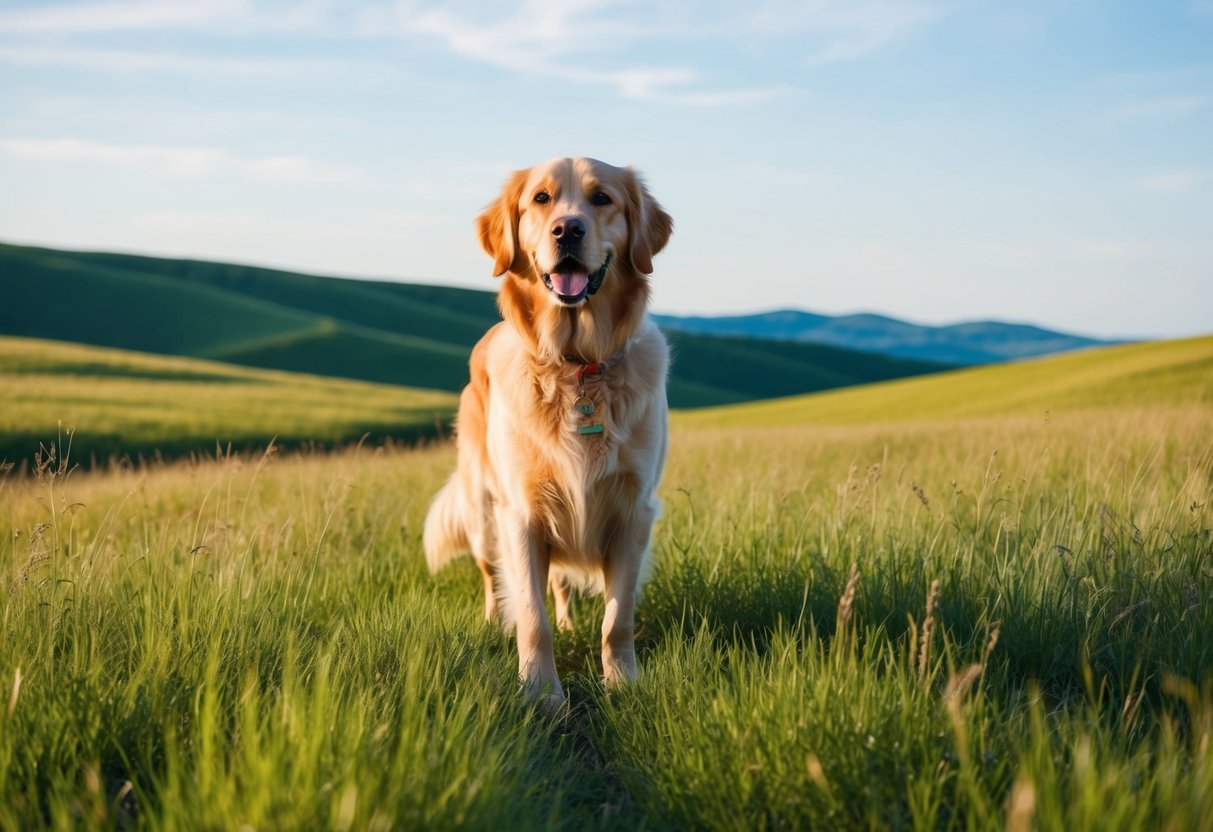
When considering the safest dog breeds, several popular choices stand out. These breeds are known for their friendly nature, loyalty, and great compatibility with families. Let’s explore some of these beloved breeds in detail.
Labrador Retriever: A Family-Friendly Choice
The Labrador Retriever is one of the most popular dog breeds for families. They are known for their friendly and outgoing demeanor. With a loving nature, they easily connect with both kids and adults.
Labradors are highly trainable and eager to please. Their intelligence makes them great companions and service dogs.
They enjoy activities like swimming and playing fetch, which can help keep them active and happy.
Due to their docile nature, they are less likely to show aggression. This makes them a safe choice for families with children or other pets. Overall, Labradors are loyal dogs that thrive on companionship.
Golden Retriever: Affectionate and Trustworthy
Golden Retrievers are also ideal for families seeking a safe and loving dog. They are known for their affectionate and gentle personality.
Golden Retrievers are reliable and highly social, making them great friends for kids.
These dogs are intelligent and easily trainable, which helps them learn commands quickly. They perform well in various roles, including therapy and assistance work.
Their patience and willingness to learn make them stars in obedience training.
Golden Retrievers enjoy outdoor activities, such as hiking and playing in the park. Their friendly nature extends to other pets, making them a great addition to any home. You can trust them to be a loving family member.
Boxer: Playful and Protective Companion
Boxers are known for their playful spirit and strong protective instincts. They make excellent family dogs due to their loyalty and high energy levels.
Boxers form strong bonds with their families and are known to be very affectionate.
These dogs are alert and protective, which can make them great watchdogs. Their playful nature ensures that they get along well with children.
They love to engage in games and activities, making sure everyone stays active.
Training a Boxer can be a rewarding experience. They thrive in an environment where they can learn and play.
Their energetic personality brings a fun and loving presence to your home.


