
When choosing a dog, you might consider loyalty as a key factor. Some breeds are known for their affection and devotion to their families. The Afghan Hound is often regarded as one of the least loyal dog breeds, known for its independence and stubbornness. This breed, while beautiful and unique, can sometimes give the impression of being aloof or less attached compared to other dogs.
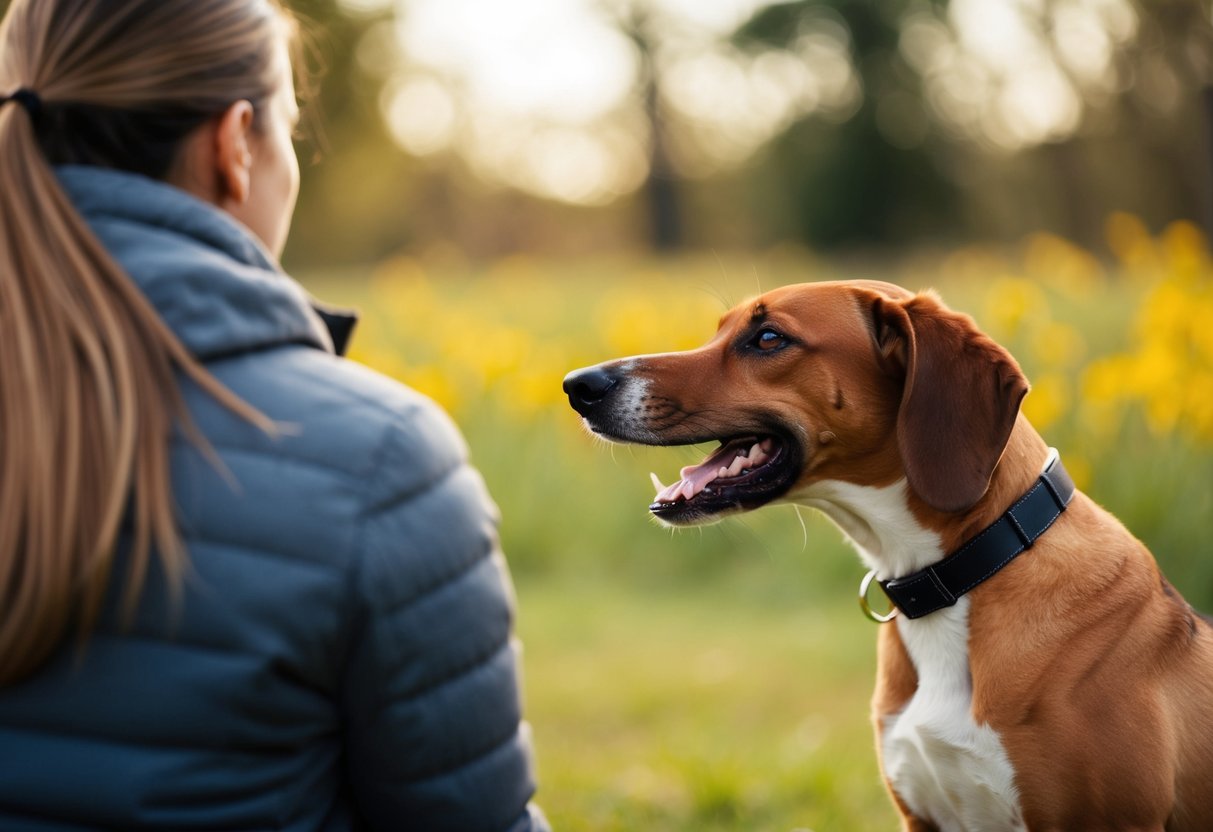
Understanding dog breeds and their temperaments can help you find the right fit for your lifestyle. If you’re looking for a loyal family dog, there are many breeds famous for their loyalty and affection. However, if you’re curious about those that display a more carefree spirit, you will find that independence in breeds like the Basenji or Shiba Inu can sometimes mean less loyalty.
Exploring these traits can lead you to a better understanding of which dog breeds might be more or less affectionate. By recognizing these differences, you can make a more informed decision when it comes to welcoming a furry friend into your home.
Understanding Dog Loyalty
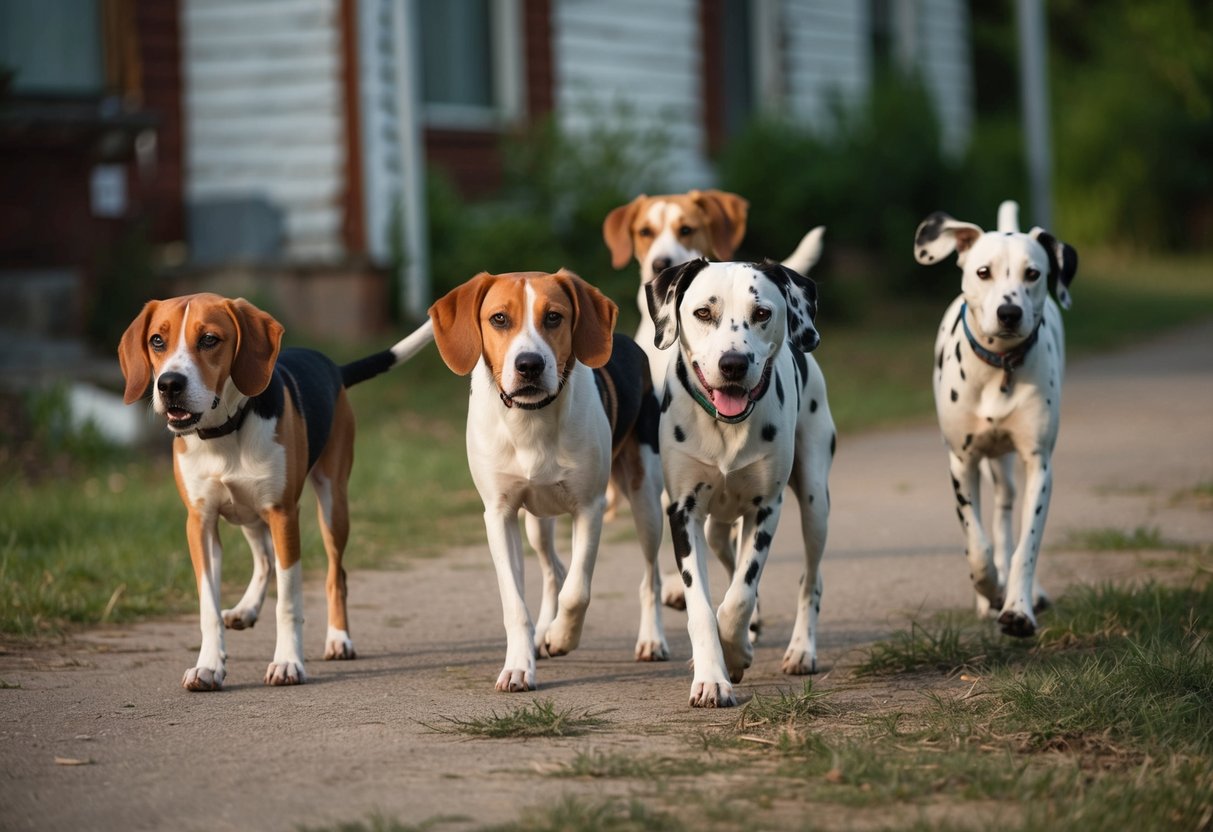
When considering dog loyalty, it’s important to recognize that this trait can vary greatly among different breeds and individual dogs. Factors like socialization and training play significant roles in how loyal a dog may be.
Defining Loyalty in Dogs
Loyalty in dogs is often viewed as their attachment to their owners. This attachment can include behaviors like staying close, following you around, and showing protective instincts.
While some breeds may be naturally more loyal, many factors influence a dog’s loyalty. It’s not simply about the breed.
Affection is a key part of loyalty. Dogs that receive love and attention are more likely to develop a strong bond with you. Training methods greatly affect this bond. Positive reinforcement encourages desirable behaviors, strengthening the loyalty you seek.
Factors Influencing Canine Loyalty
Several factors influence a dog’s loyalty, including temperament, socialization, and training methods.
Dogs that have been well socialized from a young age tend to be more adaptable and responsive to their owners. Socialization helps them feel more secure, which can enhance their loyalty.
Temperament is also critical. Some breeds are naturally more independent or aloof, like the Basenji or Afghan Hound.
Positive reinforcement training can foster loyalty. By rewarding good behavior with treats or praise, you reinforce the bond between you and your dog. This builds trust, making them more likely to stay close and loyal to you.
Breeds with Independent Temperaments
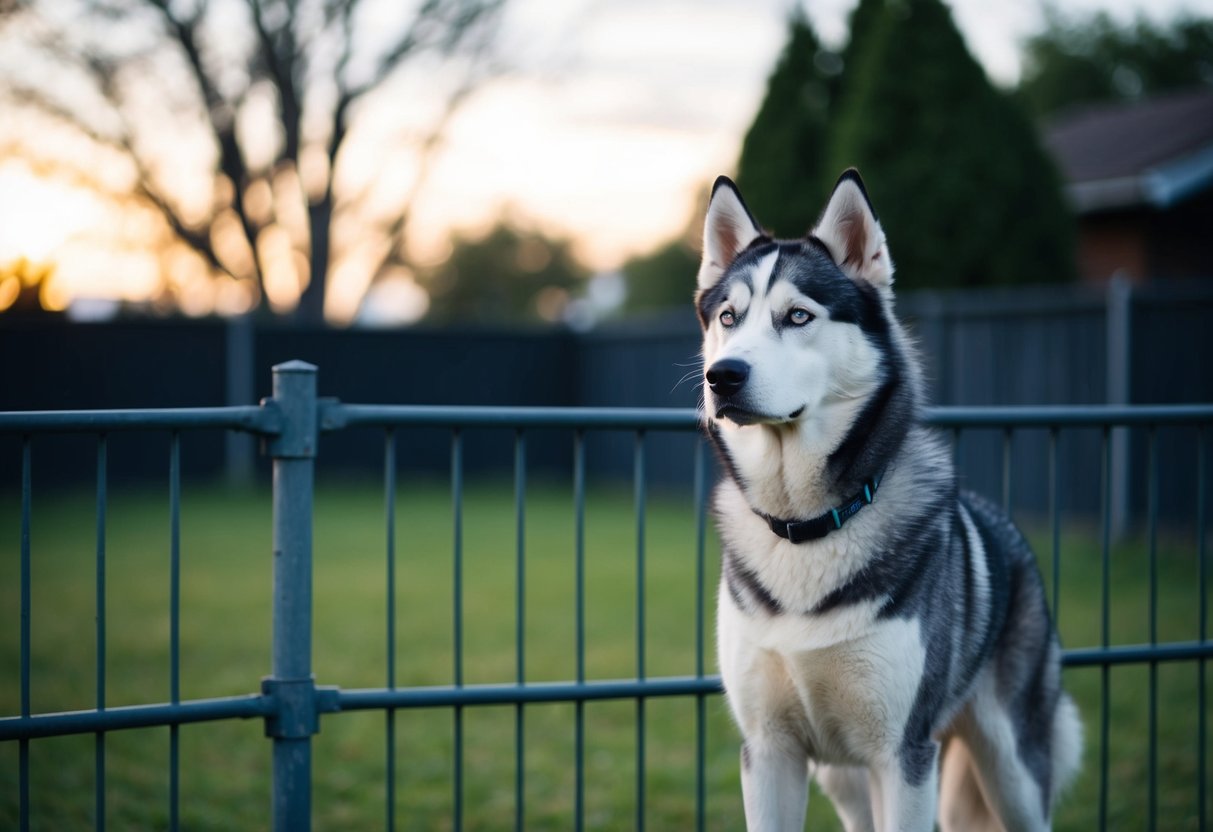
When choosing a dog, some breeds are known for their independent nature. This independence comes with specific characteristics that can be both appealing and challenging for owners. Let’s explore some common breeds and the traits that define independent dogs.
Common Independent Breeds
Several dog breeds are well-known for their independent temperaments. These include the Basenji, Afghan Hound, Chow Chow, Shiba Inu, and Borzoi.
- Basenji: Often called the “barkless dog,” this breed is known for its unique vocalizations and independence.
- Afghan Hound: With a regal appearance, the Afghan Hound can be aloof and prefers to do its own thing.
- Chow Chow: This breed can be standoffish and needs proper training and socialization early on.
- Shiba Inu: While affectionate, Shiba Inus are known for being stubborn and often like to follow their own rules.
- Borzoi: Known for their graceful demeanor, Borzois are also independent and may not always seek your companionship.
These breeds often enjoy their space and may not be as loyal as others.
Characteristics of Independent Dogs
Independent dogs display various traits that set them apart. Here are some key characteristics:
- Stubbornness: You may find that these dogs don’t always listen to commands. They tend to have their own ideas about what they want to do.
- Intelligence: Many independent breeds are highly intelligent. This intelligence can lead to thinking for themselves, sometimes making training a bit tricky.
- Self-Reliance: Independent dogs usually prefer to explore and entertain themselves rather than constantly seeking human interaction.
Understanding these traits is essential if you consider bringing an independent breed into your home. Their unique personalities can be rewarding, but they also require a different approach to training and companionship.
Traits of Less Loyal Breeds

Less loyal dog breeds often exhibit specific traits that can affect their bond with you. Understanding these traits will help you know what to expect when choosing a dog.
Perception Versus Reality
Many people believe that loyalty is a sign of a well-trained dog. However, some breeds, like the Afghan Hound or Basenji, are naturally more independent. Their history as hunting dogs contributes to this behavior. They often prioritize their instincts over forming close attachments.
These dogs value freedom and exploration, making them seem distant. It’s essential to recognize that their independence does not mean they lack affection. They might show love in different ways, like through play or companionship.
Understanding Behavior and Training
Training can help improve behavior in less loyal breeds, but it requires patience. Basic obedience training is vital in building a solid foundation. Consistent commands and rewards help foster better relationships.
Socialization is crucial for these breeds. Exposing them to different environments and people can reduce stubbornness. Regular mental stimulation, like puzzle toys or interactive games, helps engage their minds.
Even with training, some breeds may never display the same loyalty as others. Recognizing their unique behaviors allows you to appreciate the bond you can form.
Impact of Training on Loyalty
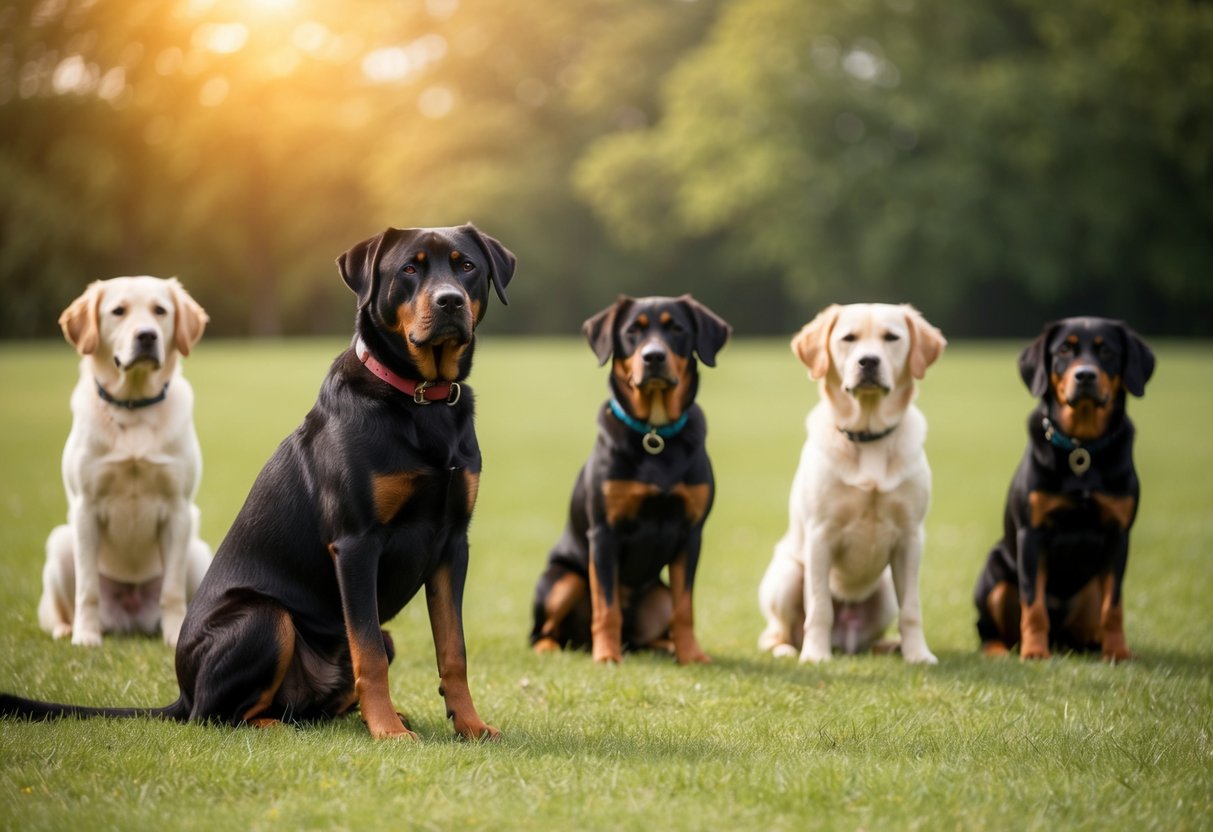
Training plays a crucial role in shaping a dog’s loyalty. How you interact with and train your dog can greatly influence their attachment to you. Focused training methods can help improve your dog’s obedience and social behavior, leading to a stronger bond.
Role of Positive Reinforcement
Positive reinforcement is essential in training your dog. When you reward your dog with treats or affection for good behavior, they learn to associate those actions with something positive. This method encourages them to repeat desirable behaviors.
For example, when your dog successfully follows a command, reward them immediately. Use treats, praise, or a favorite toy to reinforce their actions. This helps your dog see you as a leader and strengthens their loyalty.
Additionally, engaging in regular training sessions keeps your dog mentally stimulated. Activities that require focus, like agility training or scent work, can boost their confidence and loyalty. Remember, a happy dog often feels loyal to their owner.
Training Tips for Independent Breeds
Independent breeds often need special attention during training. You should adjust your approach to meet their needs because these dogs might not respond well to traditional methods.
Start by establishing a routine. Dogs thrive on consistency, so set clear schedules for feeding, walks, and training sessions. This stability makes your dog feel secure.
Incorporate socialization into their daily life. Exposing your dog to different environments, people, and other animals helps build their confidence. A well-socialized dog is more likely to be loyal.
Lastly, maintain a balance between training and fun. Use interactive toys or games that involve you and your dog. This combination of training and play fosters a loving bond and enhances obedience.


