
When choosing a dog, many factors come into play, from size to temperament. Some breeds are beloved and sought after, while others struggle to find homes. The most unwanted dog breed is often the American Pit Bull Terrier, due to misconceptions about their nature and reputation. This can lead to fewer adoptions and a higher rate of abandonment in shelters.
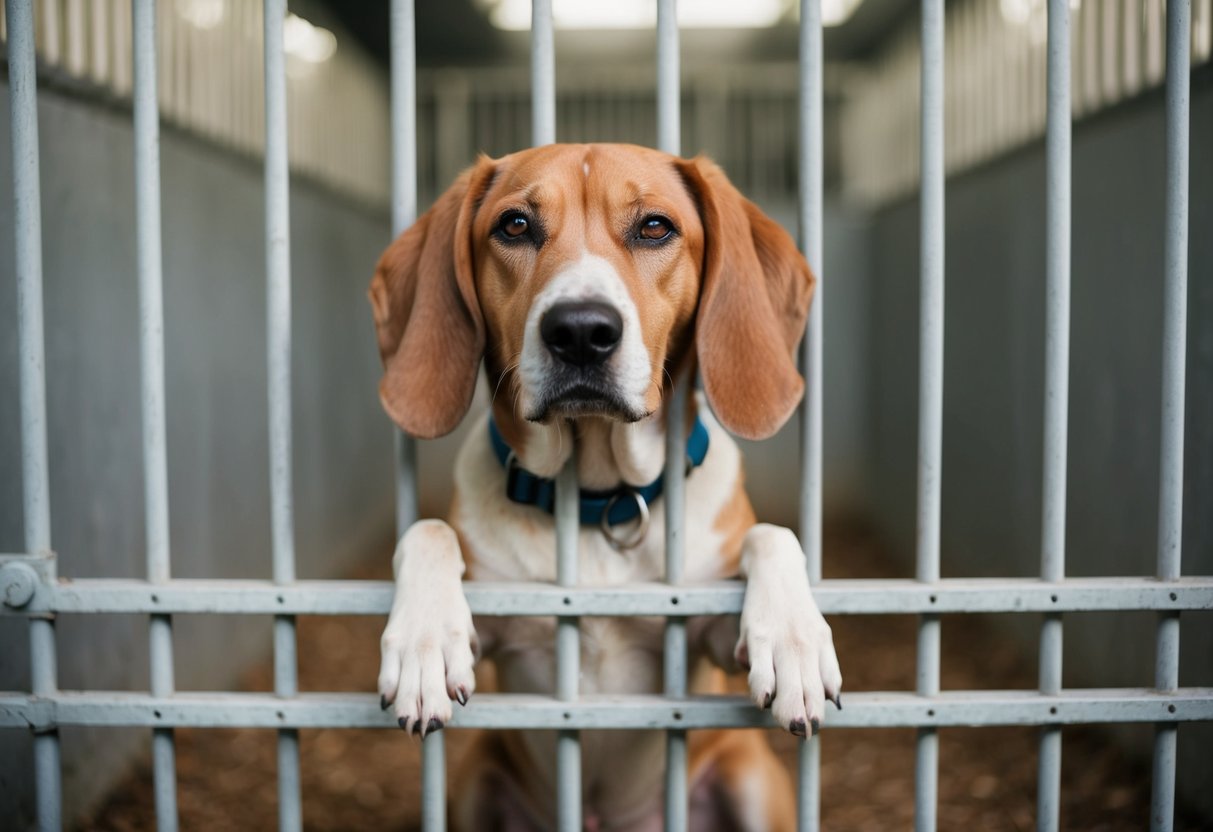
Understanding which breeds are often overlooked can help you make a more informed decision if you are considering adoption. You might be surprised at the reasons behind these labels and the qualities that make these dogs great companions. If you’re curious about the most unwanted dog breeds and why they end up in shelters, read on to discover more.
Understanding Dog Breed Stigmatization

Dog breed stigmatization occurs when certain breeds are unfairly labeled as dangerous or aggressive. This often leads to negative perceptions and even breed-specific laws.
Some commonly stigmatized breeds include:
- Pit Bull Terriers
- Rottweilers
- German Shepherds
- American Staffordshire Terriers
- Staffordshire Bull Terriers
These breeds are often mislabeled due to media stories or a few negative interactions. It’s important to remember that a dog’s behavior is largely influenced by its upbringing.
For example, poor training and mistreatment can lead to aggression. Many dogs, regardless of breed, can exhibit problematic behaviors if not properly cared for.
Bully breeds, such as Pit Bulls and Rottweilers, often receive harsh treatment because of their size and strength. Despite this stigma, they can be friendly companions.
You can help change perceptions by sharing positive stories about these breeds. Encouraging responsible ownership, including training and socialization, is key to changing the narrative.
Understanding the role of environment and treatment in a dog’s behavior can shift how we view certain breeds. It’s about giving each dog a chance to show its true personality.
Factors Leading to Unwanted Status
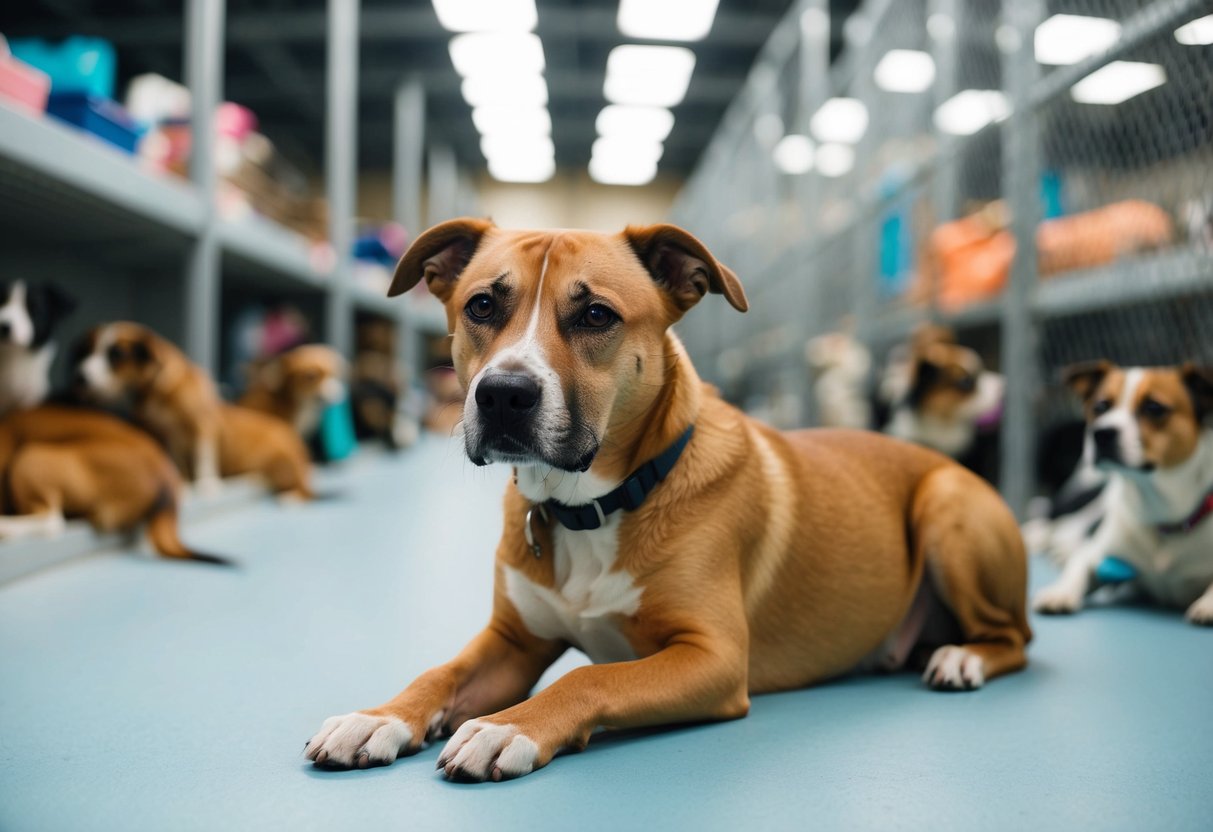
Understanding why certain dog breeds become unwanted is essential. Various issues, including behavioral challenges and health concerns, play a significant role. Let’s take a closer look at these factors.
Behavioral Challenges and Reputation
Some breeds develop a reputation due to their behavior. For example, German Shepherds can be perceived as aggressive if not properly trained. This can scare potential owners away.
Chihuahuas might be seen as yappy or difficult to manage, which contributes to their unwanted status. Aggressive behaviors can arise from poor socialization or a lack of training.
You need to consider how a dog’s temperament affects its chances of finding a home. Many people want a calm and friendly companion, avoiding breeds with a reputation for being hard to handle or temperamental.
Health Problems and Care Requirements
Health issues significantly contribute to a dog breed’s unwanted status. Bulldogs, for instance, often face respiratory problems due to their unique shapes. This leads to concerns about their long-term health.
The care required for certain breeds can also deter potential owners. For example, some dogs have high exercise needs. If you can’t meet these demands, breeds like German Shepherds may not be a good fit for your lifestyle.
Understanding these factors can help you make informed choices about dog ownership. Keeping health and behavioral aspects in mind can lead to better matches between dogs and their new families.
Impact of Breed-Specific Legislation
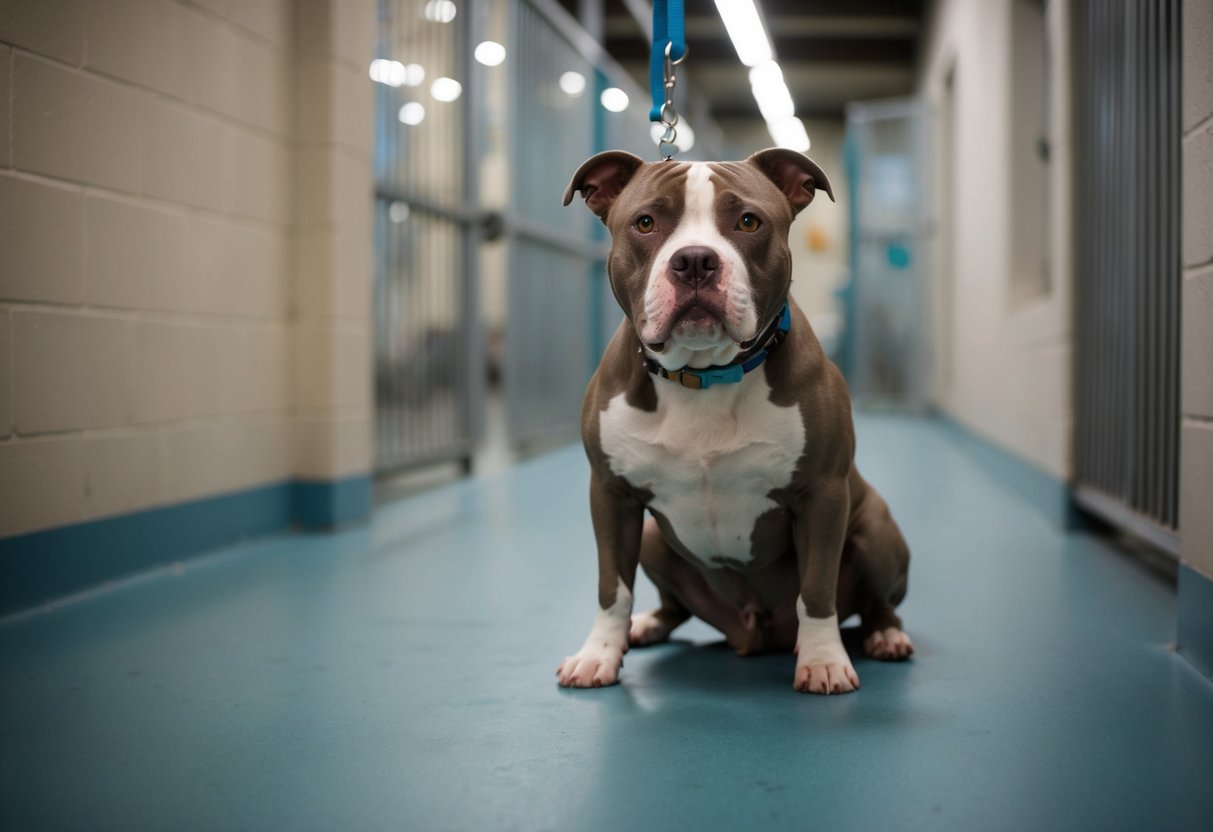
Breed-specific legislation (BSL) can greatly affect dog adoption rates and the challenges faced by pet owners. These laws often lead to confusion, resulting in negative outcomes for certain breeds and the people who care for them.
Effect on Dog Adoption and Abandonment
Many animal shelters find that breeds like the Presa Canario are less likely to be adopted due to breed-specific laws. This creates a cycle of abandonment and euthanasia, as potential owners feel discouraged from adopting these dogs.
When you look at the statistics, unwanted breeds often sit in shelters longer. The stigma around specific breeds leads to longer wait times for adoption, which can increase overcrowding in shelters. This results in many healthy, lovable dogs being needlessly euthanized.
Furthermore, owners sometimes abandon these breeds to avoid facing legal repercussions or to escape the stress of being a pet owner under strict regulations.
Challenges for Pet Owners and Rehoming Centres
For pet owners, living with a breed targeted by BSL can be stressful. You may feel anxious about how others view your pet or worry about legal actions. This can lead to frustration and uncertainty about your responsibilities as a dog owner.
Rehoming centres also face difficulties when trying to place banned breeds. The bad reputation leads to increased challenges in finding suitable homes. Practices may shift toward breed discrimination, ignoring the fact that behavior often depends on the individual dog and owner.
Certain policies may even restrict adoption entirely for specific breeds, leaving you with fewer options if you need to rehome your pet. All of these factors contribute to a difficult landscape for both pets and owners.
Responsible Dog Ownership and Education
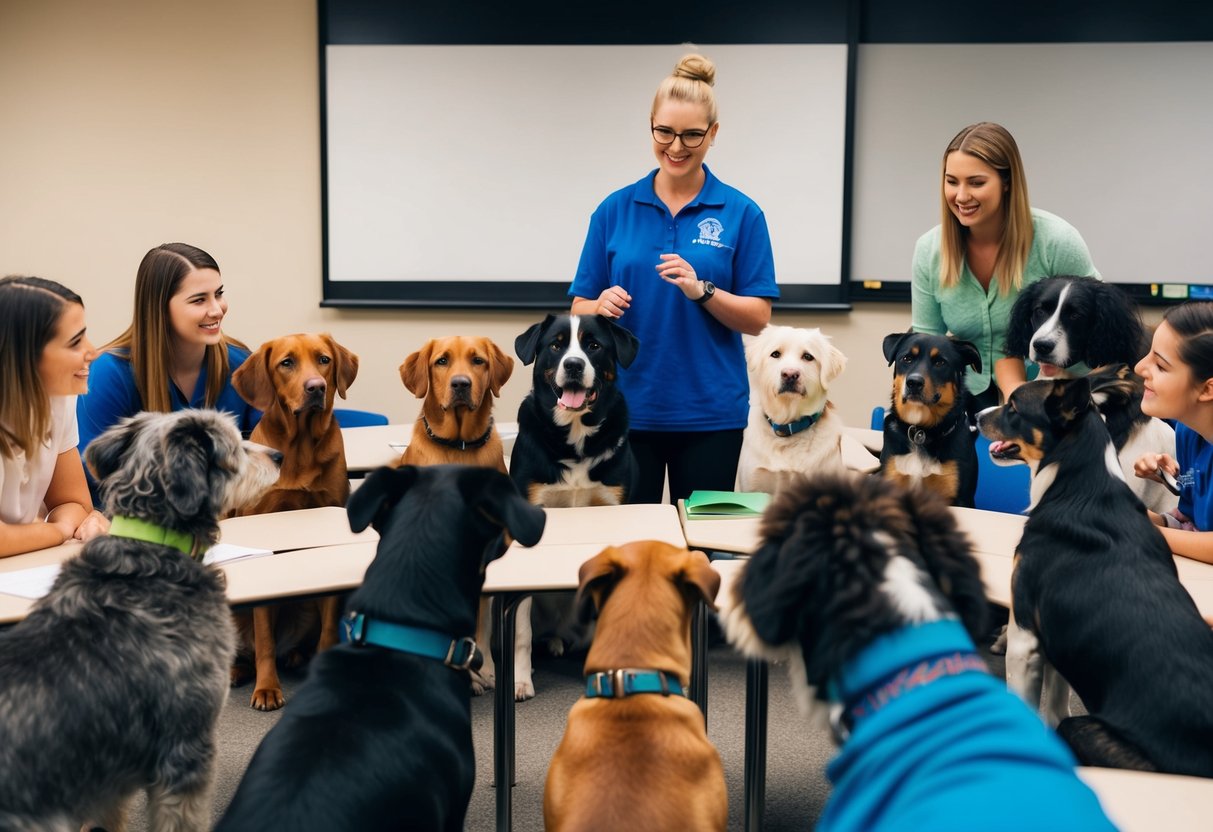
Being a responsible dog owner means investing time in training and socialization. It’s crucial for nurturing a happy, well-adjusted dog. This helps reduce behavioral issues and improves the bond between you and your pet.
Promoting Positive Training and Socialization
Positive training methods are essential for teaching your dog good behaviors. Using treats, praise, and encouragement can help your dog learn effectively. Start with basic commands like “sit,” “stay,” and “come.” These commands build a foundation for good manners.
Socialization is just as important. Expose your dog to different people, environments, and other animals. This helps them feel comfortable and reduces fear or aggression. You can take your dog to parks, puppy classes, or community events to socialize.
The RSPCA offers resources and guidance on training, promoting responsible dog ownership in your community. Understanding your purebred dog’s needs can also enhance their social skills. Remember, a well-trained dog is happier and less likely to develop behavioral problems.
Role of Professional Dog Trainers and Rescue Organizations
Professional dog trainers play a vital role in responsible pet ownership. They provide expert guidance on training techniques suited for your dog’s specific needs. A good trainer will focus on positive reinforcement, creating a safe and productive learning environment.
Rescue organizations are also key players in promoting responsible dog ownership. They not only help find homes for dogs in need but also educate new owners about proper care. These organizations often provide resources on training and behavior management.
By partnering with trainers and rescues, you can ensure your dog has a loving and supportive environment. Their knowledge can help address common challenges you may face while training your dog. With proper support, you can nurture a happy, healthy canine companion.


