
When choosing a dog, you might wonder which breed is the most obedient. The Labrador Retriever is often considered the most obedient dog due to its high intelligence and eagerness to please. This breed excels in training, making it a favorite for families and service work alike.

Obedient dog breeds, like the Labrador, show both natural intelligence and a strong desire to learn. Their trainability not only makes them great companions but also helps in forming a deep bond between you and your dog.
Understanding which breeds are known for their good behavior can guide you in making the right choice for your home.
If you are looking for a furry friend that will follow commands and adapt well to training, knowing which dogs rank high in obedience is crucial. Keep reading to discover more about these amazing breeds and what makes them stand out in terms of obedience and trainability.
Understanding Dog Intelligence and Trainability

Dog intelligence and trainability are essential when considering obedience. Factors like eagerness to please and your training methods can significantly influence how well your dog learns. The following subsections will dive into what impacts a dog’s ability to follow commands and how we measure their intelligence.
Factors Influencing Obedience
Several key factors affect how obedient your dog can be. Intelligence plays a crucial role, as dogs with higher cognitive abilities tend to learn commands faster.
Another important factor is eagerness to please. Dogs that enjoy making their owners happy often respond better to training.
Your training methods, especially the use of positive reinforcement, can make a big difference. For instance, rewarding your dog with treats or praise when they obey encourages them to repeat the behavior.
Finally, mental stimulation is vital. Engaging your dog in various activities keeps them focused and less likely to lose interest during training sessions.
Measuring Intelligence in Dogs
To measure a dog’s intelligence, trainers often use a few key methods. One popular approach is evaluating how quickly a dog learns commands. Typically, a dog that understands a new command in fewer than five repetitions is considered highly intelligent.
Another method involves assessing a dog’s problem-solving skills. For example, you might place a treat inside a puzzle toy. Dogs that figure out how to access the treat quickly demonstrate higher cognitive abilities.
Additionally, obedience tests can show how well a dog follows commands in different environments. Overall, these methods help determine the various intelligence levels found in different breeds, guiding you in training your dog effectively.
Top Obedient Dog Breeds
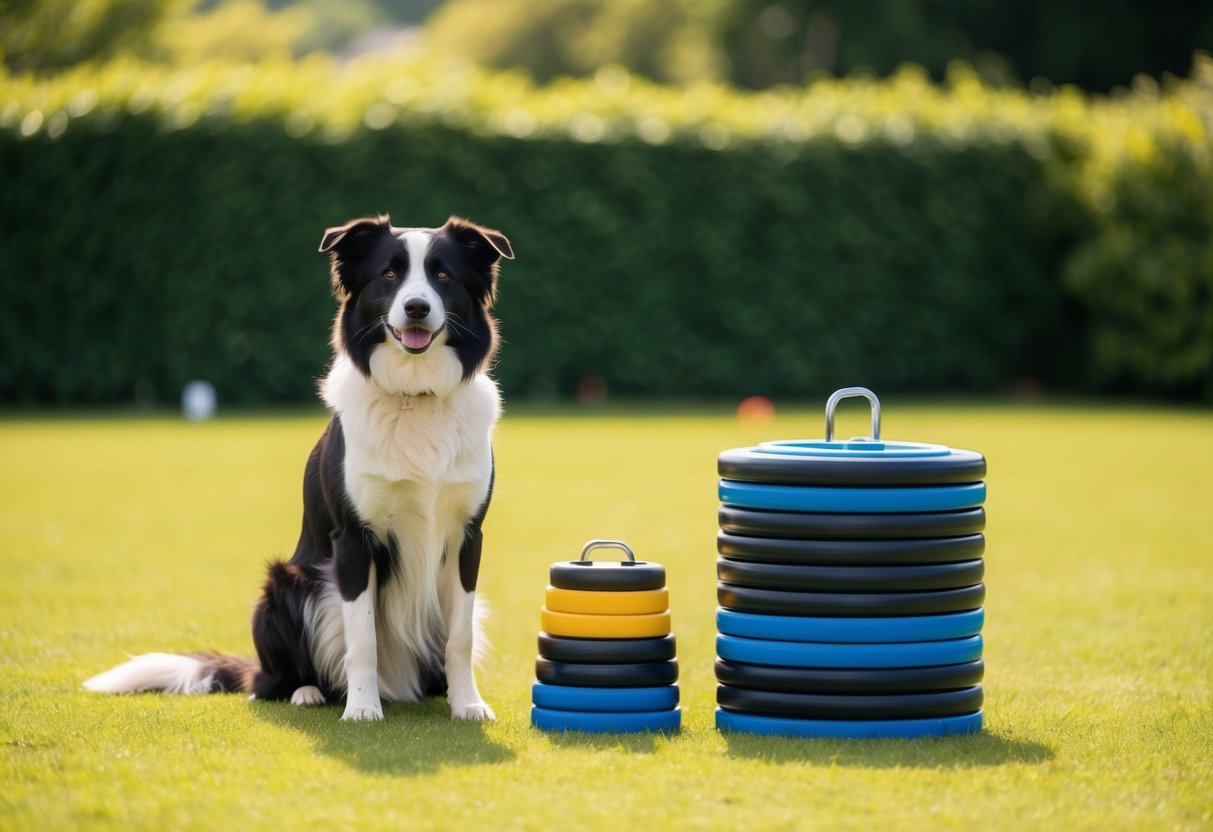
When choosing a dog, obedience is key for a happy partnership. Some breeds stand out for their intelligence and trainability. Here are a few top choices that excel in obedience.
Border Collie: The Intelligent Herder
The Border Collie tops many lists for its smart and obedient nature. Known for herding, these dogs thrive on mental stimulation and physical activity.
They are quick learners and can master commands rapidly. Their love for work makes them eager to please, which helps them excel in training sessions.
You might notice them working closely with their owners, showing strong bonds. They need daily exercise, making them ideal for active families who enjoy outdoor fun.
German Shepherd: Loyal and Versatile
The German Shepherd is not just loyal but also incredibly trainable. This breed is often used in police and service work due to its intelligence and strength.
They respond well to commands and are eager to form a strong bond with you.
Training a German Shepherd can be a rewarding experience, as they are natural learners. Regular exercise and mental challenges keep them happy and obedient.
This breed excels in various roles, including protection, search and rescue, and as family pets.
Golden Retriever: The Family Favourite
Golden Retrievers are known for their friendly nature and high trainability. They love to be part of the family and enjoy spending quality time with you.
These dogs are eager to please and are very responsive to training. Their gentle temperament makes them great with children and other pets.
Golden Retrievers also excel at various tasks, from assistance work to therapy. They thrive on daily exercise and socialization, making them a perfect fit for active households.
Poodle: The Quick Learner
Poodles are intelligent and remarkably trainable. Whether it’s a Standard, Miniature, or Toy Poodle, you’ll find this breed eager and ready to learn.
They excel at obedience training and can master tricks quickly. Poodles are also known for their hypoallergenic coats, making them a good option for allergy sufferers.
These dogs require regular exercise to stay happy and healthy. Their playful nature and intelligence make them great companions for all ages.
With a Poodle, you’ll enjoy a bond built on mutual understanding and obedience.
Training Techniques for Optimal Obedience

To achieve the best obedience from your dog, focus on effective training techniques. These methods can enhance your dog’s trainability and create a strong bond between you and your furry friend.
Positive Reinforcement and Feedback
Using positive reinforcement is a key method for teaching your dog commands. This approach involves rewarding your dog for good behavior with treats, praise, or affection.
When your dog successfully follows a command, immediately offer a reward. This encourages them to repeat the desired behavior in the future.
Make sure to keep track of your dog’s progress. Use specific cues when rewarding them to help them understand what behaviors are expected.
For example, if you teach “sit,” reward them only when they sit on command. This technique works well for service dogs, who need to learn precise tasks.
Mental and Physical Exercise
A well-exercised dog is more likely to be obedient. Incorporating both mental and physical exercise into your routine can enhance your dog’s agility and focus.
Regular walks, play sessions, and even dog sports can help meet their energy needs.
Mental stimulation is equally important. Puzzle toys, training games, and new tricks can keep your dog engaged.
When your dog is mentally challenged, they become more attentive and less likely to act out. This balanced approach leads to a happier and more obedient pet.
Socialization and Consistency
Socializing your dog early on is essential for optimal obedience. Introduce them to different people, animals, and environments.
This exposure helps reduce anxiety and improves their adaptability.
Consistency plays a crucial role in training. Use the same commands and rewards each time to avoid confusing your dog.
Establish a routine for training sessions and stick to it. This helps set clear expectations, making it easier for your dog to learn and respond to commands effectively.
Selecting the Right Breed for Your Lifestyle

Choosing the right dog breed is essential for your happiness and the dog’s well-being. Factors like space, energy levels, and health needs all play a significant role in finding a perfect match. Below are important considerations to help you make the best choice for your lifestyle.
Considering Space and Size
Your living situation greatly affects the type of dog you can adopt. If you live in a small apartment, consider small dog breeds like Beagles or French Bulldogs. They adapt well to limited spaces and don’t require large yards.
If you have more room, larger breeds such as Golden Retrievers or Labrador Retrievers can thrive. These dogs often need space to play and exercise.
Remember, bigger dogs can be more challenging in small homes. Check your yard, too. Fenced-in yards are great for letting your dog run around safely.
Ensure the size of your home suits your new furry friend.
Energy Levels and Family Dynamics
Different breeds have varying energy levels, which can affect your household. If you’re active and enjoy outdoor activities, consider herding dogs like Border Collies. They require a lot of exercise and are perfect for families who hike or run.
For families with kids or seniors, look for affectionate dogs such as Cavalier King Charles Spaniels. Their calm demeanor makes them great companions, and they enjoy snuggling.
Also, assess your family’s routine. If you are busy, choose one of the easiest dogs to train, like a Labrador or Poodle. Quick learners can adjust better to your lifestyle, keeping stress low for everyone involved.
Maintenance and Health Considerations
Each breed has its own health issues and grooming needs. Some breeds require regular grooming, while others need less maintenance. Beagles, for example, are generally low-maintenance.
Consider how much time and money you can invest in vet visits and grooming. Service dogs and assistance dogs can have specific needs due to their roles, so factor this in if you need a working dog.
Also, be aware of breed-specific health concerns. Larger dogs may have joint problems, while some smaller breeds might face dental issues. Research your preferred breed to ensure you can care for them adequately.


