
When it comes to finding the cutest house dog, several breeds stand out for their adorable looks and friendly nature. The Pug is one of the top contenders for the title of cutest house dog. These little bundles of joy are not only charming with their wrinkled faces and big eyes but also make great family pets due to their playful and affectionate demeanor.
Another breed that captures hearts is the French Bulldog. With their bat-like ears and compact size, French Bulldogs are perfect for apartment living and bring delightful companionship to any household. They thrive on human interaction and are known for their loving and loyal personalities, making them ideal companions for families and individuals alike.
You might also want to consider the Cavalier King Charles Spaniel, known for its gentle and friendly nature. With their silky coats and expressive eyes, they are sure to brighten your day. Whether you’re looking for a snuggly buddy or an energetic playmate, these breeds offer both cuteness and companionship, making them some of the best house dogs around.
Defining Characteristics of Cute House Dogs
When choosing a cute house dog, several defining features come into play. These include their size, behaviors, and care needs. Understanding these traits will help you find the perfect furry companion for your home.
Small Stature and Expressive Faces
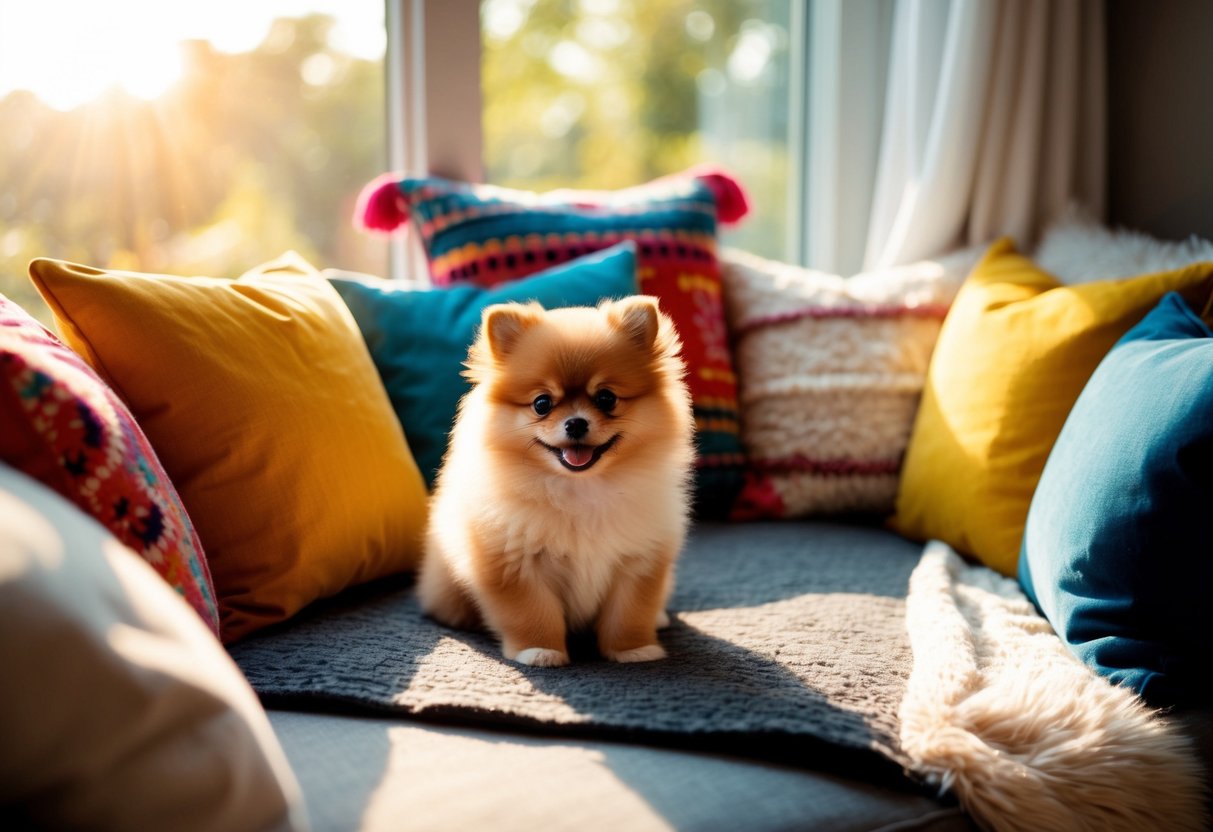
Cute house dogs are often small in size, making them perfect for indoor living. Breeds like the Yorkshire Terrier, Pomeranian, and Chihuahua are popular choices. Their compact bodies allow for easy handling and cuddling.
These dogs also have expressive faces that can melt your heart. The wide eyes and charming expressions of breeds such as Shih Tzus and Maltese dogs are hard to resist.
Many have features that reflect a playful personality. For instance, pugs showcase a joyful demeanor, while Cavalier King Charles Spaniels offer a sweet and gentle look that draws you in.
Temperament and Behavior
Temperament plays a crucial role in what makes a dog cute and suitable for the house. Dogs like the Papillon and Affenpinscher are known for their lively and affectionate nature, making them delightful companions.
These breeds tend to bond closely with their families. Their friendly behavior encourages interaction and affection, creating a nurturing environment.
Cute house dogs also have playful temperaments. A playful pug can entertain you with silly antics, while a calm Cavalier King Charles Spaniel can offer comfort and companionship.
It’s essential to choose a dog that matches your lifestyle. Active owners may enjoy the energetic antics of a Pomeranian, while those preferring a more relaxed vibe might opt for a Shih Tzu.
Maintenance and Care
Caring for cute house dogs involves understanding their specific needs. For example, small dogs often require regular grooming. Breeds like the Maltese and Yorkshire Terrier have long coats that need consistent brushing to avoid tangles.
Health care is also important. Regular vet visits can help prevent common issues seen in smaller breeds, such as dental problems and patellar luxation. Ensuring they receive proper nutrition is key to their overall health.
Finally, exercise varies by breed. While some small dogs like the Papillon are very active, others, such as the Cavalier King Charles Spaniel, enjoy relaxed strolls. Tailoring your care approach will help keep your cute house dog happy and healthy.
Popular Cute Dog Breeds for Families

When choosing a cute dog for your family, some breeds stand out for their friendly nature and adaptability. Here are some popular options that are known for being great companions for families.
Labrador Retriever and Golden Retriever
Both the Labrador Retriever and Golden Retriever are friendly, loyal, and great with children. Labradors are known for their playful and patient demeanor, making them ideal for families. They love to play fetch and enjoy outdoor activities.
Golden Retrievers have a similar temperament, known for their gentle nature. They are eager to please and often excel in obedience training. Both breeds require regular exercise, so be prepared for daily walks and playtime. Their affectionate nature makes them excellent family pets.
Beagle and Dachshund
Beagles and Dachshunds are smaller breeds that pack a lot of personality. Beagles are curious and social dogs. They fit well in family settings and love being included in activities. Their playful nature makes them great companions for children.
Dachshunds, with their unique shape and charming attitude, are also wonderful family dogs. They are loyal and have a fun, spirited energy. Both breeds are great for families looking for a dog that enjoys playtime but requires moderate exercise and grooming.
Poodle and French Bulldog
Poodles, available in standard, miniature, and toy sizes, are highly intelligent and trainable. They are hypoallergenic, making them suitable for families with allergies. Poodles are playful and enjoy being involved in family activities.
French Bulldogs are known for their affectionate nature and easygoing personality. They don’t require a lot of exercise, making them perfect for families in smaller homes. Their charming looks and friendly demeanor can bring joy to any household.
Health and Longevity
When choosing a house dog, health and longevity are important factors. Some breeds may face specific health issues, but there are ways to help your dog live a longer and healthier life.
Common Health Issues
Different dog breeds can have unique health problems. For example, the Bernese Mountain Dog and Newfoundland are known to suffer from hip dysplasia and heart issues. Siberian Huskies may deal with eye problems, while Chow Chows are prone to skin conditions and respiratory issues.
Collies can experience genetic disorders like Collie Eye Anomaly. German Shepherds are also at risk for joint problems due to their size. Corgis often face back issues, especially if they are overweight. Border Collies are generally healthy but can develop separation anxiety if left alone for long periods. Knowing these potential issues helps you take better care of your furry friend.
Tips for Longer Lifespan
To help your dog live a longer life, focus on their health and happiness. Start with regular vet check-ups to catch any issues early. Proper nutrition is key. Feed a balanced diet suitable for your dog’s size and breed.
Daily exercise is essential, especially for active breeds like Border Collies or German Shepherds. Mental stimulation is also vital. Engage your dog with toys, training, and playtime to keep their mind sharp.
Consider socializing your dog from a young age to reduce anxiety, particularly in breeds prone to separation anxiety, like Corgis. Lastly, maintain a healthy weight to prevent many health problems associated with obesity. These steps can help ensure a happy and healthy life for your canine companion.
Activities and Engagement
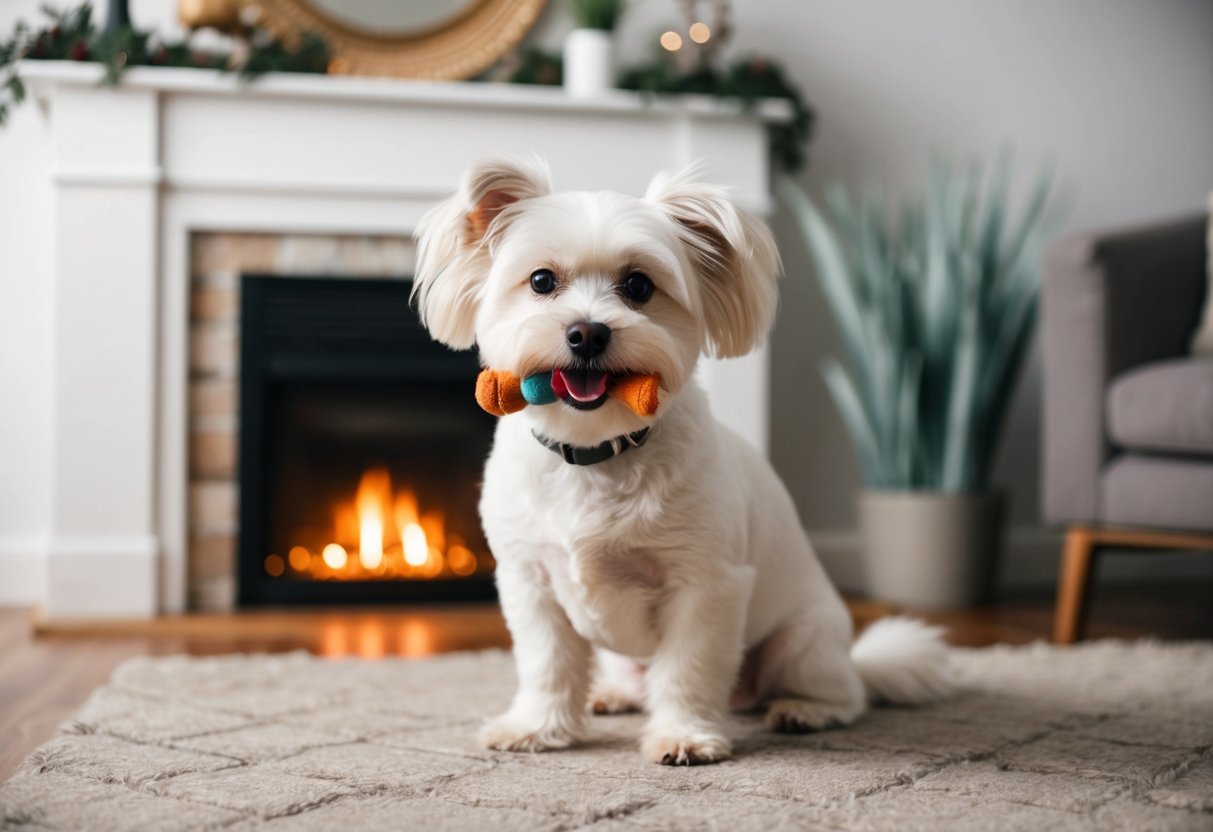
Engaging your cute house dog in fun activities is essential for their happiness and well-being. It’s important to provide both mental stimulation and physical exercise through interactive play and dog sports. Here are some specific ways to keep your furry friend active and entertained.
Interactive Play and Toys
Interactive toys are great for keeping your dog busy. Look for puzzle toys that challenge your pet to figure out how to get to the hidden treats inside. These toys can help enhance your dog’s problem-solving skills.
Hide-and-seek is another fun game. Simply hide treats or toys around your home, allowing your dog to use their keen sense of smell to find them. Dogs like Pembroke Welsh Corgis and Cavalier King Charles Spaniels will enjoy these activities.
You can also engage in tug-of-war with a sturdy rope toy. This is a perfect way to bond with your dog while giving them a good workout. Just remember to let your dog win sometimes to keep the game fun!
Dog Sports and Training
Dog sports are a wonderful way to keep your pet active. Agility training can be exciting for dogs like Border Collies and Australian Shepherds. They love to navigate obstacle courses that test their speed and intelligence.
Obedience training is also beneficial. Teaching commands not only keeps your dog mentally sharp but strengthens your bond.
Training sessions can be short and fun, and they fit well into a daily routine.
Consider group classes for socialization and added fun. Shetland Sheepdogs and other friendly breeds thrive in these environments where they can meet other dogs and people.
Engaging your dog in sports and training will keep them healthy and happy!


