
If you’re considering adding a furry member to your family, you might be wondering about Alaskan Huskies. These dogs are known for their friendly nature and playful spirit. Alaskan Huskies can make excellent family pets, especially for active families who love spending time outdoors. Their energetic personalities often keep them engaged and happy, creating a lively atmosphere in your home.

Alaskan Huskies are affectionate and enjoy being around people, which makes them great companions. They are generally good with children and can form strong bonds with family members. If you have kids, an Alaskan Husky can provide both friendship and playfulness, adding joy to your household.
However, it’s important to keep in mind that these dogs do require plenty of exercise and mental stimulation. If you’re ready to meet their needs, having an Alaskan Husky as part of your family can be a rewarding experience.
Understanding the Alaskan Husky

Alaskan Huskies are energetic and friendly dogs known for their strong bond with families. They have unique traits stemming from their history and physical characteristics that make them special companions. Here’s what you need to know.
Breed Origins and History
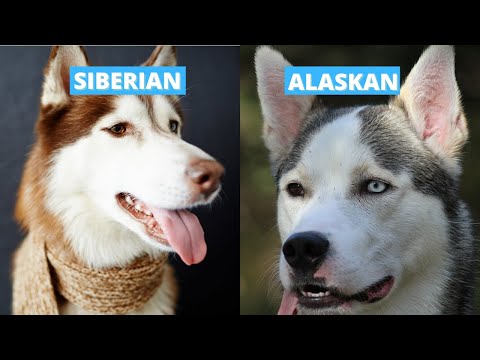
Alaskan Huskies were bred primarily for their working abilities. They are descendants of ancient breeds used by Arctic tribes for transportation and hunting. Unlike the Siberian Husky, Alaskan Huskies don’t have a fixed appearance, which allows for a variety of sizes and coat colors.
These dogs excelled in sled dog teams, showcasing their strength and endurance. They are different from the Alaskan Malamute, which is larger and has a more robust build. Alaskan Huskies are typically medium-sized, weighing between 35 to 60 pounds. Understanding their past helps you appreciate their strong work ethic and loyalty to families.
Physical Characteristics and Health
Alaskan Huskies typically stand between 20 to 23 inches tall at the shoulder. Their coats come in many colors, including black, gray, and red, often featuring unique markings. Their size and energy levels require good nutrition and regular exercise to keep them healthy.
When it comes to health issues, Alaskan Huskies may face problems like hip dysplasia and hypothyroidism. It’s important to maintain regular vet check-ups and ensure they have a proper diet. With appropriate care, they can live an average lifespan of 12 to 15 years, making them wonderful long-term companions for families.
Temperament and Personality Traits
Alaskan Huskies are known for their friendly and sociable nature. They thrive on human interaction and enjoy being part of family activities. Their intelligence makes them eager to learn but can also lead to stubbornness.
These dogs are affectionate and form strong bonds with their families. Being pack animals, they do well with companionship, whether it’s with people or other pets. Alaskan Huskies require ample exercise and mental stimulation to stay happy. With proper training, they can be excellent family dogs, bringing joy to your home.
Caring for Your Alaskan Husky

Caring for your Alaskan Husky involves meeting their unique needs, including exercise, training, and grooming. These dogs are known for their high energy and friendly nature, making your active involvement essential.
Exercise and Activity Needs
Alaskan Huskies are high-energy dogs that require plenty of exercise to stay happy and healthy. Aim for at least 30 to 60 minutes of vigorous activity each day. This can include long walks, runs, or engaging in outdoor activities like hiking.
In addition to physical exercise, mental stimulation is crucial. You can keep your Husky mentally fit with interactive toys or training games. If they don’t get enough exercise, Huskies may develop separation anxiety or engage in destructive behaviors. Make exercise a fun routine for both you and your dog.
Training and Socialization
Training is vital for your Alaskan Husky. Use positive reinforcement techniques like treats and praise to encourage good behavior. Start with basic commands like sit, stay, and come. Consistent training helps manage their high energy levels.
Socialization is equally important. Expose your Husky to different environments, people, and other dogs early on. This can help reduce the likelihood of fear-based behaviors and ensure your dog is well-adjusted. Join a puppy kindergarten or dog training classes for effective learning.
Grooming and Health Maintenance
Regular grooming is essential for your Alaskan Husky. They tend to shed a lot, especially during seasonal changes. Brush their coat at least once a week to keep it healthy and reduce shedding around your home.
In addition to grooming, pay attention to their health. Schedule regular vet check-ups to catch any issues early. Huskies may be prone to specific health conditions, including hip dysplasia and eye problems. A balanced diet and proper nutrition will support their active lifestyle and overall well-being.
Alaskan Huskies and Family Life
Alaskan Huskies can be wonderful additions to family life, offering both companionship and loyalty. Their playful nature makes them engaging pets for households with children and other animals.
Compatibility with Children and Other Pets
Alaskan Huskies are known for being good with children when properly trained and socialized. They are playful and have a natural energy that can match the enthusiasm of kids. This breed enjoys interactive play, such as fetch or running, making them great family dogs.
When introducing an Alaskan Husky to your home, it is essential to supervise interactions with children. Teach both your kids and the dog basic commands and boundaries. Huskies are also friendly toward other pets, but early introductions should be handled carefully to ensure a smooth transition. Keep in mind that their independent spirit may require patience during the training process.
The Role of Alaskan Huskies in the Home
In the home, Alaskan Huskies thrive on bonding with family members. They seek affection and love to be involved in family activities. Providing them with proper training and socialization ensures they fit well into your lifestyle.
These dogs can also serve as watchdogs. While they are not aggressive, they will alert you to strangers. Their loyalty and affectionate nature create a deep bond with family members.
Regular exercise and mental stimulation are crucial to keep them happy and healthy, preventing boredom-related behavior issues. Whether playing outside or snuggling on the couch, Alaskan Huskies offer unique companionship that many families appreciate.


