
Boxer dogs are lively, affectionate companions that love being with their families. However, it’s important to manage their time alone carefully to avoid anxiety and destructive behavior. Understanding how long your Boxer can stay by themselves is key to keeping them happy and healthy.
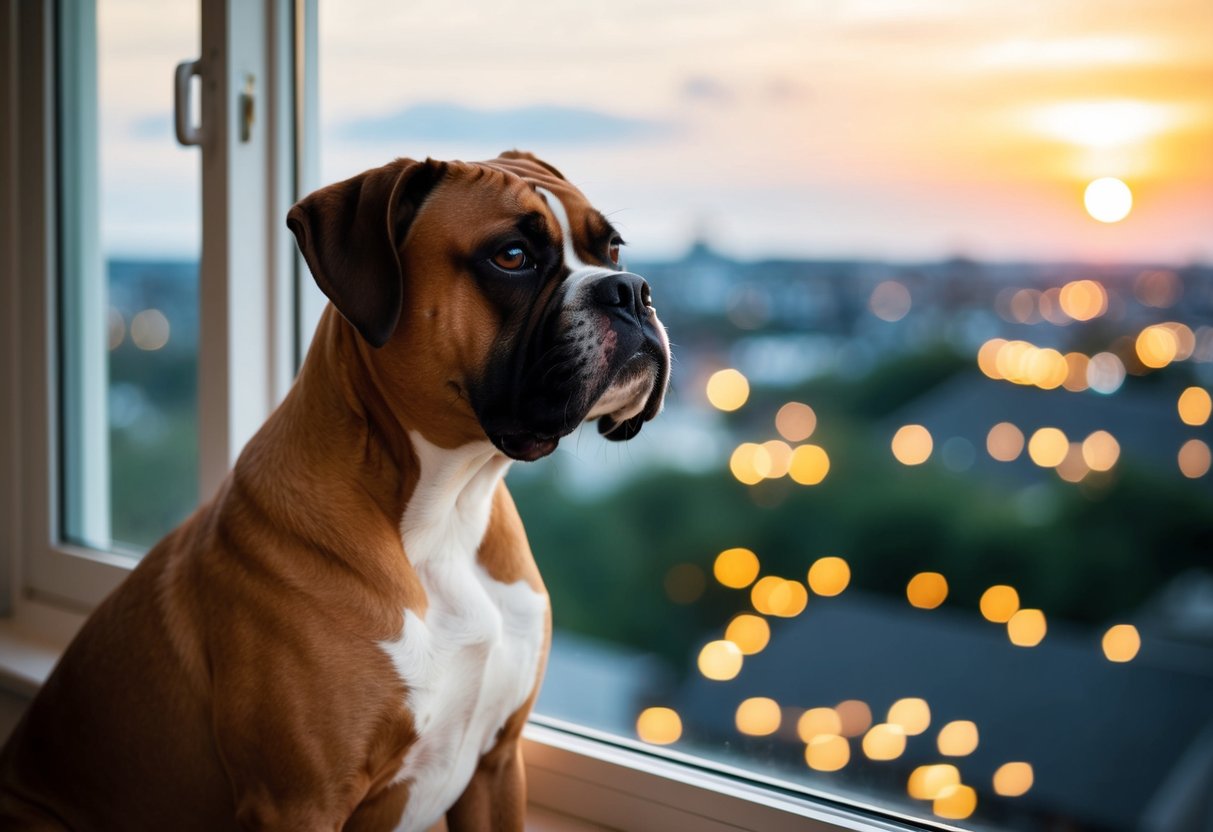
If you need to leave your Boxer alone, it’s helpful to create a comfortable environment and provide plenty of exercise beforehand. This can make a big difference in how they feel during your absence. By taking some simple steps, you can ensure your furry friend stays content while you are away.
In this post, you’ll learn more about how long Boxers can be left alone and tips to help them adjust to your comings and goings. Your Boxer will appreciate your efforts, and you’ll have peace of mind knowing you’re doing what’s best for them.
Understanding Boxer Dogs and Separation Anxiety

Boxer dogs are known for their loyal and affectionate nature. However, this strong bond with their owners can also lead to challenges, especially regarding separation anxiety. Knowing more about their characteristics and how anxiety manifests in them helps you understand your Boxer better.
Characteristics of Boxer Dogs
Boxers are energetic, playful, and social dogs. They thrive on interaction with their families and require plenty of exercise. If left alone for extended periods, they may feel isolated.
Some key traits of Boxers include:
- Affectionate: They love to bond with their owners.
- Energetic: Daily exercise helps keep them happy.
- Intelligent: Boxers quickly learn commands but need consistent training.
Understanding these traits helps you provide the right environment for your Boxer and keeps them healthy and happy.
Separation Anxiety in Boxers
Separation anxiety can be a common issue in Boxers. When they are left alone, they may show signs of distress. These signs include:
- Excessive barking: This is their way of expressing anxiety.
- Destructive behavior: Chewing on furniture or digging can occur.
- House soiling: Some may not be able to hold it in.
To help alleviate anxiety, you can gradually train your dog to be alone. Start with short periods and slowly increase the time. Providing toys or puzzles can also keep them occupied. Additionally, a consistent routine can help reduce their stress when you are away.
Training Strategies to Reduce Anxiety
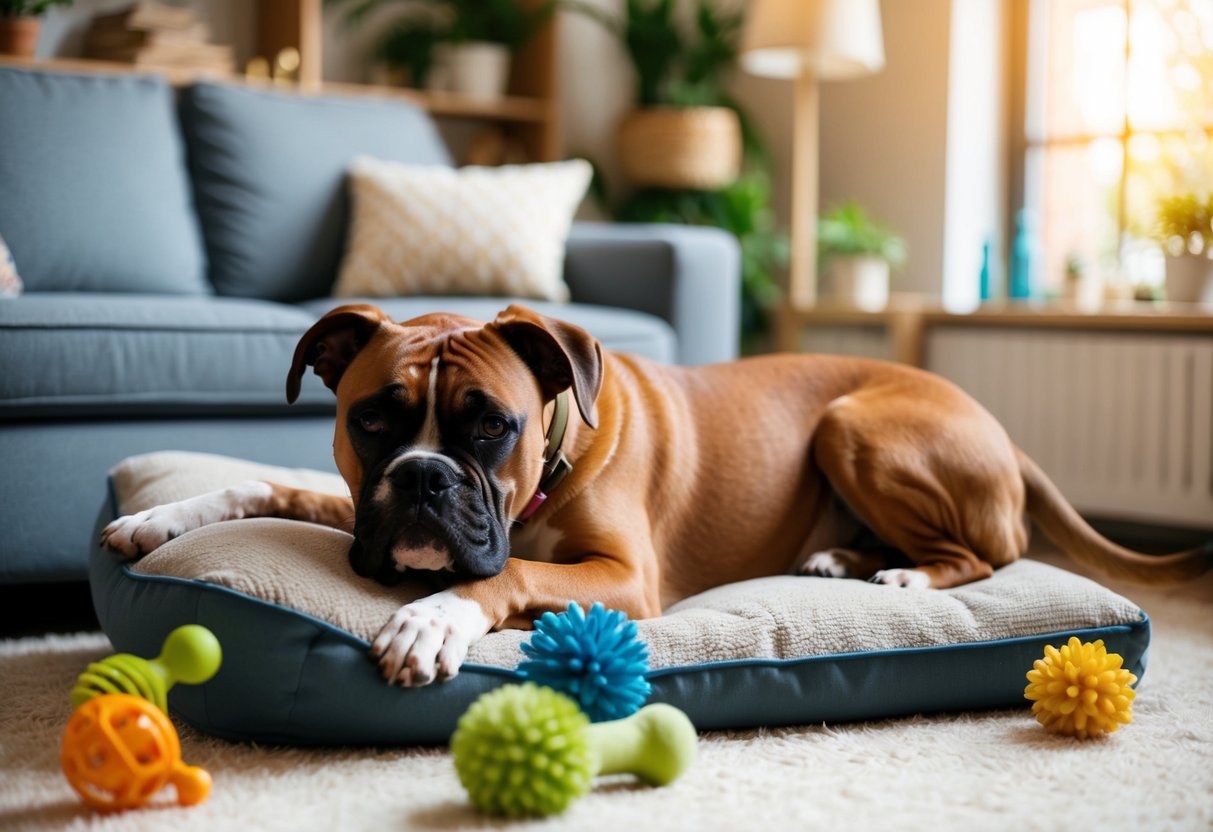
Implementing effective training strategies can greatly help your Boxer dog feel more comfortable when left alone. Two key approaches are crate training and building independence in puppies. Both methods focus on teaching your dog to feel secure and relaxed by themselves.
Crate Training Your Boxer
Crate training helps create a safe space for your Boxer. It provides a den-like environment that can make your dog feel secure.
To start, introduce the crate slowly. Place it in a familiar area with soft bedding and some toys. Then, encourage your dog to enter the crate by using treats and praise.
Gradually increase the time your dog spends inside the crate. Begin with short durations of about 10 to 15 minutes while you are nearby. Then, start leaving the room for short periods. This method helps your dog associate the crate with comfort and safety. Always avoid using the crate as a punishment. Positive reinforcement is key to successful crate training.
Building Independence in Boxer Puppies
Building independence in your Boxer puppies is essential for reducing anxiety when you leave. Start this process early. Encourage exploration by allowing your puppy to play alone in a safe space. Use toys that engage their mind, like puzzle toys, to keep them occupied.
Practice short separations, gradually increasing the time apart. Leave your puppy in a safe area while you go to another room. Return when they are calm to avoid reinforcing anxious behavior.
You might also want to consult a professional dog trainer if your Boxer shows significant signs of anxiety. They can offer tailored advice and techniques suited to your puppy’s specific needs.
Daily Routines and Exercise for Boxers
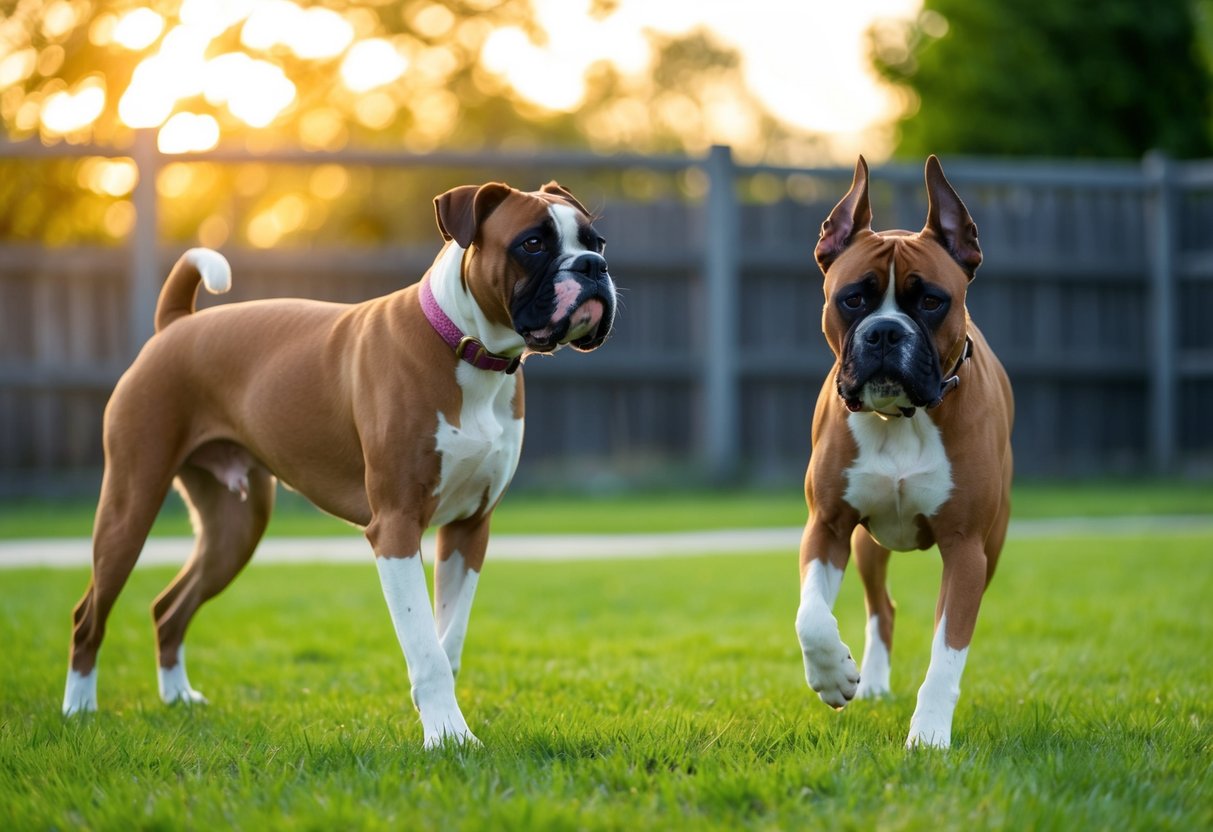
A daily routine that includes regular exercise and mental stimulation is crucial for your Boxer. These dogs have high energy levels and need activities that keep them physically fit and mentally engaged. A well-planned schedule helps prevent boredom and reduces the chances of developing destructive behaviors.
Importance of Regular Exercise
Boxers require a minimum of two hours of exercise each day. This can include walks, playtime, and training sessions.
Regular physical activity helps them burn off excess energy, which is essential for their well-being. Without enough exercise, Boxers may become bored and start to exhibit destructive behaviors like chewing or digging.
Consider a mix of different activities such as fetch, tug-of-war, or agility exercises. Taking your Boxer for walks not only provides physical exercise but also exposes them to new sights and sounds, making walks more enriching. Aim for varied routes to keep their interest alive.
Mental Stimulation and Interactive Toys
In addition to physical exercise, providing mental stimulation is key. Boxers are intelligent dogs that thrive on challenges.
You can use interactive toys that require problem-solving, which can keep your dog occupied and engaged. Toys that dispense treats can motivate your Boxer to think and work for their rewards. Puzzle toys or games that require them to unlock compartments can also be effective.
Remember, a tired dog is a happy dog, and mixing physical and mental activities can lead to a well-rounded daily routine.
Managing Alone Time for Boxer Dogs
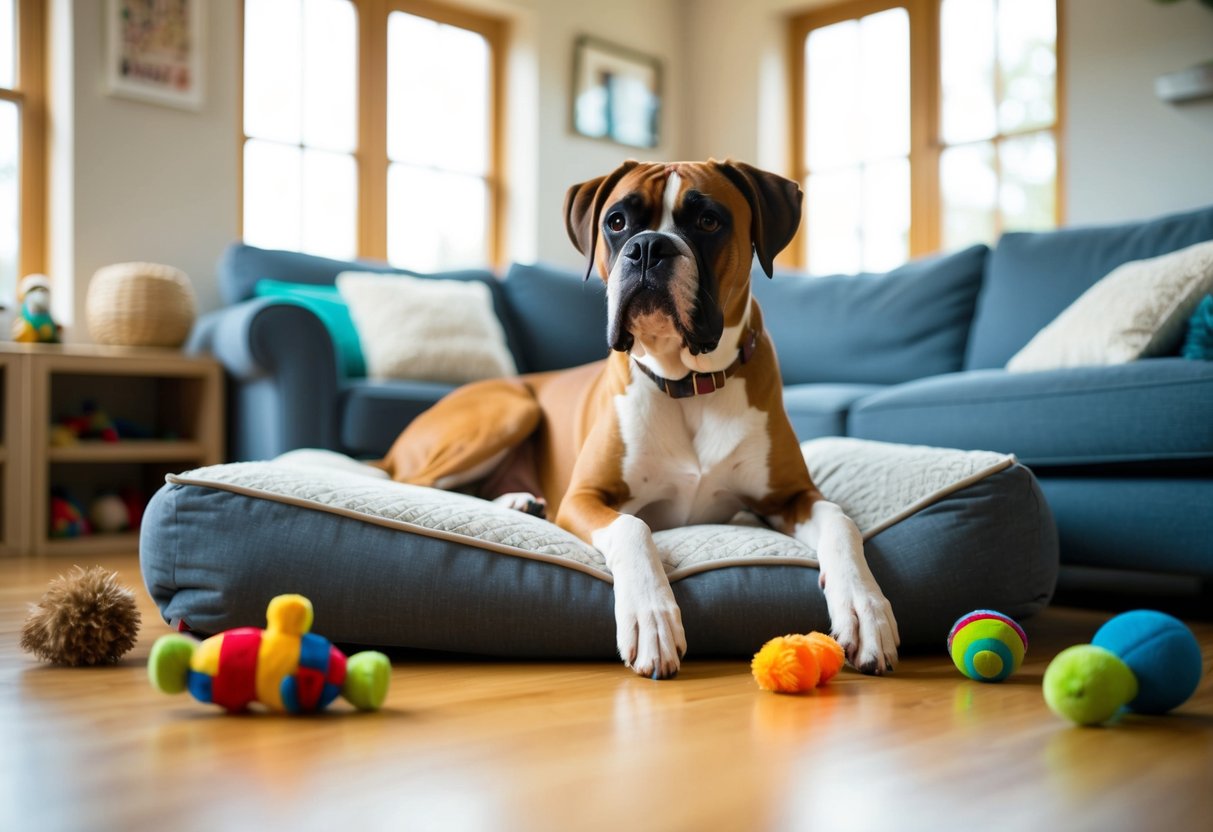
Leaving your Boxer alone can be challenging. It’s important to know when it’s okay to do so and to explore other options if needed. This section discusses key times to leave your Boxer alone and some alternative care methods.
When to Leave a Boxer Alone
You should limit the time your Boxer spends alone. Generally, Boxers can tolerate being alone for 4-5 hours.
Dogs vary in their ability to handle solitude, so pay attention to your pet’s behavior. For some Boxers, even an hour alone can be stressful. Consider factors like age and personality. Young Boxers or those with separation anxiety may need shorter alone time.
If leaving your Boxer home alone becomes necessary, make sure to establish a routine. Using crate training can help create a safe space. Ensure they are comfortable in their crate. Providing toys and activities can also keep them engaged while you’re gone.
Alternative Care Options
If you’re worried about leaving your Boxer alone, explore different care options.
Doggy daycare is a great choice for social interaction. Many facilities offer playtime and companionship, which can reduce loneliness.
A dog sitter or pet sitter can provide comfort at home. This option allows your Boxer to stay in a familiar environment.
You might also consider hiring a dog behaviorist if separation anxiety becomes a concern. Consulting your veterinarian can provide additional strategies for managing alone time.
Remember to keep your Boxer mentally stimulated.
Engaging toys or puzzles can reduce boredom. This way, even if you must leave your Boxer alone, they can still enjoy their time at home.


