
When considering a new family pet, you might wonder if Boxer dogs are good with kids. Boxers are known for their affectionate and playful nature, making them great companions for children. These dogs often have a gentle spirit that thrives in a family environment, bringing joy and laughter to your home.
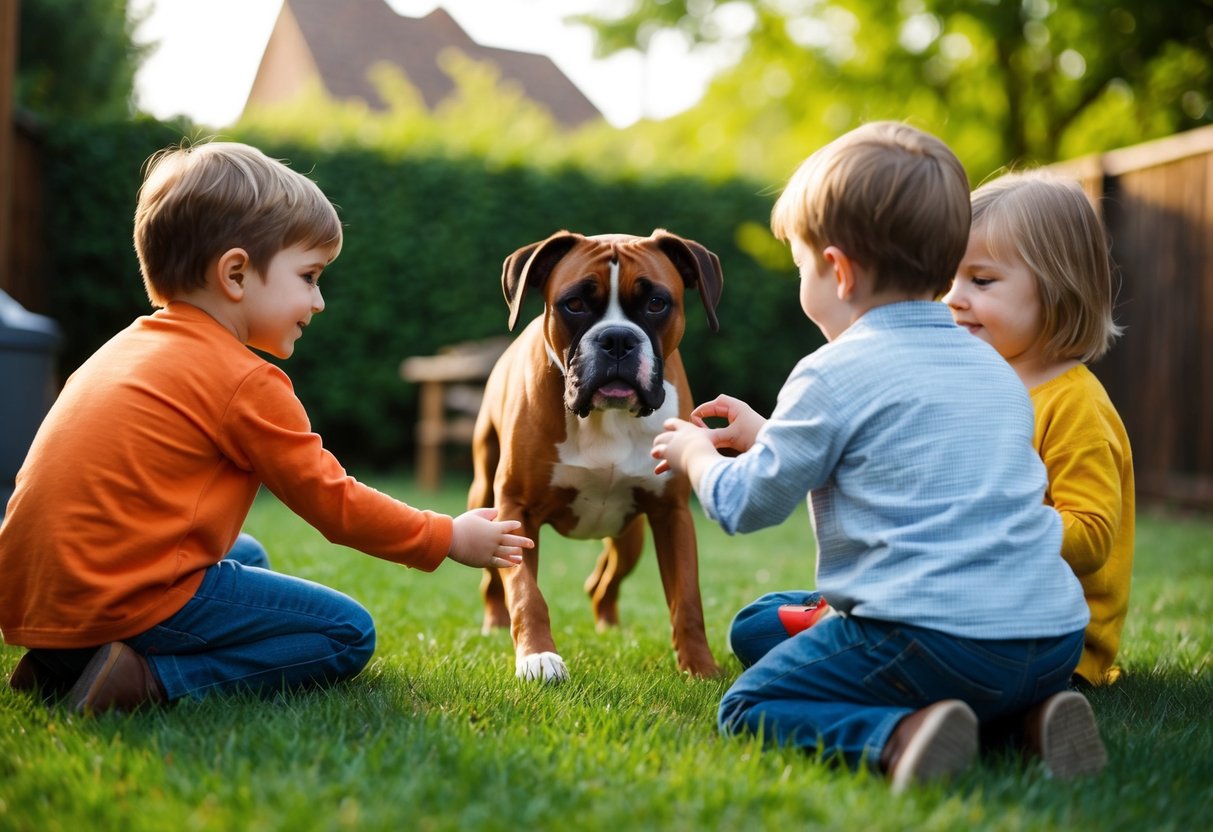
Their energetic personality encourages kids to be active, turning playtime into fun adventures. Boxers are also protective, which can give you peace of mind when your little ones are around. If you want a loyal friend who bonds well with your family, a Boxer could be the perfect choice.
Understanding Boxer Dogs

Boxer dogs have distinct traits that make them unique and beloved family pets. They are known for their intelligence, loyalty, and energetic nature. Understanding their qualities can help you determine if a Boxer is the right fit for your household.
Breed Characteristics
Boxers are medium to large dogs, typically weighing between 50 to 80 pounds. They have a smooth coat which comes in various patterns and colors, including brindle and fawn. Their short fur requires minimal grooming, making them easy to care for.
Boxers are a brachycephalic breed, meaning they have short noses, which can lead to breathing issues in extreme heat. This makes it essential to monitor them for signs of overheating, especially during vigorous exercise.
Boxer Temperament
Boxers are known for their playful and energetic temperament. They are very loyal and form strong bonds with their families. Boxers are good with children, making them great family pets.
Their playful nature encourages interaction, and they thrive on being social. However, they can be quite vocal, using barks and growls to communicate. Boxers require regular exercise to keep them healthy and prevent boredom, making daily walks or play sessions essential.
Common Health Issues
Like all breeds, Boxers can face certain health issues. Common concerns include hip dysplasia, certain cancers, and heart problems. Their brachycephalic nature can lead to overheating and breathing difficulties, especially in hot weather.
Regular vet check-ups are vital for early detection of health issues. With a life expectancy of 10 to 12 years, providing them with a healthy diet, regular exercise, and routine care can help ensure they live a long and happy life.
Boxers and Family Life
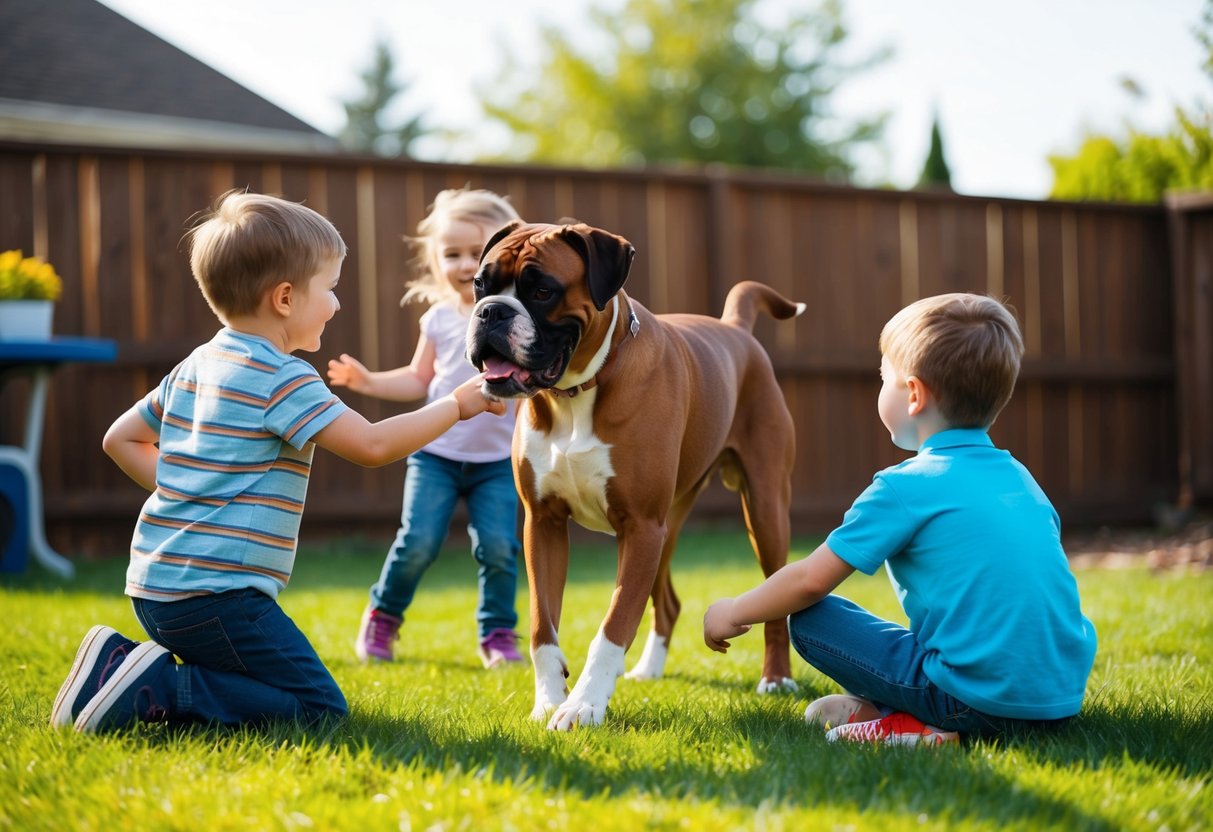
Boxers can be great additions to your family, offering love, loyalty, and playfulness. They are generally friendly and protective, making them suitable companions for kids and other pets alike.
Boxers as Family Pets
As family pets, Boxers are known for their affectionate nature. They bond deeply with family members and enjoy being involved in daily activities.
Their playful spirit means they’ll happily engage in games, keeping everyone entertained. However, they do require regular exercise to stay happy and healthy. Daily walks or playtime in the yard can help meet their physical needs. This helps prevent issues like separation anxiety, as they feel secure when well-exercised and engaged.
Boxers with Children
Boxers are often celebrated for their gentle demeanor around kids. Their playful nature allows them to interact positively with younger family members. They are patient and can tolerate some rough play, acting like big siblings to children.
It’s important to teach kids how to interact with dogs respectfully. Supervision during playtime is key to ensuring safety for both kids and the dog. Boxers can become protective instinctively, which is a quality many families appreciate.
Boxers with Other Pets
When it comes to other pets, Boxers can be friendly but require careful socialization. Introducing them to new animals should be done gradually to ensure comfort for everyone involved.
Early socialization helps them learn to behave well with other pets. Many Boxers get along well with cats and smaller animals if raised together. However, their strong personalities mean they might challenge another pet for attention. Ensure they have their own space and attention to maintain a happy household.
Training and Exercise
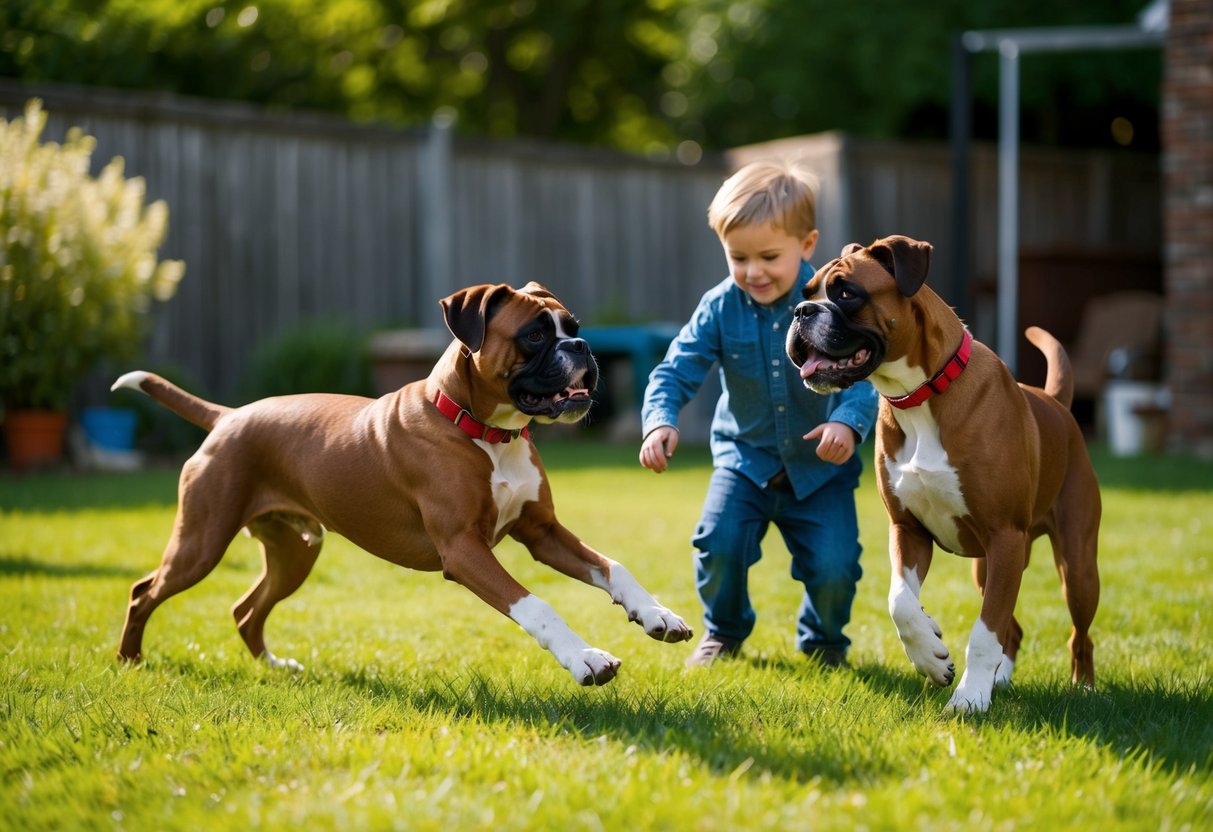
Training and exercise are vital for ensuring that your Boxer is well-behaved and happy. These high-energy dogs thrive on physical activity and mental stimulation.
Importance of Training
Training is essential for Boxers due to their playful nature and strong personalities. Starting early with obedience training sets clear rules and expectations.
Boxers can be stubborn, so consistency is key. Positive reinforcement methods, like treats or praise, work well to encourage good behavior.
Incorporate fun elements into your training sessions. Use playtime as a reward, which keeps your Boxer engaged and excited about learning.
This helps them develop well-rounded personality traits, making them great companions around children. A well-trained Boxer is more likely to interact gently and positively with kids.
Exercise Demands
Boxers are high-energy dogs that need plenty of exercise to stay healthy and happy. Aim for at least two hours of physical activity each day.
This can include walks, playtime, and interactive games. Regular exercise helps to reduce behavioral issues and supports their playful temperament.
Activities like fetch or agility training can be excellent ways to meet your Boxer’s needs. These activities provide not only the necessary physical activity but also important mental stimulation.
When Boxers don’t get enough exercise, they may become bored and develop unwanted behaviors. Keeping them busy ensures they remain the loving family pets you want.
Choosing a Boxer Dog
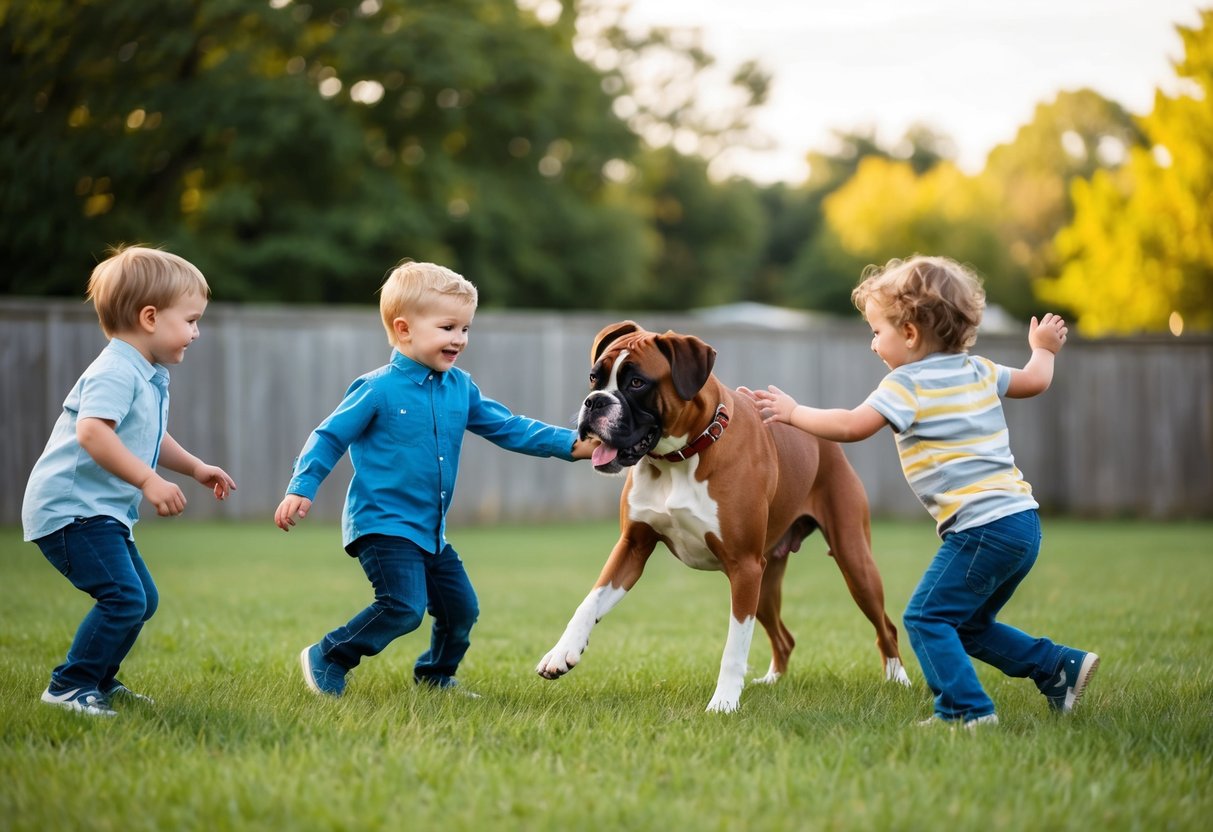
Choosing a Boxer dog can be an exciting journey for your family. Boxers are known for their playful nature and loyalty, making them great companions. It’s important to consider how to select a puppy and prepare for bringing your new friend home.
Selecting a Boxer Puppy
When choosing a Boxer puppy, look for one that has a friendly temperament. Spend time with the litter to observe their behavior. Puppies that are curious and playful are usually a good sign.
Consider the health of the puppy. Check for clear eyes, clean ears, and a shiny coat. Ask the breeder about health screenings for both parents. This information can help you avoid future health issues.
Also, think about the size of your family. Boxers can grow to be medium to large dogs, so ensure you have enough space. A puppy that interacts well with your children can lead to a strong bond.
Bringing Your Boxer Home
Bringing your Boxer home is a big step. Prepare your house and yard to be safe for your new puppy. Remove any harmful items, and set up a comfortable area with a bed and toys.
Introduce your Boxer to family members slowly. Let everyone get to know the puppy at their own pace to prevent overwhelming it. Consistent routines for feeding and bathroom breaks will help your puppy settle in.
Training is crucial. Start with basic commands and socialization to help your Boxer become a well-behaved family member. Remember, patience is key during this adjustment period.


