
Boxer dogs are known for their playful and energetic nature. As a loving owner, you might wonder when your lively companion will start to settle down. Most boxers begin to calm down around the ages of 2 to 4 years. Understanding this timeline can help you manage their energy and embrace the journey of their growth.
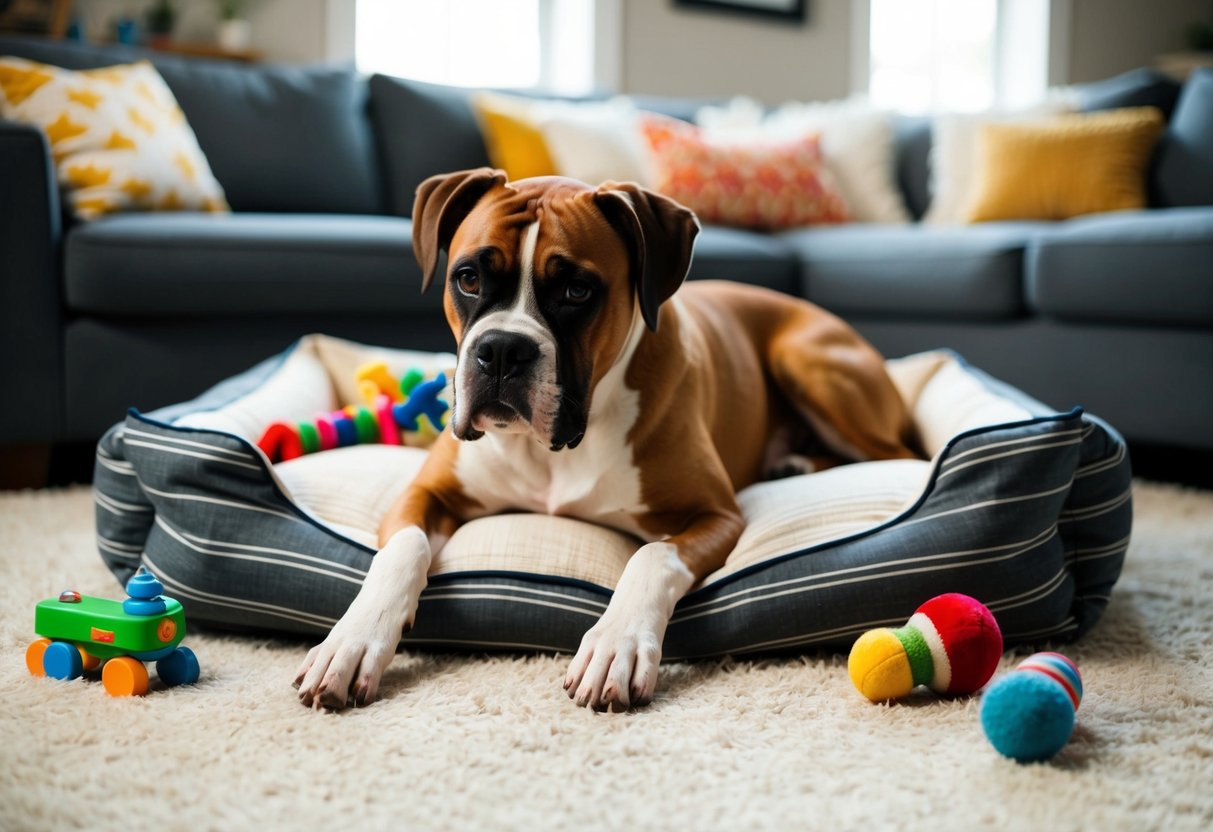
During their early years, boxers are full of enthusiasm and spirit. They may seem like bundles of energy through adolescence, which lasts until they are about 2 years old. Being aware of their age of maturity can make it easier to train and nurture your boxer, ensuring they develop into a well-behaved adult dog.
Patience is essential with boxers. The right combination of exercise, training, and socialization can help channel that energy in positive ways.
By knowing what to expect as your dog matures, you can enjoy many happy years together while you both navigate the exciting world of boxer ownership.
Understanding Boxer Dogs’ Energy Levels
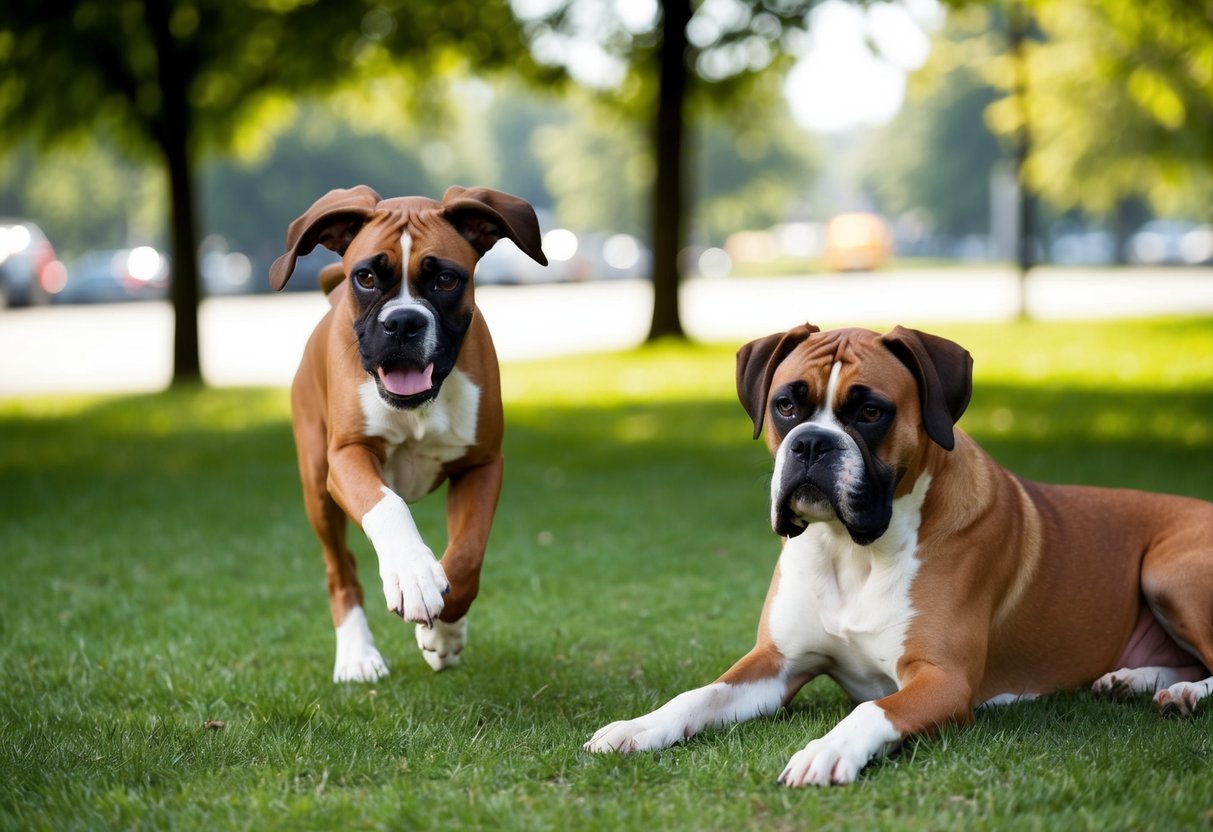
Boxer dogs are known for their high energy and playful nature at different life stages. Understanding their energy levels during puppyhood, adolescence, and adulthood can help you manage their behavior and meet their needs.
Puppyhood and Adolescence
In puppyhood, boxers are full of energy. They love to play and explore their surroundings. This stage lasts until around two years of age. Puppies may chew, jump, or run around, showing their energetic nature.
During this time, training is essential. Teaching basic commands will help channel their energy positively.
It’s helpful to provide daily exercise and mental stimulation. Activities like fetch or puzzle toys can tire them out nicely.
As they grow, you may notice periods of high activity followed by naps. This is normal! Keeping a routine helps them learn when it’s time to play and when it’s time to rest.
Transition to Adulthood
At around two to four years, you’ll see a shift in their energy levels. They start transitioning to adulthood, and while boxers can still be energetic, you might notice they calm down a bit as they mature.
During this stage, your dog will still need plenty of exercise. Engaging in daily walks or play sessions is key to keeping them happy. Not all boxers will calm down at the same age. Some may maintain their playful nature much longer.
Understanding their individual personality is important. If your boxer remains hyper, consider providing additional mental challenges, like obedience training or agility exercises. Balancing their energy will make for a happier, well-adjusted pet.
Training and Exercise Requirements
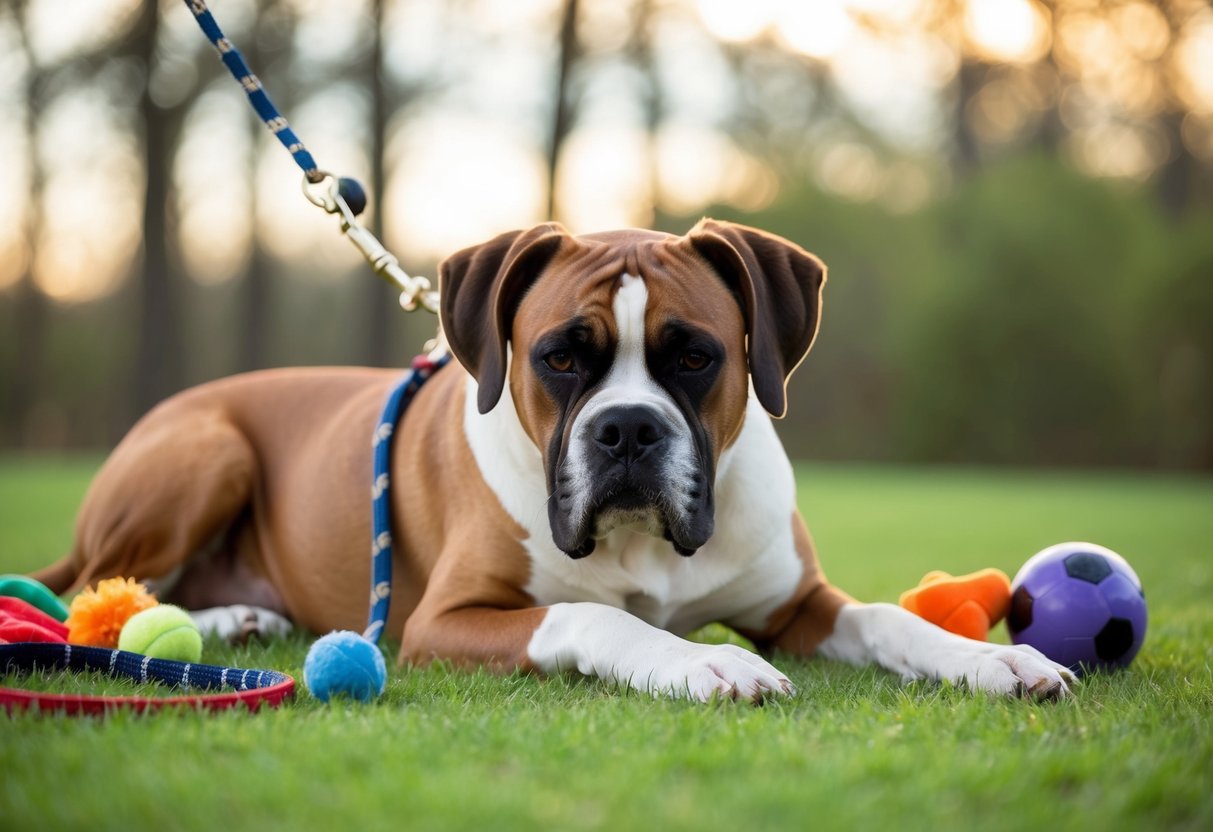
To help your boxer calm down, it’s essential to focus on their training and exercise needs. Regular physical activity and proper training techniques play a significant role in managing their energy levels and encouraging good behavior.
Importance of Regular Exercise
Boxers are naturally energetic and playful dogs. Regular exercise is crucial to burn off that excess energy.
Aim for 30 to 45 minutes of brisk exercise daily. This can include walks, runs, or play sessions in the yard.
Consider incorporating a mix of activities such as fetch and agility training. This variety keeps your boxer engaged and interested.
Mental stimulation is just as important as physical activity. Puzzle toys or training sessions can help tire them out mentally.
Daily exercise not only helps with energy but also improves your dog’s mood. A well-exercised boxer is more relaxed and content at home.
Training for Calmer Behavior
Training is key to helping your boxer develop good behavior. Start with obedience training to establish basic commands such as sit, stay, and come.
Using positive reinforcement techniques, like treats and praise, encourages your dog to behave well.
Incorporate training sessions into your daily routine. Short, consistent sessions of about 10 to 15 minutes are effective. This keeps your boxer focused and prevents boredom.
Socialization with other dogs and people is also important. It helps them learn how to behave in different situations.
Consistent training combined with regular exercise can significantly reduce your boxer’s excitable behavior.
Health and Behavioral Factors

Your dog’s health and behavior can impact how and when they calm down. Knowing about common health issues and managing behavioral problems can help you create a better environment for your boxer.
Common Health Issues
Boxers are prone to a few health problems that can affect their behavior.
-
Hip Dysplasia: This genetic condition can cause pain and mobility issues. It may make your dog less active and more irritable.
-
Cardiomyopathy: This heart disease can lead to fatigue and weakness. A tired dog may exhibit different behaviors, making them seem more anxious.
-
Cancers: Boxers are at higher risk for certain cancers. Chronic pain or discomfort can impact their mood and energy levels.
-
Brachycephalic Issues: Some boxers struggle to breathe easily due to their short snouts. This can lead to frustration and anxiety, especially during play.
Monitoring these health issues is key to understanding your boxer’s needs.
Managing Behavioral Issues
Behavioral issues are common in boxers, and managing them can help in their maturity.
-
Separation Anxiety: Boxers may struggle when left alone. Increased training and gradual desensitization can help ease their anxiety.
-
Barking: Their protective nature can lead to excessive barking. Training and socialization can reduce unwanted noise and help curb this behavior.
-
Energy Levels: They need regular exercise and mental stimulation. Without these, hyperactivity can escalate, making it harder for them to calm down.
Addressing these issues with training and consistency can lead to a happier and calmer boxer.
Socialization and Mental Well-being
Socialization is key to a Boxer’s happiness and behavior. Engaging your dog in activities that promote social skills and mental stimulation will help them thrive. These practices can lead to a calmer and more balanced pet.
Enhancing Social Skills
To help your Boxer develop strong social skills, start with early socialization.
Expose your dog to various people, pets, and environments. This will teach them to feel comfortable in different situations.
Create playdates with other dogs. Choose dogs that are friendly and well-trained to ensure positive interactions.
Attending obedience classes can also boost their confidence and help them learn how to behave well around others.
Remember, Boxers are affectionate and enjoy being with their families. Regularly spending time with your dog can strengthen your bond, making them feel secure. Socialization is not just about play; it’s also about understanding and building trust.
Engaging in Mental Stimulation
Boxers are intelligent dogs, and they thrive on engaging activities. Incorporate mental stimulation into your routine to keep boredom at bay.
Activities like puzzle toys, training sessions, and interactive games are great options.
Try teaching your Boxer new tricks or commands. This not only sharpens their mind but also reinforces their training.
It can be exciting for you both, and you’ll enjoy seeing their progress.
Incorporating stimulating activities like fetch or hide-and-seek can also satisfy their prey drive. These games can help your dog release energy while keeping their mind active.
Make sure to switch things up regularly to keep your Boxer interested and engaged!


