
When you see a boxer jump on you, it can be surprising and maybe a bit overwhelming. Boxers jump on people as a way to engage or greet them, often because they are excited and looking for attention. This playful behavior can stem from their natural instincts and their desire for interaction with you.
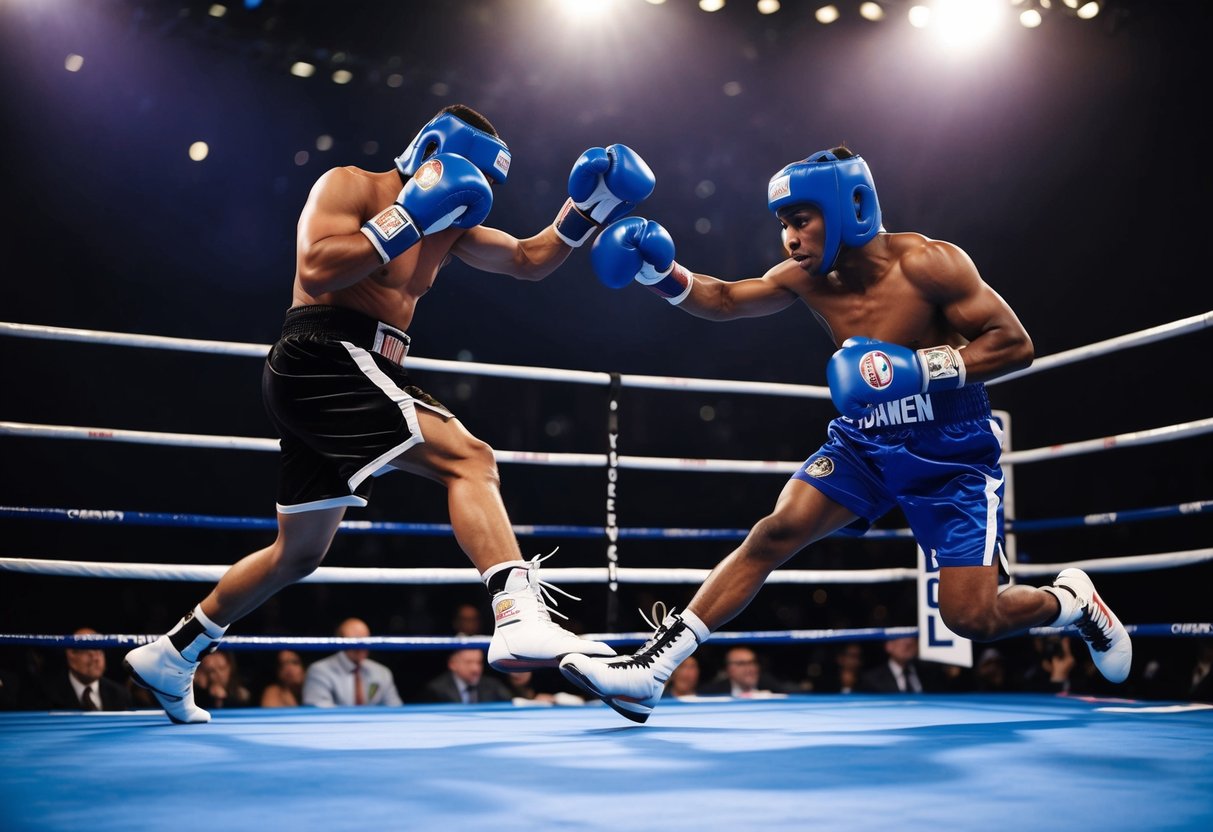
Just like boxers use jumping rope to enhance their training, their jumping on you might also be a reflection of their energy and enthusiasm. They enjoy being active and connected with those around them. Understanding this can help you manage their behavior better and create a positive environment for both of you.
By learning more about why your boxer jumps, you can take steps to encourage friendly greetings while also teaching them when it’s not appropriate to jump. This balance can create a healthier relationship, making your interactions more enjoyable.
Jumping Rope and Boxing

Jumping rope is a vital training tool for boxers. It improves various skills crucial for performance in the ring, including stamina, coordination, and agility. Understanding the benefits and techniques can help you make the most of this exercise.
Benefits for Boxers
Jumping rope offers several benefits that enhance your boxing skills. Here are some key advantages:
- Speed and Agility: Regular rope workouts improve your foot speed, helping you move quickly and evade punches.
- Endurance and Stamina: This exercise boosts your cardiovascular endurance, allowing you to maintain high energy levels during long rounds.
- Coordination and Timing: Jumping rope sharpens your coordination, essential for executing punches accurately. It also refines your timing, crucial for connecting effectively with opponents.
- Balance and Mental Toughness: As you master different jump techniques, your balance improves. The focused nature of jumping rope builds mental toughness, helping you stay calm and confident during fights.
Jump Rope Techniques in Boxing
Boxers use specific techniques while jumping rope to develop important skills. Here are some common methods:
- Basic Bounce: This foundational jump helps build stamina and rhythm. Keep your feet close together and use your wrists to turn the rope.
- Boxer’s Skip: This involves alternating your feet while jumping. It mimics the movements used in the ring, enhancing footwork and agility.
- High Knees: In this technique, you raise your knees high as you jump. This boosts explosiveness and strengthens your legs.
- Double Unders: Spin the rope twice for each jump. This challenge improves timing and coordination.
Incorporating these techniques into your training routine will maximize the benefits of jumping rope, making you a better boxer.
Physical and Mental Enhancements

Jumping rope helps improve both your physical abilities and mental strength. These enhancements are vital for any boxer aiming to excel in the ring.
Improving Physical Attributes
When you jump rope, you’re boosting several physical skills. This exercise enhances hand-eye coordination, making it easier to react quickly during matches. It also plays a significant role in improving your footwork. Boxers like Muhammad Ali and Sugar Ray Robinson mastered these skills through jump rope training.
The activity is low-impact, which means it’s easier on your joints compared to running. It can also improve your cardiovascular endurance, allowing you to maintain stamina throughout your fights. Regular practice can lead to better timing and balance, making it easier to dodge punches and land your own.
Enhancing Mental Resilience
Jumping rope is not just about physical training; it builds mental toughness as well. This exercise requires concentration and rhythmic movement, mirroring the focus needed in an actual fight. Engaging in this activity can increase your mindfulness, helping you stay present during intense moments in the ring.
As you improve, you’ll build confidence in your abilities. Boxers like Jack Dempsey often emphasized the mental aspect of training. When you feel strong physically, you are more likely to stay calm and collected, even under pressure. This mental resilience is crucial for success in boxing.
Jump Rope Skills and Drills
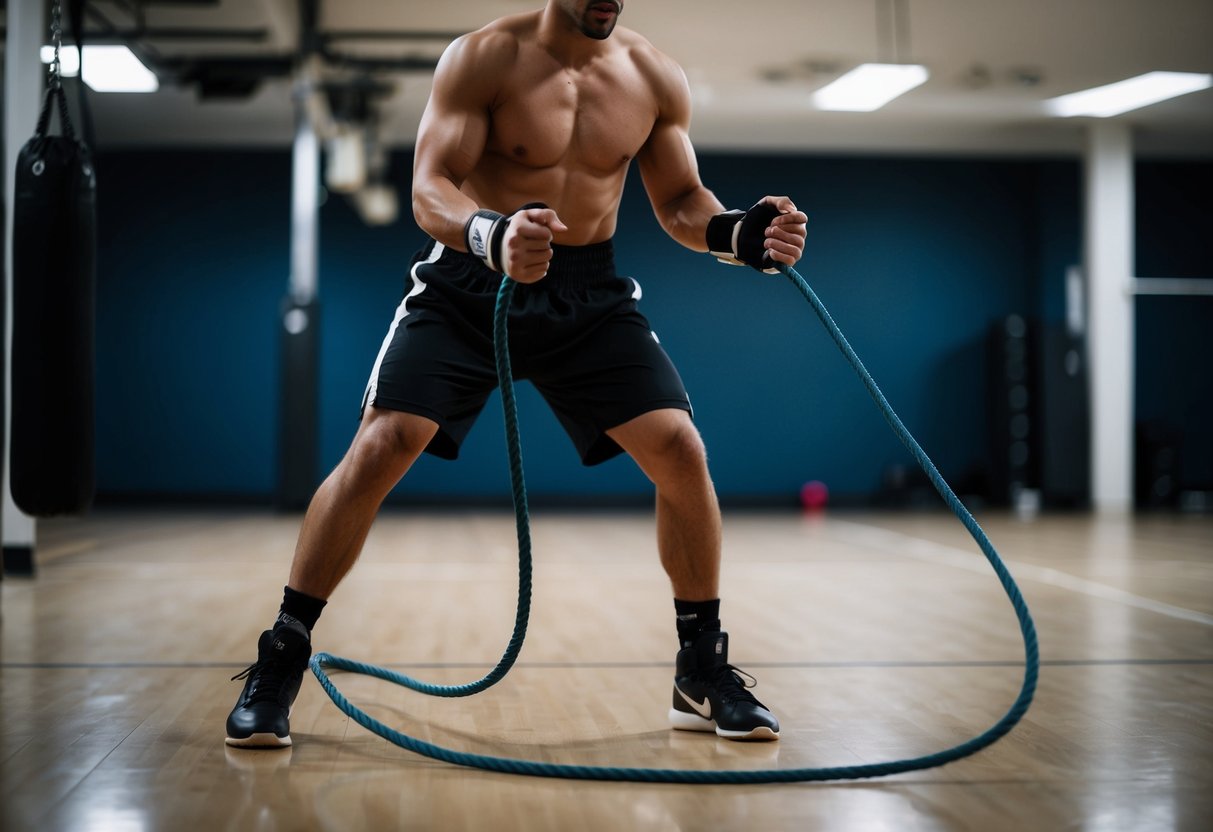
Jump rope training can significantly enhance your boxing skills. It improves coordination, footwork, and endurance. In this section, you will learn about essential skills and structured training routines to get you started and progress effectively.
Basic to Advanced Jump Rope Skills
When you begin jumping rope, start with the basics. Master the basic jump, where you jump with both feet together. Focus on your rhythm and keeping the rope at a consistent height.
As you gain confidence, progress to the boxer’s skip. This involves alternating feet as you jump, mimicking the movement while you’re in the ring.
Next, try the criss-cross. In this move, you cross your arms in front of you as you jump, adding complexity and improving your coordination.
For a more advanced challenge, practice double unders. This requires you to jump higher while swinging the rope twice before landing. By advancing through these skills, you’ll build a strong foundation for more intense workouts.
Structured Training Routines
A well-structured routine is key to improving your jump rope skills. For beginners, dedicate about 10-15 minutes a session, focusing on the basic jump and the boxer’s skip. Aim for intervals of 30 seconds of jumping followed by 30 seconds of rest.
As you progress, increase your session time to 20-30 minutes. Incorporate criss-crosses and double unders into your routine. For example, jump for 1 minute, then practice criss-crosses for 30 seconds, followed by a 1-minute rest.
To maximize your training, include low-impact exercises between jump rope sessions. This can help with weight loss and enhance your overall fitness without straining your body. As you continue to develop your skills, you will see improvements in your boxing performance.
Equipment and Setup

To get started with jumping rope, you only need a few basic items. The most important piece of equipment is, of course, the skipping rope.
When choosing a rope, consider its length. A good rule of thumb is to hold the handles and step on the middle of the rope. The handles should reach your armpits. If they are too long or short, your workout can become less effective.
Boxing equipment typically includes gloves and hand wraps, but you don’t need them for jumping rope. However, wearing comfortable athletic shoes is essential. Good shoes provide the support and cushioning you need for jumping.
Make sure you find a smooth and open space for your training. A flat surface helps prevent injuries and allows for better movement.
Before you start, it’s wise to include a warm-up. Some light jogging or stretching can prepare your body for the workout ahead. This helps prevent strains and improves your performance.
With the right equipment and setup, you’ll enjoy your training and get the most out of your time in the ring. Just grab your rope and find a good spot, and you’re ready to go!


