
Boxer dogs are known for their playful and energetic nature, often leaving owners wondering, are they ever calm? Boxers typically start to calm down between the ages of 2 to 4 years.
While their youthful exuberance can be charming, it’s important to know that this breed requires patience and proper training to help them transition into a more relaxed state.
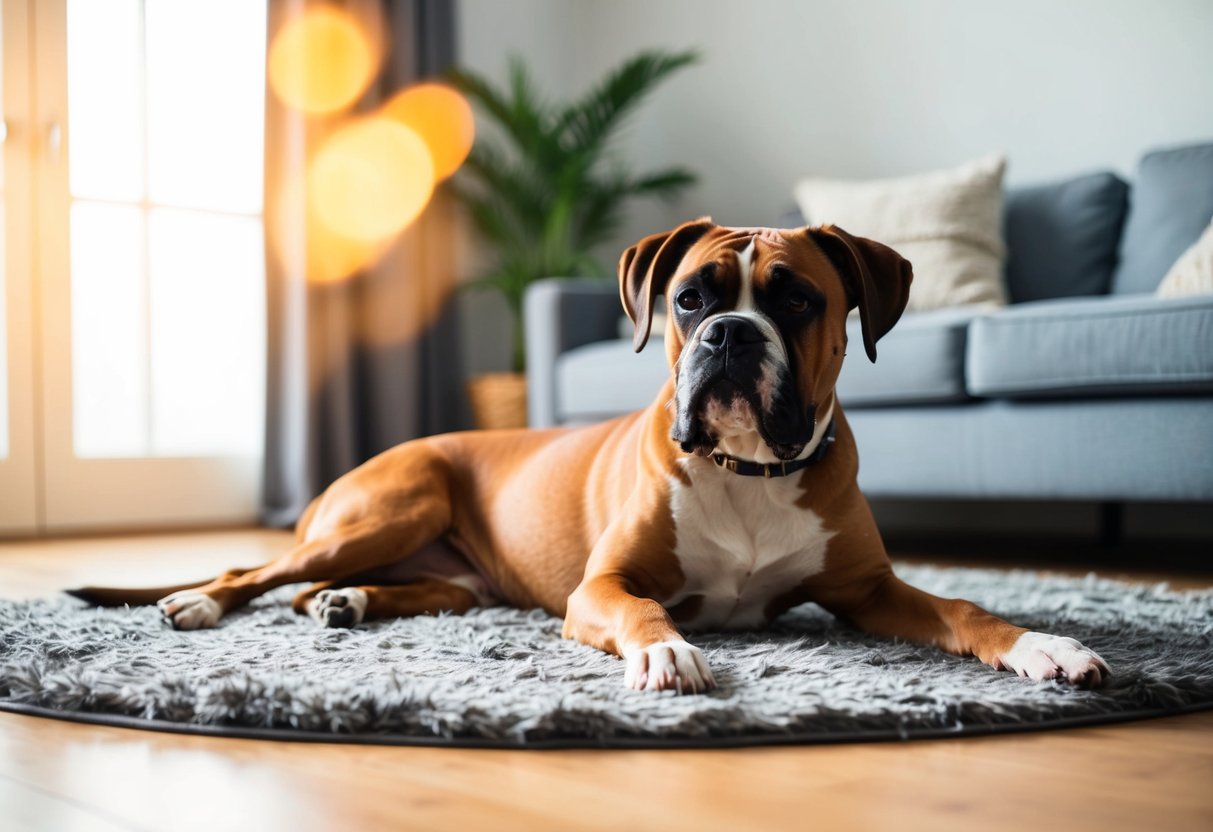
To encourage a calm boxer, you’ll need to focus on training and socialization from an early age.
Regular exercise and mental stimulation can significantly reduce their high energy levels.
Engaging with your boxer through walks, playtime, and social interactions with other dogs will help them learn appropriate behaviors and manage their enthusiasm.
Understanding your boxer’s unique personality is key. With time, love, and consistent training, you’ll find that your lively companion can become a calm and well-mannered pet, making both of your lives more enjoyable.
Understanding Boxer Dogs’ Temperament

Boxer dogs are known for their lively nature but also have calmer sides. Their behavior can vary based on energy levels and training. Knowing these traits helps you understand your Boxer better.
Energy Levels and Behavior
Boxers are high-energy dogs that thrive on activity. They need regular exercise to stay healthy and happy. Without enough physical and mental stimulation, you might notice hyper behavior, like jumping or barking.
Daily walks, playtime, and training sessions are essential.
Engaging their minds with toys or games can help keep them calm.
Despite their high energy, a well-exercised Boxer can also be laid back. After a run or play session, you’ll likely see your Boxer resting peacefully. Recognizing when your dog needs to burn off energy versus when they are ready to relax is key to a happy home.
Signs of a Well-Behaved Boxer
A calm Boxer shows several signs of good behavior. Look for a relaxed body posture and soft eyes. When they’re well-adjusted, they should respond well to commands and enjoy being around your family.
They are often described as nanny dogs due to their gentle nature, particularly with children. Boxers can tolerate playful kids without displaying aggression.
Reward calm interactions with praise or treats, which reinforces good behavior. A well-behaved Boxer balances energy bursts and restful moments, ensuring they fit into your lifestyle. This adaptability helps them remain cherished companions.
Training Techniques for Boxers
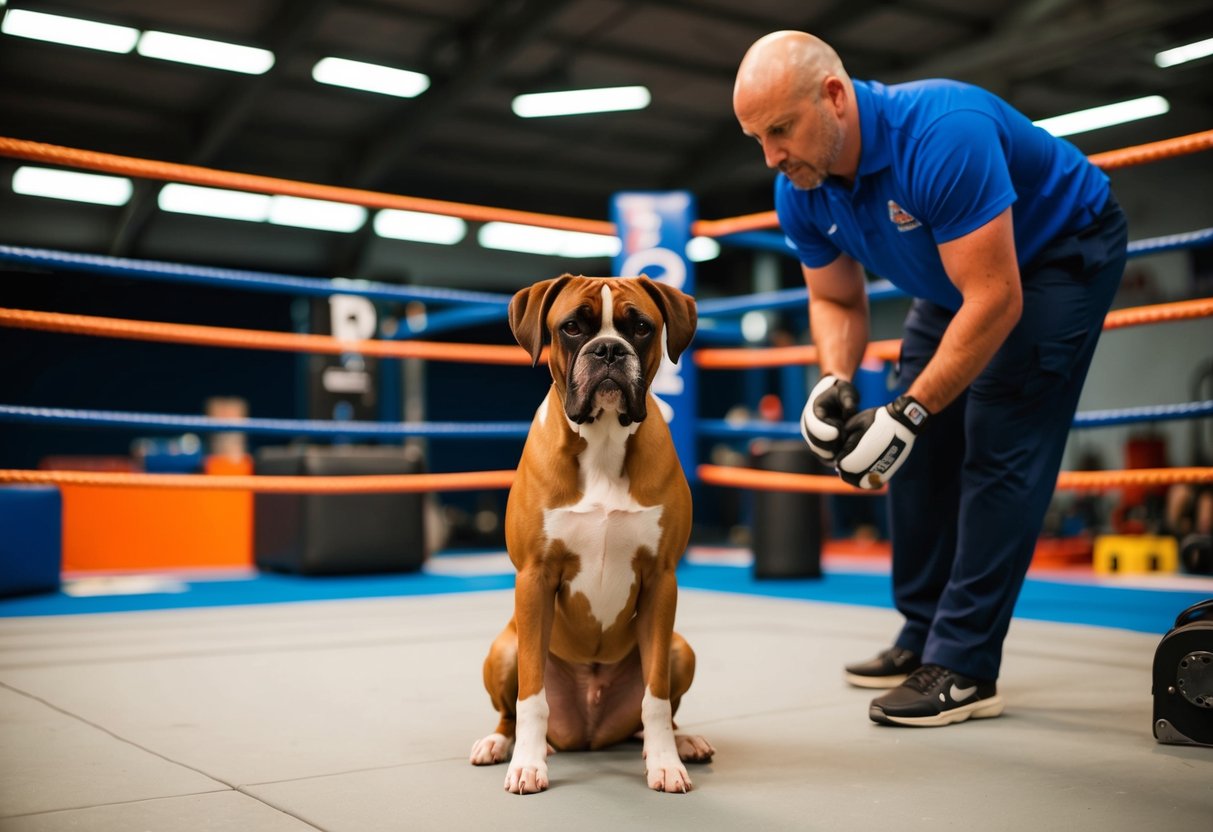
Training your Boxer can be a fun and rewarding experience. With the right techniques, you can foster good behavior and a lasting bond with your dog. Key methods include positive reinforcement and effective training sessions.
Importance of Positive Reinforcement
Positive reinforcement is one of the best training techniques for Boxers. This method involves rewarding good behavior to encourage your dog to repeat it.
Using treats, praise, or playtime as rewards motivates your Boxer to learn.
For example, when your Boxer sits on command, give them a treat immediately. This helps them associate sitting with a positive outcome.
It’s important to be consistent with your rewards. If you reward your Boxer every time they obey, they will understand what you expect.
Avoid negative reinforcement, as it can lead to fear and anxiety, which is not helpful for your active and friendly Boxer.
Effective Training Sessions
Effective training sessions are crucial for Boxers, as they are energetic and eager to learn.
Start with short sessions of about 5-10 minutes. This keeps your Boxer engaged without becoming bored.
Make sure to incorporate basic commands like sit, stay, and come into the training.
You can use clicker training, which helps mark the correct behavior instantly. Over time, increase the difficulty by adding distractions.
Socialization is also essential. Expose your Boxer to different people, animals, and environments. This helps them become well-adjusted and calm dogs. If you are unsure, consider working with a professional dog trainer to guide you.
Creating a Supportive Environment

A supportive environment is key to helping your Boxer feel calm and secure. It involves creating a consistent daily routine, providing engaging toys, and ensuring they get enough physical exercise. Here’s how to do it right.
Daily Routine and Consistency
Establishing a daily routine helps your Boxer know what to expect. Try to feed, walk, and play with your dog at the same times each day. This predictability creates a sense of security.
Consistency in rules is important too. Set clear boundaries and stick to them.
For example, if you don’t want your dog on the furniture, make sure you enforce this every time. This helps your Boxer feel stable and reduces anxiety.
Calm and Engaging Toys
Providing calm and engaging toys can keep your Boxer busy and mentally stimulated.
Look for toys that challenge them, like puzzle feeders or treat-dispensing balls. These toys encourage your dog to think and solve problems, which is great for mental exercise.
Also, consider toys that promote calmness, like soft chew toys or snuffle mats. These can provide comfort during stressful times. Rotate the toys regularly to keep your Boxer interested and engaged.
Physical Exercise Requirements
Boxers are energetic dogs that need a good amount of physical exercise. Aim for at least 30 minutes of vigorous activity each day.
Daily walks, runs, or play sessions in the yard help burn off excess energy.
Incorporating structured exercise, like agility training or fetch, can improve your Boxer’s focus. This not only promotes calmness but also strengthens your bond with your dog. Remember, a tired dog is often a calm dog!
Addressing Anxiety and Hyperactivity

Boxer dogs are known for their high energy, but sometimes this energy can lead to anxiety and hyperactivity. It’s important to address these issues effectively to create a calm environment for your pet.
Dealing With Separation Anxiety
Separation anxiety is common in boxers, as they form strong attachments to you. When left alone, they may engage in destructive behaviors or excessive barking.
To help manage this, consider gradually desensitizing your boxer to being alone. Start with short periods and slowly increase the time.
Using calming aids like L-Theanine can also help soothe their nerves. This natural supplement works by reducing anxiety without sedation.
You may want to create a cozy space with their favorite toys and blankets to provide comfort.
Professional Guidance from Behaviorists
If your boxer’s anxiety or hyperactivity continues, you should consider seeking help from a professional dog trainer or behaviorist. These experts can assess your dog’s behavior and create a tailored plan to address specific issues.
Behaviorists may also offer techniques such as desensitization training or positive reinforcement strategies. These methods can help reduce anxiety triggers and promote a calmer demeanor.
Bringing in a professional can make a significant difference in your dog’s well-being.


