
As a proud owner of a boxer puppy, you may wonder when your furry friend will reach full size and maturity. Understanding the growth timeline can help you take better care of your puppy as it develops. Boxers typically reach full size at around 18 to 24 months of age.
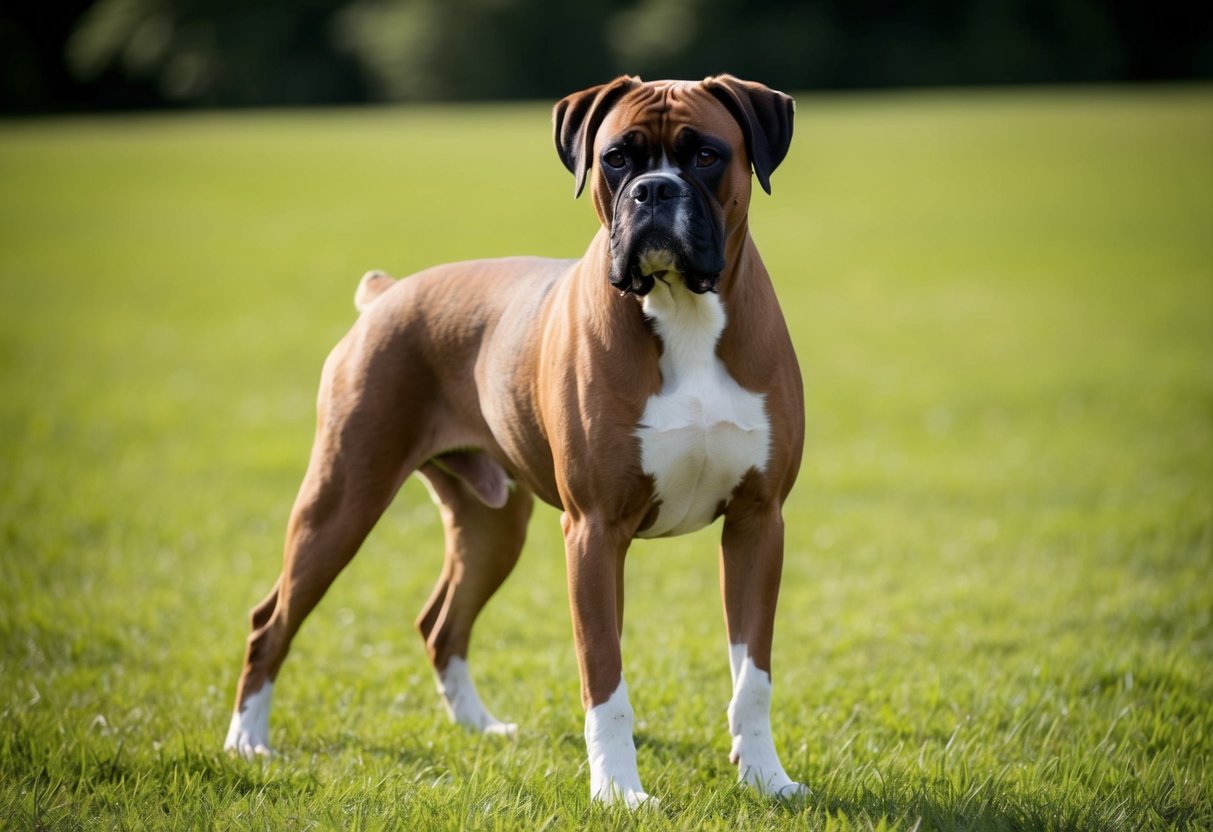
During this time, you’ll notice exciting changes in your boxer puppy’s size and behavior. Watching them grow can be a rewarding experience. Keep in mind that although they may appear fully grown at six months, their mental development continues for a while longer.
Knowing the growth stages of boxer puppies can help you provide the right training and socialization. Your boxer will thrive when you understand their needs at each phase of growth. So let’s dive in and explore what to expect as your boxer matures.
Understanding Boxer Puppy Growth Stages

Boxer puppies go through several important growth stages. Each period is critical for their physical and emotional development. Understanding these stages helps you provide the best care for your furry friend.
Early Weeks: Birth to Weaning
During the first few weeks of life, boxer puppies are entirely dependent on their mother. They spend most of their time nursing, which provides essential nutrients.
By around 3 weeks old, they begin to open their eyes and ears. At 4 weeks, puppies start to explore their surroundings. This is also when you may notice them starting to play with their littermates.
By 6-8 weeks, puppies are usually fully weaned and begin the transition to solid food. It’s crucial to feed them a balanced diet to support their rapid growth during this period.
Socialization Period and Training
The socialization period for boxer puppies occurs between 3 to 14 weeks of age. This is the time to expose them to different people, environments, and other pets. Positive interactions during this period can lead to a well-adjusted adult dog.
At around 8 weeks, it’s beneficial to start basic training, like sit and stay commands. Short training sessions help build your puppy’s confidence.
Remember, boxers are energetic and intelligent, so keep training fun and engaging. Early socialization and training are key to raising a friendly and well-behaved dog.
Growth Spurts and Physical Development
Boxer puppies experience growth spurts, especially between 3 and 6 months. During this time, you may notice significant changes in their size and weight. They can gain around 300% in weight during their early months.
By the time your puppy reaches about 6 months old, they will likely have reached half their adult size. Keep in mind the boxer growth chart shows that males typically weigh between 60-70 pounds when fully grown, while females weigh about 55-65 pounds. Regular vet check-ups will ensure your puppy is on track with their growth and health.
When Do Boxers Reach Full Maturity?
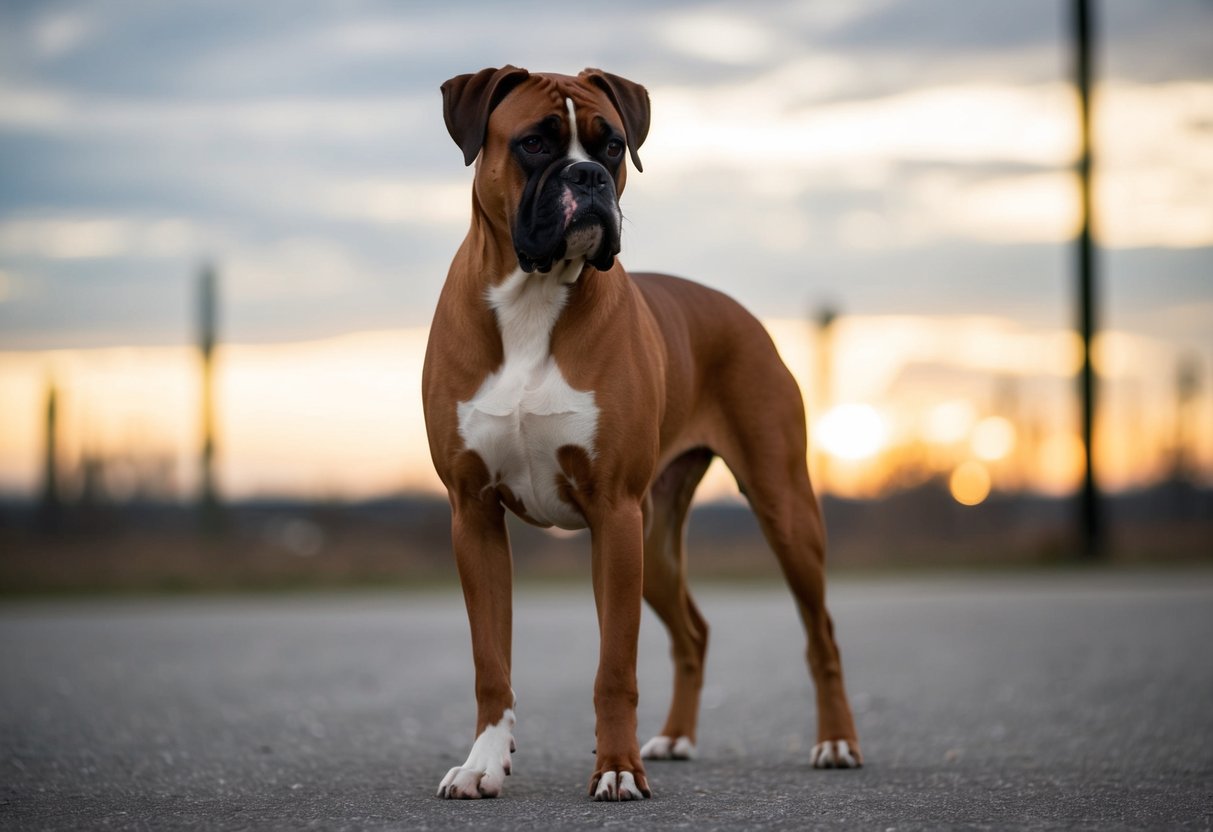
Boxers experience two main types of maturity: physical and behavioral. Knowing when to expect these changes can help you care for your Boxer more effectively.
Physical Maturity
Boxers generally reach their full physical maturity between 18 months and 2 years. At this stage, they achieve their adult size and weight.
Males typically weigh between 60-70 pounds and stand 23-25 inches tall. Females usually weigh between 55-65 pounds and stand 22-24 inches tall.
It’s important to monitor your Boxer’s growth during this period. Regular check-ups with the vet can help ensure your pup is growing at a healthy rate. Even after they stop growing in height, their weight may continue to change until they reach full maturity.
Behavioral and Emotional Development
While Boxers might reach physical maturity by 18-24 months, their behavioral and emotional growth can take longer, often up to 3-4 years.
At 1 year old, many owners still see their Boxers displaying puppy-like behaviors, similar to a teenager. They may act playful or stubborn.
As they develop, you can expect a gradual increase in their calmness and ability to focus. Training during this time is crucial for their socialization and behavioral habits.
Engaging with your Boxer through consistent training helps nurture their emotional well-being as they transition from energetic pups to well-rounded adult dogs.
Health and Care for Growing Boxers
Taking care of your growing Boxer involves understanding their unique health needs. Proper nutrition, spaying or neutering, and being aware of common health issues will help you keep your furry friend healthy and happy.
Nutrition and Feeding Guidelines
Providing the right nutrition is key. Choose high-quality dog food that is specifically made for large breeds. Look for a balanced formula that includes protein, fats, vitamins, and minerals.
You should feed your Boxer two to three meals a day instead of one large meal. This helps prevent bloating, a common issue in Boxers due to their shape.
Monitor their body condition score to ensure they’re not overweight or underweight. Consider adding supplements like Omega-3 fatty acids to support their skin and coat health. Ensure fresh water is always available.
Importance of Spaying and Neutering
Spaying or neutering your Boxer has many benefits. It can help prevent certain cancers and reduce the risk of unwanted behaviors.
With Boxers being prone to bradycephalic syndrome, spaying can also mitigate respiratory issues.
Typically, you should consider spaying or neutering around 6 to 12 months of age. Consult your vet about the best time for your pup. This procedure can improve your Boxer’s quality of life by reducing health risks and stabilizing moods.
Common Health Concerns in Boxers
Boxers are generally healthy, but they are prone to some health issues. Keep an eye out for skin allergies, which can cause itching and discomfort. Regular vet check-ups will help identify these early.
Another concern is heart disease, particularly dilated cardiomyopathy. It’s vital to monitor your Boxer for symptoms like coughing or fatigue.
Due to their brachycephalic structure, they can face breathing challenges. Make sure to provide a cool environment, especially during hot weather. Being aware of these potential issues will help you take action early and keep your Boxer healthy.
Measurement and Monitoring Boxer Growth
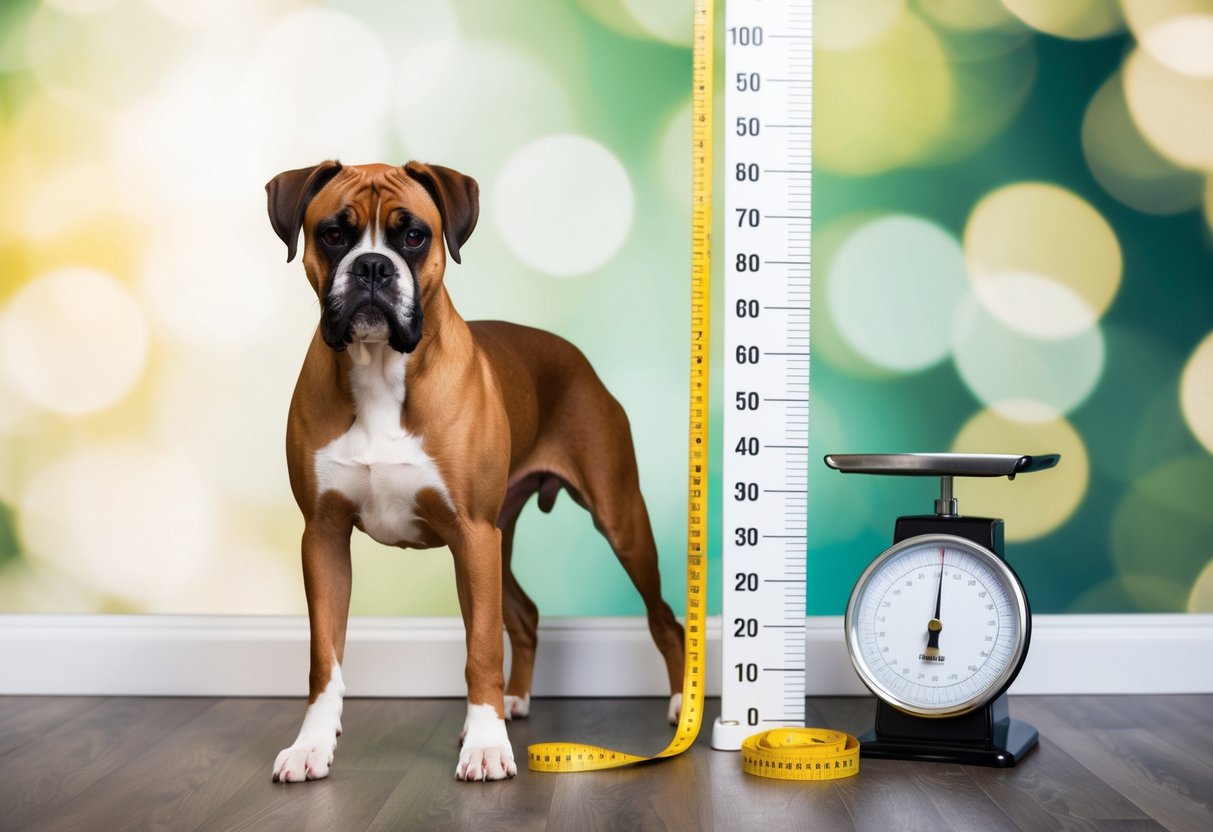
Tracking your Boxer’s growth is important for their health and development. By measuring their size and weight, you can make sure they are growing properly. Monitoring their growth helps you prepare for different activities, like dog shows, and supports their well-being.
Using a Boxer Growth Chart
To track your Boxer’s growth, use a Boxer growth chart. This chart provides average height and weight ranges for Boxers at different ages.
Generally, males can reach heights of 23-25 inches and weigh between 60-70 pounds by adulthood. Females typically grow to 21.5-23.5 inches and weigh between 55-65 pounds.
You can find growth charts online or create one to record your pup’s measurements. Measure your Boxer every month until they are about 18-24 months old. This will help you see if they are following the average growth patterns for their age.
Regularly observing their growth can alert you to any potential health issues early on.
Assessing Boxer Size and Body Condition
As your Boxer grows, you should also assess their size and body condition. To gauge their fitness, use the body condition scoring system. This system ranges from 1 to 9, with 4-5 being the ideal range for a healthy Boxer.
Feel your dog’s ribs. You should be able to feel them easily without excess fat covering.
Additionally, look at your Boxer from above. They should have a noticeable waist. Keeping track of your Boxer’s weight with a scale is also vital. Monitor their weight every month to ensure proper growth and help avoid obesity.
Preparing for Dog Shows
If you plan to enter your Boxer in a dog show, monitoring their growth and size is crucial.
Show standards specify that Boxers should be well-proportioned and fit the breed criteria.
Make sure to measure your Boxer’s height at the withers and weight to ensure they meet the requirements. Also, ensure that they have a healthy body condition.
Consistent training and socialization will help them feel comfortable in the show environment. Training also helps with housebreaking, making your Boxer more confident during competitions.
Being prepared will enhance their performance and show their best traits.


