
When you see your Boxer panting, you might wonder what’s going on. Boxers often pant to cool themselves down, especially when they are hot or excited. This behavior is normal for all dogs, as panting helps them regulate their body temperature since they don’t sweat like humans do.
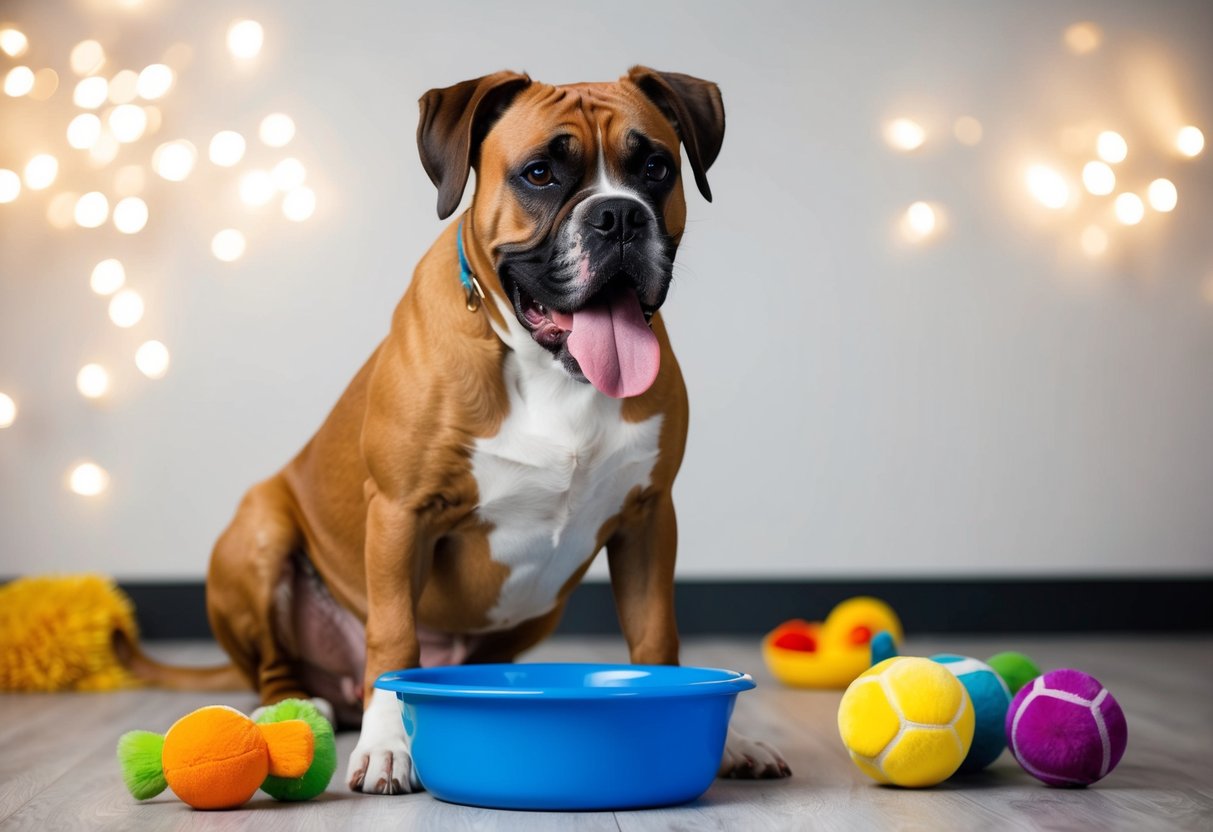
Some panting is completely normal after playtime or exercise, but it’s important to recognize when it might be excessive. If your Boxer is panting heavily without any clear reason, it could be a sign that something is off. Understanding the reasons behind dog panting can help you ensure your furry friend stays happy and healthy.
In this article, we’ll explore why Boxers pant so much, covering both the normal reasons and the situations where you might need to be concerned. You’ll learn how to tell the difference between healthy panting and signs that may require a vet’s visit.
Understanding Dog Panting
Panting is a common behavior for dogs, but it’s important to know when it’s normal and when it might be a sign of a problem. Understanding the differences can help you care for your furry friend better.
Normal vs. Excessive Panting
Normal panting occurs when your dog is active, excited, or overheated. For example, after a game of fetch, you might notice some heavy panting. This helps them cool down, as dogs do not sweat like humans do.
On the other hand, excessive panting may indicate stress, pain, or an underlying health issue. If your dog is panting too much while resting or seems anxious, it’s worth checking in with a vet. They can help determine if there’s a medical reason for the behavior or if your dog just needs some relaxation time.
Panting Patterns in Dogs
Panting patterns can vary based on different factors. For instance, when dogs are excited or playing, their panting may be short and quick. This is their way of cooling down after activity.
If your dog pants while resting, the pattern may be slower but more persistent. It could signal discomfort or temperature regulation issues. Pay attention to the situation; for example, panting during warmer days often means your pup needs a break from the heat. Keeping track of these patterns can help you identify any changes that may require attention.
Common Causes of Excessive Panting
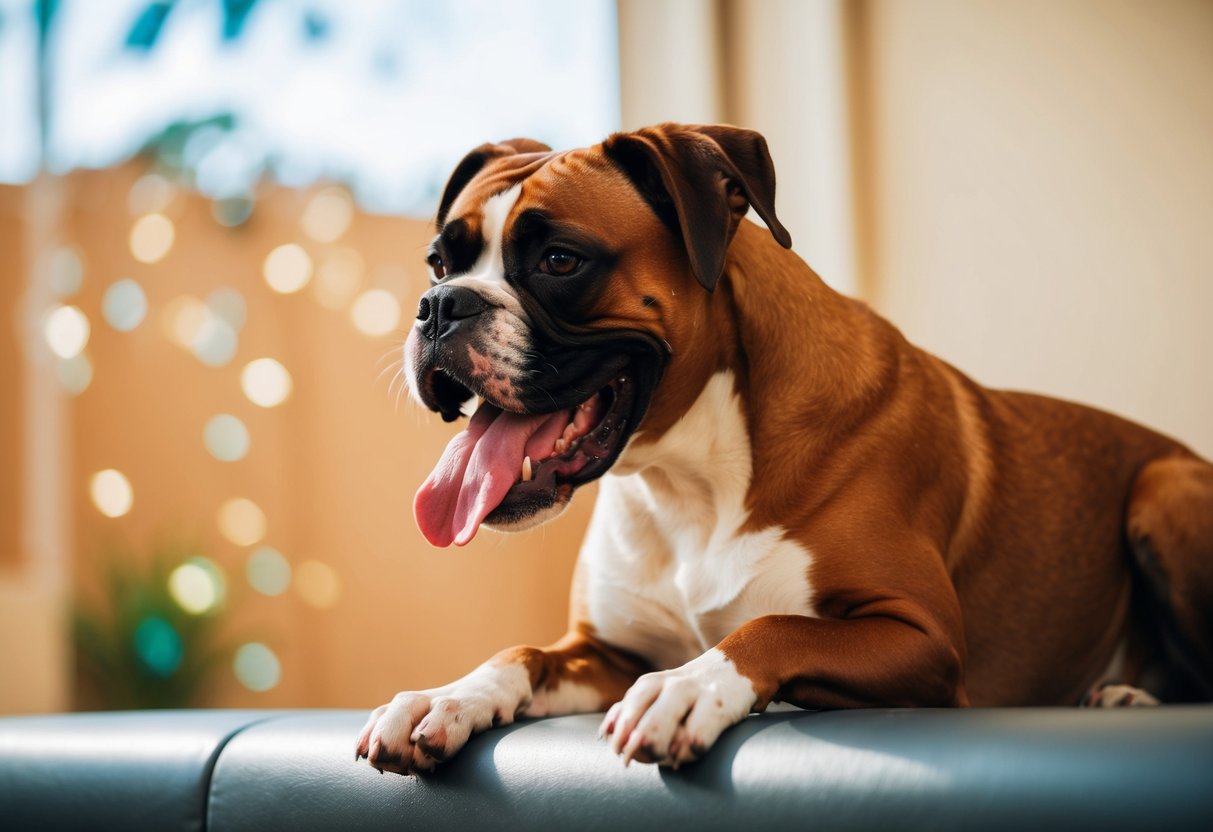
Excessive panting in your Boxer can stem from a variety of causes. It’s important to recognize these issues, as they can impact your dog’s health and comfort. Here are some key factors to consider.
Health-Related Issues
Certain health conditions can lead to increased panting in your Boxer. Heatstroke is a serious concern, especially during hot weather. It occurs when your dog overheats, causing rapid breathing as they try to cool down. If you notice heavy panting on a hot day, seek shade and water for your dog immediately.
Other health problems can also cause excessive panting. Heart disease can affect your dog’s ability to breathe properly, leading to anxiety and discomfort. Cushing’s disease may cause increased thirst and urination, resulting in panting as your dog tries to cope with their changing body.
Respiratory disorders, such as bronchitis or pneumonia, can also make it hard for your Boxer to breathe. If your dog seems to pant excessively, it’s crucial to consult your veterinarian to rule out serious health concerns.
Environmental Factors
Your dog’s environment plays a significant role in their comfort and health. Hot weather is a primary cause of panting. When temperatures rise, your Boxer will likely pant to regulate their body heat. Ensure they have access to fresh water and shade when outdoors.
Exercise can also cause panting after vigorous play or walks, but be cautious and avoid over-exerting them, especially in high temperatures.
Other environmental factors include smoke or strong odors. These can irritate your dog’s respiratory system, leading to heavy panting. Always monitor their surroundings to ensure a safe and comfortable environment.
Emotional Triggers
Your Boxer’s emotions can also trigger panting. Anxiety in dogs is a common issue that can lead to excessive panting. Situations like thunderstorms, fireworks, or changes in routine can stress your pet. To help reduce their anxiety, provide a safe space and comforting items like a favorite blanket or toy.
Obesity is another factor that can lead to emotional stress, making it difficult for your dog to cope with different situations. A heavier Boxer may experience discomfort from physical exertion, contributing to panting.
Understanding these emotional triggers is important. With patience and care, you can help your Boxer feel more secure and relaxed, which may reduce their panting during stressful situations.
Special Considerations for Brachycephalic Breeds
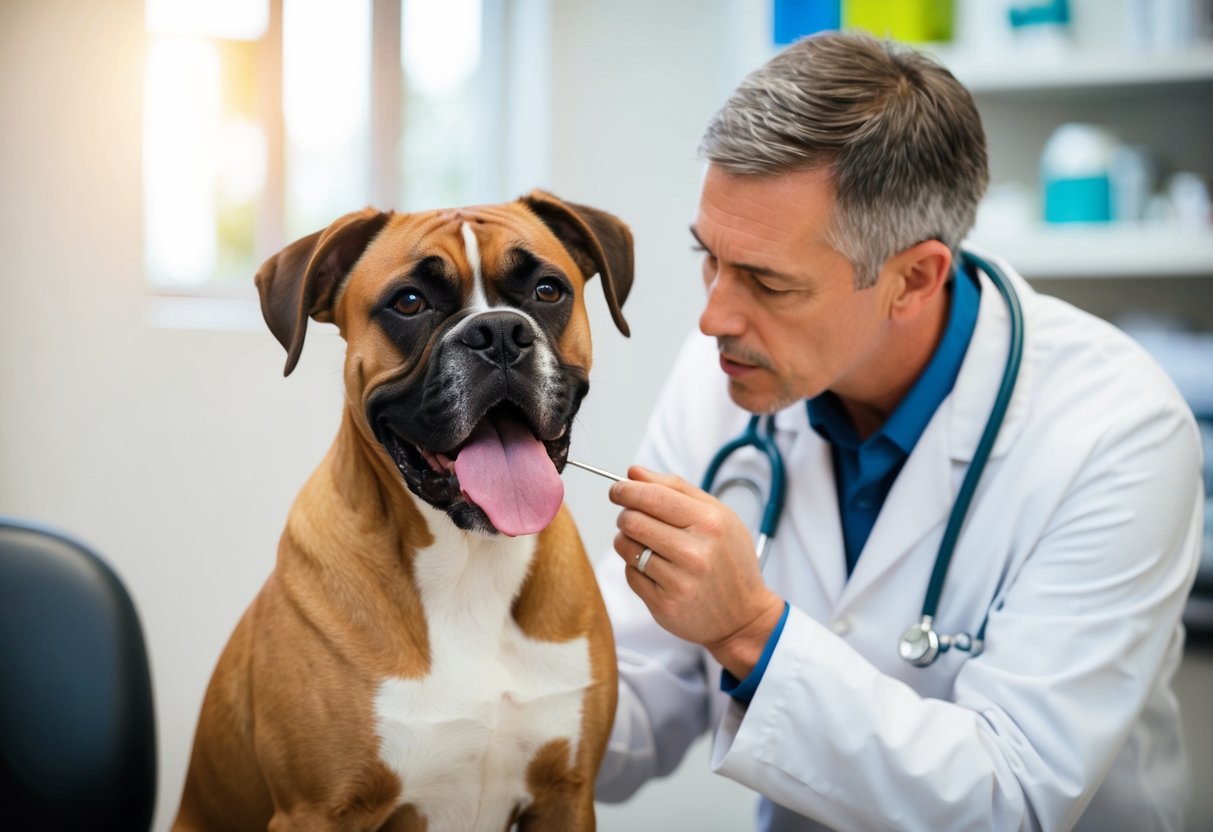
Brachycephalic breeds, like Boxers, Pugs, and French Bulldogs, can face unique health issues due to their specific body structure. Understanding these challenges is key to ensuring your dog’s comfort and well-being.
Understanding Brachycephalic Airway Syndrome
Brachycephalic Airway Syndrome (BAS) affects many flat-faced dogs. Their short nasal passages and elongated soft palates can create breathing difficulties. This often leads to snoring, loud breathing, and even panting.
You may notice your Boxer panting more during physical activity or on warm days. This could be due to their struggle to cool down effectively. It’s essential to monitor their activity level to prevent overheating.
To help manage these issues, keep your dog in a cool environment and avoid intense exercise during hot weather. Regular vet check-ups can help assess their breathing and overall health, giving you peace of mind.
When to Seek Veterinary Care
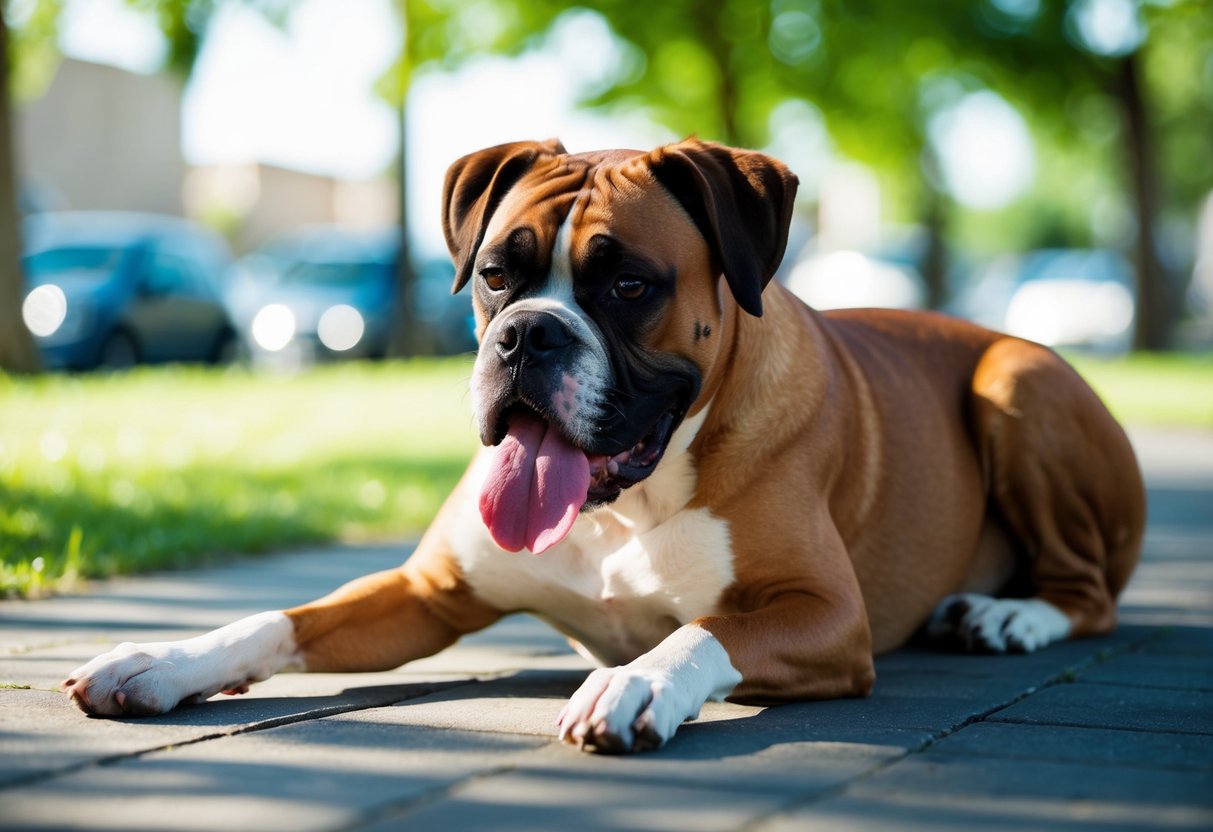
If you notice your boxer pants excessively, it’s time to pay attention. While panting can be normal, there are certain situations where it might indicate a problem. Here are some signs to watch for:
- Excessive Panting: If the panting is more than what you see during play or exercise.
- Resting Panting: Panting while your dog is at rest can signal distress.
- Behavior Changes: If your dog shows signs of anxiety or unease.
Combine these symptoms with any of the following, and it’s wise to seek veterinary care:
- Loss of Appetite: If your dog is not eating as usual.
- Difficulty Breathing: Struggling for air can be serious.
- Lethargy: If your dog seems more tired than normal.
Reasons dogs may pant include heat, excitement, or anxiety. If the panting continues or if you notice unusual behavior, contact your vet.
Early intervention can help ensure pet health. Your vet can rule out serious issues and provide guidance on how to help your boxer.


