
As a Boxer owner, you may sometimes wonder about your dog’s emotional well-being. Boxer dogs can indeed experience depression, just like humans do. Recognizing the signs of canine depression is important for keeping your furry friend happy and healthy.
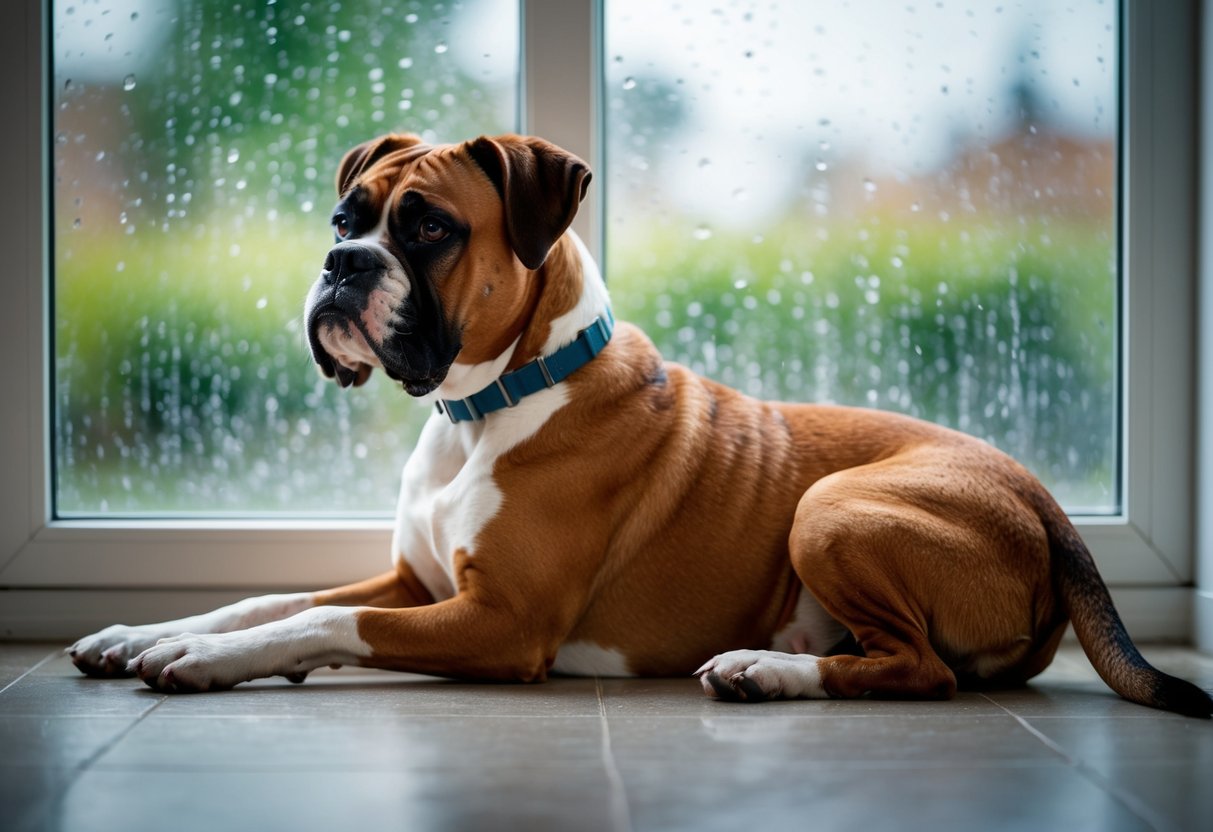
You might notice changes in behavior, such as withdrawal or loss of interest in activities they once loved. Factors like environmental changes or loss of a companion can contribute to these feelings.
By understanding what leads to dog depression, you can find ways to support your Boxer and help them regain their joyful spirit.
In this article, you will learn the signs of depression in Boxers, why it happens, and how to help them feel better. Understanding canine depression will empower you to make positive changes that benefit both you and your beloved dog.
Understanding Dog Depression

Dog depression is a real issue that can affect your pet’s well-being. Recognizing the signs and knowing the causes is important for providing the right care. This guide will help you pinpoint what to look for and what might be behind your dog’s sadness.
Defining Canine Depression
Canine depression can show up in various ways. It’s not just about being “sad.” Your dog might lose interest in activities they once enjoyed.
Signs include:
- Loss of appetite: Eating less or not at all.
- Lethargy: Lack of energy and less playful behavior.
- Changes in sleep patterns: Sleeping more than usual or restless nights.
Understanding these symptoms is crucial. It can help you identify if your dog is truly depressed or if other health issues are at play.
Common Causes of Depression in Dogs
Several factors can lead to depression in dogs. One common cause is the loss of a companion, whether human or another pet. This can leave your dog feeling lonely and confused.
Environmental changes also play a role. Moving to a new home, changes in family dynamics, or even new activities can stress your pup.
Additionally, boredom can contribute to depression. Dogs, especially active breeds like Boxers, need regular exercise and mental stimulation. Without it, they may become disinterested and sad.
Being aware of these causes can help you take the right steps to support your dog through tough times.
Identifying Depression in Boxer Dogs

It’s important to recognize when a boxer dog might be feeling down or depressed. Understanding specific signs and symptoms will help you take action to support your pet. This section will guide you in spotting the differences between typical sadness and actual depression in your boxer.
Recognizing the Symptoms
Dogs, including boxers, can show various signs of depression. Look for changes in behavior.
Common symptoms include:
- Decreased Activity: Your dog may be less playful or reluctant to go for walks.
- Loss of Interest: They might stop enjoying their favorite toys or activities.
- Changes in Eating Habits: You may notice they are eating less or sometimes eating too much.
- Excessive Sleeping: A depressed dog may sleep more than usual, often seeking isolation.
- Vocalizations: Some may whine, bark, or seem more anxious than normal.
Recognizing these signs early is essential to helping your boxer feel better.
Differentiating Sadness from Depression
It can be tough to tell if your boxer is genuinely depressed or just having a sad day. Sadness is often temporary, linked to a specific event, like a change in routine. Signs of sadness tend to fade with time.
In contrast, depression is more persistent. If your dog shows symptoms for two weeks or more, it may indicate depression rather than simple sadness.
Monitor your dog’s behavior closely. If they’re less responsive, seem withdrawn, or show signs of anxiety even after an event has passed, it could be a sign of depression. Knowing the difference helps you decide if your dog needs extra care or veterinary attention.
Addressing Dog Depression
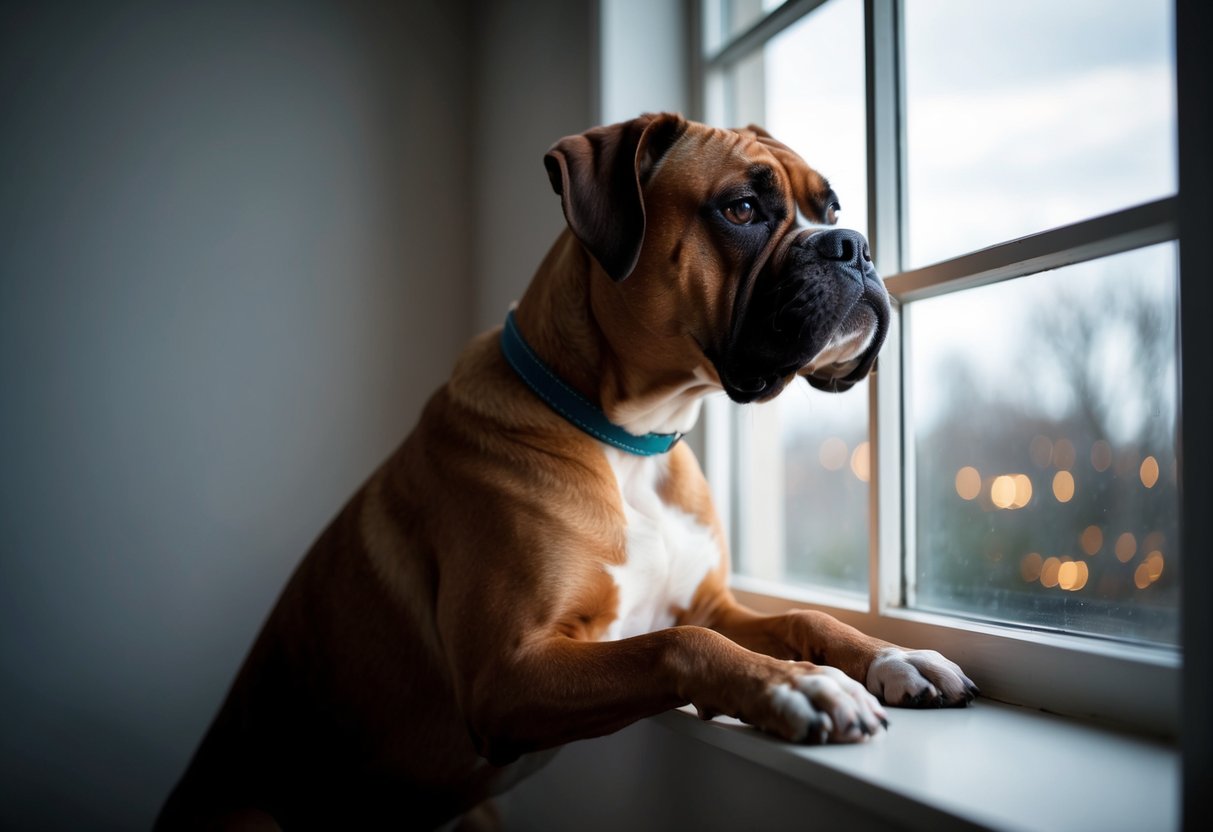
When you notice signs of depression in your boxer, it’s important to take action. Understanding how to address their needs and seeking appropriate support can help improve their mood and overall well-being.
Consulting with Veterinary Behaviorists
If your dog shows signs of depression, the first step is consulting with a veterinary behaviorist. These professionals specialize in animal behavior and can help identify specific causes of your dog’s depression, such as fear, anxiety, or changes in their environment.
During your appointment, the veterinarian may ask about your dog’s history, lifestyle, and any recent changes.
They might suggest behavior modification techniques or recommend training strategies tailored to your boxer’s needs.
You’ll receive guidance on methods to enrich your dog’s life. This could include adding more physical exercise or mental stimulation to their daily routine. Working with a veterinary behaviorist can make a significant difference in helping your dog regain their happy disposition.
Therapeutic Approaches and Support
Various therapeutic approaches can support your boxer through depression. One common method is increasing physical activity. Regular walks or playtime can boost your dog’s mood and reduce feelings of boredom.
Another effective strategy is implementing structured routines. Dogs thrive on consistency, so having set times for meals, walks, and play can help your pet feel more secure.
Consider providing interactive toys or puzzles to stimulate their mind. These activities can alleviate boredom and prevent negative behaviors associated with depression.
In some cases, your vet may recommend anti-anxiety medications or natural supplements. These can help ease symptoms but should always be discussed with your veterinarian before starting.


