
Boxer dogs are known for their playful energy and loyal companionship. As a large breed, they tend to age faster than smaller dogs. On average, Boxer dogs live around 9 to 12 years, which means they experience health issues related to aging sooner than smaller breeds.

As your Boxer grows, you might notice changes in their energy levels and health. Common problems include heart issues and certain cancers, which can affect their life expectancy. Understanding how these factors impact your dog’s aging can help you provide better care as they move into their senior years.
Keeping your Boxer active and healthy can make a big difference in their quality of life. With the right diet, exercise, and regular vet visits, you can help your furry friend enjoy their years to the fullest.
Understanding Boxer Aging

Aging is an important topic for Boxer dog owners. Understanding how genetics and milestones affect their aging will help you provide the best care possible for your furry friend.
Genetics and Lifespan
Boxer dogs typically live between 9 to 12 years. Genetics play a big role in how long your Boxer will live. Some Boxers may even reach their teens. Breeding quality can impact health issues, which may shorten their lifespan. For instance, hereditary conditions like heart problems are common in Boxers.
To promote a healthy life, choose a reputable breeder who tests for genetic diseases. Regular veterinary check-ups and a healthy diet can help address potential health issues early. Your Boxer’s genetics can influence not only their lifespan but also how they age physically and mentally.
Developmental Milestones
Your Boxer will go through several key stages as they age. By the time they reach 1 year old, they are usually fully grown, both in size and energy levels. At 7 to 8 years, they enter the senior stage. This means they may experience slower movements and require different care.
During their senior years, low-impact activities are essential. Gentle walks and swimming are great exercise options. Be observant of any changes in behavior or health that can arise as they age. Early detection of problems can significantly affect their quality of life. It’s important to adjust their diet and exercise routines to match their changing needs.
Health and Well-Being

Taking care of your Boxer’s health and well-being is vital as they age. They can face several specific health issues, and consistent care can make a big difference in their quality of life. Regular veterinary visits, proper exercise, and mental stimulation are key to ensuring your Boxer stays happy and healthy.
Common Health Concerns
Boxers are prone to various health problems that you should be aware of. Some of the most common issues include:
- Heart Disease: Conditions like aortic stenosis affect the heart’s ability to pump blood.
- Cancer: This is the leading cause of death in Boxers, with tumors often appearing later in life.
- Degenerative Myelopathy: A progressive disease that affects the spinal cord, leading to mobility issues.
- Hip Dysplasia: A genetic condition where the hip joint doesn’t fit properly, causing pain and arthritis.
- Obesity: Maintaining a healthy weight is essential to avoid heart problems and joint stress.
Regular check-ups can help catch these issues early.
The Importance of Veterinary Care
Veterinary care plays a crucial role in your Boxer’s health. Regular check-ups allow the vet to monitor your dog for potential health problems. Preventative veterinary care, like vaccinations and dental cleanings, can also prevent diseases.
You should take your Boxer to the vet at least once a year. Discuss your pet’s diet and any changes in behavior, as these can signal health problems. Early detection of issues like cancer and heart disease increases the chances of effective treatment.
Exercise and Mental Stimulation
Boxers are energetic dogs that require regular exercise to stay healthy. Aim for at least 30 to 60 minutes of exercise each day, which can include walks, playtime, or even agility training. Physical activity helps maintain a healthy weight and builds strong muscles and joints.
Mental stimulation is just as important. Engage your Boxer with puzzle toys, training sessions, or new tricks. This not only keeps them entertained but also helps prevent behavioral problems. A well-stimulated dog is usually happier and has a better quality of life.
Nutrition and Care
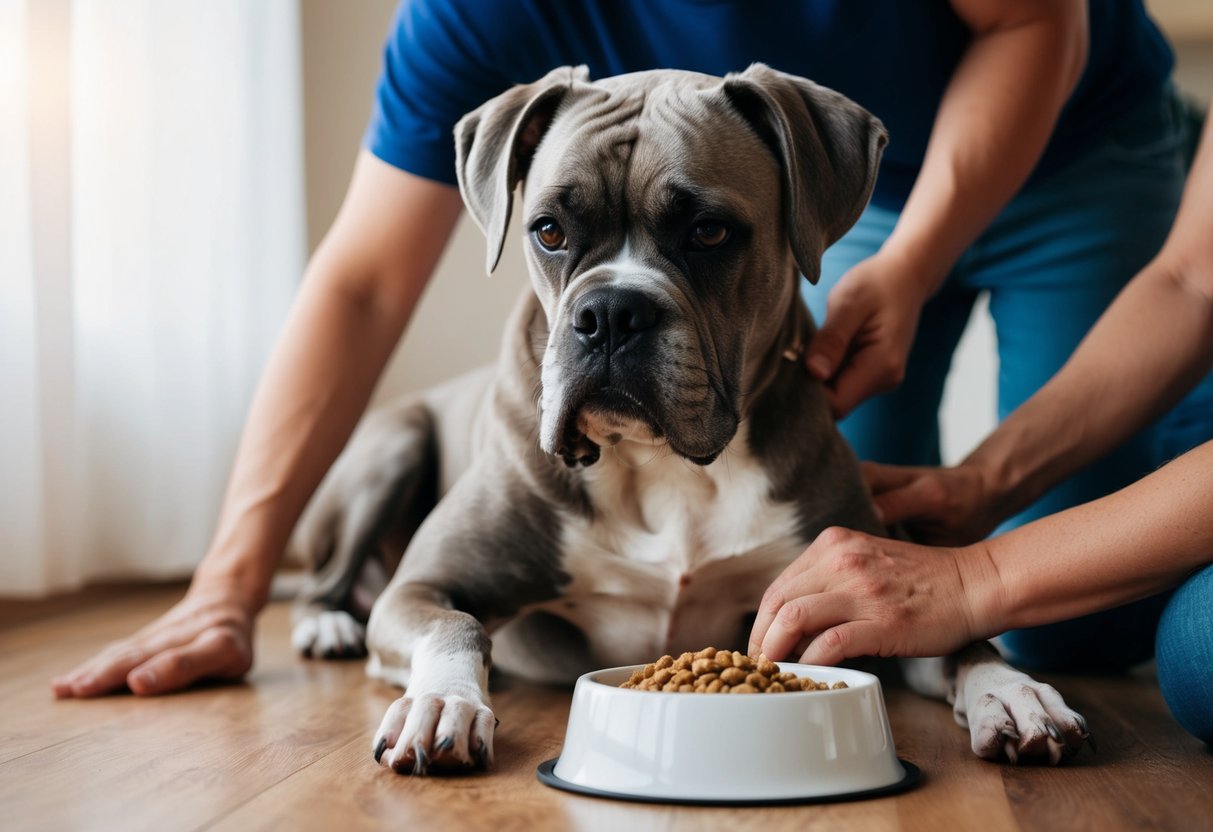
Taking care of your Boxer involves providing proper nutrition and attention to health needs. This will help your dog live a longer, healthier life.
Feeding Your Boxer for Optimal Health
Feeding your Boxer a balanced diet is essential. Look for high-quality dog food that lists meat as the first ingredient. Boxers require protein to support their active lifestyle and muscle health.
Recommended Nutritional Guidelines:
- Age-appropriate food: Puppy formulas for young Boxers, adult formulas for those over one year.
- Avoid fillers: Stay away from foods with excessive grains or artificial ingredients.
- Measure portions: Follow the feeding guide on the dog food package to prevent weight gain.
Regularly check your dog’s weight. If you notice excess weight, consult your vet for appropriate adjustments.
Maintaining Dental Health
Dental care is crucial for your Boxer. Regular dental hygiene can help prevent plaque buildup and gum disease. Poor dental health can lead to painful infections and other health issues.
Key Practices for Healthy Teeth:
- Brushing: Aim to brush your Boxer’s teeth several times a week. Use dog-specific toothpaste.
- Chew toys: Provide dental chews that can help reduce plaque.
- Veterinary check-ups: Schedule professional cleanings as recommended by your vet.
Routine dental care will keep your Boxer’s smile bright and healthy.
The Role of Spaying/Neutering
Spaying or neutering your Boxer offers several health benefits. These procedures can prevent certain cancers and reduce the risk of other health issues. They also help manage behaviors like aggression or roaming.
Benefits of Spaying/Neutering:
- Health: Reduces risks of mammary tumors in females and testicular cancer in males.
- Behavior: Often lessens marking behaviors and aggression.
- Population control: Helps prevent unwanted litters.
Consult your veterinarian about the best time for these procedures. Proper care after surgery is crucial for a smooth recovery.
Lifestyle Factors Affecting Aging

Lifestyle choices play a crucial role in how your boxer ages. Factors such as companionship, environmental influences, and responsible breeding practices can significantly impact your dog’s health and well-being.
The Impact of Companionship
Having companionship is vital for your boxer’s emotional health. Boxers are social dogs that thrive on interaction with humans and other pets. When they feel lonely or isolated, they may experience stress, which can lead to behavioral issues. Regular playtime and affection can keep your dog engaged and happy.
Creating a routine that incorporates walks, training, and quality time can foster a strong bond. You might notice that this connection not only improves your dog’s mood but also supports their cognitive abilities as they age. Engaging activities help keep their minds sharp while strengthening your relationship.
Influence of Environmental Factors
The environment you provide for your boxer significantly affects their aging process. Exposure to safe, clean spaces encourages physical activity, which is essential for maintaining muscle mass and joint health. On the other hand, a cluttered or unsafe environment can lead to accidents or injuries.
Your home should be free from hazards that could harm your dog. Consider using non-toxic cleaning supplies and keeping dangerous items out of reach. Additionally, providing a comfortable space for rest and relaxation helps your dog recharge, promoting better overall health.
Benefits of Responsible Breeding
When looking to add a boxer to your family, you need to consider responsible breeding practices. Reputable breeders focus on the health traits of their dogs, so they reduce the likelihood of genetic disorders common in brachycephalic breeds like boxers. This care helps ensure a longer, healthier life for your boxer.
Choosing to adopt from a shelter or rescue can also make a difference. Many dogs in these settings are well-loved and properly cared for. This path can help you find a strong, healthy companion who fits well with your lifestyle, maximizing the joy of pet ownership.


