
As a proud owner of a Boxer dog, you may have noticed their boundless energy and playful spirit. Boxer dogs typically start to slow down around the age of 8 to 9 years old, as they transition into their senior years. This change can bring a mix of emotions, from relief at less hyperactivity to concern about their health.

Understanding when Boxers calm down is important for keeping them happy and healthy. While they are energetic and spirited, knowing what to expect as they age helps you adjust to their needs.
You’ll find that early on, they remain lively and playful, but with age, things will change. In this article, you’ll explore the journey of your Boxer’s energy levels and learn tips on how to support them throughout different stages of life. Keeping track of their behavior as they age ensures a fulfilling companionship for both of you.
Understanding Boxer Dogs’ Energy Levels
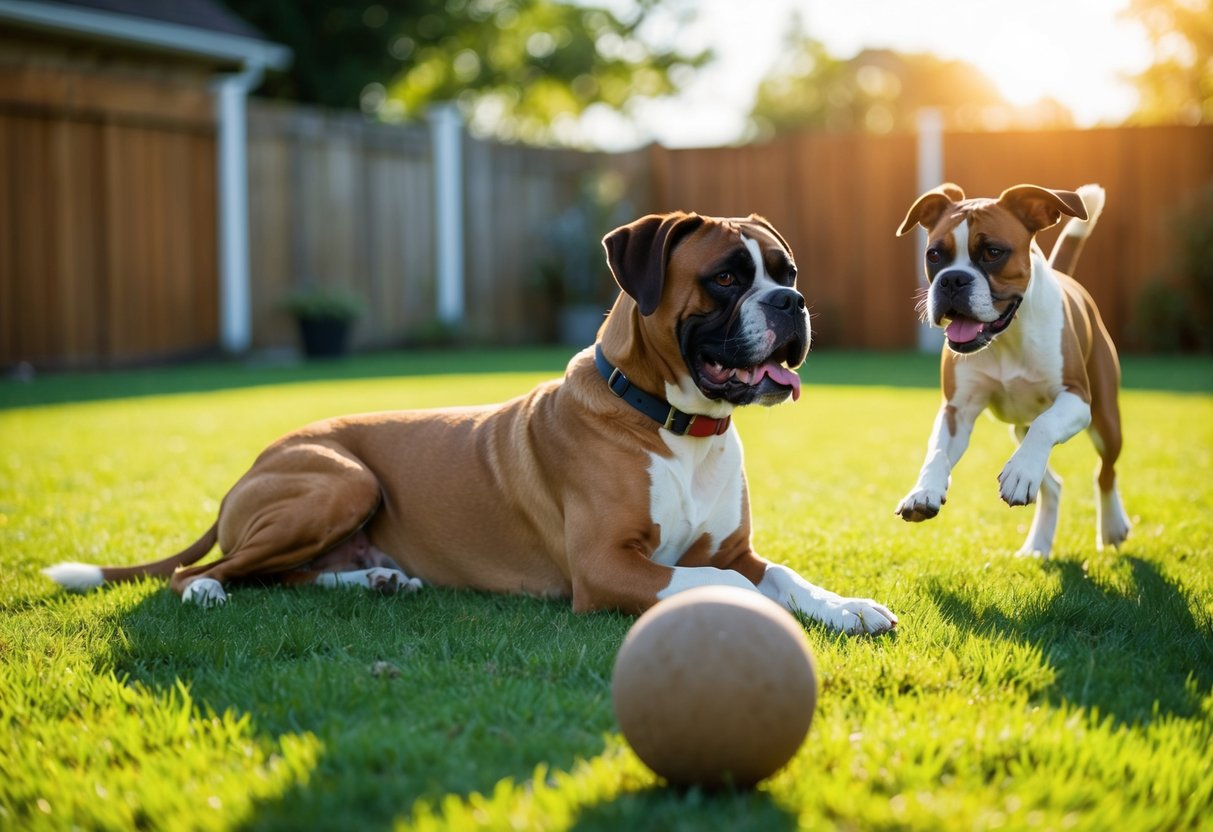
Boxer dogs are known for their playful and energetic nature. As they grow, their energy levels change significantly. This section explains the characteristics of young Boxers and how their energy levels evolve as they age.
Characteristics of Young Boxer Dogs
When you have a Boxer puppy, you’re likely in for a lively experience. These dogs are full of energy and curiosity, often displaying a playful nature from a young age. They thrive on interaction and enjoy playtime, which helps them release some of their abundant energy.
Boxers require plenty of mental stimulation and physical exercise. Regular activities like fetch or agility training can help keep your Boxer engaged and satisfied. Without enough stimulation, a young Boxer can become a hyper Boxer, leading to destructive behaviors. Setting an exciting routine can channel their energy positively.
Typical Aging Process in Boxer Dogs
As Boxers grow, their energy levels start to shift. Typically, by the age of 2 to 3 years, you might notice a gradual decrease in their hyperactivity. They begin to mature both mentally and physically. This change can lead to more calm behavior, as their intense playtime starts to balance out.
Around 4 years old, many Boxers will settle down even more. While they still enjoy play, you may find they prefer longer rests between bursts of activity. It’s important to continue providing mental stimulation, as this will help keep your Boxer content. Regular walks and games remain crucial for their happiness and well-being.
Factors Influencing When Boxers Slow Down
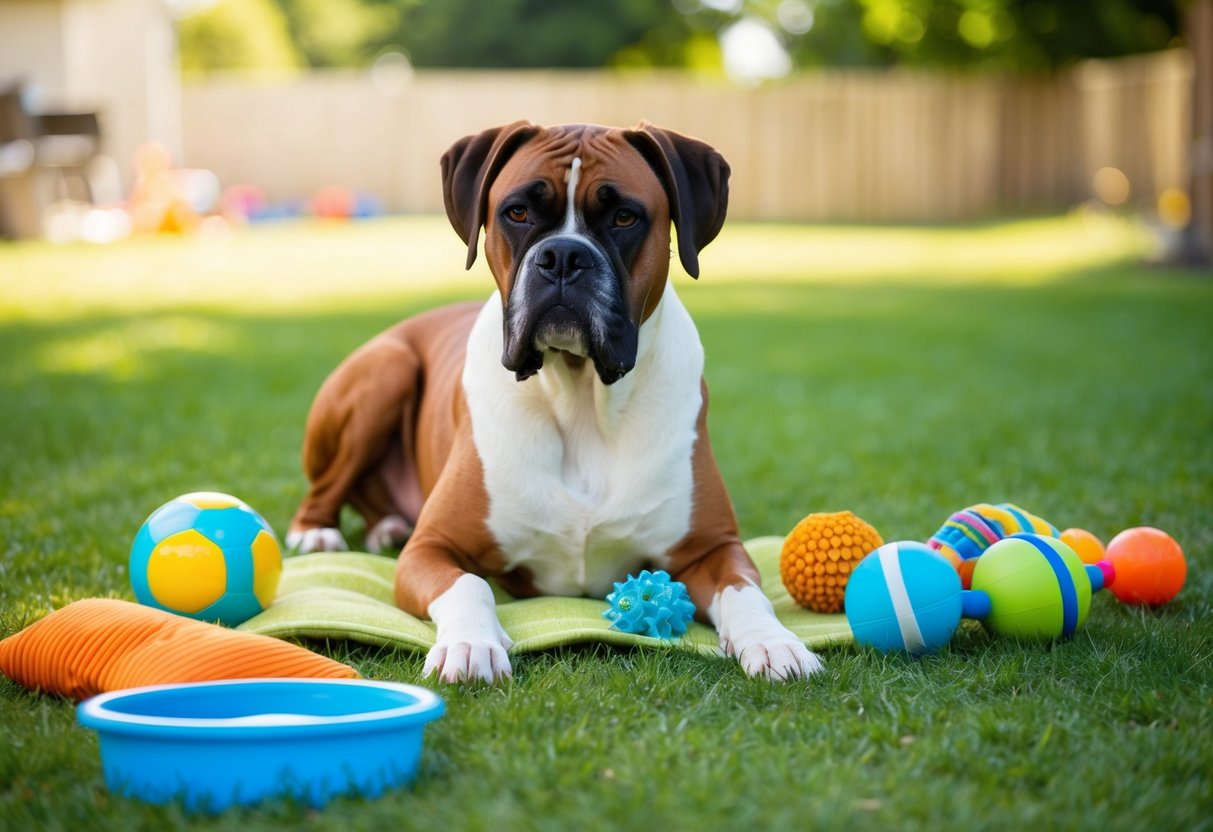
Various elements play a significant role in when your boxer may start to slow down. Understanding these factors can help you support their needs as they age.
Exercise and Activity Needs
Boxers are naturally energetic dogs. Their high activity levels typically remain until they are about 2 to 4 years old. Even as they get older, regular exercise remains crucial.
To keep your boxer healthy, consider daily walks, playtime, and interactive games. Aim for at least 30 to 60 minutes of activity each day.
A lack of exercise can lead to weight gain and reduce muscle mass. Keeping your dog active encourages strong joints and overall well-being. Remember that older boxers may not need as much vigorous play but still need regular walks to stay fit.
Mental Health and Stimulation
Mental stimulation is just as important as physical activity for your boxer. Engaging their minds can help reduce boredom, which can lead to behavior issues.
Puzzle toys, training sessions, and new tricks can keep their brains active. Try to introduce new challenges regularly, as variety is great for mental health.
Monitor how your dog responds to different activities. As boxers get older, they may prefer quieter, more focused games. Keeping their minds stimulated can help maintain their energy levels and happiness as they slow down.
Physical Health Considerations
As boxers age, they might experience various health issues. Joint problems like arthritis are common in older dogs, making it harder for them to stay active. Regular vet check-ups can help catch these issues early.
A balanced diet is essential. Providing high-quality dog food can support their joints and overall health. Weight management is also important, as excess weight can exacerbate health problems.
Look for signs of discomfort or fatigue. Adjust their exercise routine as needed. Offering a comfortable space to relax will help them adjust to their changing energy levels.
Managing the Transition to a Calmer Boxer
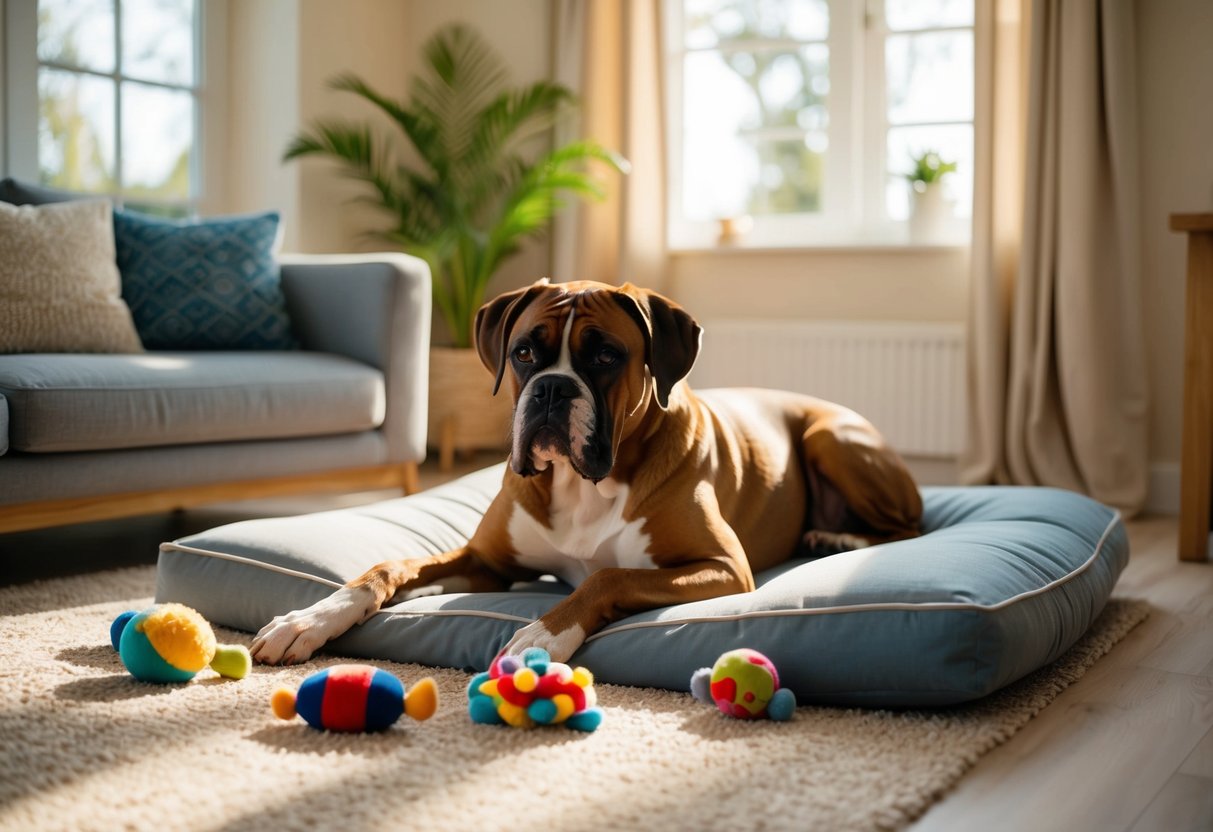
As your boxer matures, adapting to their changing needs is essential. This transition involves modifying daily routines and encouraging socialization. These steps will help your boxer become more relaxed and comfortable as they age.
Adapting Your Routine for an Older Boxer
When your boxer reaches their calmer phase, it’s important to adjust your daily schedule. Start by reducing the intensity of exercise sessions. Focus on moderate walks instead of high-energy play. This helps your dog stay active without becoming overstimulated.
Creating a consistent routine can help ease anxiety. Regular meal times and scheduled potty breaks will give your boxer a sense of security. If they experience separation anxiety, practicing short periods alone can help them adjust.
Additionally, consider incorporating mental stimulation. Puzzle toys and training sessions can keep their mind engaged and promote relaxation. Your older boxer may also appreciate a cozy spot for naps, allowing them to rest comfortably.
Socialization and Its Role
Socialization remains important for your older boxer. Meeting new dogs and people helps reduce anxiety in various situations.
Arrange playdates or visits to dog parks. These interactions can aid in balancing your boxer’s protective instincts while keeping them friendly.
Invite friends over to expose your dog to new faces. This will assist in building confidence and keeping social skills sharp.
Proper socialization also reduces stress during outings, making walks and trips more enjoyable.
Monitor your boxer’s responses to new experiences. If they seem overwhelmed, balance socialization with quiet time.
Finding the right mix will help your boxer remain calm and content during their transition into adulthood.


