
When you bring a Boxer puppy into your home, you might wonder about their barking habits. Boxer puppies are known to bark, but they typically do not bark excessively. Their vocalizations can vary based on excitement, curiosity, or even stress. As a loving owner, it’s essential to understand their communication style to help manage their barking.
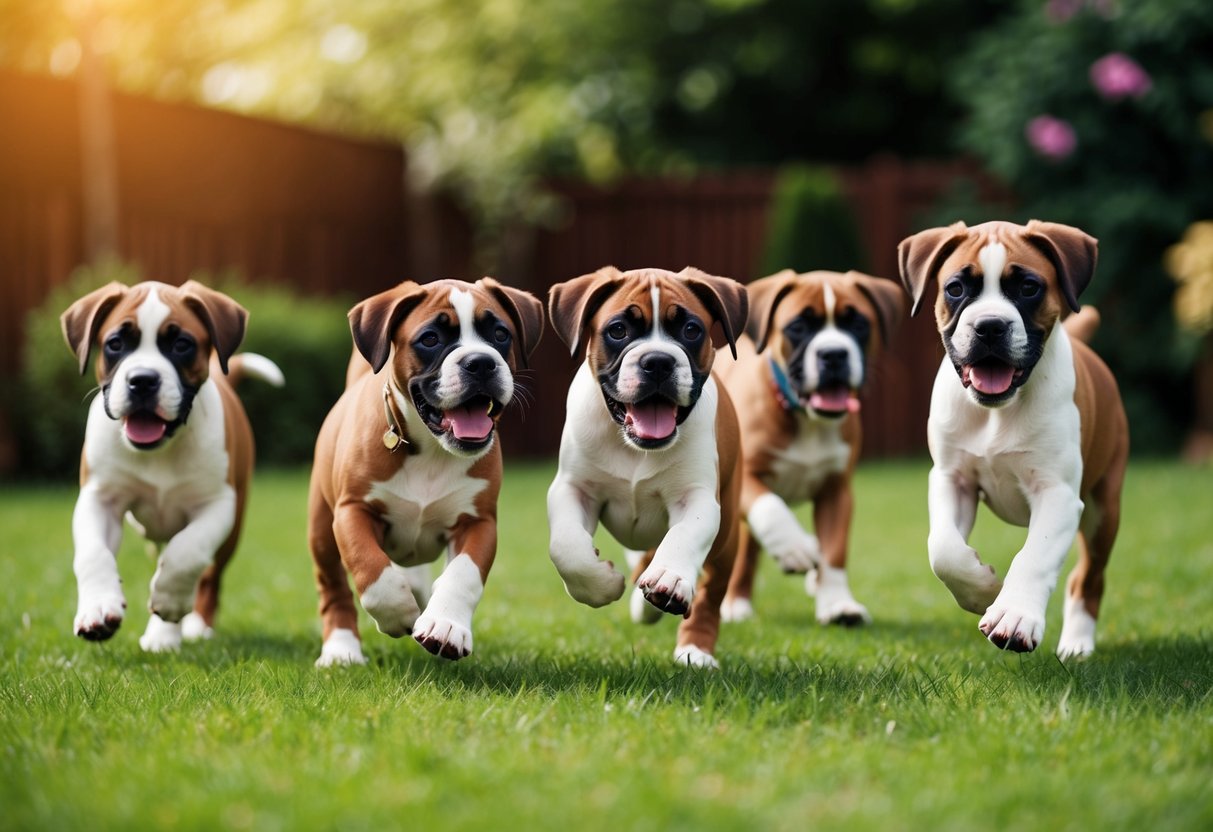
Barking is a natural way for Boxer puppies to express themselves. They might bark when they want to play or to get your attention. Monitoring their barking behavior can help you identify when it’s appropriate and when it might be a sign of something else, like anxiety or boredom.
By learning more about your Boxer’s barking tendencies, you can create a better environment for both of you. Understanding their needs and emotions can strengthen your bond and ensure you both enjoy a happy life together.
Understanding Boxer Puppy Barking Behavior

Boxer puppies are known for their playful and energetic nature. Their barking serves important roles in their communication and is influenced by various factors. Understanding this behavior can help you respond appropriately and strengthen your bond with your puppy.
Barking as Natural Communication
Barking is a natural way for your Boxer puppy to express themselves. They use vocalization to communicate needs, desires, or even to alert you to new stimuli in their environment.
Boxers are known to be vocal dogs, and this trait is especially pronounced in puppies. Here are some key reasons why they bark:
- Attention-seeking: They may bark to get your attention for playtime or food.
- Alertness: Boxers have a protective nature and often bark at unfamiliar sounds or movements to alert you.
- Excitement: When playing, they may bark out of joy and enthusiasm.
Recognizing these cues can help you respond correctly to their needs.
Factors That Influence Barking Tendencies
Several factors can influence how much your Boxer puppy barks. Understanding these can give you better insight into their behavior.
-
Socialization: Puppies that aren’t exposed to different environments may bark more due to fear or uncertainty.
-
Individual Personality: Each puppy has their unique personality. Some may be more vocal than others, depending on their temperament.
-
Training: Positive reinforcement training can teach your puppy when barking is appropriate. Avoiding harsh methods is important, as they can increase anxiety and lead to more barking.
-
Exercise Needs: An under-exercised puppy might bark more out of boredom. Regular playtime helps reduce excess barking.
Common Triggers of Barking in Boxer Puppies

Understanding why your Boxer puppy barks can help you address the behavior effectively. Several factors, like exercise needs and emotional states, play a significant role in barking. Here are some common triggers that can lead to increased vocalization.
Role of Exercise and Mental Stimulation
Boxer puppies are energetic and need regular exercise to stay healthy and happy. Daily walks, playtime, and engaging activities can help reduce barking. When your puppy lacks physical activity, they may express boredom through barking.
Mental stimulation is just as vital. Puzzle toys and training sessions are excellent ways to keep your puppy’s mind active. Without enough stimulation, your Boxer may become restless and bark for attention. Aim for at least 30-60 minutes of exercise every day, along with interactive games to keep them entertained.
Anxiety and Protective Instincts
Boxers are known for their protective nature, and this can lead to barking when they sense something unusual. If your puppy feels anxious about new sounds or sights, they might bark to alert you. Common triggers include strangers approaching your home or loud noises.
Separation anxiety can also cause excessive barking. If your puppy struggles to be alone, they may bark to express their distress. It’s essential to create a safe space for your pup and provide comfort items when you leave. Consider gradually increasing the time your puppy spends alone to help them adjust.
Attention-Seeking and Boredom
Attention-seeking behavior is common in Boxer puppies. If they learn that barking gets them your attention, they may do it more often. Ignoring this behavior is crucial. Instead, reward your puppy when they are quiet to reinforce good behavior.
Boredom can lead to barking as well. If your puppy isn’t mentally or physically stimulated, they may bark out of frustration. Regular exercise and socialization can help alleviate this issue. Create a schedule for playtime and include varying activities to keep your puppy engaged.
Training Techniques to Manage Barking
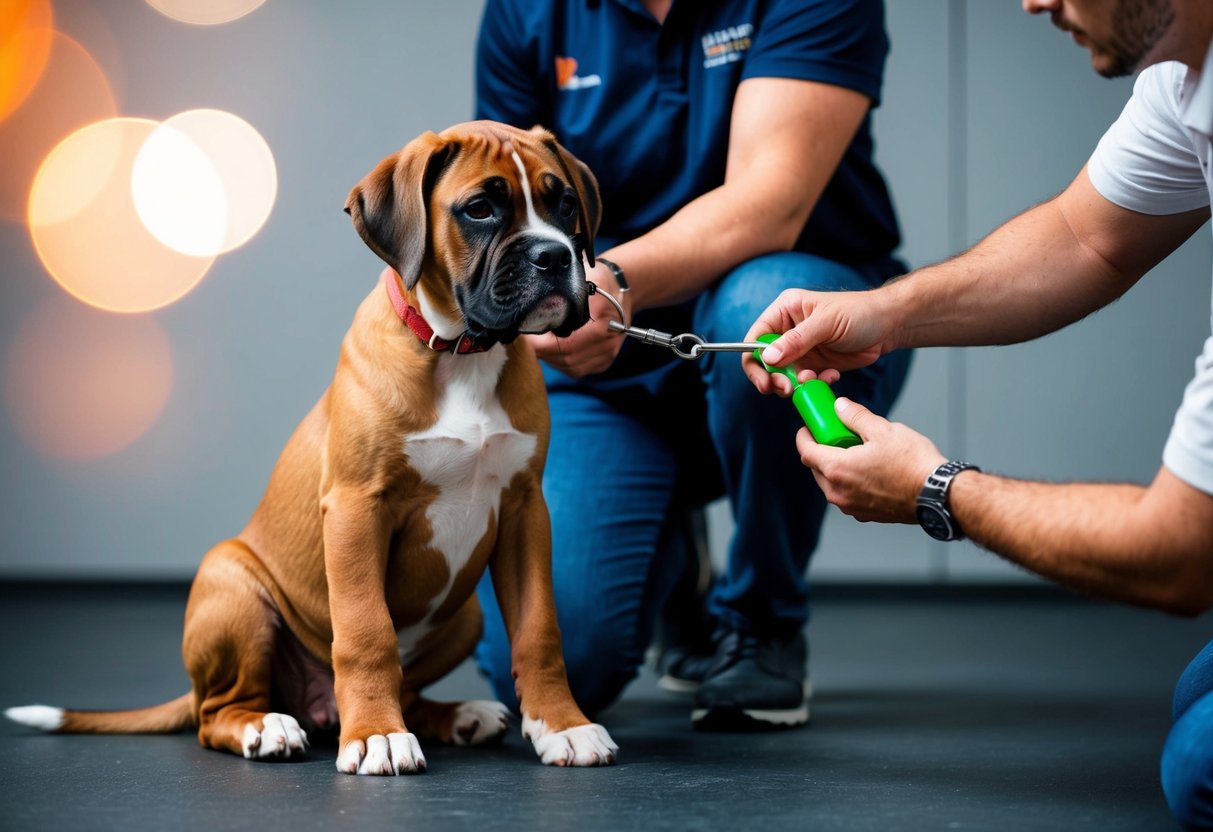
Managing barking in Boxer puppies requires effective training methods. Focusing on positive reinforcement and building impulse control can help reduce excessive barking. Here are some useful techniques to start with.
Positive Reinforcement and Obedience Training
Positive reinforcement is a powerful way to encourage good behavior in your Boxer puppy. When your puppy stops barking on command, reward them with treats or praise. This approach helps them connect the behavior with something pleasant.
Incorporating obedience training is also important. Teach basic commands like “quiet,” “sit,” and “stay.” Use short training sessions of about 5-10 minutes to keep your puppy engaged. Repeating commands consistently helps your dog learn what’s expected of them.
Make sure to celebrate their successes, no matter how small. This builds their confidence and reinforces their positive behavior, leading to a calmer puppy over time.
Desensitization and Impulse Control
Desensitization involves gradually exposing your puppy to the things that trigger barking. Start by introducing them to common sights and sounds in a controlled way. For example, if your puppy barks at strangers, have a friend approach slowly while you reward your puppy for being calm.
Impulse control is about teaching your puppy to wait for cues. Practices like “leave it” or “wait” help your dog learn patience. You can set up situations where they have to be still before receiving a treat or going outside.
Consistency is key. Make sure everyone in your household uses the same techniques. Over time, your puppy will become more relaxed and less reactive, leading to less barking.
Creating a Supportive Environment for Your Boxer

A supportive environment is key to helping your Boxer puppy feel comfortable and secure. This means providing opportunities for play and relaxation. Here are some important aspects to consider.
Interactive Toys and Chew Toys
Interactive toys are great for keeping your Boxer engaged. Look for toys that challenge their minds and encourage play. Puzzle toys can stimulate their thinking and help with focus.
Chew toys are equally important. They provide a safe outlet for your puppy’s natural chewing instincts. Choose durable options that can withstand your Boxer’s strong jaws.
Make sure to rotate these toys regularly. This keeps your puppy interested and excited about playtime. You can also join in on the fun. Engaging with your pup during play can strengthen your bond and reinforce positive behavior.
Establishing a Calm Environment
Creating a calm environment helps reduce anxiety and promotes relaxation. This is especially important for energetic dogs like Boxers.
Start by designating a quiet space where your puppy can retreat when things get overwhelming. Consider adding comfortable bedding and some toys in this area. Making it a cozy spot will encourage your puppy to use it.
It’s also helpful to reduce noise and distractions at home. Close curtains or blinds if your Boxer is bothered by movements outside. Soft music or calming sounds can make a big difference too. This supportive setting helps your Boxer learn when it’s time to be active and when it’s time to relax.


