
If you’re considering whether your Boxer dog can live outside, you might want to think twice. Boxer dogs are not well-suited for outdoor living due to their short coat and social nature. These loyal companions thrive in a home environment where they can bond with their families.
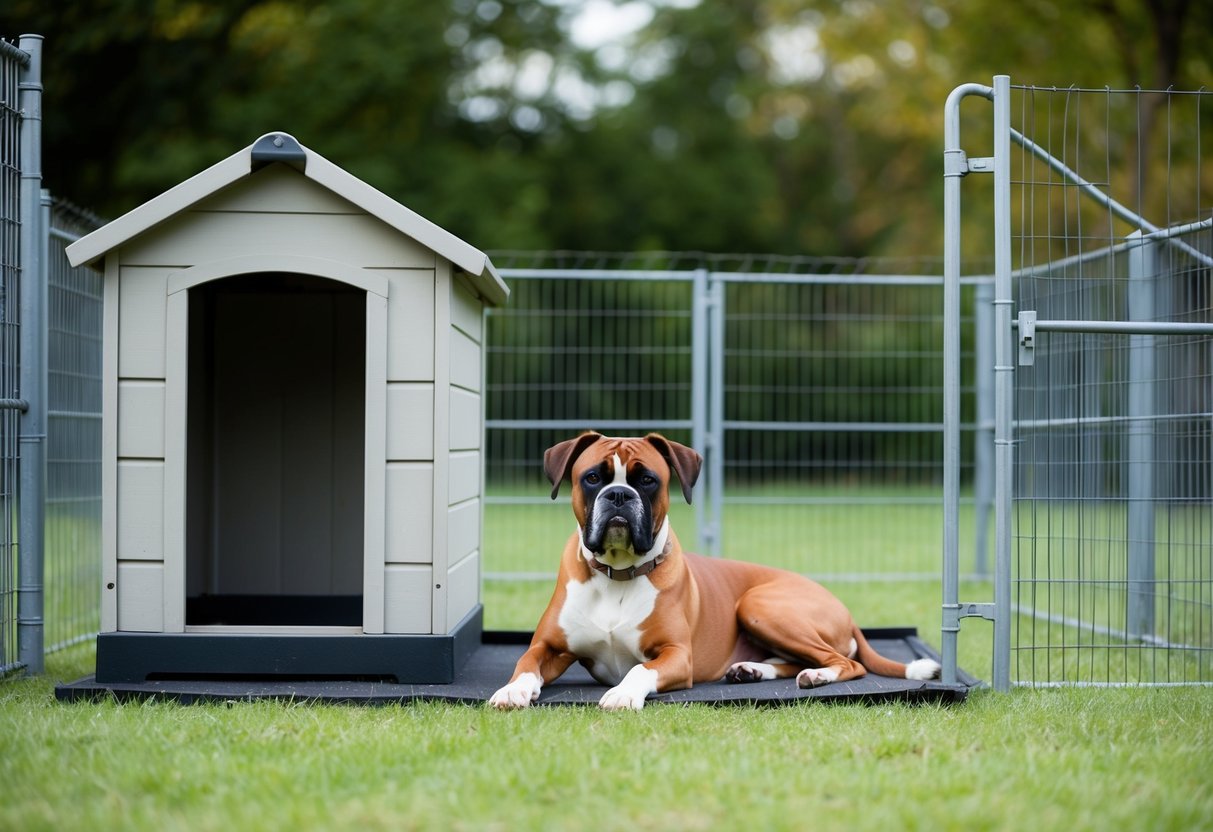
Leaving a Boxer outside for long periods can lead to health issues and stress. They struggle with temperature regulation and can easily overheat, especially in hot weather. Plus, as a loving breed, they crave companionship and don’t do well when isolated from their human family members.
Creating a safe and comfortable space for your Boxer is essential if you want to let them enjoy some outdoor time. Many experts recommend that these dogs primarily live indoors with access to the yard for play and exercise. This way, you ensure they remain happy and healthy while still getting some fresh air.
Understanding the Boxer Breed
Boxers are unique dogs with specific traits and needs. They are known for their energetic and intelligent nature, as well as their strong desire for companionship. Understanding these traits can help you provide the best care for your Boxer.
Physical and Temperament Traits
Boxers are a Brachycephalic breed, which means they have shorter noses and flat faces. This unique structure can lead to health risks, especially concerning breathing.
They have a short coat that requires minimal grooming but can be sensitive to extreme temperatures. Boxers are well-built, athletic dogs known for their strength and agility.
Temperamentally, Boxers are energetic and playful. They are often great with children and other pets, making them a popular choice for families. Their intelligence means they can learn commands quickly, but they also need mental stimulation to stay happy.
Socialization and Companionship Needs
Boxers are very social dogs that thrive on companionship. They do not enjoy being left alone for long periods. This breed craves your attention and interaction to feel secure and happy.
It’s essential to socialize your Boxer from a young age. Exposure to different people, pets, and environments can help them become well-adjusted adults.
Because they have high social needs, spending quality time with your Boxer is crucial. Whether it’s playing fetch or going for walks, regular interaction will keep your dog content and strengthen your bond.
Challenges of Outdoor Living for Boxers
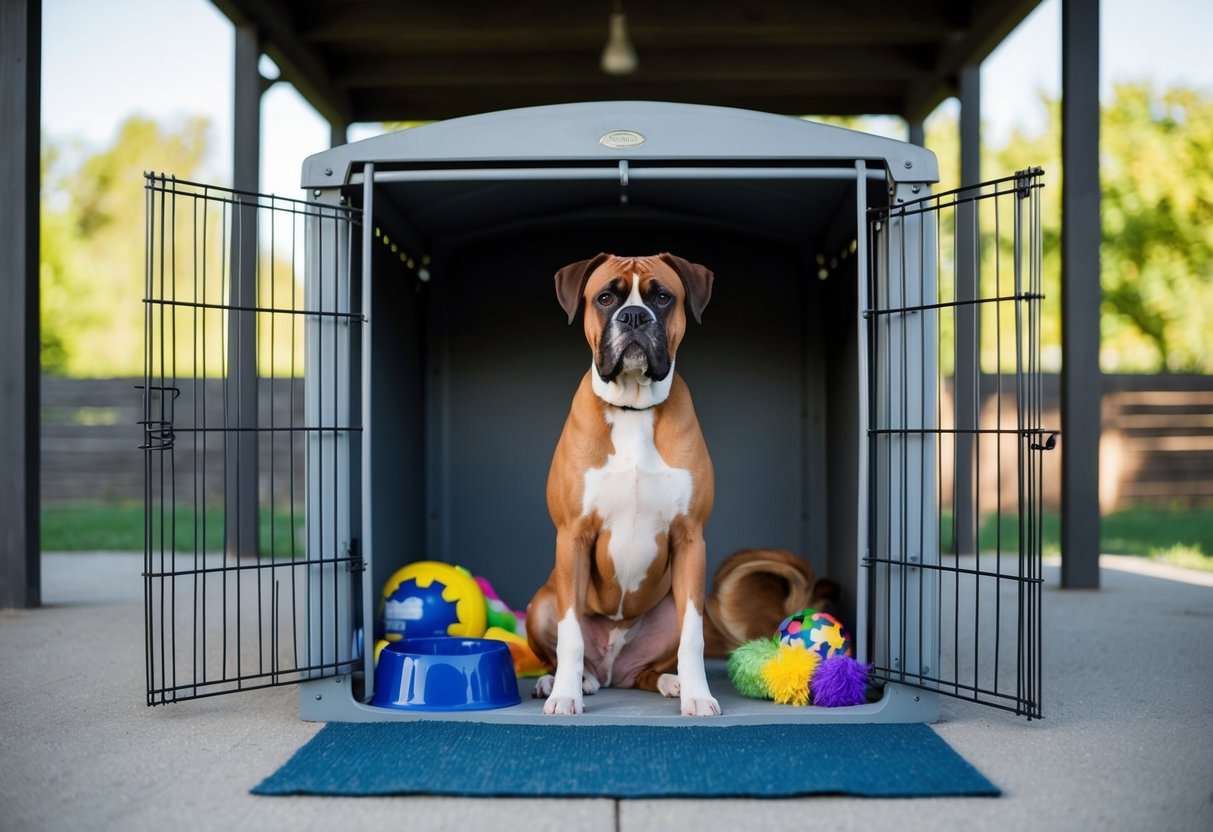
Keeping Boxers outside presents several challenges that affect their health and well-being. These challenges range from weather-related concerns to emotional impacts resulting from isolation. Understanding these challenges can help you make informed decisions about your Boxer’s living situation.
Weather-Related Health Concerns
Boxers have short coats that don’t provide much insulation. Cold temperatures can be tough for them. If the weather drops, they can be at risk for hypothermia.
In warmer months, hot weather is another challenge. Boxers can typically tolerate temperatures up to 85°F (30°C), but extreme heat can lead to dehydration and heatstroke. It’s important to provide adequate shade and water when outside.
Sunburn can also be an issue, especially for Boxers with light-colored fur. Apply pet-safe sunscreen on exposed skin if they spend extended periods outside to protect against sun damage.
Emotional Impacts of Isolation
Boxers are known for being social and loyal companions. When left outside for long periods, they can feel isolated. This solitude can create feelings of stress and anxiety.
Being outside all the time means missing out on family interactions and bonding. Without regular companionship, your Boxer may develop emotional problems, impacting their overall happiness.
Make sure to spend quality time with your Boxer, even if they live outside. Bring them in for playtime and cuddles to strengthen your bond.
Potential Behavioral Problems
Living outdoors can lead to several behavioral issues in Boxers. Because they thrive on structure and routine, lack of interaction can cause boredom. This boredom may lead them to engage in destructive behaviors, such as digging or barking excessively.
Additionally, if Boxers feel neglected, it can result in separation anxiety. Boxers with anxiety may become more aggressive or fearful, which can complicate their behavior at home or in public.
Providing a balanced mix of outdoor time for exercise and indoor time for companionship is essential. Keeping them mentally stimulated can help reduce unwanted behaviors.
Creating a Safe Outdoor Environment

Keeping your Boxer outside requires careful planning to ensure their safety and happiness. You will need to provide protection from the elements and meet their social and exercise needs to prevent loneliness and destructive behavior.
Shelter and Protection Measures
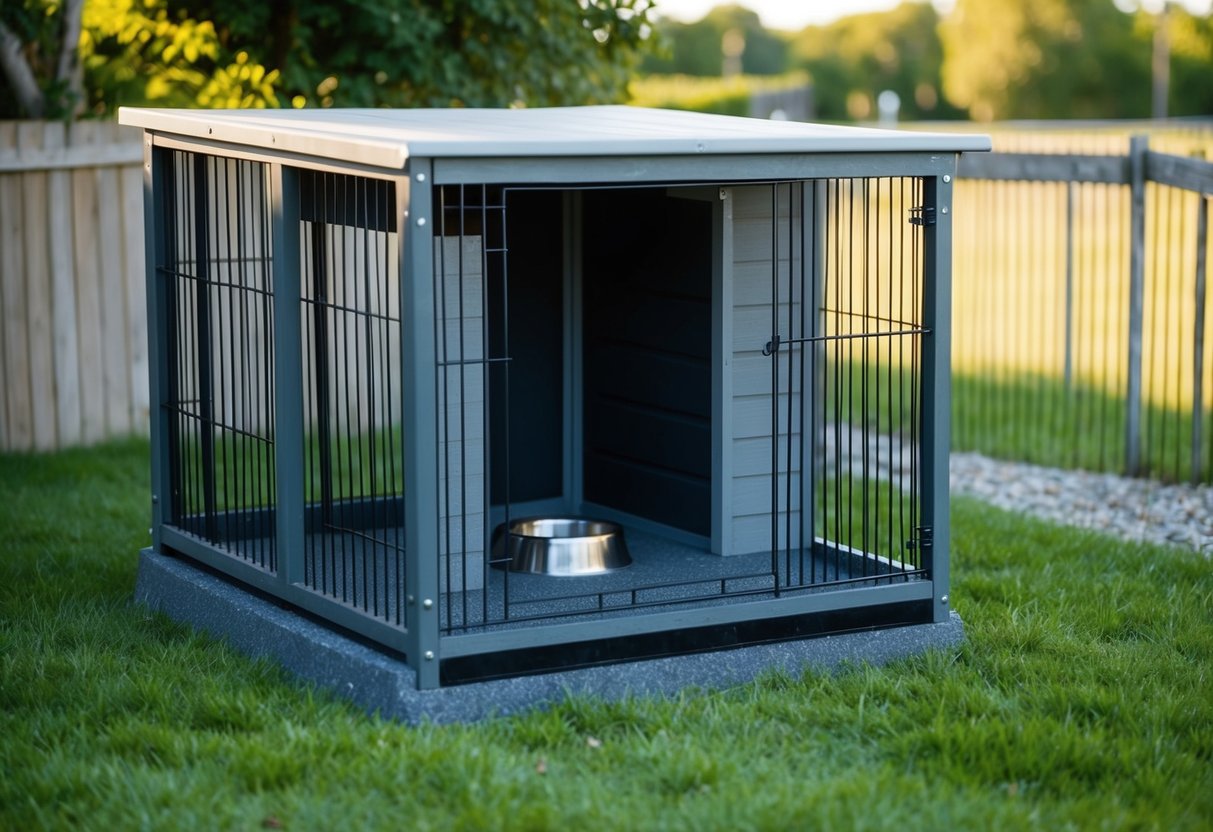
Your Boxer needs a safe, comfortable shelter to stay protected from harsh weather. Choose a well-insulated doghouse that is raised off the ground to keep them dry. Make sure it’s large enough for your dog to stand up, turn around, and lie down comfortably.
Check the structure regularly for wear and tear. Ensure there are no sharp edges or holes where your dog could escape. Also, avoid placing it in direct sunlight for too long, as Boxers can be prone to canine skin cancer.
Keep harmful substances like chemicals and sharp objects away. Always check for parasites like ticks, which can be attracted to outdoor areas. Schedule regular vet check-ups to keep your Boxer healthy and protected from external threats.
Fulfilling Social and Exercise Needs
Boxers are friendly and social dogs. They thrive on interaction with their family. If you leave your Boxer outside for long periods, consider spending time with them to avoid loneliness.
Exercise is crucial for their well-being. Make sure they have a secure area to play. A fenced yard can provide them with space to run. Engage in daily activities like fetch or tug-of-war to keep them active.
Rotate their toys and provide challenges to prevent boredom and destructive behavior. Remember, Boxers have a lot of energy, so regular exercise is necessary to keep them happy and healthy. Always make time to bond with your Boxer, even while they are outside.
Alternatives to Keeping Boxers Exclusively Outside
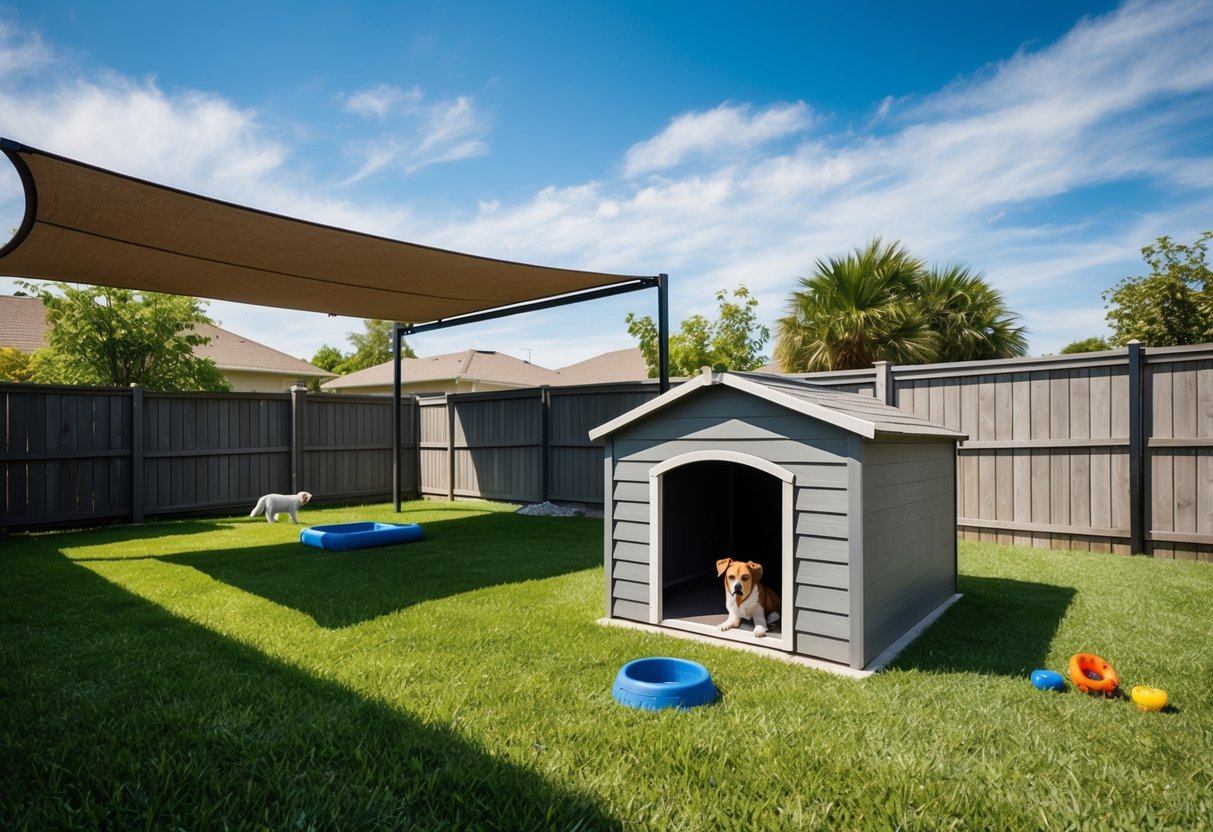
Finding the right balance for your Boxer’s living environment is key. Boxers thrive on social interaction and need a combination of indoor and outdoor experiences. Here are two practical approaches to ensure your furry friend stays happy and healthy.
Indoor vs. Outdoor Time Balance
Your Boxer needs time both inside and outside. While Boxers enjoy the outdoors, they should not live outside full-time. Being indoors allows them to develop a strong bond with you and reduces the risk of separation anxiety.
-
Indoor Living: Create a cozy space for your Boxer. This can include comfy beds or blankets in the living room. Spend quality time together to strengthen your relationship.
-
Outdoor Time: Daily walks and playtime in the yard can help meet their exercise needs. Boxers are energetic and need physical activity to stay fit and avoid boredom. Just make sure to monitor outdoor weather conditions to prevent heat stroke.
Training and Daily Activities for Health
Training is essential for a Boxer’s well-being. Regular training sessions provide mental stimulation and help curb undesired behaviors.
-
Use positive reinforcement methods to encourage good behavior. Reward your Boxer with treats or praise when they follow commands. This builds trust and strengthens your bond.
-
Establish a daily routine that includes exercise and play. Activities like fetch or agility training can provide both physical and mental challenges. Engaging your Boxer in interactive games can keep them from feeling neglected.
Combining indoor activities with outdoor time and exercise will ensure your Boxer remains a loyal companion and a happy member of your family.


