
If you’re considering bringing a Boxer into your home or already have one, you might be wondering about their behavior, particularly when it comes to whining. Boxer dogs whine more than some other breeds. This vocalization can be due to excitement, attention-seeking, or even discomfort. Understanding why your Boxer whines can help you respond to their needs better.
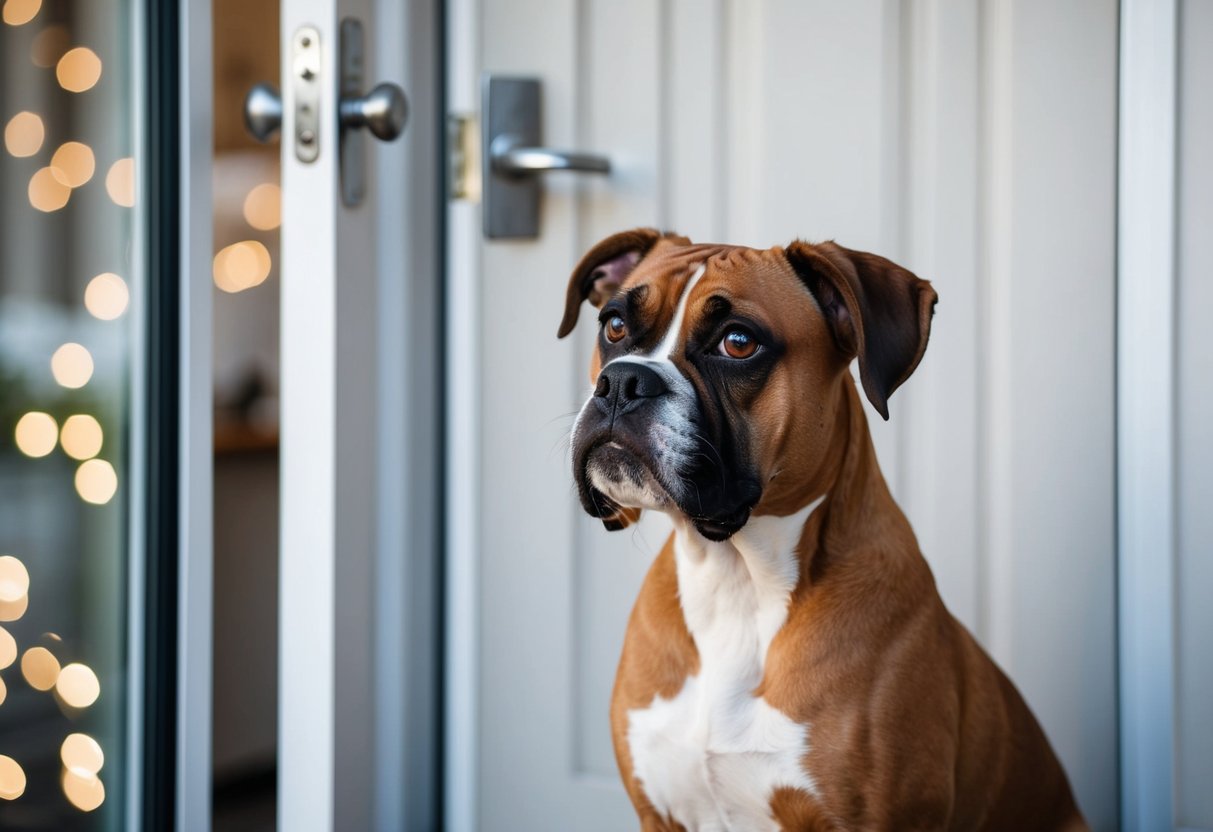
Boxers are energetic and affectionate dogs that thrive on interaction. When they don’t get enough exercise or attention, they may express their feelings through whining. This behavior can sometimes puzzle new owners who may not be familiar with this breed’s typical tendencies.
By paying attention to the context of the whining, you can determine whether your dog wants to play, needs comfort, or may need a trip to the vet.
Knowing more about why your Boxer whines can make your time together more enjoyable. Whether it’s playful excitement or a call for help, recognizing these signals strengthens your bond. Keeping your Boxer engaged and happy can greatly reduce excessive whining and lead to a more peaceful home.
Understanding Boxer Dogs’ Behavior

Boxer dogs are known for their expressive nature and can communicate a lot through their behaviors. Whining is one of the ways they express their feelings. Knowing the reasons behind this behavior can help you better understand your furry friend.
Communication Through Whining
Whining is a common way for Boxers to communicate. This vocalization can mean many things, from excitement to stress. When your Boxer whines, it’s important to pay attention to the context.
For example, if they whine when you’re about to leave, they might feel anxious. On the other hand, if they get excited and start whining when they see their favorite toy, it shows their enthusiasm.
Recognizing these cues will help you respond appropriately. Instead of ignoring the whining, try to understand what your dog is trying to say. Building this communication can strengthen your bond.
Common Causes of Whining in Boxers
Several factors can lead to excessive crying in Boxers. One main reason is stress or anxiety. Your dog might feel uneasy due to loud noises, new environments, or being left alone.
Another cause could be physical discomfort or health issues. If you notice sudden whining in a normally quiet dog, a visit to the vet may be necessary. Boxers can also whine out of excitement, especially when they encounter playtime or treats.
In some cases, this behavior is simply a part of their personality. Understanding these causes can help you create a more comfortable environment for your Boxer.
Addressing Whining in Boxers

Whining can be a common issue with Boxers, but there are effective ways to manage it. By focusing on training methods and creating an engaging environment, you can help reduce your dog’s excessive whining.
Training and Behavior Modification
Training your Boxer is key to reducing whining. Start by identifying the triggers for your dog’s vocalizations. Keeping a journal can help you see patterns.
If your Boxer whines for attention, teach them a “quiet” command. Reward them for staying calm and quiet, using treats or praise.
Consistency is vital. Never reward whining with attention, as this can reinforce the behavior. Instead, wait for them to stop before offering playtime or cuddles.
Use positive reinforcement to encourage desired behaviors, like playing quietly with a toy. You might also consider obedience classes for added support and socialization.
Creating a Stimulating Environment
A bored Boxer is more likely to whine. Ensure your dog has plenty of toys to play with. Rotate their toys regularly to keep them interesting.
Interactive toys, like puzzle games, can really engage your dog mentally.
Additionally, make sure your Boxer gets enough exercise daily. Aim for at least 30 to 60 minutes of physical activity. This could include walks, playtime in the yard, or fetching a ball.
If you notice signs of separation anxiety, start by gradually leaving your dog alone for short periods. Slowly increase the time to help them adjust.
Providing a cozy space with a blanket or a favorite toy can also ease their anxiety when you’re away.
Health and Nutritional Aspects

Your Boxer’s health and diet play a big role in their overall behavior, including whining. Paying attention to what your dog eats and how you manage their health can help reduce excessive whining and promote a happier pet.
Diet and Feeding Routines
Feeding your Boxer a balanced diet is crucial. Choose high-quality dog food that meets their needs based on age, size, and activity level.
Typically, Boxers require food rich in protein to maintain their muscular build.
Establish a consistent feeding routine. Set specific times for meals and stick to them. This can help your dog know what to expect, which may reduce anxiety-related whining.
Make sure to provide fresh water at all times in a clean feeding area.
Consider avoiding table scraps as they can lead to unhealthy weight gain. Monitor your Boxer’s weight regularly to prevent obesity, which can cause various health issues.
Health-Related Causes of Whining
If your Boxer is whining excessively, they might not just be bored or seeking attention. Health issues could be at play. Sudden whining can sometimes indicate pain or discomfort.
Common health problems in Boxers include joint pain, allergies, or digestive issues. A vet check-up is a good idea if you notice changes in your dog’s behavior. Early detection of any issue can lead to effective treatment.
For Boxer puppies, proper vaccinations and regular vet visits are essential. Taking care of their health can prevent many problems that might cause whining, helping them grow into happy and well-adjusted adults.


