
Boxers are known for their affectionate nature and playful spirit. But you may notice your Boxer being clingy at times. This clingy behavior often stems from their love for companionship and a strong bond with their owners. They thrive on attention and can become anxious when left alone, prompting them to stay close to you.

As a dog owner, it’s essential to understand this behavior. Boxers can be sensitive and may cling to you for comfort when they feel insecure or stressed. Their need for closeness is not just about wanting cuddles; it can be a sign of separation anxiety or simply their way of showing love and loyalty.
Recognizing the reasons behind your Boxer’s clinginess will help you provide the support they need. By addressing their emotional needs and ensuring they feel safe, you can enjoy a happy and healthy relationship with your furry friend.
Understanding Clinginess in Boxers

Boxers often display a clingy behavior that can be traced to their pack mentality and desire for companionship. Understanding why they act this way can help you build a stronger bond with your furry friend.
Pack Mentality and Companionship
Boxers are social animals that thrive on companionship. They see their human family as their pack. This strong pack mentality makes them loyal and loving pets.
Their desire to be close to you is often described as “velcro dog” behavior. This means they follow you around and want to be part of everything you do. These dogs need attention and love, and they respond positively to companionship.
Separation Anxiety and its Symptoms
Clinginess can also stem from separation anxiety. This condition is common in Boxers and can make them very attached to you. When left alone, they may show signs of distress.
Symptoms can include barking, whining, destructive behavior, and even accidents in the house. Recognizing these signs early is essential. By providing reassurance and creating a comforting environment, you can help ease their fears.
The Impact of Socialization
Socialization plays a significant role in how clingy your Boxer may become. If they are not exposed to different people, situations, and other animals, they may grow more dependent on you.
Early socialization helps them feel secure in different environments. This can minimize clingy behavior and reduce anxiety. Engaging your Boxer with other dogs during walks or playdates can encourage their independence while still strengthening your bond.
Cultivating a Healthy Attachment
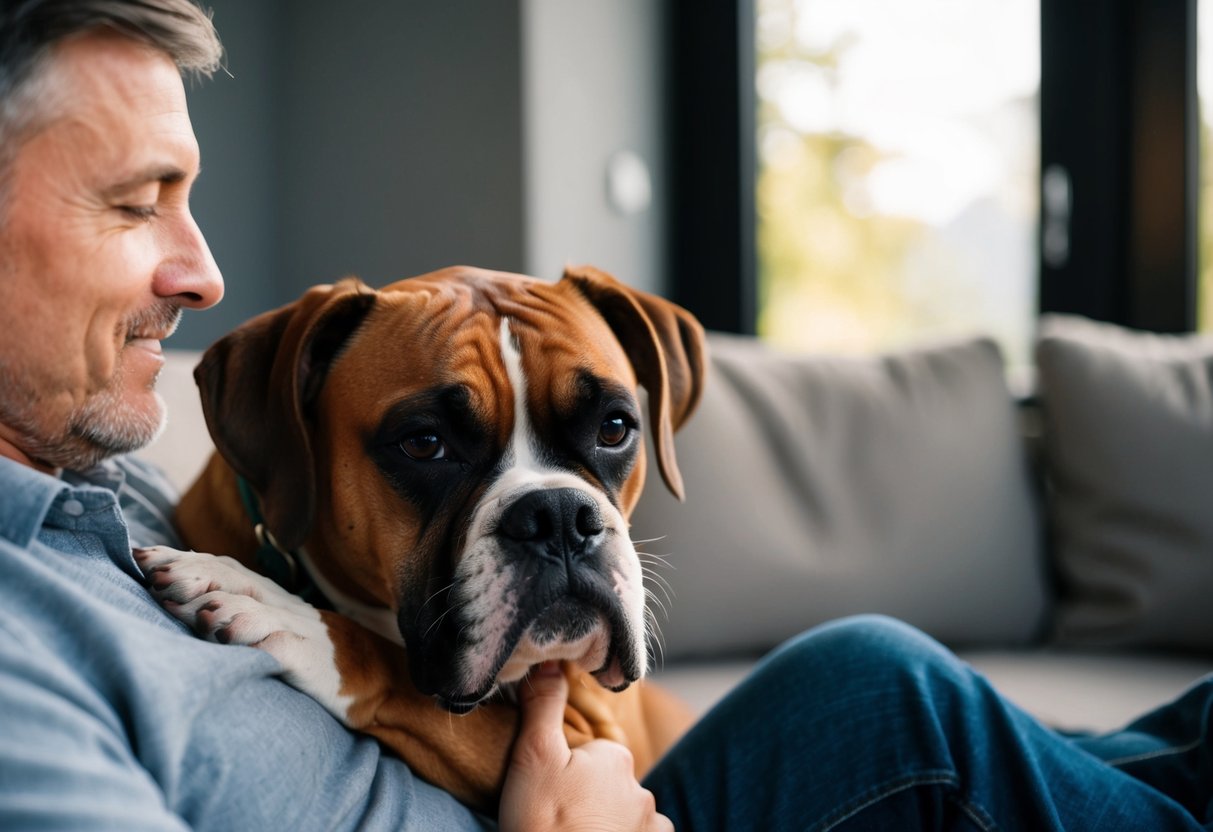
Creating a strong bond with your Boxer is essential for their well-being and happiness. Focusing on proper training and socialization, as well as providing mental stimulation and physical activity, can help foster a healthy attachment without encouraging over-dependence.
Proper Training and Socialization
Training your Boxer using positive reinforcement is crucial. Start with basic commands like sit, stay, and come. This sets clear boundaries and builds trust.
Socialization is equally important. Expose your dog to different people, places, and other animals. This helps them feel secure in various situations and reduces clinginess.
Group training classes can enhance their ability to interact with other dogs and people. The more experiences your Boxer has, the more confident they will become, minimizing anxiety and dependence.
Mental Stimulation and Physical Activity
Boxers are active and intelligent dogs. Keeping their minds engaged is vital to their happiness. Puzzle toys, interactive games, and obedience training can provide mental stimulation.
Regular physical activity is also key. Aim for at least 60 minutes of exercise daily. This can include walks, playtime, or agility training. The more they exercise, the more balanced and less clingy they may feel.
Incorporating both mental challenges and physical exercise helps prevent behavioral issues. Engaging your Boxer in a variety of activities supports their health and strengthens your bond, making them feel secure without excessive attachment.
When to Seek Professional Help

If your boxer exhibits clingy behavior, it’s essential to recognize when it might signal a deeper issue. Understanding both the signs of problematic behavior and the options available for professional assistance can guide you in addressing it effectively.
Identifying Behavioral Issues
Pay close attention to your boxer’s behavior. Clinginess can sometimes be a sign of anxiety or fear. Look for specific actions such as excessive barking, destructive habits, or aggression towards others.
If your dog consistently seeks your attention, this could indicate their stress levels. Other signs to note include refusal to be alone, trembling, or hiding. Recognizing these signs early helps you take the necessary steps for improvement.
Once identified, tracking these issues can help you explain the problem better when seeking help.
Options for Professional Assistance
There are several avenues for getting the help your boxer needs. You can start by consulting your veterinarian. They can rule out any health issues that may cause clingy behavior.
If it’s a behavioral concern, consider hiring a professional dog trainer or behaviorist. They can create a customized training plan tailored to your dog’s needs.
Additionally, positive reinforcement techniques using dog treats can reinforce good behavior. This approach encourages your boxer to feel secure while learning to cope. Remember, you are not alone in this process, and there are many resources available to help both you and your dog.
Practical Tips for Dog Owners

You can help your Boxer feel secure while also promoting their independence. Focus on clear communication and creating a balanced relationship to keep both you and your dog happy.
Effective Communication
Clear communication is key to understanding your Boxer. Use consistent commands and body language to help your dog learn what you expect. Be sure to reward good behavior with positive reinforcement, like treats or praise. This builds trust and shows your dog that they are doing the right thing.
When your Boxer seeks attention, recognize their needs without rewarding clingy behavior. If they are being overly clingy or anxious, redirect their energy to activities like play or training. This encourages your dog to focus on more independent behaviors.
Maintaining a Balanced Relationship
A healthy balance in your relationship involves both companionship and independence.
Spend quality time with your Boxer to strengthen your bond. Daily walks, playtime, or training sessions are great ways to connect.
At the same time, allow your Boxer some alone time. Gradually increase the duration of time you leave them alone to build their confidence. This helps reduce attention-seeking behavior.
It’s important that your Boxer knows you will return, so practice short absences before lengthening them. This balance keeps your dog secure while fostering their independence.


