
As a proud owner of a 2-year-old Boxer, you might wonder how much exercise your energetic companion needs. A Boxer generally needs about 60 to 90 minutes of physical activity each day to stay healthy and happy. Regular exercise is essential for maintaining their muscular build and preventing boredom, which can lead to unwanted behaviors.
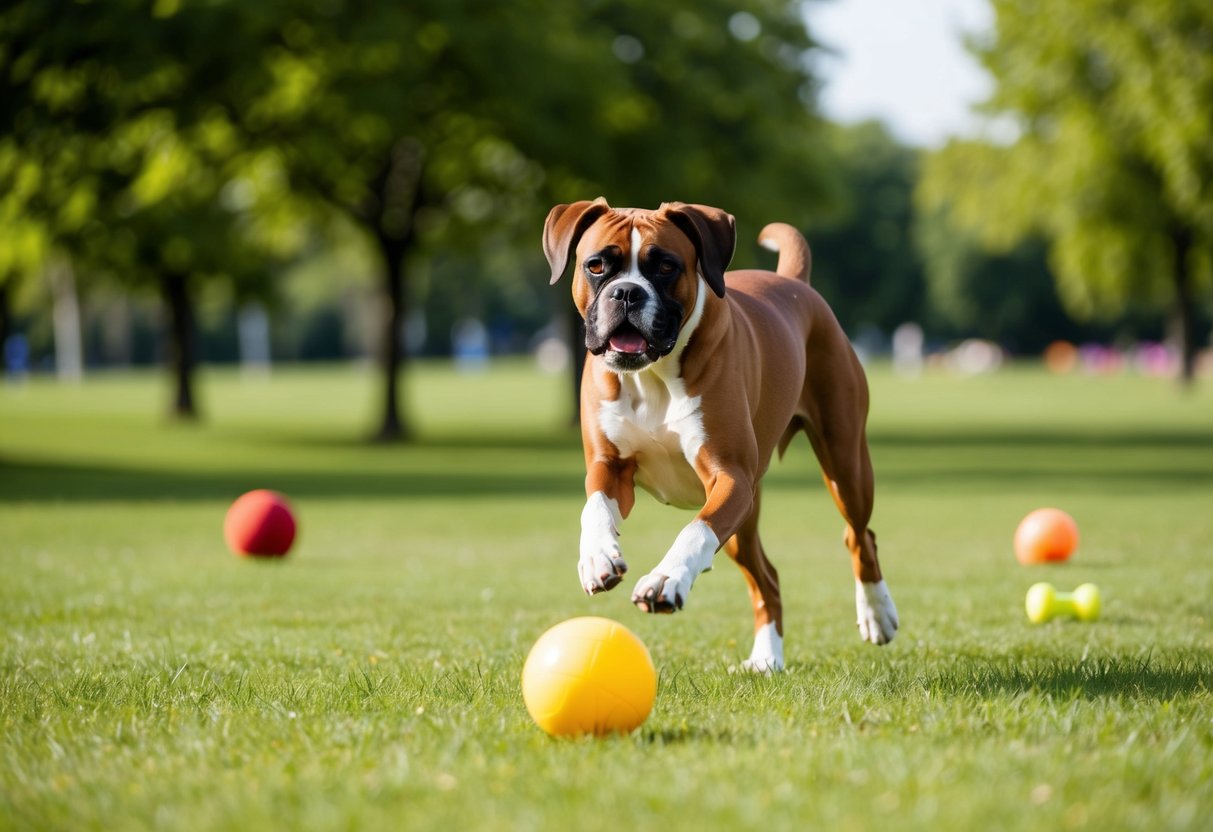
Engaging your Boxer in different activities can make exercise fun for both of you. Consider walks, playtime in the yard, or interactive games that challenge their mind and body. A well-exercised Boxer is not only healthier but also a more balanced and affectionate pet.
Understanding your Boxer’s exercise needs can help you foster a stronger bond while contributing to their well-being. By keeping their energy in check, you ensure they remain the lively, loving companion you cherish.
Understanding the Boxer’s Exercise Requirements

Boxers are active dogs that require consistent physical activity to stay healthy. Regular exercise helps them manage their energy levels and supports their overall well-being. Here’s what you need to know about their exercise needs.
Importance of Regular Physical Activity
Daily exercise is essential for your Boxer. This breed is known for being energetic and playful. If they don’t get enough activity, they may become bored or destructive.
Aim for at least one hour of exercise each day. Activities like walking, running, or playing fetch will help keep them engaged. Breaking this time into multiple sessions, like two half-hour walks, can keep your Boxer happy and healthy.
Regular exercise not only maintains their physical health but also supports their mental health. It can prevent behavioral issues that arise from pent-up energy. Plus, spending time with your Boxer enhances your bond.
Specific Needs of the Boxer Breed
As a brachycephalic breed, Boxers have unique needs compared to other dogs. Their shorter snouts can make breathing more difficult, especially during intense exercise. Make sure to monitor their breathing and provide breaks as needed.
Your 2-year-old Boxer’s physical health depends on consistent exercise tailored to their energy level. Focus on high-energy activities that allow for bursts of play. Games like tug-of-war or fetch are ideal.
Young Boxers may also enjoy agility training or interactive toys. These not only help release energy but also stimulate their minds. Adjust the duration and intensity based on your dog’s comfort. Always consult a vet if you have concerns about their exercise routine to ensure it meets their needs.
Creating a Daily Exercise Routine

Establishing a daily exercise routine for your 2-year-old Boxer is essential for their health and happiness. By balancing walks and playtime, as well as incorporating training sessions, you can keep your pup engaged and content.
Balancing Walks and Playtime
Daily walks are crucial for your Boxer. Aim for at least one hour of walking each day. This can be broken into two 30-minute walks, one in the morning and one in the evening.
During walks, let your dog explore new scents and sights. This mental stimulation is just as important as the physical exercise.
In addition to walks, include playtime in your routine. Interactive games like fetch or tug-of-war help burn off extra energy. Try to set aside 30 minutes each day for play. Mixing up the activities keeps your Boxer excited and engaged.
Incorporating Training Sessions
Training sessions are another important part of your Boxer’s exercise routine. These sessions should be around 10-15 minutes and can happen multiple times throughout the day.
Focus on obedience training, teaching commands like sit, stay, and come. Use positive reinforcement to make it fun for your dog. This not only sharpens their skills but also strengthens your bond.
You can also teach tricks, which provide mental stimulation. Remember, a tired mind is just as important as a tired body for your Boxer’s overall well-being.
Interactive Activities and Sports for Boxers
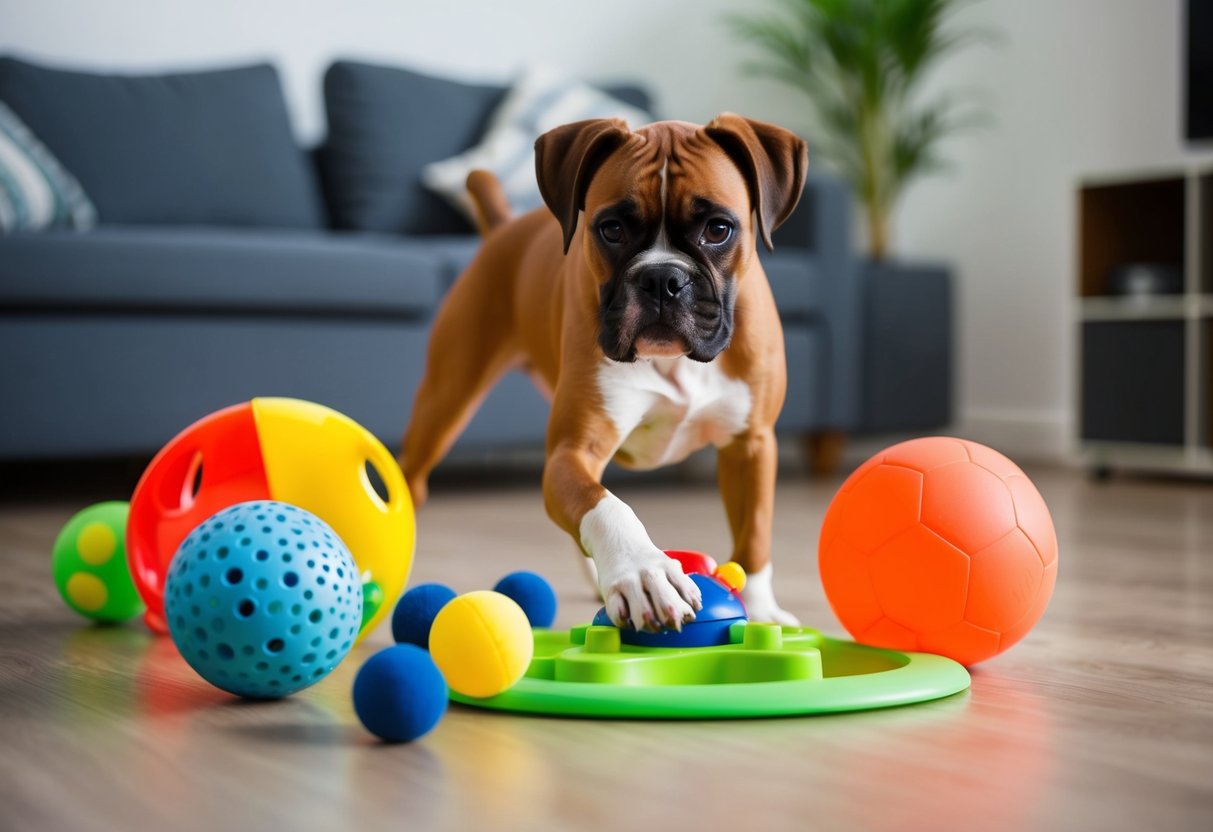
Boxers are active and playful dogs that thrive on interactive activities. Engaging in high-energy games and agility training not only supports their exercise needs but also keeps them mentally stimulated.
Indulging in High-Energy Games
Playing fetch is a classic choice that many Boxers love. This game allows them to run and retrieve, providing excellent physical exercise. You can use a variety of toys, like balls or frisbees, to keep things exciting.
Tug-of-war is another favorite. It helps strengthen your bond with your Boxer while giving them a good workout. Use a sturdy rope toy and ensure the game stays friendly.
Visiting a dog park gives your Boxer a chance to socialize and run with other dogs. Look for parks that encourage play and have open spaces for running and chasing.
Engagement Through Agility Training
Agility training is great for Boxers and can be a fun way for you to bond. Start with simple obstacles like tunnels, jumps, and weave poles. This training keeps your Boxer physically fit and mentally sharp.
Make sessions enjoyable by using treats as rewards. This encourages your Boxer to listen and follow commands during the course.
You can even join classes or clubs focused on agility. This not only enhances your skills but also helps your Boxer meet other dog lovers. Engaging in these activities makes exercise more fun and productive for both of you.
Socialization and Mental Stimulation

Socialization and mental stimulation are key to keeping your 2-year-old Boxer happy and healthy. Engaging in these activities not only helps them burn energy but also promotes better behavior.
The Role of Socialization in Exercise
Socialization is essential for your Boxer. It helps them learn how to interact with other dogs and people. Arranging playdates can be a fun way to expose your pup to new friends.
Taking your Boxer to a dog park allows them to run and play in a safe environment. Regular interactions can boost their confidence.
Keep an eye out for signs of stress, like excessive barking or hiding. If you see these signs, give your dog some space to feel comfortable. Socialization helps reduce anxiety and prevents problems like hip dysplasia by encouraging movement and exercise.
Mental Exercise for a Healthy Mind
Mental stimulation is just as important as physical activity. Puzzle toys and interactive games can challenge your Boxer’s brain. This not only keeps them engaged but also helps reduce unwanted behaviors.
Training sessions are another great way to provide mental exercise. Teaching new tricks or commands can be rewarding for both you and your dog.
Incorporate short training sessions throughout the week to keep things fresh. These activities can prevent boredom and promote a strong bond between you and your pet.
Combining socialization and mental stimulation will help ensure your Boxer leads a fulfilling life.


