
It can be confusing and a bit concerning when your boxer dog starts to bite you. You may wonder if it’s a sign of aggression or if your furry friend is just playing around.
Understanding that dogs may bite due to fear, anxiety, or even playful behavior can help you address the issue effectively.
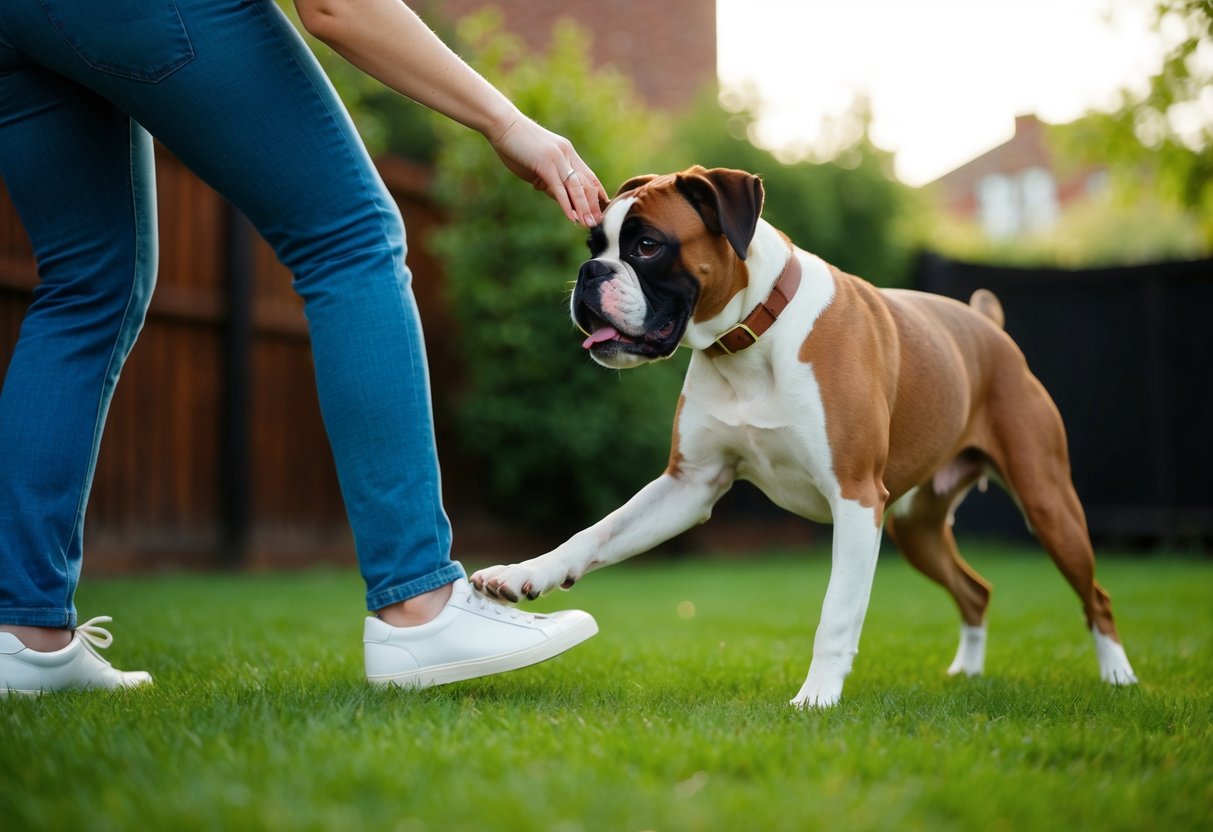
Boxers, like all dogs, communicate through their actions. Sometimes, they bite to express discomfort or fear. Observing your dog’s body language and the specific situations that lead to biting can offer valuable insights.
If your boxer is nipping or biting more often, you need to figure out why this is happening. Finding solutions and training techniques can help you build a stronger bond with your dog while ensuring safety for everyone.
Understanding Boxer Dog Behavior

Boxers are lively and friendly dogs, but their behavior can sometimes lead to unexpected biting. Understanding their behavior can help you manage and prevent these incidences.
The Role of Socialization
Socialization is crucial for your Boxer. It helps them learn how to interact safely with people and other animals.
Early exposure to different environments, people, and situations can reduce the chances of aggressive biting later on.
If your Boxer hasn’t been socialized properly, they may bite out of fear or uncertainty. Always encourage positive experiences, rewarding them with treats when they meet new people or pets. Regular training classes can also support their social skills and boost their confidence.
Common Causes of Biting
There are several reasons why your Boxer might bite. Play biting is common, especially in younger dogs. This behavior often happens when your dog is excited and wants to engage with you. It’s important to redirect this behavior towards appropriate toys or activities.
On the other hand, aggressive biting might stem from fear, pain, or territorial instincts. If your Boxer feels threatened or believes that their space is being invaded, they may react with a bite.
Always pay attention to their body language and avoid provoking them in tense situations. Recognizing these triggers is key to preventing biting incidents.
Effective Training Techniques
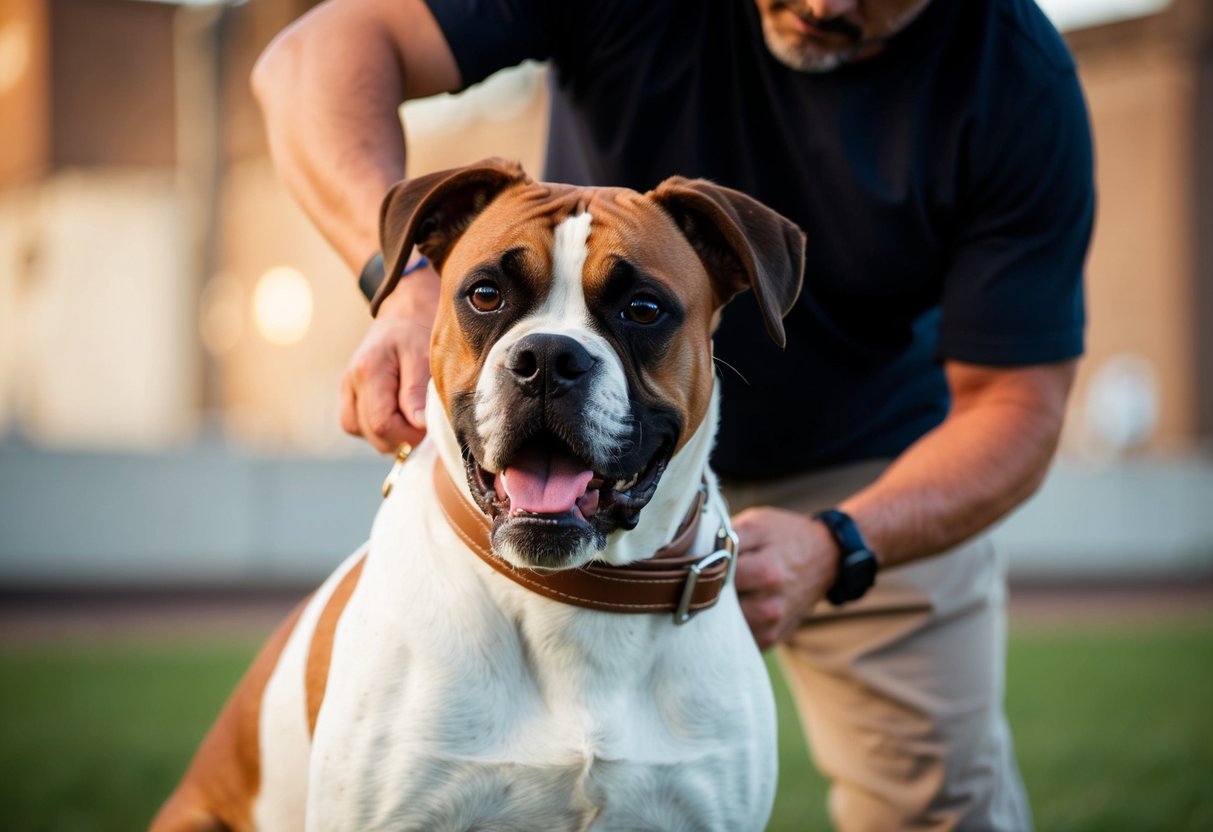
Training your Boxer to stop biting involves specific methods that focus on understanding their behavior. It is essential to establish bite inhibition, use positive reinforcement, and consider professional help if needed. These techniques can help create a safe and enjoyable environment for both you and your dog.
Establishing Bite Inhibition
Bite inhibition is the ability of your dog to control the force of their bite. Teaching this can reduce the likelihood of painful bites.
Start by using a gentle approach during playtime. If your Boxer bites too hard, make a sudden yelping sound. This reaction mimics how littermates would respond.
Pause the game for a moment. This break helps your dog learn that biting ends the fun.
Consistency is key. Repeat this process each time they bite too hard. With practice, your Boxer will adjust their bite strength and learn to play more gently.
Positive Reinforcement
Using positive reinforcement is an effective way to stop your dog from biting. Reward them for good behavior instead of just correcting bad behavior.
Use treats, praise, or toys when they interact gently.
For instance, when your Boxer plays without biting, immediately offer them a treat and a cheerful “good boy” or “good girl.” This encourages them to repeat the behavior.
Set up situations where your Boxer is more likely to succeed. Focus on games and activities that steer clear of biting. The more they learn through rewards, the less likely they will feel the need to bite out of excitement or fear.
Professional Training Assistance
Sometimes, implementing these techniques alone can be challenging.
Seeking help from a professional dog trainer can provide valuable support.
A certified trainer specializes in understanding dog behavior and training methods. They can offer personalized strategies for your Boxer.
Look for trainers who emphasize positive reinforcement and bite inhibition in their training. Group classes can help socialize your dog and teach them to interact safely with others.
Investing in professional assistance ensures you’re effectively addressing biting issues while building a healthy bond with your Boxer.
Health and Environmental Factors
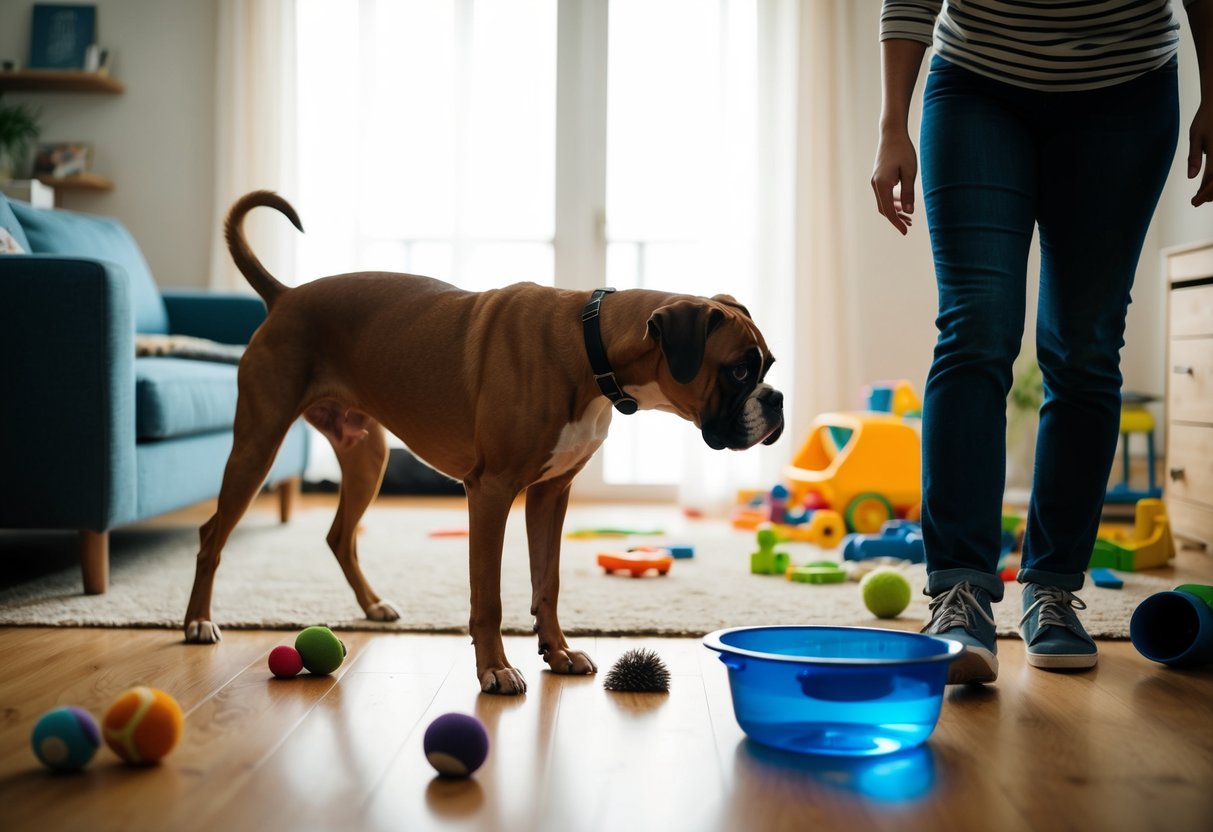
Your Boxer dog may bite you due to certain health and environmental issues. Understanding these factors can help you respond effectively.
Teething:
If your Boxer is still young, teething can cause discomfort. Puppies often bite to relieve pain. Providing safe chew toys can help ease their discomfort.
Separation Anxiety:
Boxers are known for their loyalty. If they feel anxious when you leave, they may bite to express their distress. Creating a safe space and gradually getting them used to your absence can help.
Resource Guarding:
Sometimes, dogs guard food or toys. If your Boxer bites when you approach their belongings, it’s a sign of resource guarding. Teach them commands like “leave it” to help manage this behavior.
Health Issues:
Always consider health problems. Conditions like allergies or skin infections can make your dog irritable. If biting seems unusual, consulting a veterinarian is a good idea.
Stress Factors:
Changes in the environment, like moving or new pets, can increase stress. Keep a routine and provide comfort to help your Boxer adjust.
Preventive Measures and Solutions

You can take several steps to help prevent biting behavior in your Boxer dog. Building a trusting relationship and managing their behavior effectively are key components in creating a safe environment for both of you.
Building a Trusting Relationship
A strong bond between you and your Boxer is essential. Spend quality time together through play and training. This helps your dog feel secure and loved.
Establish clear rules and be consistent with them. If you allow certain behaviors one day and not the next, your dog can get confused.
Use positive reinforcement, like treats and praise, when your dog behaves well. This encourages good behavior and strengthens your relationship.
Socialization is also important. Expose your Boxer to different people and environments in a safe manner. This can help reduce fear and anxiety, which often lead to biting. A properly trained Boxer is more likely to be relaxed and less prone to nip or bite, especially with a lack of training.
Managing and Redirecting Behavior
Your Boxer shows signs of wanting to bite. You need to manage that behavior quickly. Use toys to redirect their energy. When they want to bite you, offer a toy instead. This teaches them what is acceptable to bite.
Training sessions should be regular and focused on basic commands. Teaching commands like “sit” and “leave it” can help prevent unwanted biting incidents. Always remain calm and patient during these sessions.
Avoid rough play that encourages biting. Play with toys instead of your hands or feet. If your Boxer bites you during play, stop immediately and walk away. This lets them know that biting leads to the end of fun.


