
Building a strong bond with your Boxer dog is essential for creating a lasting companionship. Spending quality time together through play, training, and exercise is the best way to deepen your connection.
Boxers are known for their energetic and playful nature, making them great partners for various activities. Engaging in fun games, walks, or training sessions not only helps burn off their energy but also strengthens your relationship.
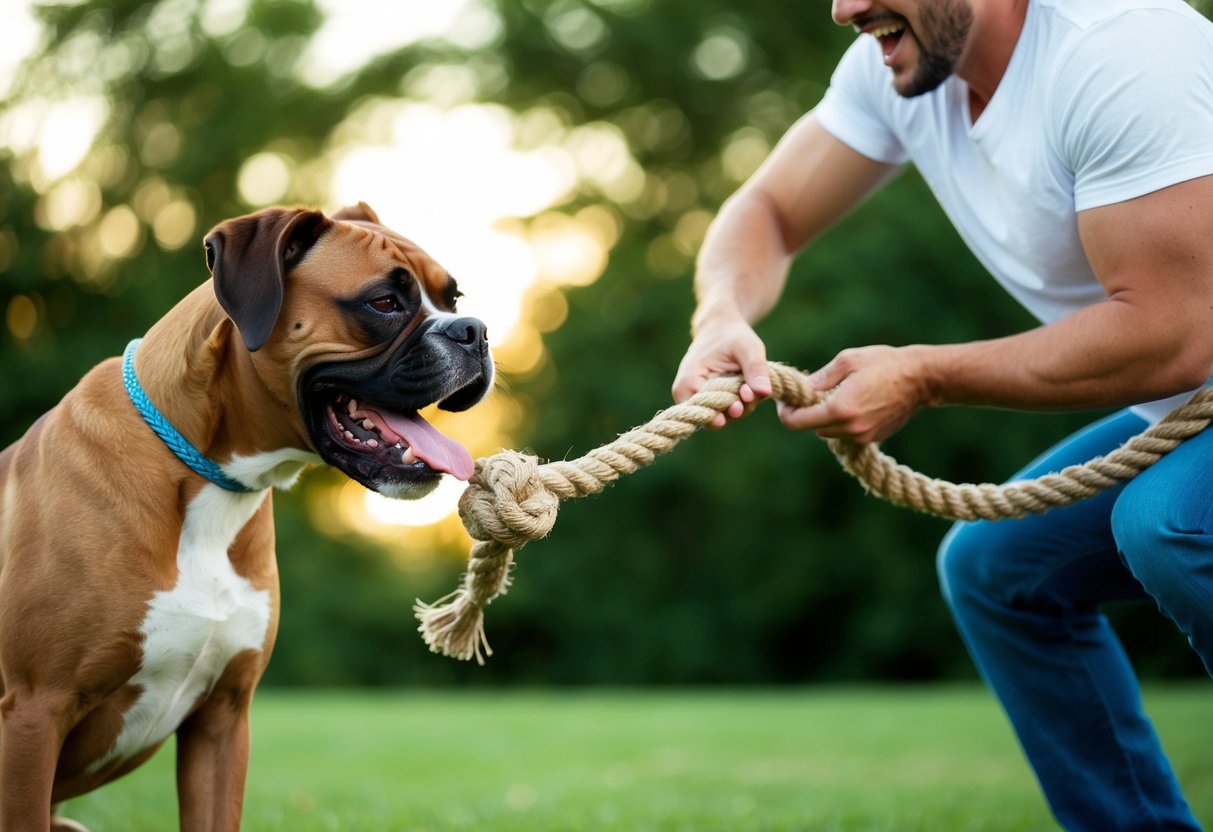
Understanding your Boxer’s needs is crucial. These dogs thrive on human interaction and require regular exercises to stay happy.
By incorporating daily physical activities into your routine, you show your dog that you care. This effort fosters trust and loyalty, which are key elements of a strong bond.
As you work on building that connection, remember that patience is important. Take the time to learn what your Boxer enjoys and respond to their cues. The more you invest in your relationship, the more rewarding your experience will be with your furry friend.
Understanding Boxer Dogs

Boxer dogs are known for their playful nature and strong bonds with their families. Understanding their temperament and the importance of socialization can help you connect better with your Boxer.
Temperament and Socialization
Boxers are energetic, intelligent, and affectionate dogs. They thrive on interaction and love spending time with their families. Their playful personality makes them great companions for both adults and children.
Socialization is crucial during their early months. It helps Boxers learn to behave around other dogs and people. A well-socialized Boxer is typically more confident, less anxious, and better able to handle new situations.
Regular exposure to various environments will help your Boxer become well-rounded and adaptable.
Importance of Early Socialization
Early socialization is key for your Boxer’s development. Starting when they are puppies, introduce them to new experiences, people, and other animals. This will help them grow into friendly and confident adults.
You can achieve this by enrolling your Boxer in puppy classes or arranging playdates with other dogs. Positive experiences during these critical months set a strong foundation. Remember, it’s all about making these encounters fun and rewarding.
Boxer Dogs as Family Pets
Boxer dogs make excellent family pets. They are protective yet gentle, making them suitable for households with children. Their playful nature keeps kids engaged and happy.
Being highly trainable, Boxers respond well to commands and can learn various tricks. Regular exercise and mental stimulation are important for keeping them healthy and happy.
Whether playing in the yard or snuggling on the couch, Boxers thrive on companionship. Their loyalty and love for their families create lasting bonds that enrich your life.
Building a Bond Through Training
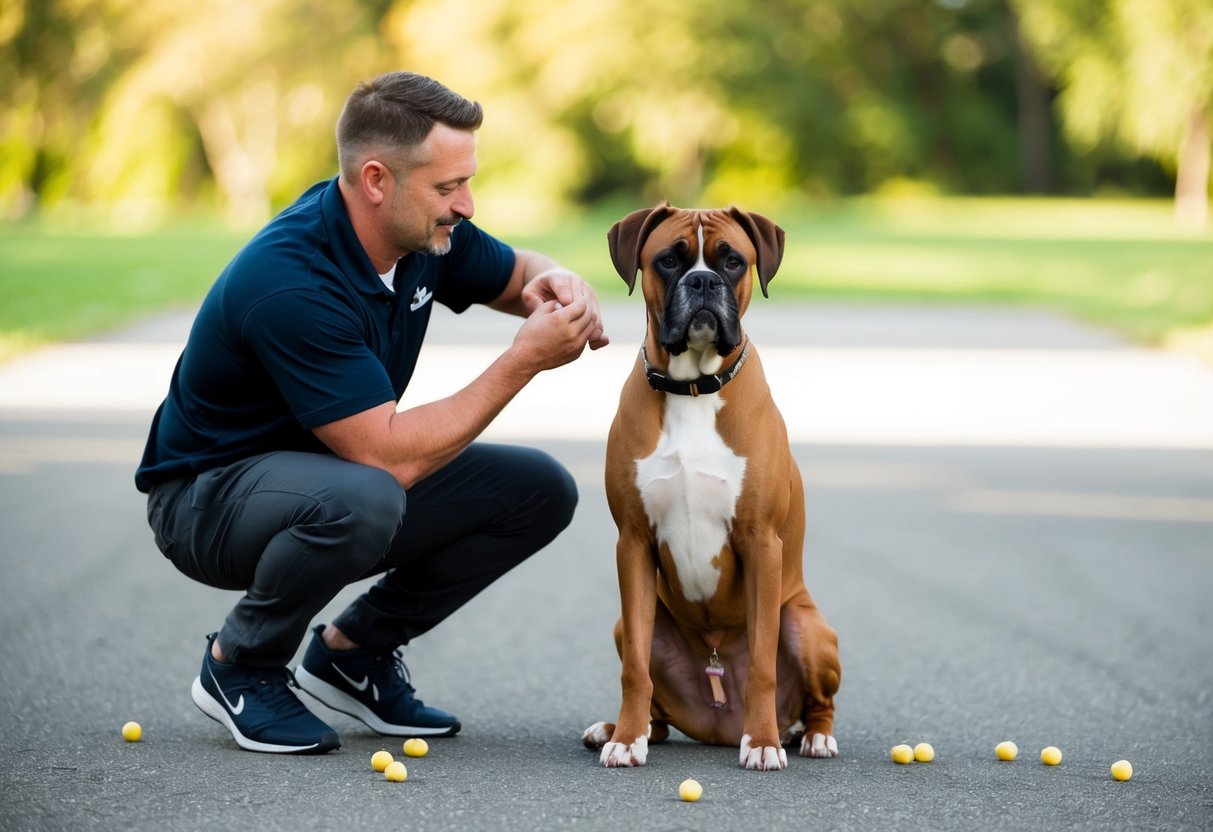
Training your Boxer is a great way to build a strong bond. By using effective techniques, you create trust and communication. Focused training can help you understand your dog better and establish a healthy relationship.
Positive Reinforcement Training
Positive reinforcement training is an effective method to teach your Boxer. This approach rewards good behavior with treats, praise, or playtime.
For example, when your dog sits on command, give them a treat right away. This helps them learn that good actions lead to positive outcomes.
Make your training sessions short but frequent. Aim for 5 to 10 minutes several times a day. Keeping it fun and engaging will help your dog stay focused.
Remember, always be patient. If your Boxer gets distracted, take a break and try again later.
Crate Training Essentials
Crate training is an important tool for bonding with your Boxer. It provides a safe space for your dog and helps with house training.
Start by introducing the crate gradually. Place it in a common area with comfortable bedding and toys.
Encourage your dog to explore the crate by offering treats and praise. Make it a comfortable place where they want to spend time.
Never use the crate as punishment, as this can create fear. Instead, associate the crate with positive experiences to strengthen your bond.
Creating Positive Experiences
Creating positive experiences during training can enhance your relationship. Engage in fun activities like agility games or hide-and-seek.
Try mixing training with playtime to make it exciting.
Consider going on regular walks and exploring new environments. This not only provides exercise but also new sights and smells for your Boxer.
Remember to celebrate achievements, big or small. Positive moments build trust and encourage your dog to connect with you.
Exercise and Playtime
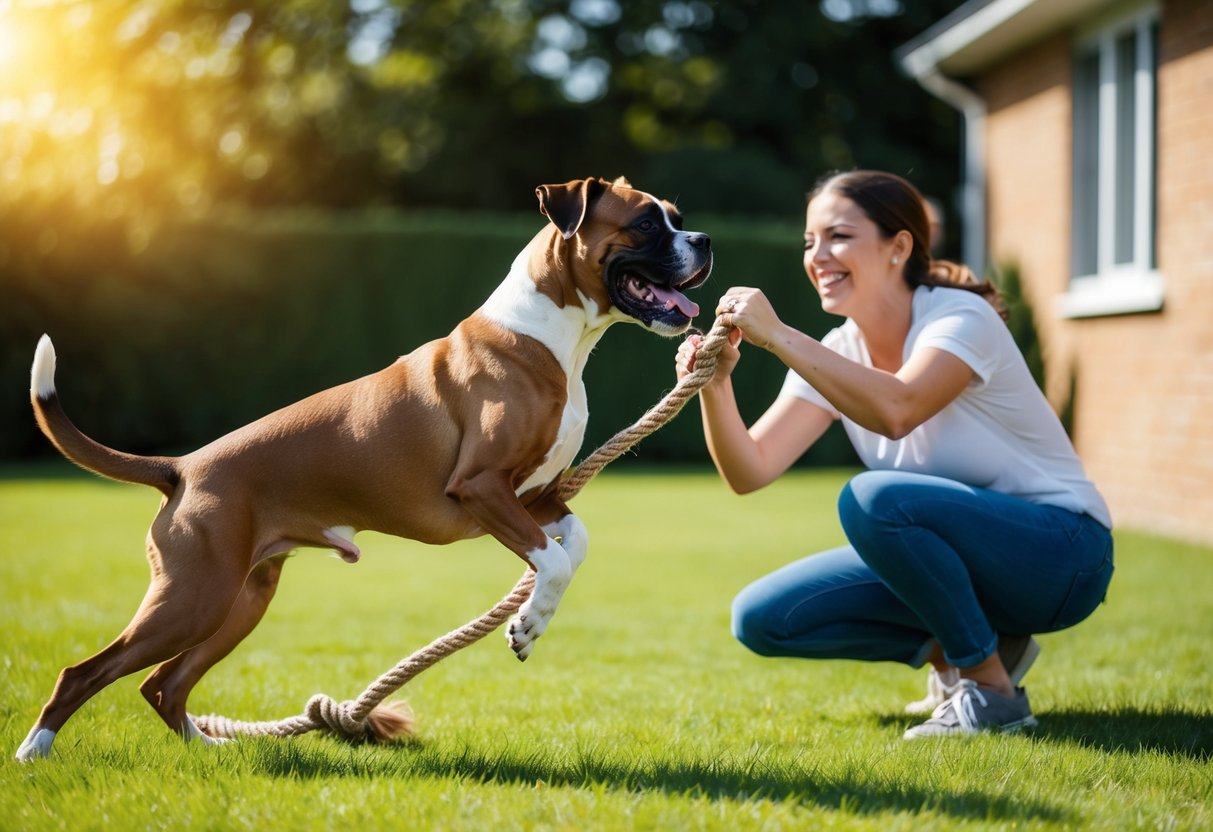
To strengthen your bond with your Boxer, regular exercise and playtime are essential. Boxers are energetic dogs that thrive on physical activity and mental stimulation.
Engaging in these activities not only keeps your dog healthy but also enhances your relationship.
Daily Exercise Needs
Boxers require a lot of exercise each day. Aim for at least 1 to 2 hours of activity to keep your dog happy and healthy.
- Walks: Daily walks provide excellent physical activity and let your Boxer explore.
- Running: If you enjoy jogging, your Boxer can run alongside you.
- Playtime: Incorporate play sessions into your routine. Boxers love playing outdoors, which helps burn off energy.
Daily exercise helps your Boxer maintain a healthy weight and reduces behavioral issues caused by boredom.
Playing Fetch and Other Games
Playing fetch is a favorite pastime for Boxers. It’s a fun way to engage their playful nature and keep them active.
- Use a ball or a frisbee for throw-and-retrieve games.
- Make it more exciting by changing up the throwing distance or using toys that squeak.
- Incorporate different games like tug-of-war, which also strengthens your bond.
These games not only provide physical activity but also reinforce training commands. They learn to come back to you, which builds trust and communication.
Mental Stimulation Ideas
Boxers thrive on mental challenges. Keep their minds sharp with activities that stimulate their intelligence.
- Puzzle toys: These toys release treats and test their problem-solving skills.
- Basic training sessions: Teaching new commands can engage their minds. Use simple commands like “sit” and “stay.”
- Interactive games: Hide-and-seek can be a fun way to engage your Boxer. It encourages them to use their sense of smell and promotes interaction.
By combining physical activity with mental challenges, you’ll keep your Boxer happy and well-adjusted. This balance encourages a stronger bond between you and your furry friend.
Additional Tips for Boxer Care
Taking care of your Boxer involves more than just feeding and exercise. Proper grooming practices are essential to keep your dog happy and healthy. Here are some important tips to follow.
Proper Grooming Practices
Regular grooming is key to your Boxer’s well-being. Start with a weekly brushing to remove loose hair and dirt. Boxers have short coats that don’t require heavy grooming, so a soft-bristled brush will do the trick.
Don’t forget about bath time! Aim for a bath every month or as needed. Use a dog-friendly shampoo to avoid skin irritation, and make sure to rinse thoroughly.
Keep an eye on your Boxer’s nails. Trim them every few weeks to prevent discomfort. If you’re unsure how to trim nails, ask your vet for a demonstration.
Lastly, check your Boxer’s ears regularly. Clean them gently with a damp cloth to prevent wax buildup. This simple routine helps keep your dog healthy and strong.


