
Many dog owners face the puzzling situation when their furry friend reacts with a bite or snap while being moved. You might wonder why your beloved pet chooses this aggressive behavior in a moment that’s meant to be caring. Dogs may bite when they feel threatened, scared, or uncomfortable. It’s important to understand the underlying reasons for this reaction.

Your dog’s behavior can be influenced by various factors such as past experiences, pain, or simply a dislike of being moved. Recognizing these triggers can help you approach the situation in a way that keeps both you and your dog safe and happy. Understanding why your dog reacts this way is the first step toward building a stronger bond and ensuring a harmonious home life.
Addressing this issue requires patience and proper training. By using positive reinforcement techniques, you can help your dog feel more secure and less likely to react aggressively when you need them to move. This not only protects you from potential bites but also creates a more trusting relationship between you and your canine companion.
Understanding Your Dog’s Behavior

Your dog may bite when you try to move him due to feelings of discomfort, anxiety, or even resource guarding. Recognizing these behaviors can help you manage the situation effectively.
Reasons Dogs Show Aggressive Behavior
Aggressive behavior in dogs can surface for various reasons. Fear, frustration, and feeling threatened are common triggers. When your dog perceives a challenge to their space or safety, they may react by growling or snapping.
Some breeds are naturally more protective, which can increase their aggressive responses. Additionally, if your dog has had a negative experience related to being touched or moved, they might bite to defend themselves.
Understanding these motivations helps you address the behavior correctly and create a safer environment.
Signs of Discomfort and Anxiety in Dogs
It’s essential to recognize the signs of discomfort and anxiety that your dog may show. Look for indicators such as:
- Growling: This often signals that a dog feels threatened.
- Licking lips: Dogs may do this as a sign of stress.
- Tucking tail: A lowered or tucked tail indicates a dog is fearful.
- Backing away: If your dog moves away when you approach, they may not be comfortable.
Being attentive to these signals can give you insight into your dog’s feelings. The more you understand, the better positioned you are to help them feel safe and secure.
The Role of Resource Guarding
Resource guarding is another common reason for biting. This behavior shows when a dog feels possessive over items such as food, toys, or even their favorite resting spot. If you try to move them when they’re guarding, they might see you as a threat.
To manage this, it’s crucial to recognize when this behavior occurs. Using positive reinforcement techniques can help teach your dog not to guard their resources. You can both safely share space and items without fear of aggression.
Training Techniques to Prevent Biting
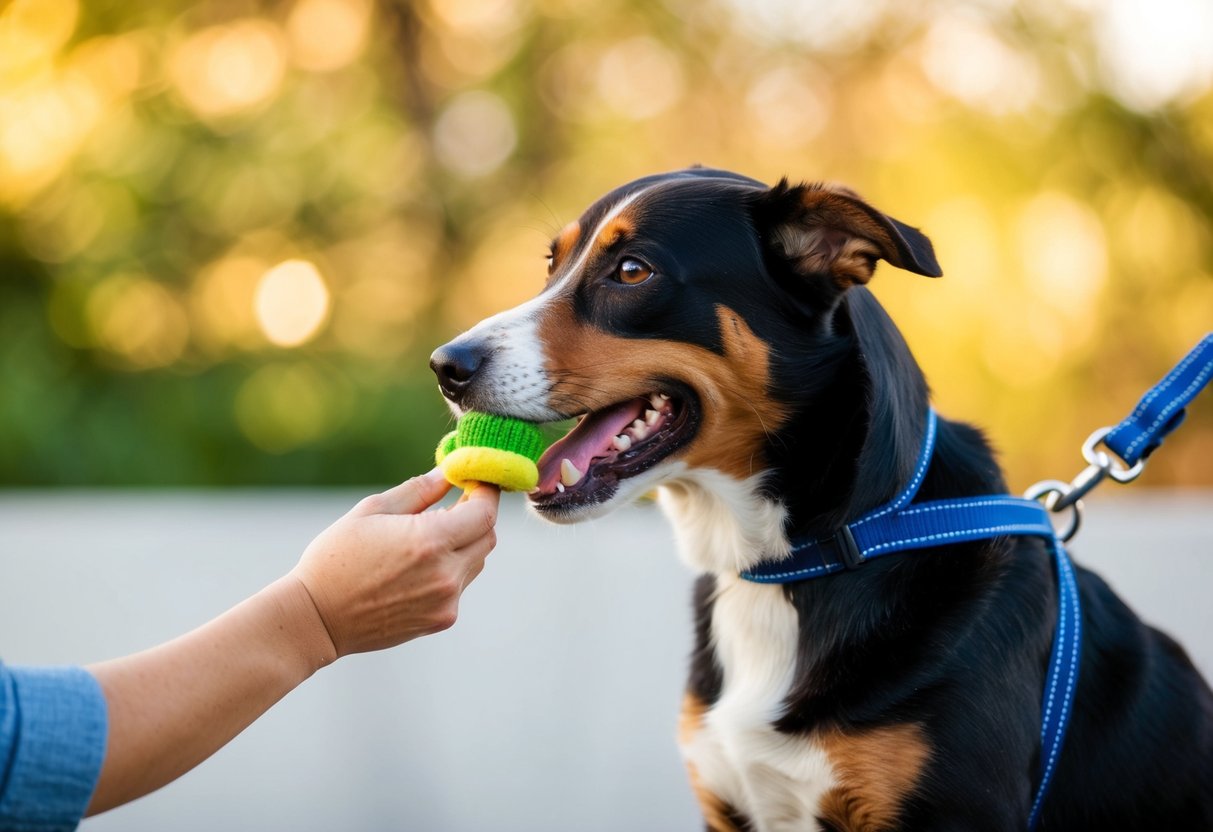
Training your dog to prevent biting is essential for a safe and happy relationship. Several techniques can help you address this behavior effectively. Focus on bite inhibition, positive reinforcement, and behavior modification through desensitization.
The Importance of Bite Inhibition
Bite inhibition refers to a dog’s ability to control the strength of their bite. Teaching your dog this skill can reduce the risk of serious injuries during play or when they feel threatened.
To instill bite inhibition, you can start by allowing your dog to play with your hands. If they bite too hard, let out a sharp “ouch!” and stop playtime immediately. This response helps them learn that biting causes playtime to end.
Consistent practice will teach your dog to be more gentle. Remember that younger dogs especially need guidance in this area, as they may not have fully developed their bite control yet.
Implementing Positive Reinforcement
Using positive reinforcement is a powerful method to train your dog. This involves rewarding your dog for desired behaviors instead of punishing them for unwanted ones.
When your dog stays calm when you try to move them, give them treats, praise, or playtime. This encourages them to associate your actions with positive outcomes.
Be consistent with your rewards, so your dog understands which behaviors to repeat. Make sure to reward your dog immediately after they demonstrate good behavior, as this helps reinforce the connection.
This technique not only reduces biting but also strengthens your bond with your dog.
Behavior Modification Through Desensitization
Desensitization helps your dog get used to situations that might cause them to bite. Start slowly by introducing your dog to gradual changes in their environment or routine.
For example, practice moving your dog while they are relaxed. If they show signs of stress or aggression, take a step back. Reward calm behavior and gradually increase the intensity.
This method teaches your dog that being moved is not a threat. Consistent practice is key. Over time, your dog will learn to feel more comfortable in situations that previously triggered biting.
Professional Help for Behavior Issues
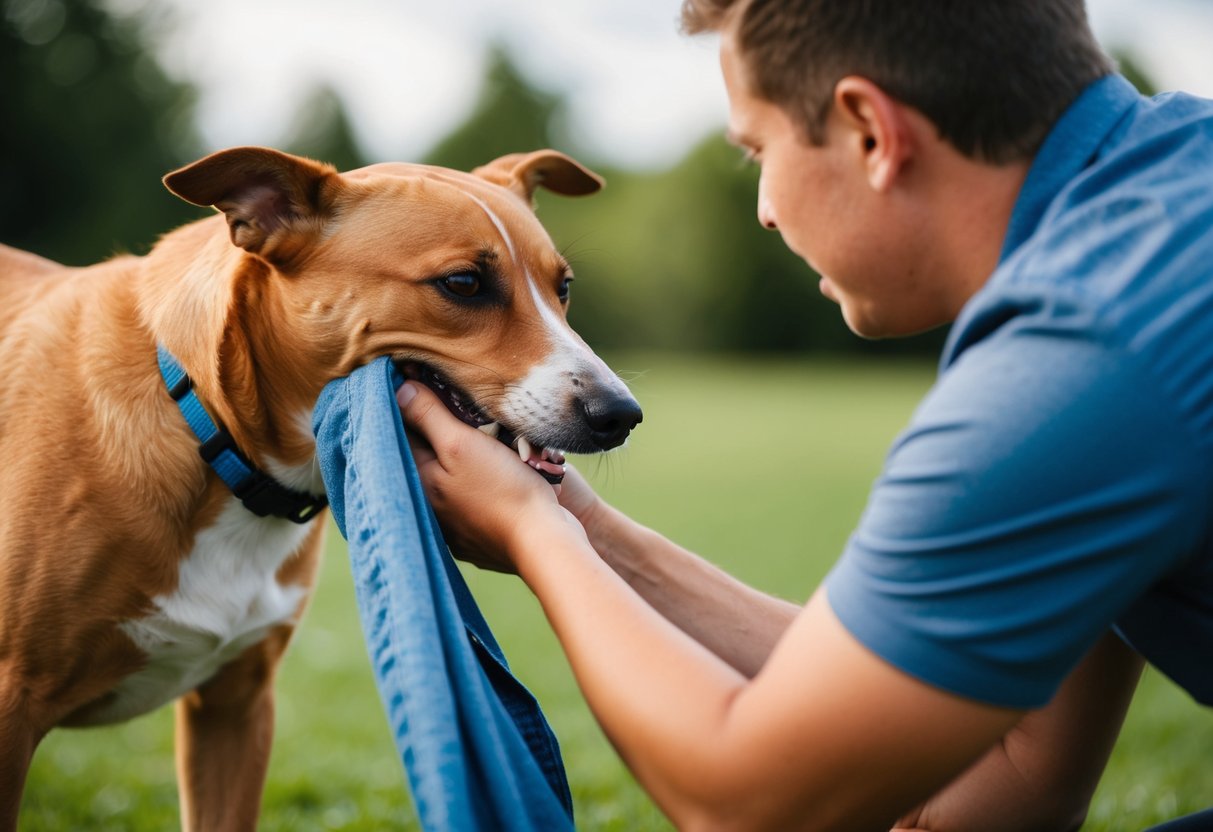
If your dog often bites when you try to move him, it might be time to seek professional help. Understanding when to consult a veterinary behaviorist can make a big difference in your dog’s behavior and your safety.
When to Consult a Veterinary Behaviorist
Consider seeing a veterinary behaviorist if your dog frequently shows aggression. For example, biting or snapping, especially during routine activities like moving them. These specialists focus on canine behavior and can identify underlying issues.
A veterinary behaviorist can also help if your dog displays signs of fear or anxiety in new environments. They provide tailored plans that use positive reinforcement to help your dog feel secure and less defensive.
Schedule an appointment if you’re struggling to manage your dog’s behavior. Also, schedule one if your dog’s behavior progresses to severe aggression. Your safety and your dog’s well-being are important, and professional guidance can help both of you.


